What Utensils You Need To Make Thekua And Prasad For Chhath
Not sure which utensils to buy for Chhath? Here is a handy guide to the kadhai, mould, and other tools you need to make thekua and prasad smoothly at your home.
What Utensils You Need To Make Thekua And Prasad For Chhath
In Chhath Puja, the kitchen is as important as the ritual. Prasad is made at home, usually by one person, with clean and dedicated tools. At the center of it all is thekua and getting it right depends on having the correct utensils at hand. A thin pan can burn the dough, and a wrong mould can ruin the pattern. Many families only find out these gaps the morning of cooking, which adds unnecessary stress. This guide will list everything you need so the preparation feels calm and the offering turns out just the way it should.
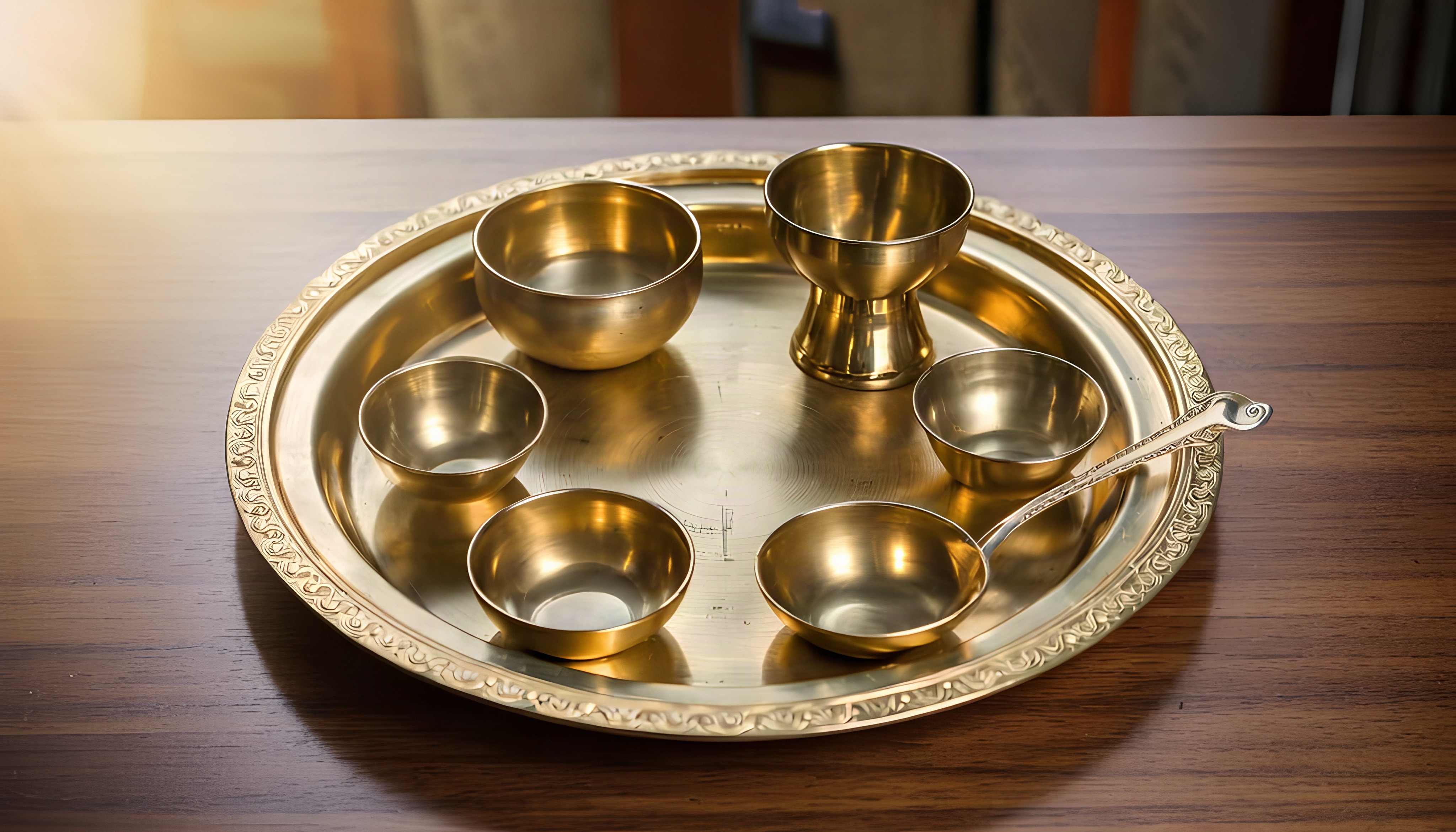
Which Utensils Do You Need For Thekua And Chhath Prasad?
Photo Credit: iStock
Most of these tools are already common in kitchens. Others, such as the wooden mould, are specific to thekua and worth buying early. Chhath cooking has some rules, like keeping the utensils separate from the daily use. Here's what to choose for frying, mixing, shaping and serving, along with some care tips that help the tools last through many festival seasons.
Which Utensils Do You Need For Thekua And Chhath Prasad?
Thekua, a deep-fried sweet made of wheat and jaggery, also includes prasad, rice laddoos and fruits. Each stage is performed with a different tool. Some are for cooking, others for shaping and presentation. Keeping them in one place before the festival starts saves time. Also, you can avoid borrowing tools that were used for non-vegetarian or daily meals. It's like a checklist you can tick off a week before Chhath starts.
What Do You Need For Cooking Thekua?
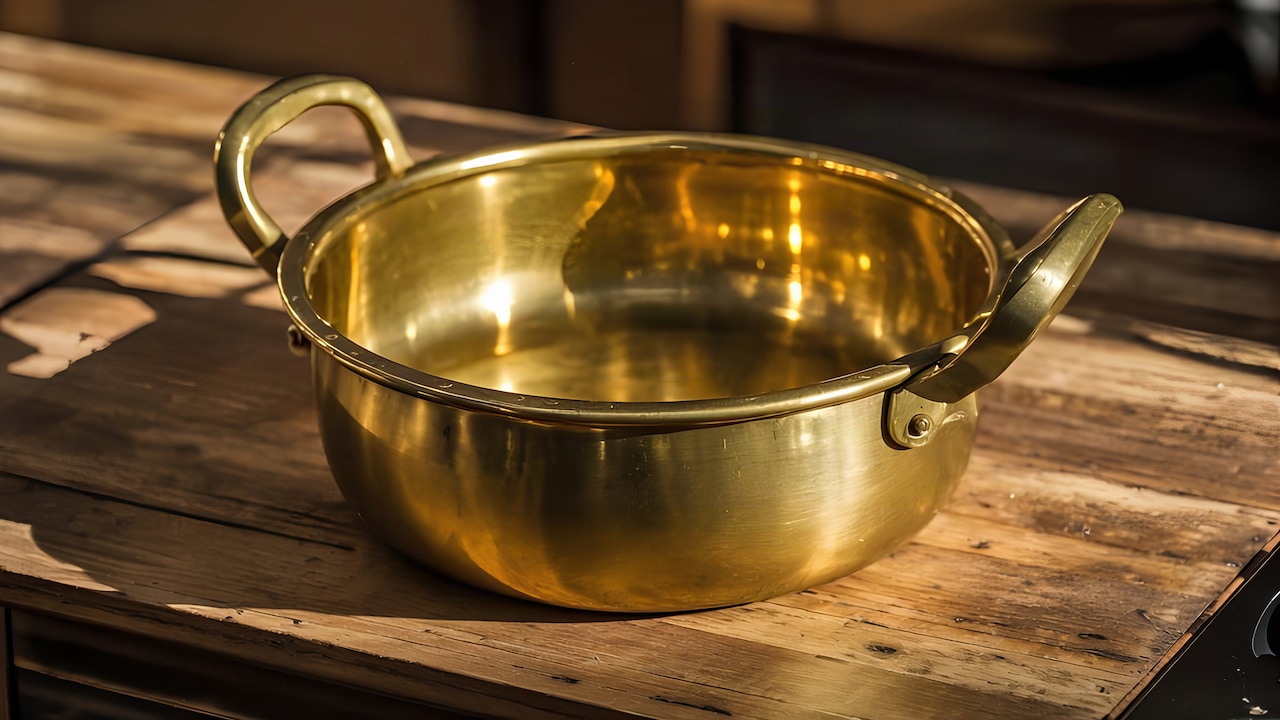
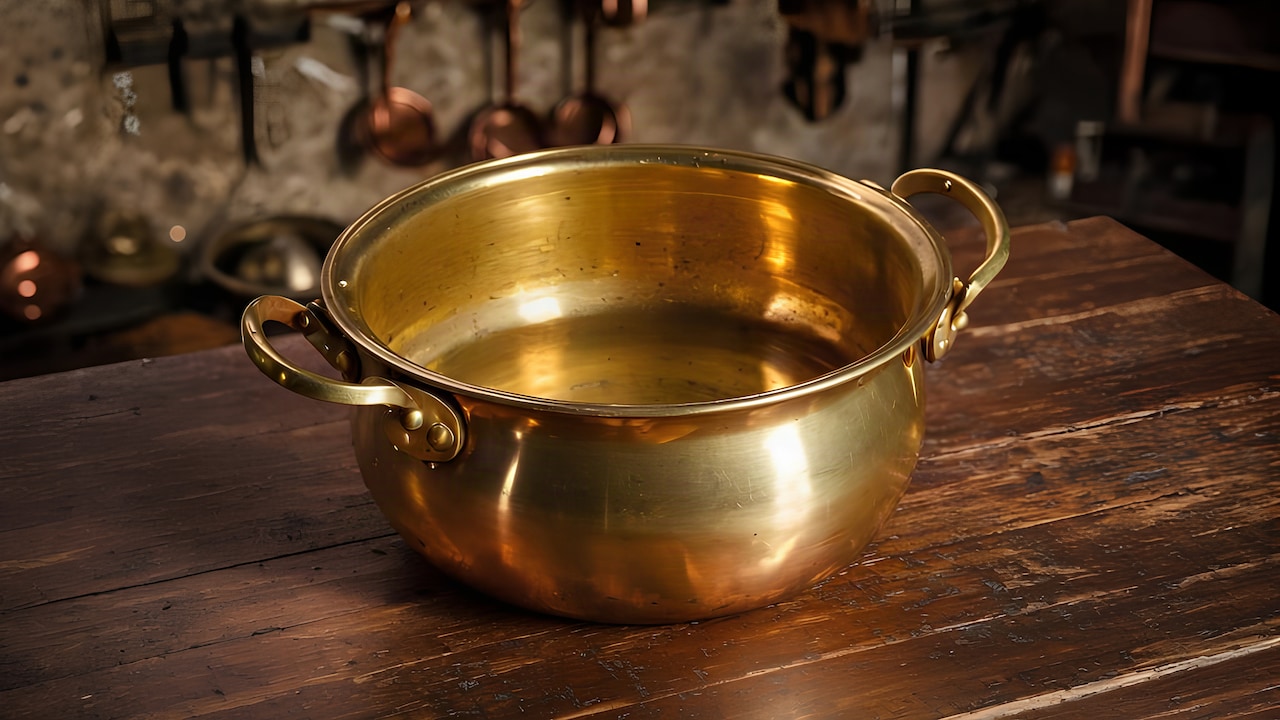
1. A Heavy-Bottomed Kadhai
The kadhai is the most important thing because frying is the main job. Brass, iron or heavy stainless steel heats evenly and prevents the thekua from browning too fast on the outside. Pick a wide one, about 3 to 5 litres capacity so that several pieces fry at once without overcrowding.
2. A Large Mixing Parat
The wheat flour, jaggery syrup, ghee and dried coconut are mixed to a stiff dough. A wide parat (wide-open flat utensil) of steel or brass allows for firm kneading. A narrow bowl is not ideal because your knuckles keep hitting the sides.
3. A Sieve And A Grater
The flour is sieved to eliminate lumps and give a smoother bite. A good steel strainer works pretty well. Keep a hand grater ready too, mostly for jaggery blocks and dry coconut. The jaggery, when grated, melts faster and mixes up without any hard bits.
Which Tools Help With Shaping And Frying?
1. A Wooden Thekua Mould (Sancha)
The traditional way is from a carved wooden mould, or sancha. Roll into a small ball of dough and turn out. Pick a hardwood one with deep, clear carvings. The soft wood wears out quickly and can stick to the dough.
2. A Rolling Pin And Knife
If you don't have a mould, a rolling pin and a sharp knife will do the trick. Roll out the dough to a thickness of about a finger and cut it into diamond shapes. A smooth wooden board prevents the dough from sticking and allows you to work quickly.
3. A Slotted Spoon (Jhara)
When the thekua is golden, you have to take it out cleanly. A long-handled slotted spoon will help to drain excess ghee and keep your hands away from the heat. Steel or brass will do, but choose one with a firm handle.
Also Read: Chhath Puja 2026: Add A Touch Of Bihar's Folk Art To Your Festive Look With These 5 Madhubani Sarees
What Else Do You Need For Chhath Prasad?
1. Soops And Thalis For Offering
Prasad is offered in bamboo soops (winnowing trays) and daliyas (baskets) along with fruits, sugarcane and thekua. Brass or steel thali is also useful to place diyas and small items. Wash them all. Keep them dry before the day.
2. A Pot For Rasiao Kheer
Many homes also make rasiao kheer, a pudding of rice and jaggery. Use a heavy-bottomed pan, as the milk and jaggery tend to stick to the bottom. Stir with a long wooden spoon - it will not get hot in your hand.
3. Airtight Containers For Storage
When stored properly, thekua will last a couple of weeks. Steel or glass containers with tight lids are best. Let the thekua cool down completely before packing them, or the steam will soften them.
How Do You Care For Chhath Utensils?
The tools used for Chhath should be cleaned well before use, and many families have a separate set for the festival. Tamarind and salt can clean brass, and then the brass can be dried completely. Wipe wooden moulds, do not soak them, and keep them in a dry place. Keep the festival separate from the everyday steel, so nothing gets mixed up. With good care, these tools will last for years.
Some Utensils You May Like
Photo Credit: iStock
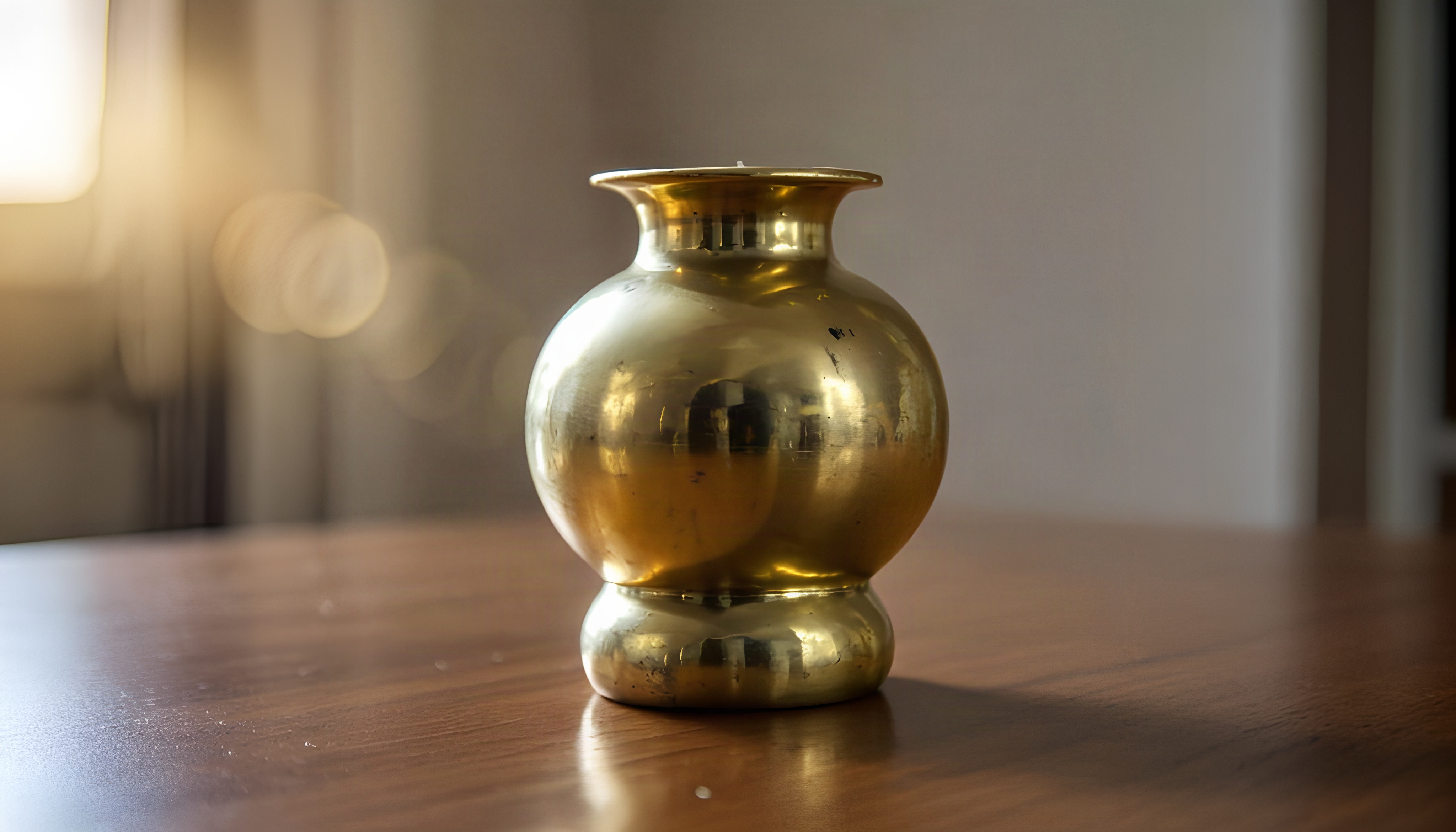
Some Utensils You May Like
1. P-TAL Brass Urli Bowl
2. Putrika Brass Cooking Utensil
3. SG CRAFTS Brass Handi for Cooking Food
4. Generic Pooja Small Pital Thali & Glass Set for Bhog/Prasad
5. HALDI MEHENDI SHAADI Brass Mini Prasad Thali
6. Spillbox Traditional Handcrafted Brass Puja | Pooja Thali
7. Esplanade Brass Kalash for Pooja
8. WQT Laddu Gopal ji, Thakur Ji, Krishna Pooja Thali Set
Preparing Thekua and other traditional prasad for Chhath Puja becomes much easier when you have the right utensils ready beforehand. From large mixing bowls and rolling boards to kadais, strainers, and bamboo baskets for offering prayers, each item plays an important role in ensuring a smooth and organized preparation process. Many families also prefer using separate, clean utensils reserved for festive cooking to maintain the sanctity of the prasad. By gathering these essentials in advance, you can focus on the rituals and enjoy making authentic Chhath offerings with devotion, care, and traditional flavour.
Frequently Asked Questions (FAQs)
1. Which kadhai is best for frying thekua?
A heavy-bottomed brass, iron, or thick steel kadhai works best. It spreads heat evenly, so the thekua cooks through without burning. A wide mouth also lets you fry more pieces at once.
2. Can I make thekua without a wooden mould?
Yes. Roll the dough flat, cut it into diamonds or rounds with a knife, and fry as usual. You can also press a fork lightly on top for texture. The taste stays exactly the same.
3. Do Chhath utensils need to be new?
Not necessarily. Practices vary by family, but many households reuse the same set each year, as long as it is washed well and kept for festival cooking. Some buy new pieces when old ones wear out.
4. Is a brass kadhai safe for frying?
Yes, it is a traditional choice. Check whether it has a tin lining, especially if you will cook anything acidic in it. For frying thekua in ghee, a clean, well-kept brass kadhai works fine.
5. How do I keep thekua crisp for longer?
Cool it fully on a plate, then pack it in an airtight steel or glass container. Keep it away from damp spots and open it only when needed. It usually stays fresh for around two weeks.
(Disclaimer: This article may include references to or features of products and services made available through affiliate marketing campaigns. NDTV Convergence Limited (“NDTV”) strives to maintain editorial independence while participating in such campaigns. NDTV does not assume responsibility for the performance or claims of any featured products or services.)