Non-Stick Pans Sticking Too Soon? How To Make Them Last Longer
Non-stick pans wear out fast when exposed to high heat, metal utensils, and poor care. Simple kitchen habits can protect the coating, extend lifespan and save money on frequent replacements.
Non-Stick Pans Sticking Too Soon? How To Make Them Last Longer
Few kitchen disappointments rival the moment when a once-silky non-stick pan begins behaving like an old iron tawa with attitude. Breakfast turns messy, pancakes refuse to flip, and even simple sabzis seem determined to cling stubbornly to the surface. Considering that quality cookware often costs anywhere between ₹1,500 and ₹8,000, replacing damaged pans too often can burn through household budgets faster than a gas flame on full heat. Most people assume non-stick coatings simply wear out quickly. In truth, daily habits often speed up the damage. High heat, metal spoons, harsh scrubbing, and poor storage quietly shorten a pan's lifespan. A little awareness can make all the difference.
Modern kitchens rely heavily on convenience, and non-stick cookware delivers exactly that. But convenience should not come at the cost of constant replacement. Understanding how to maintain these kitchen essentials can stretch their usability for years, keeping meals smoother and expenses lower. With thoughtful handling, even frequent home cooks can preserve that precious slick surface and enjoy hassle-free cooking for much longer.
Non-Stick Pans Sticking Too Soon? How To Make Them Last Longer
Photo Credit: Pexels
10 Ways To Make Your Non-Stick Pans Last Longer
Start With Quality, Not Just Price
Choosing a non-stick pan often feels tempting when flashy discounts pop up online or in local stores. A ₹700 bargain may seem like a victory, but cheaper pans often cut corners on coating quality and base construction. Thin materials heat unevenly, causing hotspots that damage coatings faster and leave food patchy.
A sturdier pan with a heavier base may cost more upfront, but it often saves money over time. Better brands usually offer multiple coating layers, stronger scratch resistance, and improved heat distribution. Think of it as buying school shoes that last the academic year instead of replacing flimsy pairs every few months.
While brand reputation matters, examining the pan's feel also helps. A solid handle, balanced weight, and smooth finish often signal durability. Investing wisely at the start prevents regular frustration later. A dependable pan should feel like a long-term kitchen companion rather than a temporary convenience. Smart shoppers know that sometimes spending ₹3,000 once beats spending ₹1,000 three times.
Keep The Heat Lower Than You Think
One of the fastest ways to ruin a non-stick pan is by cranking the flame too high. Many home cooks assume stronger heat means quicker cooking, but non-stick coatings dislike excessive temperatures. Overheating can break down the surface, reducing its slippery charm and even causing warping.
Medium or low heat usually works beautifully for most dishes, from paneer bhurji to masala omelettes. Non-stick pans heat efficiently, so aggressive flames often achieve little beyond damage. Imagine wearing silk in a dust storm; it simply is not built for harsh conditions.
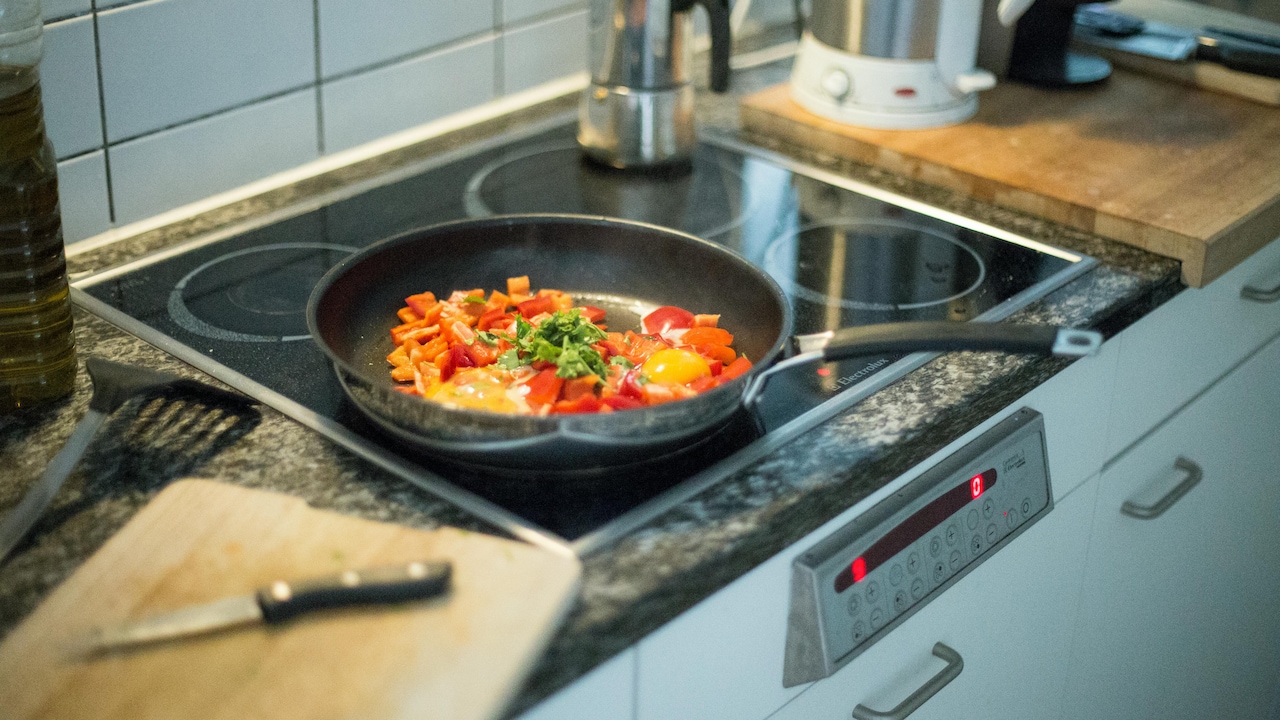
Preheating an empty pan on high heat proves especially harmful. Adding oil or ingredients soon after warming protects the coating better. Gentle cooking preserves both food texture and cookware quality. Plus, lower heat often enhances flavours by preventing sudden burning. Treating the pan with a little patience can dramatically extend its lifespan and improve meal consistency.
Ditch Metal Utensils Completely
Metal spatulas and steel spoons can quietly sabotage even premium non-stick cookware. Every scrape creates tiny scratches, and over time, those marks build into serious damage. Once the protective layer breaks, food starts sticking and the pan's effectiveness plummets.
Switching to silicone, wooden, or nylon utensils offers a simple but powerful solution. These softer materials protect the coating while still handling everyday cooking tasks effortlessly. Wooden spatulas, in particular, bring a nostalgic kitchen charm while preserving modern cookware.
Even occasional metal use can weaken the surface, especially around edges where coatings tend to wear first. Think of non-stick coating like a smartphone screen protector; small scratches may seem harmless initially, but they eventually compromise performance.
Replacing utensils costs far less than replacing cookware. A thoughtful utensil upgrade can preserve the pan's condition for years. In busy kitchens, these little adjustments often make the biggest difference.
Also Read: Electric Grill Vs Pan Cooking: Which Is Really Better For Indian Style?
Wash With Care, Not Aggression
After a long cooking session, tossing a hot pan into cold water may seem convenient, but sudden temperature changes can warp the structure and weaken coatings. Patience matters here. Allowing the pan to cool before cleaning protects its shape and finish.
Harsh scrubbers, steel wool, and abrasive powders should stay far away. A soft sponge, mild dish soap, and warm water usually handle most residue with ease. For stubborn food, soaking the pan briefly works better than scrubbing furiously like tackling festival-season laundry.
Dishwashers can also be rough on many non-stick surfaces, despite marketing claims. Repeated exposure to strong detergents and high heat often accelerates wear. Handwashing remains the gentler option.
Proper cleaning does not require heroic effort. It simply calls for consistency and common sense. A carefully cleaned pan rewards that extra attention by staying smoother, safer, and more reliable meal after meal.
Non-Stick Pans Sticking Too Soon? How To Make Them Last Longer
Photo Credit: Pexels
Store Smartly To Prevent Silent Damage
Storage often gets overlooked, yet stacking pans carelessly can scratch coatings just as badly as poor cooking habits. In many kitchens, cookware towers precariously in cabinets, with heavier pots pressing down on delicate surfaces.
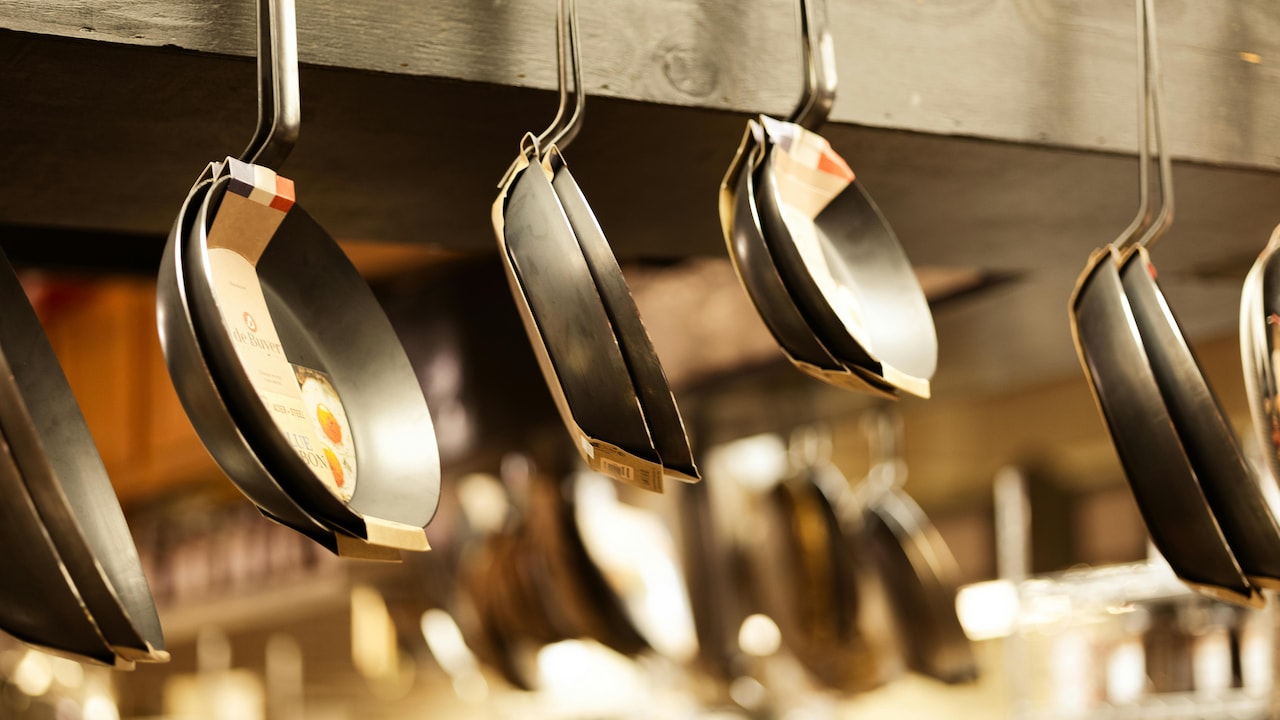
Placing a soft cloth, paper towel, or pan protector between stacked cookware creates an easy barrier against scratches. Hanging pans, when possible, provides even better protection while freeing cabinet space.
Careless storage resembles tossing expensive sunglasses into a drawer full of keys, it invites avoidable damage. Even high-quality coatings struggle against repeated friction.
A little organisation can significantly preserve cookware. Considering how frequently non-stick pans get used, they deserve more respect than being shoved into overcrowded shelves. Smart storage keeps surfaces pristine and ready for daily demands.
Avoid Cooking Sprays That Leave Residue
Cooking sprays often seem convenient, but many leave behind sticky residues that gradually build up on non-stick surfaces. Over time, this invisible layer interferes with performance, causing food to cling despite the coating beneath.
Using a small amount of regular oil, ghee, or butter usually works better. Applying it with a brush or spoon offers more control and prevents unnecessary buildup. Whether preparing crispy parathas or sautéed vegetables, traditional fats often outperform aerosol shortcuts.
Residue from sprays can prove frustrating because regular washing may not fully remove it. This buildup slowly sabotages the pan's effectiveness, leading many people to assume the coating itself has failed.
Simple cooking methods often deliver better long-term results. Skipping sprays can help preserve that smooth finish while enhancing flavour naturally.
Replace Pans Before They Become Unsafe
Even the best non-stick pans do not last forever. Once coatings peel, chip, or show heavy scratching, continued use may compromise both cooking quality and safety. At that stage, stubborn loyalty serves little purpose.
Using damaged cookware often leads to uneven heating, poor food release, and potential ingestion of coating particles. If favourite pans begin resembling battle-scarred veterans, retirement may be overdue.
Regular inspection helps identify issues early. Surface changes, warping, or persistent sticking all signal declining performance. Replacing cookware at the right time ensures healthier cooking and better results.
A well-maintained pan can serve faithfully for several years, but knowing when to move on matters just as much as proper care. Kitchen tools should support meals, not complicate them.
Use It For The Right Foods
Non-stick pans excel at delicate dishes like eggs, pancakes, fish, and lightly sautéed vegetables. However, they are less suited for heavy searing, high-heat frying, or recipes requiring aggressive browning.
Cooking acidic foods occasionally may be fine, but frequent exposure to strong ingredients can wear coatings faster. Matching cookware to cooking style preserves its effectiveness. Cast iron or stainless steel often handles tougher tasks better.
Using the right tool for the right job prevents unnecessary strain. Just as formal shoes do not belong on hiking trails, non-stick pans perform best within their intended range.
Understanding these limitations allows cooks to maximise longevity while improving meal outcomes.
Seasoning Isn't Just For Cast Iron
Many people overlook that some non-stick pans benefit from occasional seasoning. Rubbing a light layer of oil over the clean surface and gently heating it can help maintain slickness.
This process should not be overdone, but periodic maintenance can refresh cooking performance. Always follow manufacturer guidance, as materials vary.
A small effort every few months can reinforce daily care habits. Think of it as giving the pan a spa day rather than emergency treatment.
Simple maintenance rituals often separate cookware that lasts two years from cookware that lasts five.
Everyday Habits Matter Most
Ultimately, a pan's lifespan depends less on marketing promises and more on everyday treatment. Small habits, using gentle utensils, moderate heat, careful washing, and proper storage, collectively determine performance over time.
Kitchen routines can either preserve or destroy cookware quietly. The difference often lies not in grand changes, but in consistent mindfulness.
When treated well, non-stick pans remain dependable allies through rushed weekday breakfasts, festive family feasts, and late-night snack cravings alike. They save effort, reduce oil use, and simplify modern cooking beautifully.
Non-Stick Pans Sticking Too Soon? How To Make Them Last Longer
Photo Credit: Pexels
Products Related To This Article
1. Prestige Omega Deluxe Non-Stick Cookware 3 Pc Set
2. Tefal Simply Chef 24 cm Fry Pan
3. Hawkins Futura 24 cm Frying Pan, Non Stick Fry Pan with Glass Lid
4. Amazon Brand - Solimo Aluminium 3 Piece Non-Stick Cookware Set
5. SOLARA Cast Iron 8" inch (20 CM) Paniyaram Pan
Non-stick pans have earned their place in contemporary kitchens by making cooking easier, quicker, and less messy. Yet their convenience often fades prematurely due to preventable mistakes rather than poor design alone.
By choosing quality cookware, controlling heat, avoiding metal utensils, cleaning gently, and storing carefully, households can significantly extend the life of these culinary essentials. These practical habits not only protect kitchen investments but also improve everyday cooking experiences.
A little extra care can keep that beloved pan performing smoothly for years, ensuring crisp dosas, perfect omelettes, and stress-free meals without the annoyance of unexpected sticking. In the end, lasting cookware is less about luck and more about smart, mindful use.
(Disclaimer: This article may include references to or features of products and services made available through affiliate marketing campaigns. NDTV Convergence Limited (“NDTV”) strives to maintain editorial independence while participating in such campaigns. NDTV does not assume responsibility for the performance or claims of any featured products or services.)







![Steam Iron Teflon Shoe Cover for ES-300,ST-96 [Only For ES-300 and ST-96 Model Electric Steam Irons]](https://m.media-amazon.com/images/I/51wwkttondL._SL160_.jpg)