Non-Stick vs Cast-Iron Kadhai: Which Is Better For Festive Frying
Non-stick or cast-iron kadhai for festive frying? Compare heat retention, durability, safety and cooking results to choose the right option for your kitchen.
Non-Stick vs Cast-Iron Kadhai: Which Is Better For Festive Frying
Festive cooking can be demanding on your cookware. From frying batches of gulab jamun and crispy mathri to making pakoras, kachoris and other snacks for guests, a reliable kadhai often ends up working for hours. That is why many home cooks find themselves asking the same question: should they use a non-stick kadhai or switch to cast iron? Both are easily available online, including on Amazon, but the choice can affect everything from how evenly your food cooks to how much effort goes into cleaning afterwards. The answer is not as straightforward as it may seem. Non-stick and cast-iron kadhais are made for very different kinds of cooking experiences. One is light and convenient, while the other is heavy, sturdy and built to last. Before choosing one for your festive frying, it is worth looking at where each option performs best.
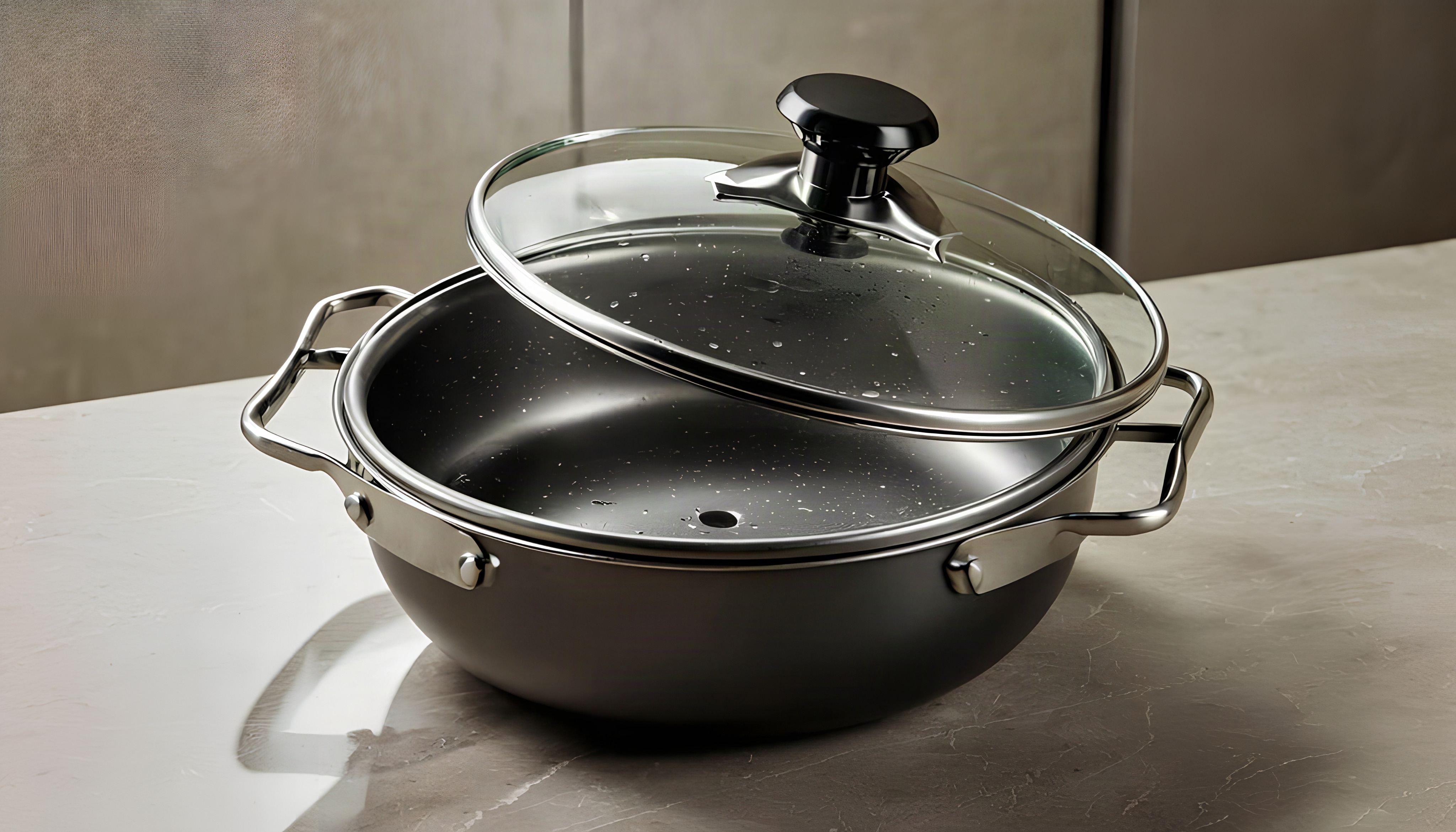
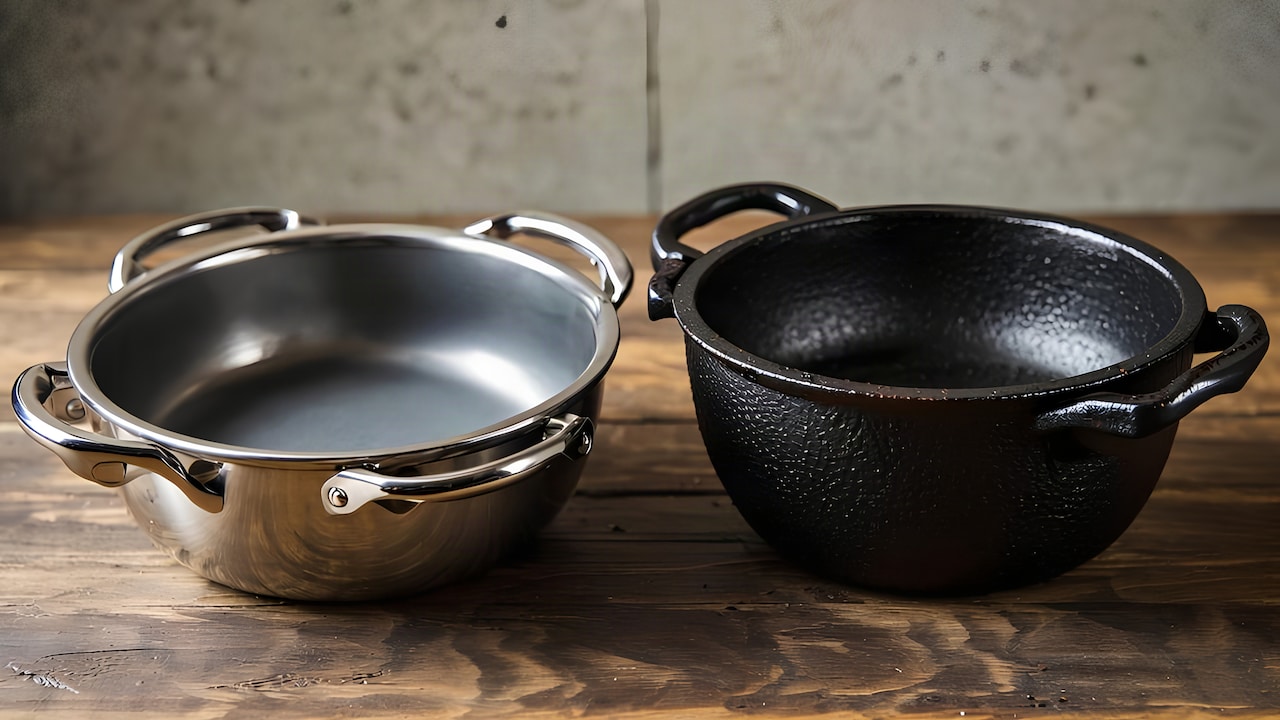
How Non-Stick And Cast-Iron Kadhais Actually Differ?; Photo Credit: iStock
How Non-Stick And Cast-Iron Kadhais Actually Differ?
These two types of kadhais behave very differently in the kitchen. Knowing those differences beforehand can save you from choosing cookware that does not suit the way you normally cook.
1. The Material Makes All The Difference
Most non-stick kadhais are made from aluminium and finished with a special coating, such as PTFE or ceramic. This smooth surface helps food release easily and makes cooking with less oil possible. Cast-iron kadhais are entirely different. They are heavy, solid and usually uncoated, relying instead on seasoning to develop a naturally smoother cooking surface over time.
Cast iron does need a little attention in the beginning. Proper seasoning and regular care are important. But once you get used to it, a good cast-iron kadhai can stay in the kitchen for years without losing its usefulness.
2. Weight And Handling
A non-stick kadhai is much lighter, easier to lift, move and handle during everyday cooking. This can be very useful if you find yourself cooking many dishes at the same time during the festive season.
Cast iron is much heavier. That can feel inconvenient to some people during long cooking sessions. But the weight also makes the kadhai more stable and helps it hold heat for longer. There is thus a clear tradeoff between convenience and performance.
Which Is Better For Festive Frying?
Both kadhais can be handy for the kind of frying that generally takes place during festivals. Still, they produce noticeably different results with the oil hot and several batches going in.
1. Heat Retention For Deep Frying
Cast iron is particularly effective at holding heat. Once the kadhai is properly hot, it will stay warm longer. This helps keep the temperature of the oil more stable, even when you add new dough or ingredients for the next batch.
That steady heat can make a real difference when frying snacks in large quantities. Food cooks more evenly, and the results are usually more consistent. While non-stick kadhais heat up faster, they also lose heat more quickly when cold ingredients are added.
2. Browning And Crispiness
If crispy, evenly browned snacks are the goal, cast iron usually has the advantage. Its ability to maintain high, steady heat can help pakoras, kachoris and other fried foods develop a deeper golden colour.
Non-stick cookware is convenient and works well for many dishes, but the results can sometimes be slightly less crisp when compared with cast iron. For serious festive frying, that difference may matter.
3. Oil Usage
Non-stick kadhais are useful for shallow frying and dishes where you want to use less oil. The smooth surface prevents food from sticking easily, which can make cooking simpler.
Cast iron may need a little more attention, especially when it is new and not properly seasoned. Over time, however, regular seasoning improves the cooking surface and makes it easier to work with. A well-used cast-iron kadhai often performs much better than people expect.
Durability And Long-Term Value
Festive cooking can be tough on cookware. High temperatures, repeated frying, stirring and long hours near the hob all take their toll. This is one area where the difference between non-stick and cast iron becomes quite clear.
1. How Long Non-Stick Kadhais Last
The non-stick coating is what makes this cookware so easy to use, but it also needs protection. Metal utensils, rough scrubbers and excessive heat can damage the surface over time.
With regular use, most non-stick kadhais eventually need replacing. Their lifespan depends a lot on how carefully they are handled. For festive cooking involving very high temperatures and long frying sessions, it is especially important not to overheat the pan.
2. Cast Iron As A Lifelong Investment
A good cast-iron kadhai can last for decades. There is no coating that can peel away, and the solid construction makes it extremely durable. With proper care, it can handle years of regular cooking.
The interesting part is that cast iron often improves with use. As the seasoning develops, the cooking surface becomes better over time. It is one reason cast-iron cookware has remained popular in many households for generations.
Safety, Maintenance, And Everyday Use
Both options need some care, although the type of maintenance is quite different. Your cooking habits can make one much more suitable than the other.
1. Cleaning And Upkeep
Non-stick kadhais are generally easy to clean. Warm water, a mild cleaner and a soft sponge are usually enough. Harsh scrubbers should be avoided, and using wooden or silicone utensils can help protect the coating.
Cast iron is a little more work. After washing, it should be dried properly to prevent rust, and a thin film of oil will help preserve the seasoning. At first, it may seem like more work, but once you get used to the routine, it becomes quick.
2. Cooking Safety Considerations
Don't overheat non-stick cookware, especially when the pan is empty. Some coatings can be damaged at very high temperatures and reduce the life of the cookware. It's always a sensible idea to follow the manufacturer's temperature and care instructions.
It is cast iron, not coated with a synthetic non-stick coating. One of the reasons many people love to use it for deep frying and heavy-duty cooking is that it can handle high cooking temperatures well. Overall, it depends on whether you prefer easy maintenance or long-term durability and high-heat performance.
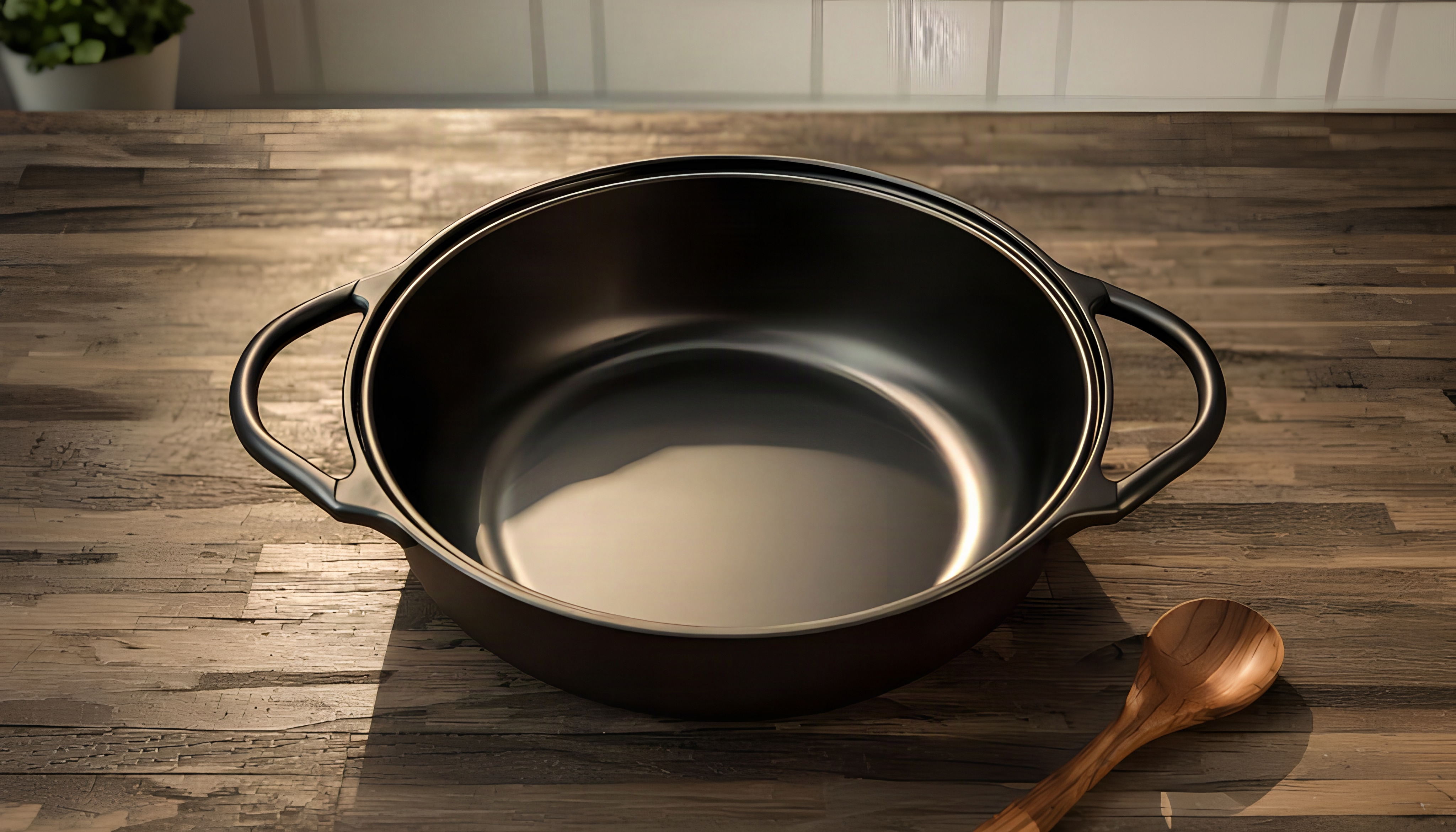
Some Products You May Like; Photo Credit: iStock
Some Products You May Like
1. Stahl Artisan Hybrid 2.4 L Non-Stick Kadai
2. The Indus Valley Super Smooth Cast Iron Kadai
3. Lifelong Non-Stick Frying Kadai
4. SOLARA Crownstone Premium Cast Iron Kadai
5. Amazon Solimo Non-Stick Kadhai
6. TRAMONTINA TITANEX Cast Iron Deep Kadai
7. Bergner Hi-Tech Tri-Ply Stainless Steel Non-Stick Kadhai
8. KROSLO Lightweight Cast Iron Kadhai
For festive frying, cast-iron kadhai wins for authentic taste, even heating, and crispy results, making it ideal for puris and pakoras. Non-stick is easier to clean and uses less oil. If you prioritize traditional flavour and durability, go cast-iron; for low-oil, hassle-free frying, non-stick is better. Shop now on Amazon.
Frequently Asked Questions (FAQs)
1. Is cast-iron kadhai good for deep frying?
Yes, a cast-iron kadhai is excellent for deep frying. It retains heat very well, which helps the oil stay at a more consistent temperature. This is especially useful when frying several batches of festive snacks.
2. Can I use a non-stick kadhai on a high flame?
In general, it is advisable not to use very high heat on a non-stick kadhai. High temperatures can damage the coating and reduce the cookware's life. Usually, medium to medium-high heat is preferable.
3. Does cast iron require a lot of maintenance?
Not much, but you have to stay on top of it. After washing, dry the kadhai properly and rub some oil on it to help prevent rust and maintain the seasoning. Once you have it in your routine, it only takes a few minutes.
4. Which kadhai is better for beginners?
A non-stick kadhai is usually easier for beginners because it is lighter, simple to clean and does not require seasoning. Cast iron requires a little practice, but it can be a good choice for anyone who cooks regularly.
5. Can I use metal spoons in a cast-iron kadhai?
Yes, metal spoons and spatulas can generally be used with cast iron. Unlike non-stick cookware, cast iron has no delicate coating that metal utensils can scratch. Just remember to maintain the seasoning properly for the best long-term performance.
(Disclaimer: This article may include references to or features of products and services made available through affiliate marketing campaigns. NDTV Convergence Limited (“NDTV”) strives to maintain editorial independence while participating in such campaigns. NDTV does not assume responsibility for the performance or claims of any featured products or services.)