Open Or Closed Shoe Rack Cabinet: Which One Reduces Dust Buildup Better At Home?
Choosing between an open and a closed shoe rack cabinet? Discover which option actually reduces dust buildup better, while balancing ventilation, maintenance, and everyday practicality for modern homes.

Open Or Closed Shoe Rack Cabinet: Which One Helps Reduce Dust Buildup Better? Find Out Now.
Every home has a corner where footwear gathers like a small crowd waiting for attention. Sometimes it sits near the entrance, sometimes tucked beside a staircase, and occasionally squeezed into a balcony. No matter the location, one common complaint appears again and again: dust.
Dust arrives uninvited. It settles overnight, sneaks through windows, rides in with traffic pollution, and clings stubbornly to shoes after a single outing. Many households sweep floors daily, yet still find a thin layer coating on sandals and sneakers by evening. That frustration often leads to a familiar question: Should shoes stay in an open rack for ventilation or inside a closed cabinet for protection?
Furniture stores showcase sleek cabinets priced anywhere between ₹3,000 and ₹20,000, promising organisation and cleanliness. However, design alone does not guarantee less dust. Climate, airflow, usage habits, and even family routines influence the outcome.
Understanding the difference between open and closed shoe racks goes beyond appearance. It touches hygiene, convenience, maintenance effort, and the subtle psychology of entering a tidy home. This discussion breaks down the realities behind both options and reveals which one genuinely reduces dust buildup better.
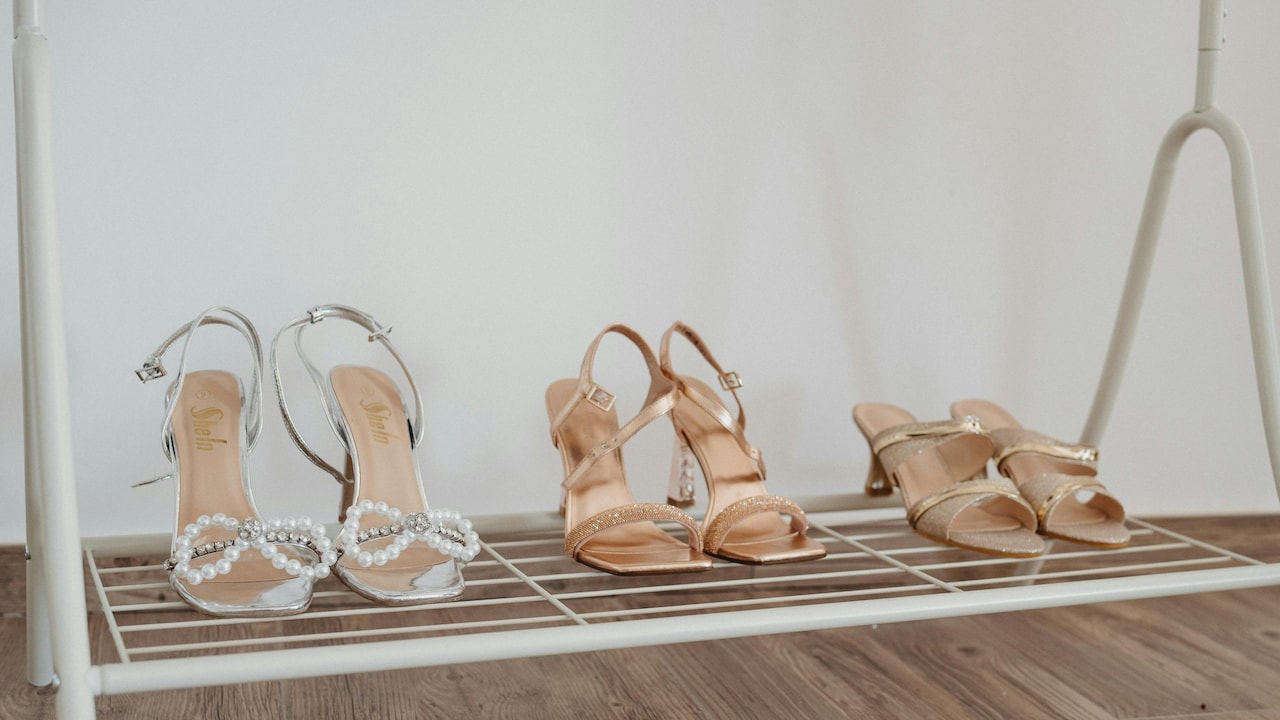
Open Vs Closed Shoe Rack Cabinets: Best Choice To Keep Shoes Dust-Free
Photo Credit: Pexels
Open Or Closed Shoe Rack Cabinet: What Really Determines Dust Control
Understanding How Dust Actually Enters Homes
Dust rarely comes from one source. It forms from outdoor particles, fabric fibres, soil residue, and microscopic debris carried through air movement. Urban homes especially face constant exposure due to traffic, construction activity, and dry weather cycles. Even high-rise apartments experience dust because wind currents travel surprisingly far.
Shoes become natural collectors. A short walk to buy vegetables or catch transport can coat the soles with fine particles. Once placed indoors, these particles slowly disperse. An open shoe rack allows airflow to circulate freely, which sounds beneficial, but also means dust settles continuously on exposed surfaces.
Closed cabinets create a barrier against airborne particles. Doors limit direct exposure, reducing how much fresh dust reaches stored footwear. However, dust already present inside remains trapped unless cleaned regularly. This creates an interesting paradox: open racks accumulate dust faster, while closed cabinets store existing dust longer.
The real issue lies in movement. Each time someone walks past, airflow shifts slightly, lifting particles into the air. Homes near busy roads experience this effect more strongly. Understanding this invisible movement explains why some racks look dusty within hours despite daily cleaning. Dust control, therefore, depends not just on furniture type but on how effectively storage interrupts airflow.
Open Shoe Rack Cabinets And Everyday Accessibility
Open shoe racks appeal because of their simplicity. Shoes slide in quickly after a long day, without bending, unlocking, or rearranging. In households where mornings begin with urgency, this ease feels priceless.
Ventilation stands as the biggest advantage. Shoes dry faster, especially during monsoon months when moisture becomes unavoidable. Damp footwear stored openly avoids unpleasant odours since air circulates freely. Families with school-going children or outdoor workers often appreciate this practicality.
Yet openness comes at a cost. Dust settles directly onto shoes, particularly lighter footwear such as slippers and sports shoes. Within two days, surfaces may appear dull or grey. Regular wiping becomes necessary, adding another chore to already busy routines.
Another subtle drawback appears during cleaning. Sweeping nearby floors pushes dust upward, and open racks receive the full impact. Even ceiling fans contribute by circulating particles downward.
Despite these challenges, open racks suit households where footwear rotates frequently. When shoes rarely stay unused for long, dust accumulation feels less noticeable. Accessibility outweighs protection, especially in compact homes where convenience shapes daily comfort.
Closed Shoe Rack Cabinets And Protective Storage
Closed shoe cabinets promise neatness at first glance. Doors conceal visual clutter instantly, creating a cleaner entrance area. Guests notice calm organisation instead of scattered footwear, which adds psychological satisfaction beyond hygiene.
From a dust-control perspective, closed cabinets perform better in preventing external accumulation. Doors block direct airflow, reducing exposure to airborne particles. Shoes stored inside generally remain cleaner for longer periods compared to open racks.
However, protection introduces new considerations. Without ventilation gaps, moisture may linger. During humid weather, closed cabinets can trap dampness, encouraging odour buildup if shoes enter while wet. Quality designs often include vents or slatted panels to balance protection with airflow.
Maintenance also shifts rather than disappears. Dust gathers inside slowly and requires periodic deep cleaning. Ignoring this step leads to hidden grime that transfers back onto shoes.
Closed cabinets work particularly well for households where footwear includes formal shoes, occasion wear, or expensive pairs costing ₹5,000 or more. Protection preserves appearance and reduces cleaning frequency. The cabinet acts almost like a shield, guarding shoes from daily environmental exposure.
Climate And Seasonal Impact On Dust Buildup
Weather quietly influences furniture performance more than design brochures admit. Dry seasons bring fine airborne particles that travel effortlessly indoors. During these months, open racks struggle to stay clean regardless of frequent sweeping.
Monsoon introduces the opposite challenge. Moisture replaces dust as the primary concern. Shoes return home damp, sometimes muddy, and require airflow to dry properly. Closed cabinets without ventilation quickly develop musty smells, turning dust protection into a hygiene issue.
Winter months in many regions combine cooler air with increased indoor activity. Windows remain partially closed, reducing airflow. Under such conditions, closed cabinets perform exceptionally well because external dust entry decreases.
Seasonal adaptability, therefore, matters. Some households alternate storage habits, leaving cabinet doors slightly open during humid weeks and closing them tightly during dry periods. This flexible approach often works better than rigid loyalty to one design.
Furniture choice should acknowledge climate realities rather than trends. A cabinet that performs perfectly in an air-conditioned showroom may behave differently in a naturally ventilated home exposed to changing seasons.
Maintenance Effort And Daily Cleaning Habits
Furniture decisions often revolve around cleaning effort rather than aesthetics. A shoe rack that demands constant attention soon becomes frustrating.
Open racks require frequent wiping. Dust remains visible, prompting action almost daily. While this may seem inconvenient, visibility encourages cleanliness. Many households maintain tidier footwear simply because dirt cannot hide.
Closed cabinets reduce visible dust, which creates a sense of relief. Yet hidden spaces risk neglect. Without routine checks, accumulated dirt builds silently. Periodic emptying and cleaning become essential but are often postponed.
Time investment differs subtly. Open racks demand short, frequent cleaning sessions, while closed cabinets require occasional but longer maintenance routines. Choosing between the two depends on lifestyle rhythm.
Families with domestic help may prefer closed cabinets since weekly deep cleaning fits structured schedules. Individuals managing household chores alone may find quick daily wiping easier than large cleaning tasks.
Ultimately, dust reduction connects closely with behaviour. Even the most advanced cabinet cannot compensate for inconsistent maintenance habits.
Space Planning And Entryway Design Influence
The entrance area shapes how dust behaves. Narrow corridors, shared entrances, and balcony placements each affect airflow patterns differently.
Open racks suit airy spaces where natural ventilation disperses particles rather than concentrating them. When positioned away from direct doorways, they collect less dust than expected. Placement matters more than design in such cases.
Closed cabinets excel in compact entryways where movement constantly stirs dust. Doors prevent immediate settling on shoes despite frequent activity nearby. Slim vertical cabinets also maximise storage without crowding limited space.
Design harmony plays a psychological role, too. A clutter-free entrance often encourages better habits, such as removing shoes immediately instead of walking indoors. This indirectly reduces dust across the home.
Modern apartments increasingly integrate shoe cabinets into wall units, blending storage with décor. While aesthetics attract buyers, functional placement determines effectiveness. A well-positioned rack, whether open or closed, reduces dust far more efficiently than a poorly placed expensive cabinet costing ₹15,000.
Odour Control Versus Dust Protection
Dust rarely travels alone; odour follows closely behind. The debate between open and closed racks often becomes a balancing act between freshness and cleanliness.
Open racks allow air circulation, preventing stale smells. Sports shoes and daily wear benefit greatly from exposure to fresh air. Households with active lifestyles notice fewer odour issues with open storage.
Closed cabinets prioritise protection but require ventilation features. Without them, trapped moisture encourages bacterial growth. Modern cabinets sometimes include perforated panels or charcoal inserts to manage airflow.
Interestingly, dust itself contributes to odour. Accumulated particles absorb moisture and create a faint mustiness over time. Therefore, dust control indirectly supports freshness.
A practical solution combines habits with design. Allowing shoes to air-dry briefly before storing them inside a cabinet maintains both cleanliness and hygiene. This small routine transforms closed cabinets into highly effective storage systems without sacrificing freshness.
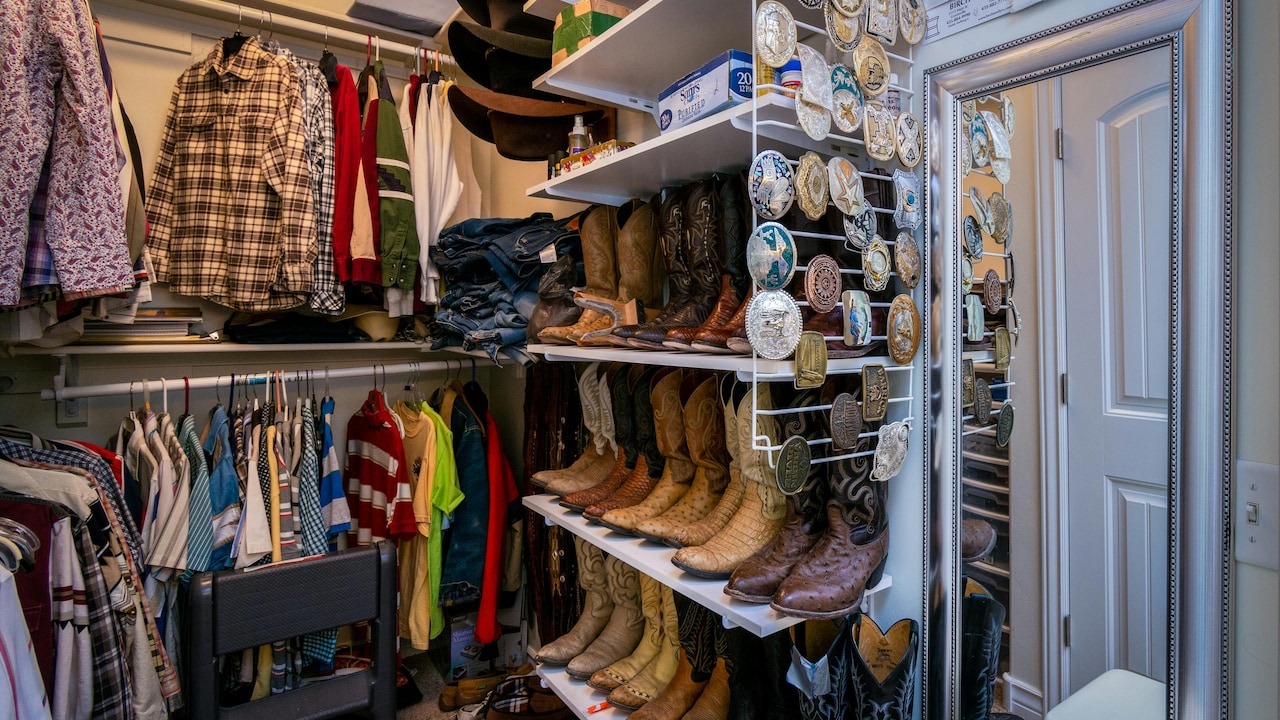
Open Vs Closed Shoe Rack Cabinets: Best Choice To Keep Shoes Dust-Free
Photo Credit: Pexels
Material Choice And Its Role In Dust Resistance
Not all cabinets behave the same. Material selection influences how dust settles and how easily surfaces can be cleaned.
Metal racks attract less static electricity, meaning dust clings less stubbornly. A quick wipe often restores shine. Wooden cabinets, especially matte finishes, may hold fine particles more visibly but offer warmth in appearance.
Engineered wood cabinets remain popular due to affordability, often priced between ₹4,000 and ₹12,000. Laminated surfaces resist dust adhesion better than raw wood, making cleaning easier.
Glass-front cabinets look elegant yet reveal dust instantly, requiring frequent polishing. Meanwhile, fabric-covered racks protect shoes but trap dust within fibres, demanding washing instead of wiping.
Material choice also affects longevity. Dust combined with moisture gradually damages low-quality materials. Investing in durable finishes reduces long-term maintenance effort and preserves appearance.
The best dust-reducing cabinet, therefore, balances enclosure, ventilation, and easy-to-clean surfaces rather than relying solely on open or closed design categories.
Lifestyle Patterns And Household Behaviour
Furniture adapts to people, not the other way around. A household's routine determines which shoe rack performs better.
Busy mornings favour open racks because speed matters more than protection. Shoes return and leave quickly, minimising prolonged exposure to dust. Families with children often prioritise accessibility over perfection.
Minimalist households with fewer footwear pairs benefit from closed cabinets. Organised storage keeps rarely used shoes clean for longer periods, reducing preparation time before special occasions.
Social habits also influence outcomes. Homes that frequently welcome visitors experience increased foot traffic, bringing extra dust indoors. Closed cabinets offer clear advantages in such environments.
Even personal preferences play a role. Some people enjoy visible organisation, while others prefer concealed storage. Comfort with daily habits ensures consistent use, which ultimately determines cleanliness.
Choosing between open and closed racks, therefore, reflects lifestyle identity as much as dust control strategy.
Which Option Truly Reduces Dust Buildup Better?
After considering airflow, climate, maintenance, and behaviour, one conclusion emerges clearly. Closed shoe rack cabinets reduce dust buildup more effectively overall. Their enclosed structure limits exposure to airborne particles and protects footwear from constant environmental contact.
However, effectiveness depends on thoughtful use. Cabinets must include ventilation or allow occasional airing to prevent moisture issues. Without this balance, dust protection may compromise hygiene.
Open racks remain practical in humid conditions or highly active households. They simplify routines and prevent odour, but require consistent cleaning effort.
The ideal solution often combines both approaches. Daily-use footwear may stay on an open rack for convenience, while formal or seasonal shoes rest inside a closed cabinet. This hybrid method aligns protection with practicality.
Rather than choosing based purely on trends, understanding household needs leads to better outcomes. Dust reduction succeeds when storage design supports real-life habits instead of fighting against them.
Products Related To This Article
1. Stylish Multi-Layer Shoe Rack with Dustproof Doors and Side Hooks
2. STELITE 5-Layer Plastic Shoe Rack for Home
3. AYSIS Premium Modular Plastic Shoe Rack for Home with Door
4. Shoe Rack with Shelf, Folding Shoe Rack for Bedroom
5. Green Soul Fortuna 3 Door | Engineered Wood
6. SOLEMATE 5-Tier Metal Shoe Rack | for Home
7. Zemic Plastic Shoe Rack for Home
A shoe rack cabinet may appear like a minor furnishing decision, yet it quietly shapes cleanliness, organisation, and everyday comfort. Dust accumulation reflects not only furniture design but also climate, placement, and lifestyle rhythms.
Closed cabinets provide stronger defence against dust, making them the better choice for long-term protection. Open racks, however, excel in ventilation and convenience, proving valuable for frequently used footwear.
The smartest homes rarely follow extremes. They adapt, combining accessibility with protection and adjusting habits across seasons. A well-chosen shoe rack does more than organise footwear; it creates a smoother transition between the outside world and the calm of home.
In the end, the question extends beyond open or closed storage. It becomes a reflection of how thoughtfully a home manages daily life, balancing practicality, cleanliness, and the quiet satisfaction of stepping into a space that feels cared for.
(Disclaimer: This article may include references to or features of products and services made available through affiliate marketing campaigns. NDTV Convergence Limited (“NDTV”) strives to maintain editorial independence while participating in such campaigns. NDTV does not assume responsibility for the performance or claims of any featured products or services.)