Perfectly Season Cast Iron Skillets For A Non-Sticky Finish Without Oily Residue
Get a smooth, non-sticky cast iron skillet without greasy residue. Learn the right oil, heat, and layering method to build strong seasoning that lasts through everyday cooking.
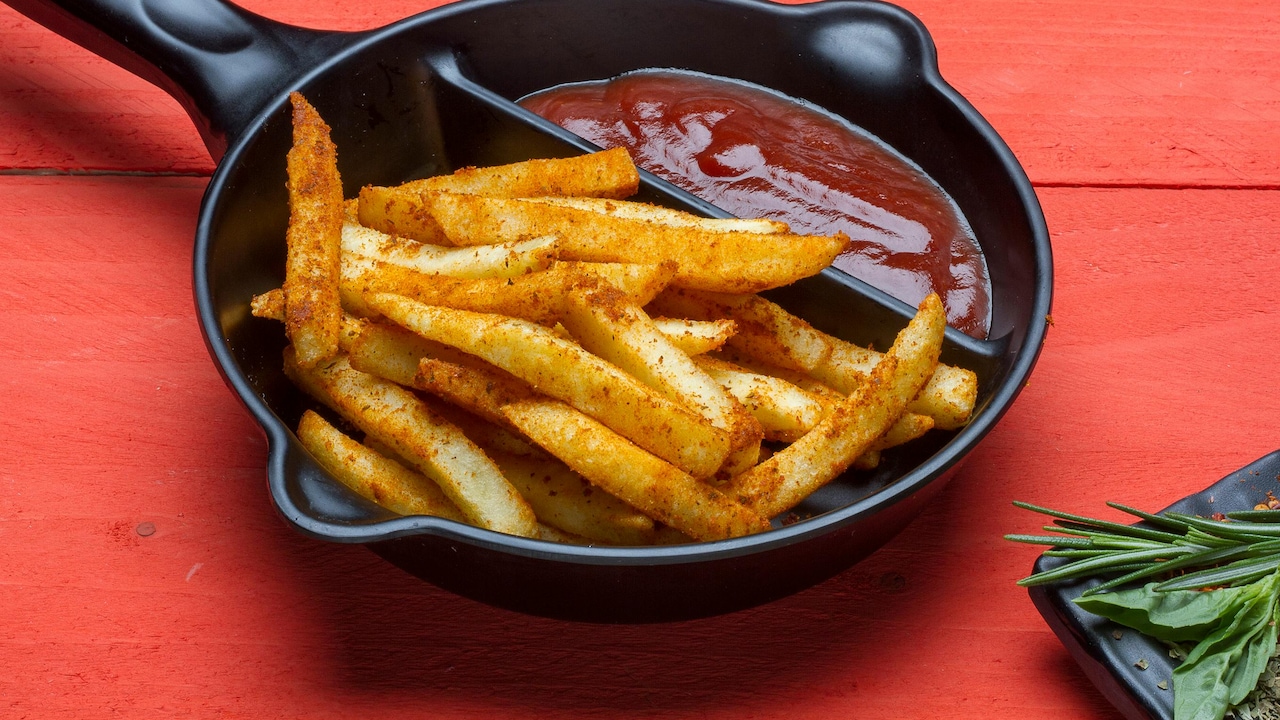
Follow this perfect cast iron seasoning guide with 10 easy steps for a smooth, nonsticky skillet.
Cast iron cookware has earned quiet respect in many kitchens. It does not shout for attention. It simply works, provided it receives the right care. Seasoning stands at the heart of this relationship. A properly seasoned skillet cooks evenly, releases food easily, and ages with grace. Yet many people struggle with sticky surfaces, oily smells, or food that clings like a stubborn relative overstaying a visit.
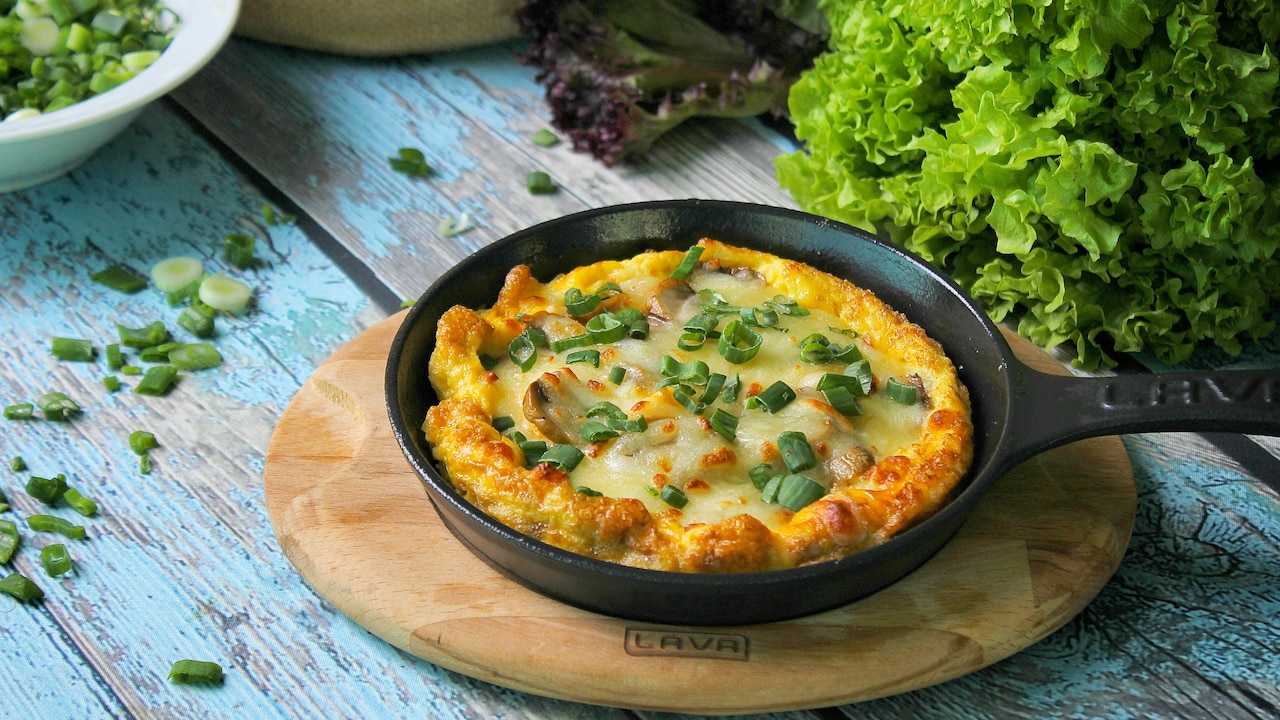
Season your cast iron skillet the right way with these simple tips; Photo Credit: Pexels
Seasoning often gets reduced to vague advice: add oil, heat it, repeat. That approach leads to confusion and frustration. A skillet should feel dry and smooth to the touch, not slick like a frying pan left in a pool of oil. The goal remains simple. Create a natural, polymerised layer that protects the iron and welcomes food.
This article walks through ten practical, friendly steps to achieve that balance. The focus stays on clarity, comfort, and habits that fit everyday cooking. From choosing the right oil to fixing common mistakes, each section builds confidence. With patience and a little heat, cast iron rewards loyalty in ways modern cookware rarely does.
Also Read: Top Cast Iron Cookware Tips And 10 Best Deals On Amazon From Prestige, Indus Valley To Meyer
The Simple Method To Get A Smooth, Non-Sticky Cast Iron Finish
1. Understanding What Seasoning Really Means
Seasoning does not mean flavouring the pan. It means bonding oil to iron using heat until it forms a hard, protective layer. This layer acts like a natural non-stick coating without chemicals or shortcuts. Many kitchen myths suggest soaking a skillet in oil or rubbing it till it shines. That approach leaves residue and attracts dust.
A well-seasoned skillet looks dark and matte, not glossy. It feels dry but smooth, like polished stone after years of use. Heat triggers a process called polymerisation, where oil changes structure and clings firmly to the metal. This process needs thin layers and high heat.
Think of seasoning like building strength through steady habits rather than sudden effort. One heavy coat of oil behaves like too much hair gel on a humid day. It slides, smells, and disappoints. Several light coats create resilience. Once this idea clicks, half the battle ends. Seasoning becomes a method, not a mystery, and the skillet starts behaving like a trusted kitchen ally.
2. Choosing the Right Oil Without Overthinking It
Oil selection sparks endless debate, yet the solution remains simple. The best oil for seasoning handles high heat and stays neutral. Refined vegetable oil, sunflower oil, or rice bran oil fit this role well. These oils smoke at higher temperatures and polymerise evenly.
Avoid strongly flavoured oils for seasoning. Mustard oil carries a bold aroma that lingers. Ghee feels tempting but contains milk solids that burn and create patchy layers. Cold-pressed oils suit cooking, not seasoning.
The key lies in quantity rather than price. A few drops spread thin outperform a generous pour every time. Use a cloth or kitchen towel to wipe oil across the surface, then wipe again till the pan almost looks bare. That second wipe feels counterintuitive, but it prevents stickiness later.
Seasoning thrives on restraint. The right oil used sparingly creates a durable surface that improves with every meal, whether frying eggs or roasting vegetables on a slow Sunday afternoon.
3. Cleaning the Skillet Before Seasoning Properly
Seasoning over grime traps problems under the surface. A clean start ensures success. Wash the skillet with warm water and mild soap if needed. Modern advice no longer bans soap. Gentle cleaning removes old residue without harming the iron.
Use a stiff brush or coarse salt for stuck bits. Avoid soaking the pan for long periods. Water and cast iron share a tense relationship. Dry the skillet immediately using a cloth or by placing it on low heat for a few minutes.
Any moisture left behind invites rust, which ruins seasoning efforts. Once dry, allow the pan to cool slightly before oiling. Applying oil to a hot pan causes uneven spread and wasted effort.
This cleaning step feels basic, yet skipping it leads to disappointment. A well-prepared surface allows seasoning to bond properly. It sets the stage for a smooth, non-sticky finish that feels earned rather than accidental.
4. Mastering Heat for a Clean, Dry Finish
Heat transforms oil into seasoning. Without enough heat, oil stays oil. Too much heat burns it into flakes. Balance matters. Preheat the oven or stovetop till it reaches a steady, moderate-high temperature.
For oven seasoning, place the skillet upside down to prevent oil pooling. Use a tray below to catch drips. Heat the pan for about an hour, then let it cool gradually. Sudden cooling can stress the iron.
On the stovetop, move the pan gently over the flame to distribute heat evenly. Watch for light smoke. That signal means polymerisation has started. Heavy smoke suggests excess oil or too much heat.
Patience pays off here. Rushing the process leads to sticky patches and frustration. Controlled heat builds a resilient layer that feels dry and reliable. Over time, this method turns the skillet into a low-maintenance partner rather than a demanding project.
5. Building Layers Slowly for Long-Term Results
Seasoning improves through repetition, not force. One session helps. Several sessions transform. Each thin layer bonds with the previous one, creating depth and durability.
Allow the skillet to cool completely between layers. Rushing leads to uneven textures. Two or three rounds during the first week establish a solid base. After that, regular cooking maintains it naturally.
Foods cooked in oil, like shallow-fried vegetables or dosa batter, reinforce seasoning. Acidic dishes like tomato gravies deserve caution during the early stages. Acids weaken fresh seasoning and cause dull spots.
Think of seasoning like breaking in a new pair of shoes. Gentle use shapes it to comfort. Aggressive treatment causes blisters. With steady care, the skillet adapts beautifully and starts releasing food with ease.
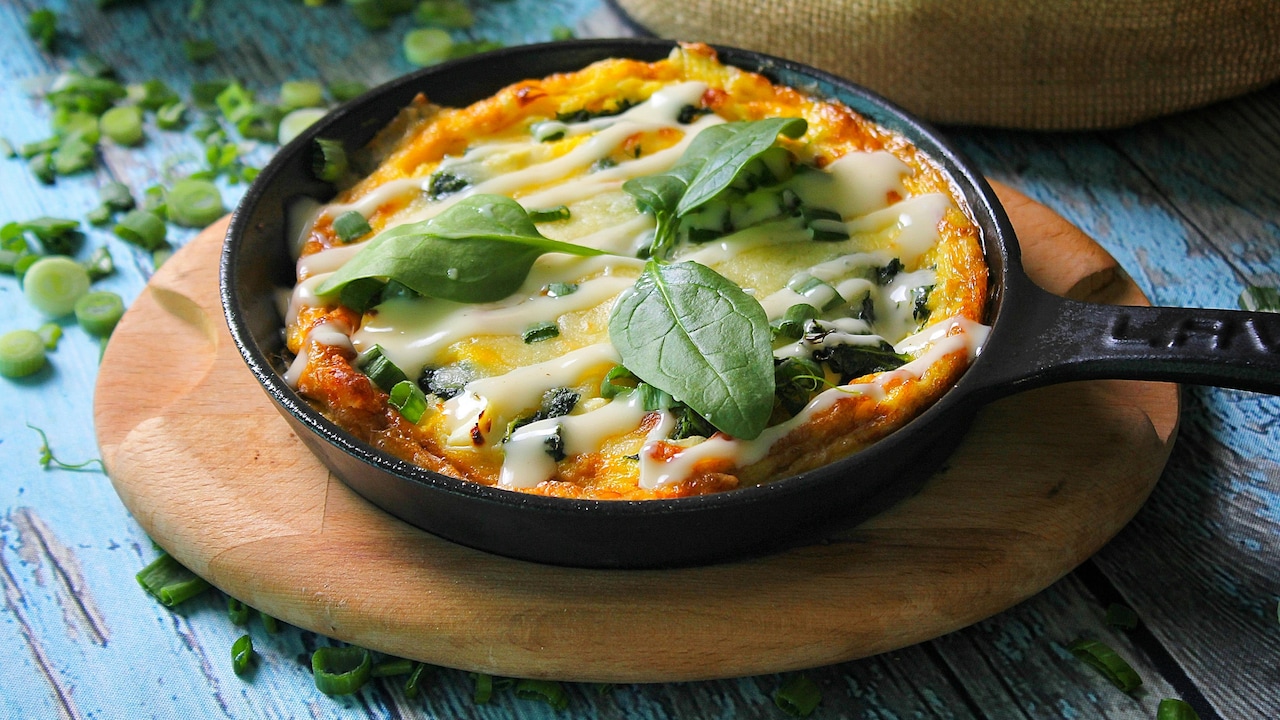
Always allow the skillet to cool completely between seasoning again; Photo Credit: Pexels
6. Avoiding Common Mistakes That Cause Stickiness
Sticky skillets often result from good intentions gone wrong. Too much oil tops the list. Excess oil never polymerises fully and stays tacky. Wipe more than seems necessary.
Low heat also causes problems. Oil needs sufficient temperature to bond. Underheated seasoning sessions create soft layers that grab food.
Skipping drying steps invites rust beneath seasoning. That rust disrupts smoothness and causes flaking. Another mistake involves storing the pan with a lid on. Trapped moisture undoes hard work quietly.
Correcting these habits restores confidence. Strip sticky layers gently using hot water and scrubbing, then start again with thin coats. Cast iron forgives mistakes. Learning from them makes the process less intimidating and more satisfying.
7. Daily Cooking Habits That Strengthen Seasoning
Seasoning does not end after the first week. It grows with use. Simple habits keep it strong. Preheat the skillet before adding food. Cold pans invite sticking.
Use enough oil during cooking, especially in the early months. Dry cooking strains the surface. Clean the pan while warm, not hot. Food residue comes off easily then.
After washing, dry the skillet and rub a tiny drop of oil across the surface. Heat it briefly and let it cool. This habit takes less than two minutes and prevents rust.
Treat the skillet with respect rather than fear. It enjoys regular use. Over time, it develops a dark, smooth patina that feels almost alive. That character comes from meals shared and routines repeated.
8. Fixing a Skillet That Smells or Feels Oily
An oily smell signals unpolymerised oil. Heat the skillet empty on medium flame until the smell fades. This step often solves the issue quickly.
If the surface feels greasy, wipe it thoroughly and reheat. Avoid adding more oil until the existing layer stabilises. For persistent problems, scrub lightly with salt and restart seasoning with thinner coats.
Storage matters too. Keep the skillet in a dry space with airflow. Avoid stacking wet utensils inside. Moisture lingers and reacts with oil, causing unpleasant odours.
These fixes restore balance without drastic measures. Cast iron responds well to correction when handled calmly. Small adjustments often bring big improvements.
9. Knowing When Seasoning Is Actually Done
A seasoned skillet never reaches a final finish. It evolves. Still, certain signs show readiness. Food releases easily. The surface looks even and dark. Touching it feels dry and smooth.
Eggs sliding without protest offer a clear test. No excessive smoke during cooking suggests stability. A faint sheen, not gloss, indicates success.
Stop chasing perfection. Minor marks and colour variations tell a story of use. That story adds charm rather than flaws. Trust the process and let cooking do the rest.
Confidence replaces anxiety once these signs appear. The skillet becomes reliable, not temperamental, and cooking feels effortless again.
10. Making Cast Iron a Comfortable Part of Everyday Cooking
Cast iron fits seamlessly into daily meals when approached with ease. Use it for breakfast omelettes, evening stir-fries, or slow-cooked sabzis. Avoid saving it only for special dishes.
Involve family members in care routines. Teach simple steps like drying after washing. Shared responsibility builds respect for the tool.
Over time, the skillet becomes familiar. Its weight feels reassuring. Its surface improves quietly. That relationship turns cooking into a grounding ritual rather than a chore.
Cast iron rewards consistency. With the right seasoning habits, it delivers non-sticky results without oily residue, day after day.
Products Related To This Article
1. The Indus Valley Pre-Seasoned Cast Iron Skillet
2. Meyer Pre-Seasoned Cast Iron Frypan | Cast Iron Skillet
3. BERGNER Eco Cast Iron 15cm Skillet
4. SOLARA Crownstone Premium Cast Iron Frying Pan 8 Inch
5. Lifelong Cast Iron Fry Pan 8 Inch (200mm) with Wooden Spatula
Perfectly seasoned cast-iron skillets do not demand expertise or expensive products. They ask for patience, restraint, and understanding. Thin layers, steady heat, and everyday care create a surface that performs beautifully and ages with dignity.
Mistakes happen, yet cast iron forgives generously. Each correction teaches something useful. Over time, the skillet becomes easier to handle and more enjoyable to cook with.
A non-sticky finish without oily residue feels satisfying because it reflects mindful effort. Meals taste better when cooked on a surface shaped by care. With these simple steps, cast iron stops feeling intimidating and starts feeling like home.
(Disclaimer: This article may include references to or features of products and services made available through affiliate marketing campaigns. NDTV Convergence Limited (“NDTV”) strives to maintain editorial independence while participating in such campaigns. NDTV does not assume responsibility for the performance or claims of any featured products or services.)












![Steam Iron Teflon Shoe Cover for ES-300,ST-96 [Only For ES-300 and ST-96 Model Electric Steam Irons]](https://m.media-amazon.com/images/I/51wwkttondL._SL160_.jpg)