Best Bath Towels For Comfort: GSM Explained And Why Texture Differs
Buying bath towels? Understand GSM, cotton types and weave styles so you can choose towels that feel soft, absorb well, and stay comfortable after washing.
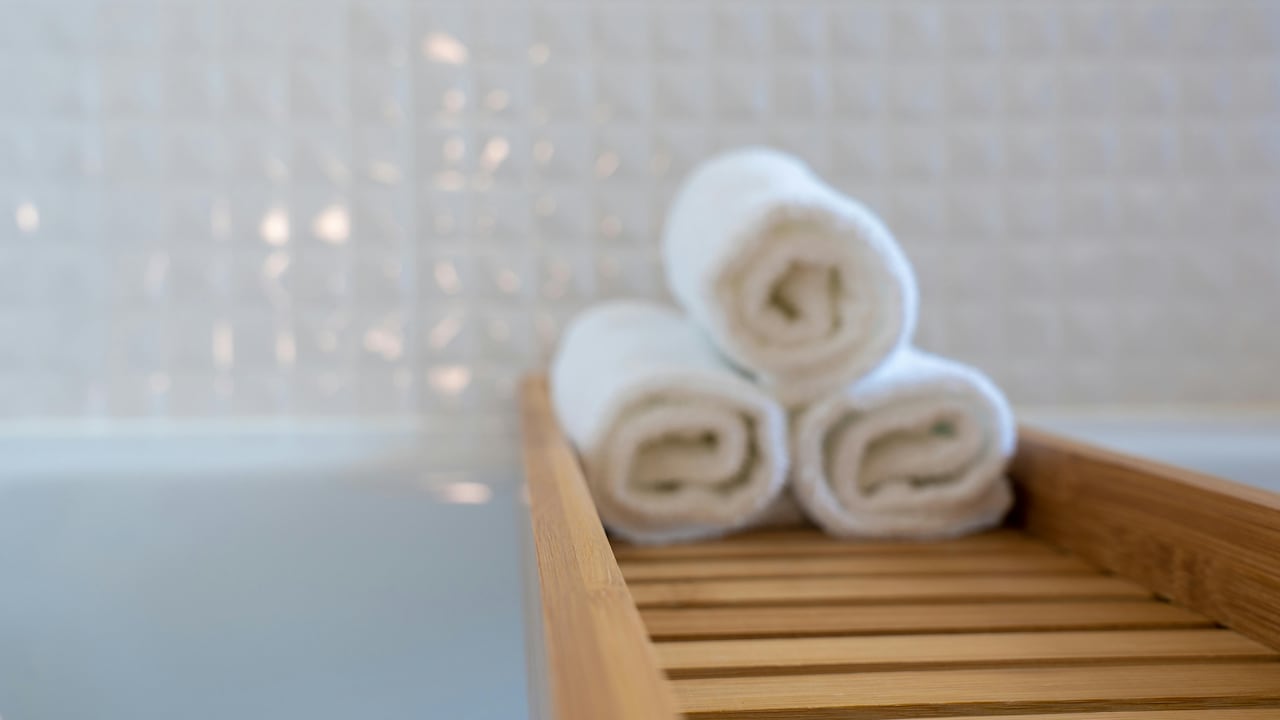
Best Bath Towels for Comfort: Understanding GSM, Texture Differences, and What Makes Towels Luxurious.
A bath towel is one of those quiet heroes of daily life. It shows up when the day begins with a rushed shower, when a long workday ends with a hot bucket bath, and when monsoon humidity makes everything feel damp for no reason. A good towel feels comforting, dries fast enough, and stays friendly on the skin even after months of washing.
But towel shopping has become oddly technical. GSM numbers get thrown around like exam scores. Words like “combed cotton” and “ring-spun” appear as if everyone has a textile degree. And then there's the most confusing part: two towels with the same GSM can still feel completely different.
This is where understanding GSM and texture stops being “extra knowledge” and becomes the difference between buying a towel you love and buying one you tolerate. The good news is that it's not complicated. It just needs to be explained like a human would explain it.
Best Bath Towels For Comfort: GSM Explained And Why Texture Differs
Photo Credit: Pexels
GSM, Texture And the Real Secret Behind A Comfortable Towel
1) GSM, Explained Like a Normal Person
GSM stands for “grams per square metre”. It tells how much the towel fabric weighs. Think of it as density rather than size. A towel with a higher GSM usually has more cotton packed into it, which often means it feels thicker and plusher.
A 300–400 GSM towel tends to be lightweight and quick-drying. It works well for everyday use, gym bags, travel, or homes where towels never fully dry because the bathroom behaves like a steam room. A 450–600 GSM towel sits in the comfort sweet spot. It feels soft, absorbs well, and still dries without taking all day. Towels above 650 GSM start leaning into “spa luxury”. They feel like a warm hug, but they can stay damp longer, especially during the monsoon.
GSM is not a quality certificate. It is only one clue. A towel can be high GSM and still feel rough if the cotton or weave is poor. GSM helps shortlist. The rest decides whether it becomes a favourite or a regret.
2) Why Two Towels With the Same GSM Feel Different
This is the part that makes people suspicious of towel shopping. A 500 GSM towel from one brand feels fluffy and smooth. Another 500 GSM towel feels stiff, heavy, and strangely scratchy. Same number, different experience.
Texture depends on more than weight. It depends on yarn quality, how the cotton fibres are spun, and how the loops are formed. Some towels use long, smooth fibres that create softer loops. Others use shorter fibres that poke out and create that dry, rough feeling, especially after washing.
Finishing also matters. Some towels feel amazing in the store because they have been treated with softeners. After two washes, the softness disappears, and the real texture shows up like an uninvited relative.
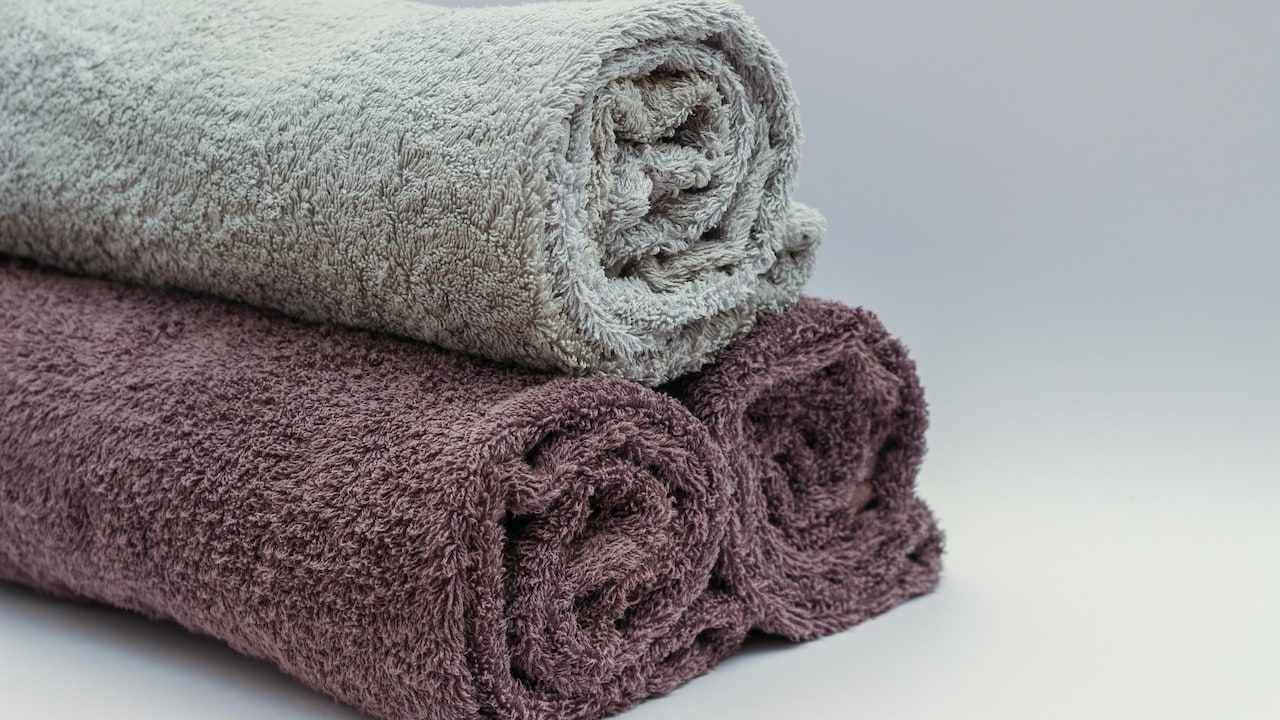
Even colour can affect feel. Dark dyes and heavy chemical processing can make fibres stiffer. That's why a deep maroon towel sometimes feels less airy than the same towel in white or pastel.
So yes, GSM is useful. But it's like judging a mango by weight. Helpful, but not enough to guarantee sweetness.
3) The Comfort Zone: Picking GSM for Real Homes
In real life, towels don't live in perfect hotel conditions. They live in bathrooms where ventilation is questionable, where drying racks are crowded, and where laundry gets done on weekends because weekdays are chaos.
For most households, the most comfortable range is around 450–600 GSM. It offers a balance: soft enough to feel comforting, absorbent enough to dry properly, and not so thick that it stays damp for hours.
If the home has high humidity or poor airflow, slightly lower GSM can actually feel better because the towel stays fresher. A towel that doesn't dry fully starts smelling odd. Nobody wants to wrap themselves in that.
For colder regions, thicker towels feel more satisfying, especially in winter when stepping out of a hot bath feels like being personally attacked by cold air. In coastal cities, a medium towel that dries quickly often wins.
Comfort isn't just about softness. It's also about how the towel behaves between washes. The best towel is the one that stays pleasant, not the one that peels on day one.
4) Loop Length: The Hidden Reason Plush Towels Feel Plush
That fluffy towel look comes from loops. Most bath towels are terry towels, meaning they have looped threads on the surface. Those loops create absorbency and that classic “towel feel”.
Longer loops feel plusher and softer. They also absorb more water because they have more surface area. But long loops snag more easily. One sharp fingernail or a rough zipper, and suddenly the towel has pulled threads as it fought with a cactus.
Shorter loops feel tighter and smoother. They are more durable and less likely to snag. They also dry faster. Many everyday towels use shorter loops because they survive heavy use.
The texture difference can be dramatic. Two towels may have the same GSM, but one has long loops and feels like a cloud, while the other has compact loops and feels more structured.
The best approach is to match loop style to lifestyle. If the towel is for guests or for a calm, low-chaos bathroom, plush loops feel wonderful. If the towel is for daily use, especially in a busy home, tighter loops often stay nicer for longer.
5) Cotton Types: Not All Cotton Feels the Same
Towel labels love the word “cotton” because it sounds reassuring. But cotton quality varies massively. This is where softness and durability are often decided.
Long-staple cotton has longer fibres. It spins into smoother yarn. That smoothness makes towels softer, less prone to pilling, and more durable over time. Egyptian cotton and Pima cotton are famous examples, but many towels don't clearly state fibre length. Some simply say “premium cotton” and hope nobody asks questions.
Combed cotton is cotton that has been processed to remove short fibres and impurities. It feels smoother and tends to shed less lint. Ring-spun cotton is made by twisting fibres in a way that creates stronger, finer yarn. This often feels softer and more flexible.
Then there's bamboo blends. These can feel silky and absorbent, but quality varies. Some feel wonderful. Some feel slippery at first and then turn rough after repeated washing.
Cotton type affects texture more than most people realise. GSM might tell how thick the towel is. Fibre quality tells whether it will feel good next month.
Also Read: 7 Best Cotton Kitchen Towels That Absorb Fast And Dry Faster
6) Weave Style: Terry vs Waffle vs Velour (And Why It Matters)
Most people picture a towel as terry: looped, fluffy, absorbent. But the towel texture changes drastically with weave.
Terry towels are the classic choice for drying. They absorb well and feel cosy. They also take longer to dry if very thick.
Waffle towels have a honeycomb texture. They are lighter, dry faster, and feel less bulky. Many people start loving waffle towels once they get used to them, especially in humid weather. They don't feel as plush, but they feel practical and clean.
Velour towels look luxurious because the loops are sheared on one side, creating a smooth, velvet-like finish. They feel soft to touch, but they absorb less because those loops are cut. These towels work well as beach towels or decorative towels, but they may disappoint if used as the main bath towel.
Weave affects not only the feel but also the performance. If the goal is comfort after a bath, terry is the safe bet. If the goal is quick drying and less smell risk, waffle is quietly brilliant.
7) Absorbency Isn't Just Thickness: It's How the Towel Drinks Water
A common assumption is that thicker towels always absorb more. Often they do, but not always. Absorbency depends on fibre structure, loop density, and how the towel is finished.
Some towels arrive with a coating from manufacturing. This can make them feel soft and smooth in the shop, but it also makes them less absorbent at first. That's why a new towel sometimes pushes water around instead of soaking it up. It's not broken. It's just not “awake” yet.
After a few washes, the coating reduces, and the absorbency improves. This is also why towels that feel slightly less silky in the store can end up being the best performers later.
Absorbency also depends on how the towel is used. If a towel is too thick and stays damp, it becomes less pleasant over time. A medium towel that dries fully can feel more comfortable day after day.
A good towel doesn't just absorb water. It feels fresh enough to use again without hesitation.
Best Bath Towels For Comfort: GSM Explained And Why Texture Differs
Photo Credit: Pexels
8) Why Towels Turn Rough After Washing (And How to Prevent It)
The heartbreak of towels is real. A towel starts soft. Then it slowly becomes stiff and scratchy, like it has developed personal issues.
The main culprit is residue. Detergent buildup, fabric softener coating, and hard water minerals all stick to fibres. Over time, the loops lose flexibility. They clump. They stop feeling fluffy.
Fabric softener is especially sneaky. It makes towels feel softer initially, but it coats fibres and reduces absorbency. It can also trap odours. That “fresh fragrance” becomes “why does this smell weird” faster than expected.
Hard water also plays a role. Minerals deposit onto cotton, making it feel rough. Many homes deal with this without realising it, because water feels normal, but towels tell the truth.
The simplest fix is using less detergent and skipping the softener. Occasional vinegar rinses can help remove buildup. Proper drying matters too. Towels dried in moving air tend to stay softer than towels that dry slowly in a damp corner.
Towel comfort is not just about what is bought. It's also about how it is treated.
9) Size, Weight, and That “Wrapped in a Hug” Feeling
Comfort isn't only about texture. It's also the physical experience of using the towel. Some towels feel great but are too small, leaving that awkward moment of trying to cover everything while walking like a penguin.
Bath towels typically work best when they are large enough to wrap comfortably and thick enough to feel cosy, but not so heavy that they feel like carrying a wet blanket. Many people end up happiest with a standard bath towel for daily use and one larger bath sheet for days when comfort matters more than speed.
Heavier towels can feel luxurious, but they also demand more drying space and longer drying time. In smaller homes or homes with limited balcony space, this becomes a practical problem.
Comfort is also psychological. A towel that looks clean, feels fresh, and dries well creates a small daily sense of order. It's the kind of tiny upgrade that makes mornings feel less chaotic.
A towel is not just fabric. It is a daily ritual. And daily rituals deserve better than the cheapest option on sale.
10) Choosing the Best Bath Towels for Comfort Without Overspending
It is easy to get carried away and spend ₹1,500–₹3,000 on a towel because it looks plush online. Sometimes that towel is worth it. Sometimes it's just clever photography and a softener-treated finish.
For everyday comfort, a well-made towel in the 450–600 GSM range is usually the best value. Look for details like combed cotton, ring-spun yarn, and strong stitching on the edges. If the edges look thin or poorly finished, the towel will likely lose shape after washing.
Colour choice matters too. Light colours often stay softer because they undergo less intense dye processing. They also show stains more easily, which is annoying, but they tend to feel more “hotel-like” for longer.
Buying two mid-range towels that last well often beats buying one expensive towel that becomes rough after six months. Comfort is consistency. The best towel is the one that still feels good after repeated washes, not the one that impressed on day one.
If a towel feels like a gentle hug and still dries well, it has done its job. Everything else is marketing noise.
Best Bath Towels For Comfort: GSM Explained And Why Texture Differs
Photo Credit: Pexels
Products Related To This Article
1. Himeya Pink Bamboo cotton 600 GSM Bath Towel
2. MYTRIDENT 100% Cotton Green Striped 450GSM Quick Dry Adult Regular Bath Towel
3. KLOTTHE Blue Striped Cotton 233GSM Super Soft 3PCs Adult Regular Bath Towel
4. Jockey Blue Solid Pure Cotton 500GSM Super Soft Adult Regular Bath Towel
5. Welspun Grey Cotton 380 GSM Bath Towel
The best bath towels for comfort are not defined by a single number, even though GSM tries very hard to become the main character. GSM helps narrow choices, but texture comes from loop length, cotton quality, weave style, and finishing. That's why two towels with the same GSM can feel like they belong to different worlds.
For most homes, a towel in the 450–600 GSM range offers the best balance of softness, absorbency, and drying time. Terry weave gives classic comfort, waffle weave offers quick-drying practicality, and cotton quality determines whether the towel stays pleasant over time.
A good towel should feel comforting, dry efficiently, and survive real life. It should handle humid days, rushed laundry cycles, and the occasional accidental tug. Most importantly, it should make that simple post-bath moment feel a little better, because in a busy day, small comforts matter more than people admit.
(Disclaimer: This article may include references to or features of products and services made available through affiliate marketing campaigns. NDTV Convergence Limited (“NDTV”) strives to maintain editorial independence while participating in such campaigns. NDTV does not assume responsibility for the performance or claims of any featured products or services.)










![Steam Iron Teflon Shoe Cover for ES-300,ST-96 [Only For ES-300 and ST-96 Model Electric Steam Irons]](https://m.media-amazon.com/images/I/51wwkttondL._SL160_.jpg)