This Is Literally The Most Multi-Functional Crib You Will Find On The Internet
An editorial look at the BabyTeddy 12-in-1 Patented Multi-functional Baby Crib, and why it could be the smartest nursery investment for growing families.

A crib should always have a firm, snugfitting mattress for safe sleep.
If you're reading this, you're probably counting down the weeks before you find yourself becoming a mother. And before the baby arrives, you want the big things sorted, the safe sleep setup, the night‑time rhythm, the gear that won't turn into clutter within a few months. I found the BabyTeddy 12‑in‑1 crib while sifting through the usual noise, and it stopped me because it genuinely respects your time and space. It sits close when you want co‑sleeping without the risk, rocks without fuss, stores midnight essentials neatly, and later grows into a day-bed and eventually a desk. It's not just multi‑functional; it feels quietly considerate.

The BabyTeddy 12‑in‑1 multifunctional crib is the most versatile and parent‑friendly crib for newborns
Photo Credit: Amazon
On paper, it sounds almost too ambitious. So I matched the spec sheet against what real parents say and mapped the features to everyday life. The verdict: this is one of those quiet, sensible products that looks premium, feels robust, and, crucially, earns its place over several years.
Also Read: Why Some Baby Blankets Overheat? Safer Alternatives You Should Try
What Makes BabyTeddy 12-In-1 Crib A Smart Choice? Here Are 11 Reasons
1. Build And Finish That Feel Purpose‑Built
The first thing you notice is the timber. BabyTeddy uses solid, original New Zealand pine wood, the sort of material you expect from premium nursery brands for its strength and clean grain. The surface has a silk‑like feel, paired with a golden, scratch‑resistant mirror polish. That matters more than aesthetics: the finish resists everyday scuffs, wipes down easily, and continues to look polished rather than patchy. Edges are softened, the form factor is clean, and the overall silhouette genuinely elevates a nursery instead of adding bulk.
2. A Crib That Allows Safe Co‑Sleeping
The side‑bed mode might be the most meaningful feature in those early months. It allows the crib to be attached flush to your bed, so you can feed, soothe, and settle without constantly getting up. It preserves separation for safety while delivering proximity for sanity, particularly during those wake‑every‑two‑hours stretches. For mums recovering from a C‑section, the reduced reach makes a practical difference to comfort and rest.
3. Height You Can Change As Your Baby Grows
The height adjustment is designed in line with international standards and offers three distinct positions. That's not a token hinge. Babies move quickly from neonatal stillness to rolling, then sitting, then testing boundaries; a fixed‑height cot becomes impractical fast. These three levels let you keep the baby comfortably within arm's reach early on and then lower the base as mobility increases, maintaining safety without turning bedtime into a squat workout.
4. Rocking That Mimics The Comfort Of Your Arms
There's also a soft rocking function that responds to a gentle touch. It's not the sort of aggressive sway that overstimulates or unsettles; it's closer to the natural rhythm of being held. For contact‑loving babies, and for parents who need five minutes to make tea or finish an email, this motion can be the difference between a nap that happens and a nap that doesn't.

Keep the crib clutter‑free, no pillows, stuffed toys or loose bedding.
Photo Credit: Amazon
5. Storage That Respects The Chaos Of Real Life
Under‑crib storage is admittedly not a glamorous talking point, but it's a real one. This section is genuinely large enough to become your midnight command centre, nappies, wipes, swaddles, blankets, grooming kits, an extra sleepsuit, all within a hand's reach. Rather than adding yet another trolley to the nursery, you're using space that would otherwise be dead.
6. A Changing Station That Saves Your Back
BabyTeddy includes a raised diaper‑changing station that doubles as high storage in the early months. This is more than a shelf. It brings the baby to a comfortable height so you aren't bending over 10-12 times a day, especially helpful in the postnatal period. For many families, a dedicated changing table can feel like a luxury; here, it's integrated into the same footprint.
7. A Toddler Bed That Encourages Independence Safely
When the cot phase wanes, the structure converts to a toddler/day bed with a small side rail. That little rail is a thoughtful detail: it helps prevent tumbles during deep sleep while still letting an older infant climb in and out independently. It's a gentle way of encouraging autonomy without inviting chaos.
8. A Desk You'll Actually Use For Years
The conversion that surprised me most was the desk mode. When you're done with the crib, the system transforms into a proper study desk, no awkward reselling, no guilt‑inducing storage, and no extra furniture purchase. There's something rather lovely about the idea of your child doing homework at a surface that once held their first dreams.
9. Teething Rails That Protect Tiny Gums
As soon as those tiny pearls appear, the crib becomes fair game. BabyTeddy adds chew‑safe teething rails on both sides so your baby can gnaw without damaging gums or ingesting wooden flecks. It keeps the cot looking presentable too, which helps if you're planning to use the desk conversion later.
10. Built To Feel Sturdy
The brand claims the frame is sturdy enough for a medium‑built adult to sit. In practical terms, that suggests a structure that won't protest during conversions or as your child starts clambering. Stability also matters when you switch between modes, standalone, rocking, and rolling, and the crib is designed to handle each without feeling flimsy.
11. Mobility, Protection And Peace Of Mind In Design
Silent wheels allow you to reposition the crib without disturbing a sleeping baby, especially useful if daylight angles or fan drafts demand a quick shift. The included mosquito net with an adjustable stand is a sensible addition for Indian homes, and the split‑end design lets you reach in, pat, or pick up your child without dismantling the entire net. Safety details such as international bar spacing standards, machine‑plus‑human quality checks, and the use of environment‑friendly, baby‑safe components round out the package in a way that inspires confidence rather than anxiety.
What Real Users Are Saying?
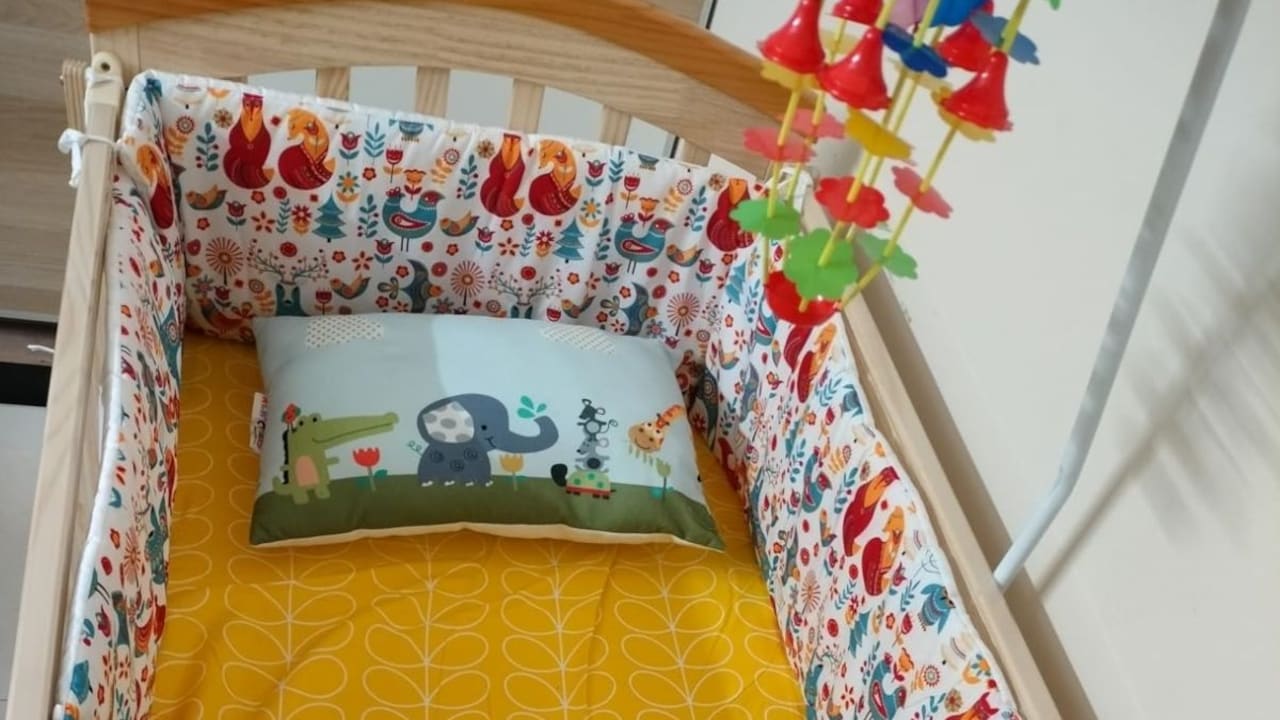
Side‑bed mode reduces night‑time movement and helps recovering mums.
Photo Credit: Amazon
User feedback often reveals the truth that marketing copy can't. The many reviews on Amazon gave me a clear picture of what to expect from this crib. For example, Deeksha's experience is especially telling. She praises the prompt delivery, mentions that installation is manageable using the guide and included tools, and notes that the crib is sturdy, generously sized for a newborn, and that the rocking motion helps her 2.5‑month‑old sleep “like a charm.” Her only complaint is that the bedding set isn't included unless you purchase directly from the BabyTeddy website.
Lt Neelrajsinh Jadeja's Amazon review reads like a pragmatic field note. He assembled the crib with a carpenter and found the process straightforward, but he suggests reinforcing a few components that feel light and requests clearer labelling to speed up assembly. He also flags uncertainty around long‑term durability and recommends a transparent warranty for peace of mind.
Taken together, the message is clear: assembly is doable but easier with professional help; the day‑to‑day experience is positive, especially for rocking and size; and the brand would benefit from clearer part labelling, reinforcement in specific sections, and explicit warranty terms.
Modes And Moments: What BabyTeddy 12-In-1 Crib Solves
Here's a quick glance at how core modes map to everyday use:
| BabyTeddy Mode | What It Is For |
|---|---|
| Side-bed Attachment | Night feeds without getting up fully; safer proximity during the newborn phase; better rest for recovering mums. |
| Height Adjustment | Keeps ergonomics safe as baby moves from newborn to rolling to sitting; maintains access without strain. |
| Soft Rocking | Daytime naps and evening wind‑downs with a gentle, controlled sway that doesn't overstimulate. |
| Toddler Day Bed | Encourages independent climbing while a small rail reduces fall risk during deep sleep. |
| Desk Conversion | Eliminates resale/storage anxiety, turns into a practical study space that stays in use for years. |
| Rolling/ Standalone Modes | Reposition the crib quietly, lock it in place for nights, switch to rocking for soothing when needed. |
Who Is This Crib Best For?
If you're setting up a nursery in a flat where space must earn its keep, or you simply want one investment to cover several growth stages, this crib makes a persuasive case. The storage, changing station, and co‑sleeping compatibility reduce the need for extra furniture. Families with a strong safety lens will appreciate the alignment with international standards and the careful attention to details like bar spacing and teething rails. And if you love a nursery that looks curated rather than cluttered, the pine wood and polished finish make this a design‑forward choice without straying into showpiece territory.
What Should You Confirm Before Buying?
I would ask the seller to specify the warranty, duration, coverage, and claim process, before checkout. I'd also plan for assembly: either set aside time with a helper or book a carpenter to ensure a precise, labelled build. Finally, clarify what's included in the box. If the bedding set isn't part of the package for your source, add a compatible mattress and linens to your basket so you're ready from day one.
The Editorial Verdict
The BabyTeddy 12‑in‑1 Patented Multifunctional Baby Crib earns its multi‑functional badge by solving actual, everyday problems. It brings the baby closer safely at night, spares your back during those early months, gives you the kind of storage you'll silently thank at 2 a.m., and then grows up alongside your child into a day-bed and a desk. The finish looks premium, the structure feels confidence‑inspiring, and the mosquito‑net‑plus‑wheels practicality is nicely tuned to Indian homes.
It's not flawless. Assembly labelling could be clearer, selected components deserve reinforcement, and warranty transparency should be standard. But judged on the balance of thoughtful features, material quality, and real‑world feedback, this feels like a hidden gem that merits far more attention than it currently gets. For families expecting a child, and for anyone who wants one piece of furniture to do more, for longer, BabyTeddy's 12‑in‑1 crib on Amazon is a smart, design‑led, and future‑proof choice.
Frequently Asked Questions (FAQs)
1. When can a baby start sleeping in a crib?
A baby can sleep in a crib from day one, provided it has a firm mattress, fitted sheets, and meets all safety standards. Many parents start with side‑bed mode to keep the baby close in the first months.
2. How do I set up a crib safely for a newborn?
Ensure the mattress fits snugly, keep the sleeping area free from pillows, toys, or loose blankets, and place the baby on their back. Adjust the crib height to the highest level for easy access during the newborn stage.
3. How do I use the crib as my baby grows?
Lower the mattress height once the baby begins rolling or sitting. Remove extra accessories and ensure rails are secure. When the baby starts climbing, convert the crib to toddler or day‑bed mode.
4. Can I attach the crib to my bed for night feeds?
Yes, if the crib allows side‑bed mode. Align mattress heights, secure the crib firmly to the parent bed, and ensure there's no gap where the baby could roll into.
5. How long can a baby use the crib?
Most multifunctional cribs last well into toddler years, and convertible cribs like the BabyTeddy 12‑in‑1 can even transition into a desk, extending usability for several years.
(Disclaimer: This article may include references to or features of products and services made available through affiliate marketing campaigns. NDTV Convergence Limited (“NDTV”) strives to maintain editorial independence while participating in such campaigns. NDTV does not assume responsibility for the performance or claims of any featured products or services.)