How To Arrange Planter Stands Without Blocking Sunlight From Smaller Plants
Arrange planter stands by height, sunlight direction and plant size so smaller pots receive enough light. Smart spacing, tiered stands and regular rotation keep every plant healthy without cluttering the space.
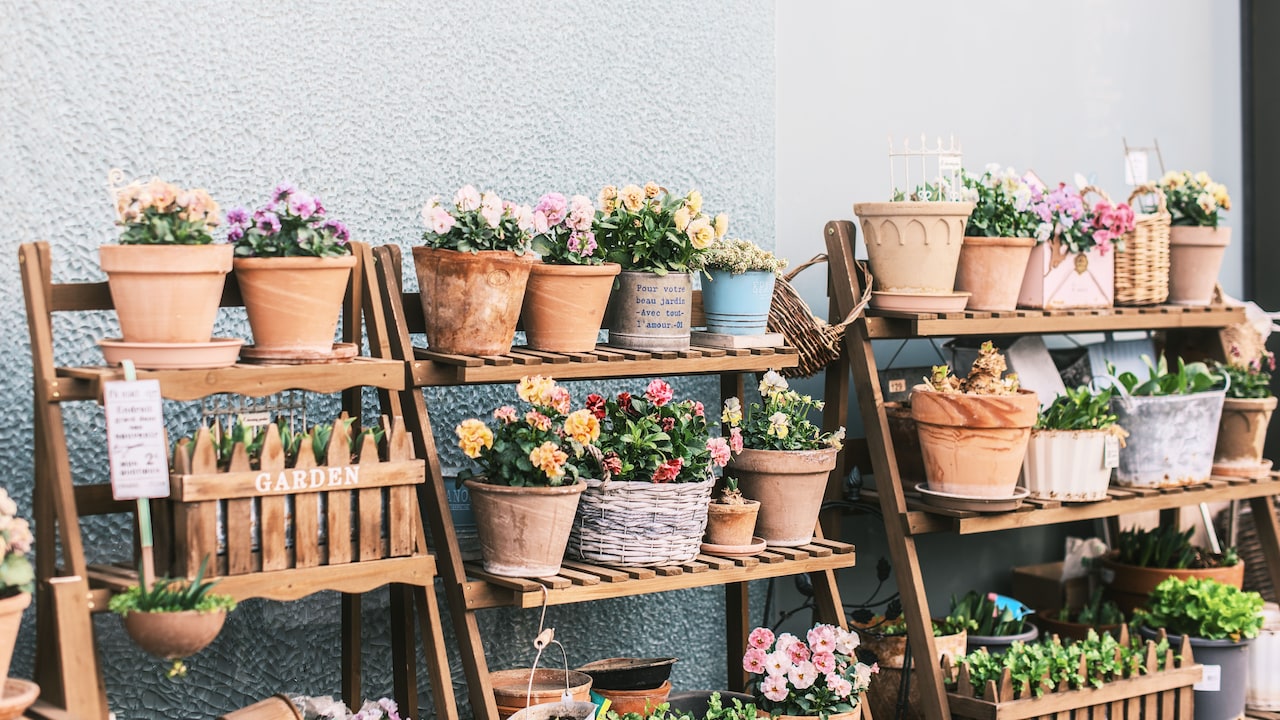
10 expert tips to organise your planter stands beautifully
Planter stands bring order, height and personality to a garden space. They help display trailing money plants, flowering pots, herbs, succulents and leafy ornamentals without using every inch of the floor. Problems begin when taller plants and broad leaves block sunlight from smaller pots placed behind or below them. This can happen quickly on compact balconies, where sunlight enters from only one direction. A beautiful arrangement may look perfect in the morning but leave delicate herbs in deep shade by noon. The result often includes pale leaves, weak stems, slow growth and plants leaning awkwardly towards the nearest patch of light.
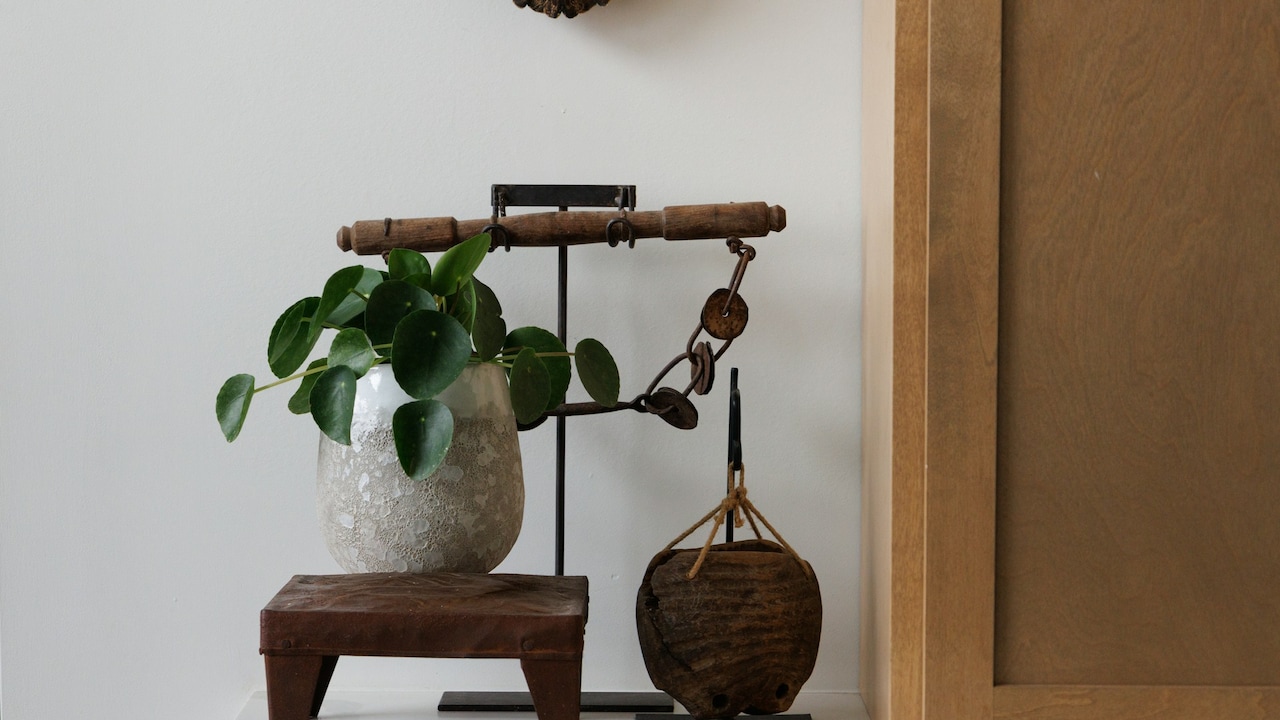
Easy ways to arrange planter stands aesthetically
Photo Credit: Unsplash
A thoughtful arrangement solves these issues without sacrificing style. It does not require expensive equipment or a large terrace. Simple changes in height, spacing and position can make a noticeable difference. The aim is not to give every plant identical sunlight. Instead, each variety should receive the amount it naturally prefers.
Also Read: Top 10 Decorative Plant Stands to Elevate Your Home Garden On Amazon Now
The following ideas can help create a balanced planter stand arrangement where tall plants add drama, smaller plants remain visible and sunlight reaches every level.
Smart Ways To Arrange Planter Stands For Balanced Sunlight
1. Observe The Direction Of Sunlight
Before moving planter stands, spend a day watching how sunlight travels through the space. Morning light may touch one corner gently, while stronger afternoon rays may strike another area with surprising intensity. Buildings, balcony walls, grills and nearby trees can also change the pattern.
Mark the brightest and darkest sections mentally or with small pieces of chalk on the floor. Notice where shadows fall at around 9 a.m., noon and 3 p.m. This simple exercise reveals which plants are likely to block others.
On an east-facing balcony, taller plants can usually sit towards the back or western side. The smaller pots can stay closer to the front, where the morning sun reaches them first. On a west-facing balcony, the arrangement may need extra care because afternoon sunlight can be harsh.
Sunlight should guide the layout rather than decoration alone. A stand may look charming beside a wall, but that corner might receive only a brief flash of light. Once the sun's path becomes clear, arranging the stands feels less like guesswork and more like solving a pleasant green puzzle.
2. Create A Staircase Of Plant Heights
A stepped arrangement is one of the easiest ways to prevent taller plants from overshadowing smaller ones. Place the tallest planter stands at the back, medium-height stands in the middle and short pots at the front. The result should resemble a gentle staircase rather than a wall of leaves.
This method works especially well when sunlight enters from the front of a balcony or terrace. Each row receives light without competing heavily with the row behind it. Small flowering plants, herbs and succulents can occupy the lowest level, while palms, crotons or tall snake plants can take the rear positions.
Avoid arranging every pot at exactly the same height. A flat line may look neat, but broad leaves can quickly overlap and create shade. Slight variations make the display feel more natural and improve airflow too.
Repurposed wooden stools, metal stands and sturdy crates can help create different levels without stretching the budget. A basic stand may cost around ₹400 to ₹1,200, depending on the material and design. Even an old side table can become a useful plant platform after a fresh coat of weather-resistant paint.
3. Keep Broad-Leaved Plants To The Sides
Plants with large leaves may not be the tallest, but they can still cast wide shadows. Monstera, colocasia, rubber plants and certain varieties of philodendron can block several smaller pots at once. Their leaves behave like little umbrellas, which feels delightful during summer but not for sun-loving plants below.
Place broad-leaved varieties towards the sides of the arrangement rather than directly in front of smaller plants. Corner positions often work well because the leaves can spread outwards without covering the central display.
The direction of each leaf matters too. Rotate the pot so the widest growth faces away from the smaller planters. This small adjustment can open up a surprising amount of light. Regular pruning also helps control leaves that stretch across neighbouring pots.
Do not push these plants tightly against walls. Their leaves need room to breathe, and cramped placement may encourage pests or fungal problems. A gap of 15 to 30 centimetres often improves both light and air circulation.
Think of broad-leaved plants as enthusiastic relatives at a family photograph. They deserve a good spot, but they should not stand in front of everyone else.
4. Use Tiered Stands With Open Frames
Tiered planter stands are useful, but the design makes a major difference. Solid shelves can block sunlight from reaching the pots placed underneath. Open-frame stands allow light to pass through the gaps and reduce heavy shadows.
Metal ladder stands, slatted wooden racks and wire-frame shelves work particularly well in small spaces. They create several display levels while keeping the arrangement visually light. Smaller pots can sit on the upper or outer edges, while shade-tolerant plants can occupy the lower shelves.
Check the distance between each tier before buying or building a stand. If the shelves sit too close together, taller plants on the lower level may become cramped. Leaves may bend, stems may stretch and watering can turn into an awkward balancing act.
A gap of around 30 to 45 centimetres between levels suits many compact plants. Larger varieties need more space. When placing pots, avoid filling every available shelf. Empty gaps allow sunlight to travel through the structure.
An open stand also makes cleaning easier. Fallen leaves, dry soil and water stains remain visible instead of gathering in hidden corners. That is a small blessing during busy weeks when balcony gardening already competes with work, traffic and household chores.
5. Match Each Level With The Plant's Needs
Not every smaller plant needs direct sunlight. Some compact varieties prefer filtered light and may actually benefit from partial shade created by taller plants. The secret lies in matching each position with the plant's natural requirements.
Sun-loving herbs such as tulsi, rosemary and basil should occupy brighter upper tiers or front-facing spots. Flowering plants like petunias and portulaca also need generous light to bloom well. Shade-tolerant plants such as ferns, peace lilies and certain pothos varieties can sit on lower shelves or behind taller pots.
Read nursery labels carefully, but also observe the plant after placing it. Leaves provide useful clues. Pale growth, long weak stems and leaning may signal insufficient light. Brown patches or faded colour may indicate excessive sun.
A plant stand should work like a small neighbourhood. Every resident has a preferred address. Some enjoy the sunny terrace, while others thrive in a quieter corner downstairs.
This approach prevents unnecessary rearranging and reduces plant stress. It also creates a healthier display, where each level serves a purpose rather than simply holding whichever pot happened to fit.
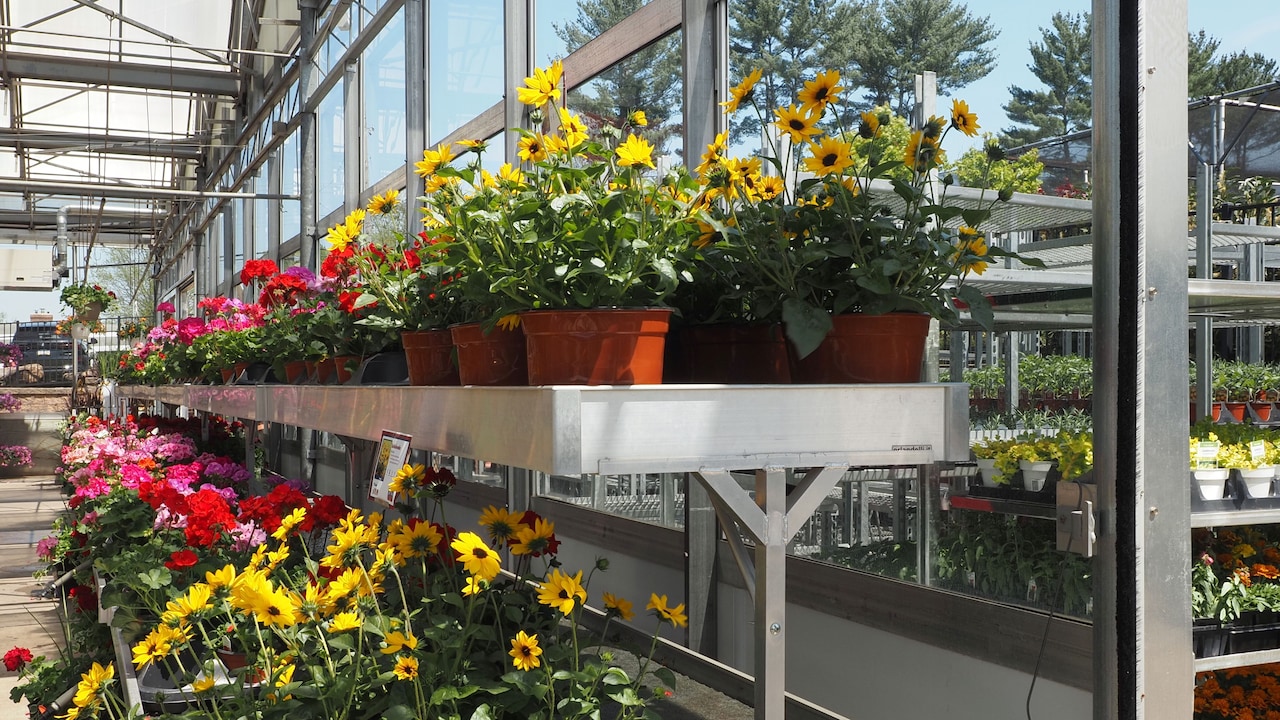
Match the level according to the plant's needs
Photo Credit: Pexels
6. Leave Breathing Space Between Pots
Crowding is one of the most common reasons smaller plants lose sunlight. A tightly packed stand may look lush at first, but leaves soon overlap and block light from reaching lower growth. Watering also becomes difficult, and pests can travel easily from one pot to another.
Leave enough space for light to pass between plants. A gap of at least 10 to 15 centimetres works for small pots, while larger plants may need 20 centimetres or more. The exact distance depends on leaf size and growth habit.
Spacing also gives each plant visual importance. A beautiful flowering pot can disappear when squeezed between two bulky foliage plants. A little empty space acts like a frame, allowing colours and textures to stand out.
Resist the temptation to display every plant on one stand. Spread the collection across windowsills, floor corners, wall brackets or hanging planters. This creates a more relaxed arrangement and reduces competition for sunlight.
Gardeners often worry that gaps will make the space look unfinished. In reality, thoughtful spacing creates balance. It also leaves room for growth, which is important because healthy plants rarely stay politely within the boundaries assigned to them.
7. Rotate Planters At Regular Intervals
Plants naturally grow towards light, which can make one side fuller than the other. Regular rotation helps each section receive sunlight and prevents smaller plants from leaning in one direction.
Turn pots by a quarter every week or two. This works well for indoor plants, balcony herbs and flowering varieties placed on stands. Avoid rotating plants dramatically every day, as constant changes can disturb varieties that respond slowly to light.
Rotation becomes especially useful when a taller plant casts a moving shadow. A small pot that receives poor light on one side can gradually develop more balanced growth when turned regularly.
The planter stands themselves may also need occasional repositioning. A shift of 20 or 30 centimetres can improve sunlight without changing the entire arrangement. During cloudy periods, smaller pots can move closer to the brighter edge. During intense summer afternoons, they may need a little protection.
Set a simple reminder on the first Sunday of each month to inspect the layout. Check for leaning stems, hidden leaves and uneven growth. This habit takes only a few minutes and can prevent months of slow, lopsided development.
8. Adjust The Arrangement With The Seasons
The sun does not follow the same path throughout the year. A balcony that receives plenty of winter sunlight may become shaded during the monsoon months. Summer rays may also reach deeper into certain spaces or become too harsh for tender plants.
Review the planter arrangement every few months. During winter, smaller flowering plants may benefit from moving towards the sunniest edge. In peak summer, delicate herbs might need filtered light from a taller plant or a light shade cloth.
Monsoon conditions bring another challenge. Cloudy skies reduce sunlight, while damp soil increases the risk of fungal growth. Keep pots slightly farther apart and move smaller plants away from dense foliage. Good airflow becomes just as important as light.
Festival cleaning can serve as a convenient reminder to reassess the arrangement. When balconies receive their usual scrub before Diwali or another family celebration, take the opportunity to move stands and inspect plant health.
Seasonal adjustments do not require a complete makeover. Often, swapping two stands or moving one tall pot to a corner solves the problem. Plants change, sunlight shifts, and the arrangement should remain flexible enough to respond.
9. Use Hanging Planters Without Creating Shadows
Hanging planters save floor space and add charm, but poor placement can create large patches of shade. A row of hanging pots directly above smaller plants may block more sunlight than a tall floor planter.
Suspend hanging plants near the outer edges of the balcony or terrace, where their shadows fall away from the main stand. Stagger the heights instead of placing every planter in a straight line. This allows sunlight to pass between them.
Trailing plants such as money plants, string of pearls and spider plants work beautifully overhead. Keep their vines trimmed so they do not form a leafy curtain. Long trails can look dramatic, but they may reduce light and tangle around grills or neighbouring pots.
Use secure hooks and weather-resistant chains, especially during windy weather. A lightweight plastic pot may seem harmless, but a falling planter can damage plants below and create a memorable household commotion for all the wrong reasons.
Hanging planters should complement the stand arrangement rather than compete with it. When positioned thoughtfully, they add another layer of greenery while leaving lower plants bright, visible and easy to maintain.
10. Review Growth Before Adding More Plants
A planter arrangement should evolve as the plants grow. A small sapling may become a leafy giant within a few months, while a compact creeper may spread across two shelves before anyone notices. Regular review helps prevent one vigorous plant from taking over the entire display.
Inspect the arrangement once a month. Look at the space from several angles and notice which pots remain hidden. Check whether smaller plants receive direct or filtered light for a suitable number of hours. Trim overgrown branches and move expanding plants to larger stands when necessary.
Before buying another plant, consider where it will live after six months. Nursery shelves have a dangerous way of making every pot seem essential. Yet a crowded balcony can turn plant care into a daily game of moving, lifting and apologising to broken leaves.
Choose new plants according to available light and space, not only appearance. A slim upright plant may fit better than another broad, spreading variety.
Healthy arrangements leave room for future growth. The goal is not to fill every corner immediately. A little patience allows each plant to develop its natural shape without stealing sunlight from its smaller neighbours.
Products Related To This Article
1. Robustt 4 Tier Metal Plant Stand with Trellis & Hanging Rod
2. ecofynd Arbow Arc Plant Stands for Outdoor Balcony, Flower Pot Stand for Indoor Plants
3. Robustt Horizontal Metal Pot Stand (Set of 2 )
4. Plant Stand Metal Potted Multiple Flower Pot Holder Shelf
5. ORILEY 4 Pcs Round Plant Stand Galvanised Metal Flower Pot Holder Rust Resistant Gamla Support
6. Robustt Horizontal Metal Pot Stand (Set of 2 )
7. TrustBasket Indigo 24-Inch Plant Stand
Arranging planter stands without blocking sunlight requires observation more than expensive accessories. The direction of light, the height of each plant and the shape of its leaves all influence the final layout. A stepped arrangement, open-frame stands and sensible spacing can help sunlight reach smaller pots while keeping taller plants in the display.
The arrangement should also remain flexible. Plants grow, seasons change and shadows shift across balconies and terraces. Regular rotation, occasional pruning and small positional changes can maintain balance throughout the year.
Most importantly, every plant should receive a place suited to its needs. Sun-loving herbs and flowers deserve brighter levels, while shade-tolerant plants can make good use of protected lower shelves. When each plant has the right position, the entire space begins to look calmer and more natural.
A successful plant corner does not need to resemble a perfectly styled catalogue. It should feel alive, comfortable and slightly playful. With thoughtful layering and enough breathing space, even a compact balcony can become a bright green retreat where smaller plants never have to fight for their share of the sun.
(Disclaimer: This article may include references to or features of products and services made available through affiliate marketing campaigns. NDTV Convergence Limited (“NDTV”) strives to maintain editorial independence while participating in such campaigns. NDTV does not assume responsibility for the performance or claims of any featured products or services.)












![Steam Iron Teflon Shoe Cover for ES-300,ST-96 [Only For ES-300 and ST-96 Model Electric Steam Irons]](https://m.media-amazon.com/images/I/51wwkttondL._SL160_.jpg)