What Are The Best Indoor Plants That Thrive During Indian Monsoon
Discover the best indoor plants that flourish during the Indian monsoon. Discover easy-care greenery, styling tips, and useful plant accessories for your home.
What Are The Best Indoor Plants That Thrive During Indian Monsoon
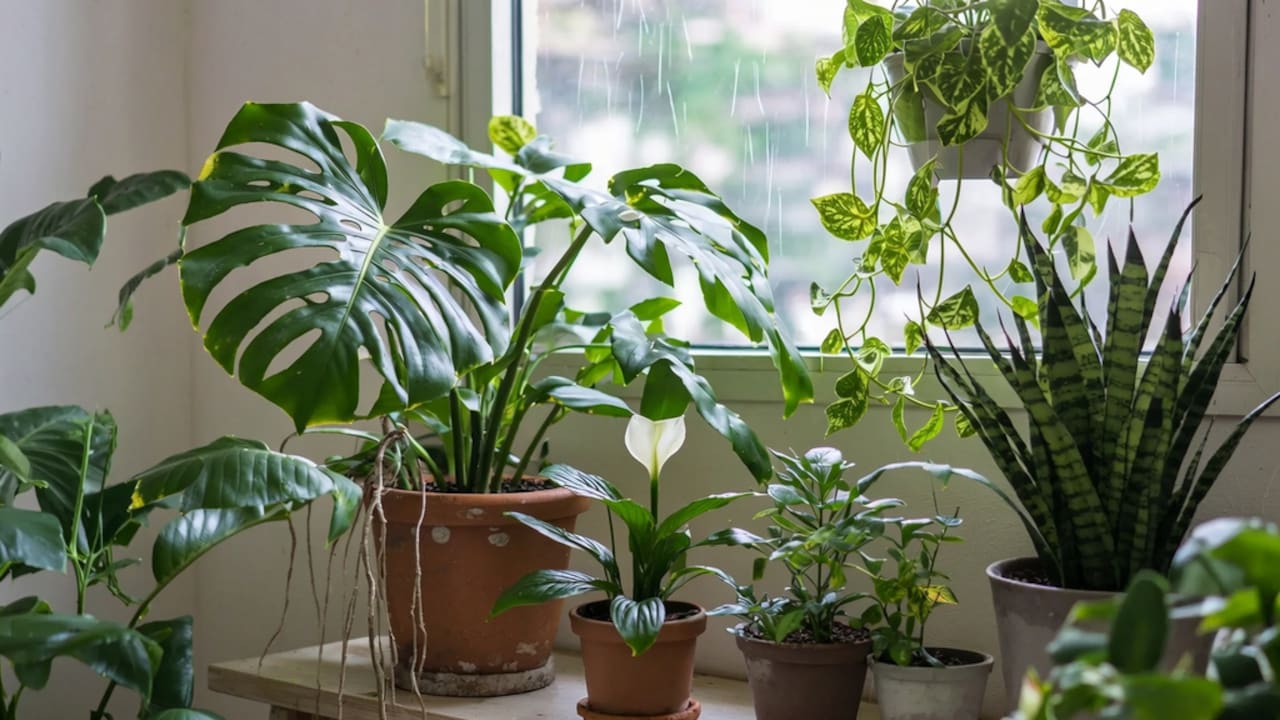
The monsoon season alters the mood of each Indian home. The weather is cooling. The windows stay open a bit longer, and the smell of rain is in the air. But while the season is perfect for outdoor refreshment, interior spaces can often start feeling damp, gloomy and stuffy after days of continuous rainfall. That's why indoor plants are even more useful during the monsoon months. The rainy season is a good time to grow many indoor plants, as they naturally thrive in humid conditions. The added moisture in the air promotes lush foliage, healthier leaves, and quicker growth in some types of tropical plants. Even a small green corner can instantly cheer up and relax a room.
Transform your home this monsoon with flourishing indoor plants, stylish decor, and essential accessories; Photo Credit: iStock
Also Read: Trying Your Luck At A Green Thumb? Start With These 5 Indoor Beginner-Friendly Plants
Things To Consider Before Buying Indoor Plants During Monsoon
Before you bring indoor plants home, it is beneficial to know about the effects of monsoon weather on them. Humidity promotes growth, but too much moisture can sometimes damage roots and attract fungus if the plants aren't properly cared for.
Begin by noticing how much light gets into your room during the day. Monsoon clouds and less sun mean some homes are darker. In that case, select plants that thrive in low-light conditions.
Then there's drainage. Water pooling in pots too much can cause root rot, especially in humid months. Always use pots with drainage holes so the soil doesn't remain soggy for long periods of time.
Air circulation is also more important than most people think. Plants like humidity, but stale indoor air can promote mould. Sometimes opening the windows or using a fan nearby helps keep the plants healthier.
Best Indoor Plants That Grow Well During Indian Monsoon
1. Snake Plant
Snake plants are almost impossible to kill, so beginners will love them. They do very well with humidity and don't require a lot of watering. Snake plants are also low-maintenance, even in homes with limited sunlight.
2. Money Plant
Money plants grow fast in monsoons and are trailing, with their vines adding freshness to indoor spaces. They look lovely in hanging baskets, glass jars or decorative containers near windows.
3. Peace Lily
Peace lilies thrive in humidity and will repay you with elegant white flowers and glossy green leaves. They are perfect for bedrooms and living rooms, as they create a calm, fresh atmosphere inside.
4. Areca Palm
The areca palm gives interiors a soft tropical feel. Its feathery leaves grow beautifully in monsoon weather, especially in bright corners with indirect sunlight.
5. ZZ Plant
If you often forget to water plants, the ZZ plant is a reliable option. It tolerates humidity, poor lighting, and occasional neglect without losing its attractive appearance.
6. Boston Fern
Ferns naturally thrive in moisture-rich air, making the monsoon their favourite season. Boston ferns look especially lovely in hanging baskets near balconies or windows.
7. Rubber Plant
Rubber plants develop rich, glossy foliage in rainy months. Their large leaves are a bold statement piece and work well in modern homes.
How To Care For Indoor Plants During Monsoon
Step 1: Avoid Overwatering
Many people also continue to water plants in the same manner as they do in the summer. The soil is wetter during monsoon, however. Water the surface layer of soil first before watering again.
Step 2: Make Sure There is Good Drainage
Make sure excess water can escape easily from pots. Empty trays on a regular basis and don't allow water to collect under planters.
Step 3: Rinse The Foliage Of The Plants
Dust and moisture may combine to attract pests or fungus. Softer cloths can be used to gently wipe plants to keep them healthier and better able to breathe.
Step 4: Improve Ventilation
In humid weather conditions, fungi are less likely to cause a problem when there is good airflow. Place plants close to open windows or occasionally turn on a ceiling fan to increase air flow.
Why Indoor Plants Are Perfect For Monsoon Season
Indoor plants do a lot more than beautify a room. Bring the outdoors in. Enjoy the lighter, calmer, and more welcoming feel of greenery indoors on long, rainy days.
Indoor plants are also believed to enhance air quality by reducing indoor pollutants and creating a fresher atmosphere in rooms. They are not a substitute for good ventilation but do help to create a healthier environment.
Plants can also have a positive impact on mood. The rainy season can make homes feel dull after days without sunshine, but fresh greenery naturally brings life and colour back to indoor spaces.
Common Indoor Plant Mistakes During Rainy Season
One of the most common mistakes is watering plants too often, as it has become a daily routine. One of the biggest reasons indoor plants struggle during monsoon is overwatering.
Another mistake is placing plants in a completely dark corner. Even low-light plants need some natural light every now and then to be healthy.
Don't overstuff a space with too many plants. Good spacing allows for better air flow and lessens the chance of fungal infections jumping from pot to pot.
Excessive misting should also be avoided during the monsoon season. Humidity levels are already high so extra moisture on leaves can do more harm than good.
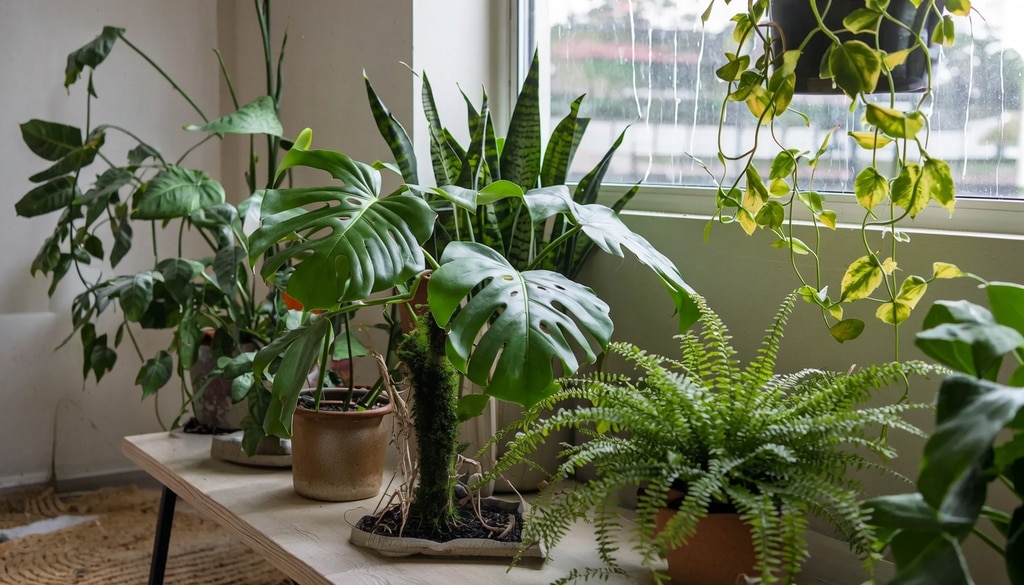
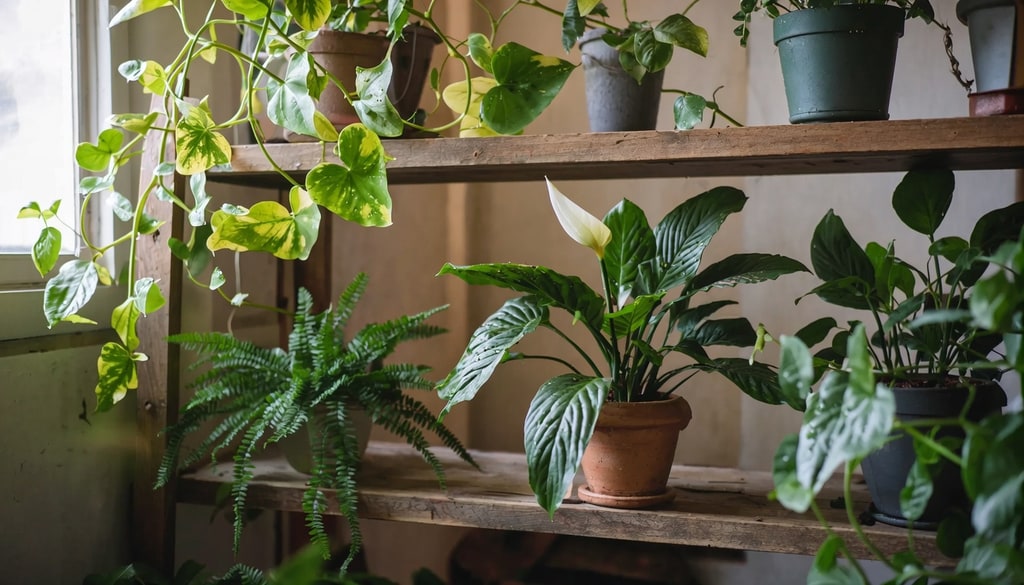
Explore easy-care Indian indoor plants and beautiful styling tips to refresh your home this monsoon; Photo Credit: iStock
Simple Tips To Keep Indoor Plants Healthy During Monsoon
Turn your plants around every few days so each side gets the same amount of sunlight. This stimulates balanced growth and stops stems leaning in one direction.
Use a light potting mix that drains quickly, rather than heavy garden soil. In humid weather, drainage is particularly important.
Cut off yellow or damaged leaves as needed. This not only helps keep plants looking fresh but also encourages healthier new growth.
You can also lift the pots a little using stands or trays. It prevents water from collecting underneath and protects the floors from dampness.
Indoor plants can change the feel of a house in the rainy season. Whether you opt for leafy tropical plants or compact low-maintenance varieties, greenery brings warmth and freshness to indoor spaces when the weather outside feels grey and gloomy.
Indoor Plant Products You May Like
1. Ugaoo ZZ Plant
2. Generic Organic Money Plant
3. UGAOO Peace Lily Plant
4. Surekha Live Spider Plant
5. Surekha Ficus Elastica Red Rubber Plant
6. Ugaoo Sansevieria Superba Green Snake Plant
7. Philodendron Selloum Live Plant
8. ATIRDA Original Monstera Deliciosa Live Plant
Indoor plants add freshness, color, and cleaner air to any room without much effort. Choose low-maintenance options like snake plant or money plant that thrive even with less sunlight. Grab your favorite indoor plants on Amazon and make your space feel more alive.
Frequently Asked Questions (FAQs)
1. Which indoor plants grow best during the monsoon?
Snake plants, money plants, peace lilies, ferns and aglaonema varieties usually grow very well during humid monsoon weather.
2. Do plants require less water in the rainy season?
Yes. Humidity is already high, and the soils will remain moist, so indoor plants will require less watering.
3. Do plants have to have sunlight to grow?
Indoor plants can live on indirect or low light but will do better with some natural light.
4. Why does fungus grow on indoor plants in monsoon?
Constantly wet soil, poor ventilation, and overwatering during rainy months can all promote fungal growth.
5. Do Houseplants Clean the Air Indoors?
Some indoor plants can also help clean the indoor air and create a feeling of tranquillity and comfort in the interior spaces.
(Disclaimer: This article may include references to or features of products and services made available through affiliate marketing campaigns. NDTV Convergence Limited (“NDTV”) strives to maintain editorial independence while participating in such campaigns. NDTV does not assume responsibility for the performance or claims of any featured products or services.)








![Steam Iron Teflon Shoe Cover for ES-300,ST-96 [Only For ES-300 and ST-96 Model Electric Steam Irons]](https://m.media-amazon.com/images/I/51wwkttondL._SL160_.jpg)