Too Firm For Comfort? Expert Tips For Side Sleepers Using Orthopaedic Mattresses
Orthopaedic mattresses can feel too firm for side sleepers. Discover simple, expert-backed ways to ease pressure, improve comfort and still enjoy proper spinal support for better sleep every night.

Orthopaedic Mattress Too Hard? Tips For Side Sleepers To Sleep Better
A good night's sleep often feels like a luxury after a long day filled with traffic jams, endless notifications, and the occasional late-night snack that seemed like a brilliant idea at the time. For side sleepers, the struggle becomes even more specific. The hips sink, the shoulders protest, and suddenly, that expensive orthopaedic mattress feels less like a health investment and more like a mild punishment. Orthopaedic mattresses carry a reputation for supporting the spine and improving posture. Yet, for those who sleep on their side, that firmness can lead to pressure points, numb arms, and restless tossing. The promise of relief turns into a question: is the mattress too firm, or is the sleeping style at odds with it? The answer lies somewhere in between. With the right adjustments, even the firmest mattress can feel inviting. This article dives into ten practical ways to transform a rigid sleeping surface into a haven of comfort while keeping the benefits of orthopaedic support intact.

Orthopaedic Mattress Too Hard? Tips For Side Sleepers To Sleep Better; Photo Credit: Pexels
Practical Ways To Make A Firm Orthopaedic Mattress Comfortable
Understanding Why Firmness Feels Uncomfortable
Firm mattresses often get praised for their ability to keep the spine aligned. That sounds ideal on paper, yet the human body does not lie flat like a diagram in a textbook. Side sleepers have curves that need accommodation, especially around the shoulders and hips. When a mattress refuses to yield, those curves face resistance.
Imagine lying on a wooden bench during a long train journey. The support exists, but comfort fades quickly. A similar feeling arises with overly firm orthopaedic mattresses. The pressure builds in specific areas, disrupting circulation and leading to frequent waking.
The discomfort does not always mean the mattress is poor quality. In many cases, it simply means the firmness level does not match the sleeping position. Side sleepers need a surface that allows slight sinking without losing support. Recognising this difference forms the first step towards better sleep. Instead of blaming the mattress outright, it helps to understand how body weight distributes across it and how that interaction affects comfort through the night.
Choosing The Right Pillow Height
A mattress alone cannot fix everything. The pillow plays an equally important role, especially for side sleepers. When the pillow sits too low, the neck bends downward, creating tension. When it sits too high, the spine tilts unnaturally.
The ideal pillow fills the gap between the shoulder and the head. This alignment keeps the neck in a neutral position and reduces strain. Think of it as creating a straight line from the base of the spine to the top of the head. Without that balance, even the most premium mattress struggles to deliver comfort.
In many households, pillows get chosen based on softness alone. A fluffy pillow may feel luxurious at first, yet it compresses too much under weight. On the other hand, a slightly firmer pillow maintains its shape and supports alignment better.
A simple adjustment in pillow height often transforms the entire sleep experience. It reduces pressure on the shoulder and prevents the awkward neck angles that lead to morning stiffness. Small changes, when done right, bring surprisingly large improvements.
Also Read: Best 5 King Size Ortho Mattress Under 15,000 In 2026
Adding A Mattress Topper For Cushioning
A mattress topper works like a quick makeover for a firm mattress. Instead of replacing the entire bed, adding a layer of cushioning softens the surface without compromising support underneath.
Memory foam toppers remain a popular choice. They contour to the body and relieve pressure points effectively. Latex toppers, on the other hand, offer a slightly bouncier feel and better airflow, which helps during warmer nights when the ceiling fan seems to do all the hard work.
The beauty of a topper lies in its flexibility. It allows experimentation with comfort levels without a major investment. For someone who finds an orthopaedic mattress too rigid, a topper bridges the gap between firmness and softness.
There is also a practical side. Mattress toppers extend the life of the mattress by reducing direct wear. Over time, they prove to be both a comfort upgrade and a sensible purchase. With the right topper, a mattress that once felt unforgiving can become surprisingly cosy.
Breaking In A New Mattress
A new mattress rarely feels perfect from day one. Like a new pair of shoes, it needs time to adjust. The materials settle, the foam softens slightly, and the surface begins to respond better to body weight.
Many people expect instant comfort, especially after spending a significant amount. When that does not happen, disappointment sets in quickly. Yet, most orthopaedic mattresses require a few weeks to break in fully.
During this period, regular use helps the materials adapt. Rotating the mattress occasionally also ensures even wear. Some even walk gently across the surface to speed up the process, though that may look amusing to anyone passing by.
Patience plays a key role here. Instead of rushing to conclusions, allowing the mattress time to adjust often resolves initial discomfort. What feels too firm in the first week may become perfectly balanced after a month of consistent use.
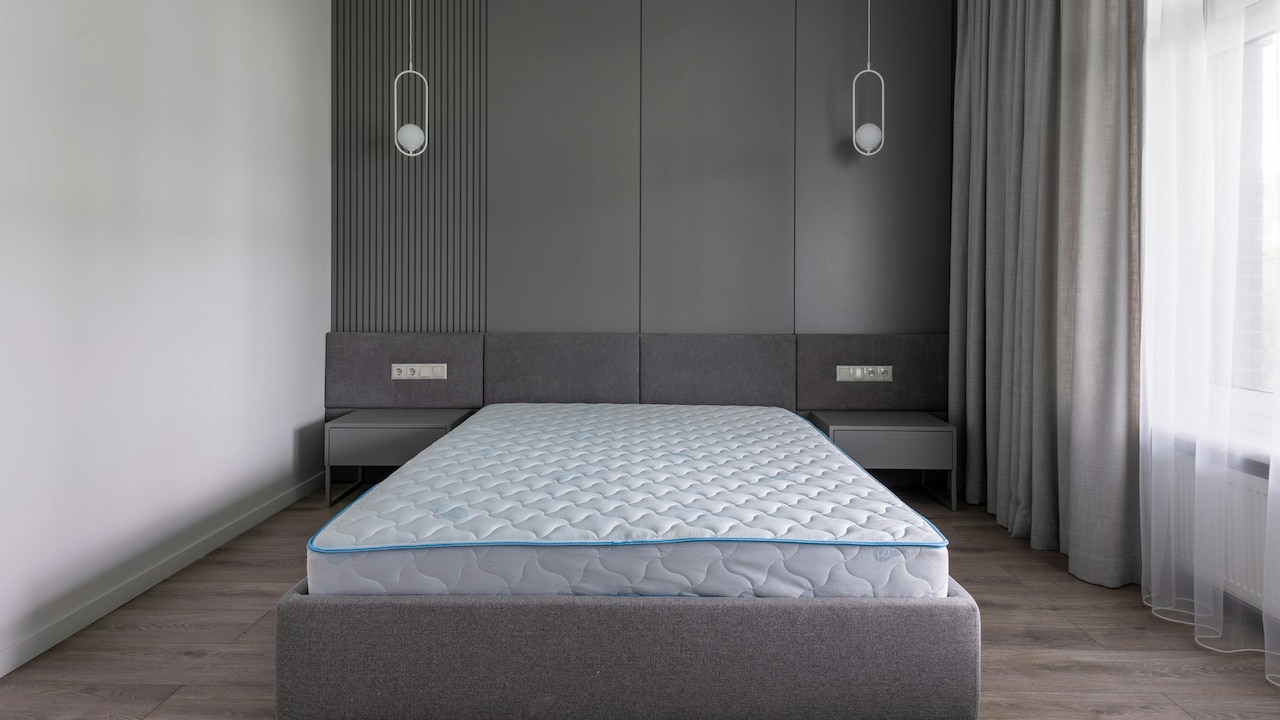
Orthopaedic Mattress Too Hard? Tips For Side Sleepers To Sleep Better; Photo Credit: Pexels
Paying Attention To Sleeping Posture
Even the best mattress cannot compensate for poor sleeping posture. Side sleepers often curl up tightly or twist awkwardly, which puts unnecessary strain on the body.
Keeping the knees slightly bent and maintaining a natural spinal curve makes a noticeable difference. Placing a pillow between the knees also helps align the hips and reduces pressure on the lower back. This simple habit prevents the spine from rotating unnaturally during sleep.
There is also the matter of arm placement. Tucking an arm under the head may feel instinctive, yet it often leads to numbness and discomfort. Allowing the arms to rest comfortably in front reduces strain.
Sleeping posture may seem like a minor detail, yet it shapes the entire experience. Small adjustments create a chain reaction of benefits, from reduced pressure points to better circulation. Over time, these changes lead to deeper and more restorative sleep.
Regulating Room Temperature
Comfort does not depend on the mattress alone. The surrounding environment plays a crucial role. A room that feels too warm can make a firm mattress seem even more uncomfortable.
Heat tends to build up, especially with dense materials like memory foam. This leads to restlessness and frequent turning. Keeping the room well-ventilated helps maintain a pleasant sleeping environment.
Simple steps like using breathable bedsheets, adjusting the fan speed, or allowing fresh air to circulate can make a big difference. During humid nights, even a slight drop in temperature feels refreshing.
Comfort often comes from a combination of factors. While the mattress provides support, the environment ensures relaxation. When both work together, the result is a far more satisfying sleep experience.
Wearing Comfortable Sleepwear
Clothing may not seem directly related to mattress firmness, yet it affects how the body interacts with the surface. Tight or rough fabrics create additional friction and discomfort.
Loose, breathable sleepwear allows the skin to move freely. Cotton fabrics work particularly well in warmer climates, as they absorb moisture and keep the body cool.
There is also a psychological aspect. Comfortable clothing signals the body that it is time to relax. This subtle cue helps in falling asleep faster and staying asleep longer.
When paired with a firm mattress, the right sleepwear reduces irritation and enhances overall comfort. It may not change the mattress itself, yet it changes how the body experiences it.

Orthopaedic Mattress Too Hard? Tips For Side Sleepers To Sleep Better; Photo Credit: Pexels
Rotating And Maintaining The Mattress
A mattress that receives uneven use develops pressure spots over time. These areas become firmer or softer than the rest, leading to discomfort.
Regular rotation ensures even wear. It allows different parts of the mattress to bear weight, maintaining a balanced surface. This practice extends the lifespan of the mattress and keeps it performing well.
Maintenance also includes keeping the mattress clean and free from dust. A clean sleeping surface feels more inviting and promotes better hygiene.
While it may seem like a routine task, proper care makes a noticeable difference. A well-maintained mattress continues to provide consistent support, reducing the chances of discomfort for side sleepers.
Listening To The Body's Signals
The body communicates discomfort in subtle ways. A slight ache in the shoulder or stiffness in the lower back often signals that something needs adjustment.
Ignoring these signs leads to long-term issues. Paying attention helps identify whether the mattress feels too firm or if other factors contribute to the discomfort.
Sometimes, the solution lies in minor tweaks. At other times, it may require re-evaluating the mattress choice. The key lies in staying attentive and responsive.
Comfort is not a one-size-fits-all concept. Each individual experiences it differently. By listening to the body, it becomes easier to make informed decisions and create a sleep setup that truly works.
Knowing When To Replace The Mattress
Even the best mattresses have a lifespan. Over time, materials lose their resilience, and support diminishes. A mattress that once felt firm may become uneven and uncomfortable.
Signs such as sagging, persistent discomfort, or visible wear indicate that it may be time for a replacement. Holding on to an old mattress often leads to poor sleep quality and increased body aches.
Investing in a new mattress may feel like a significant expense, yet it pays off in the long run. Good sleep affects energy levels, mood, and overall well-being.
Choosing the right mattress involves considering sleeping style, body weight, and personal preference. For side sleepers, finding a balance between firmness and cushioning remains essential. When that balance gets disrupted, replacing the mattress becomes the most practical solution.
Products Related To This Article
1. The Sleep Company SmartGRID Ortho Mattress
2. Sleepyhead Original - 3 Layered BodyIQ Orthopedic Memory Foam Mattress
3. Wakefit ShapeSense Orthopedic Classic Memory Foam Mattress
4. Flo Ortho™ Aloe Vera Infused Orthopedic Mattress with PainRelease
5. RESTOFIT Orthopedic Dual Comfort Single Size Mattress
Sleeping on an orthopaedic mattress does not have to feel like a compromise. With the right adjustments, even a firm surface can become a comfortable retreat at the end of a long day. From choosing the right pillow to adding a mattress topper, small changes create meaningful improvements.
Side sleepers, in particular, benefit from a thoughtful approach. Understanding how the body interacts with the mattress helps in making better choices. Comfort and support are not opposites; they work best when balanced carefully.
A restful night's sleep is not just about luxury. It shapes how the day unfolds, from morning energy to evening relaxation. With these expert tips, turning a too-firm mattress into a comfortable haven becomes entirely achievable.
(Disclaimer: This article may include references to or features of products and services made available through affiliate marketing campaigns. NDTV Convergence Limited (“NDTV”) strives to maintain editorial independence while participating in such campaigns. NDTV does not assume responsibility for the performance or claims of any featured products or services.)








![Steam Iron Teflon Shoe Cover for ES-300,ST-96 [Only For ES-300 and ST-96 Model Electric Steam Irons]](https://m.media-amazon.com/images/I/51wwkttondL._SL160_.jpg)