How To Choose Cookware That Matches Your Cooking Style: Not Just Your Budget
Choosing cookware isn’t just about price. The right pots and pans should match how meals are actually cooked, saving time, effort, and money while making everyday cooking smoother and more enjoyable.
Things to consider when buying cookware for your kitchen
Walk into any kitchen store, and the choices can feel endless. Gleaming steel, sturdy cast iron, colourful non-stick pans, all lined up like they know something that the buyer does not. Most people start with the same thought: what fits the budget? Yet, price alone rarely leads to the right decision. Cookware is not just about cost; it reflects how food is cooked daily. A household that prepares slow-simmered curries needs something very different from one that prefers quick stir-fries after a long workday. A person who enjoys weekend experiments in baking will have different needs from someone who sticks to simple meals.
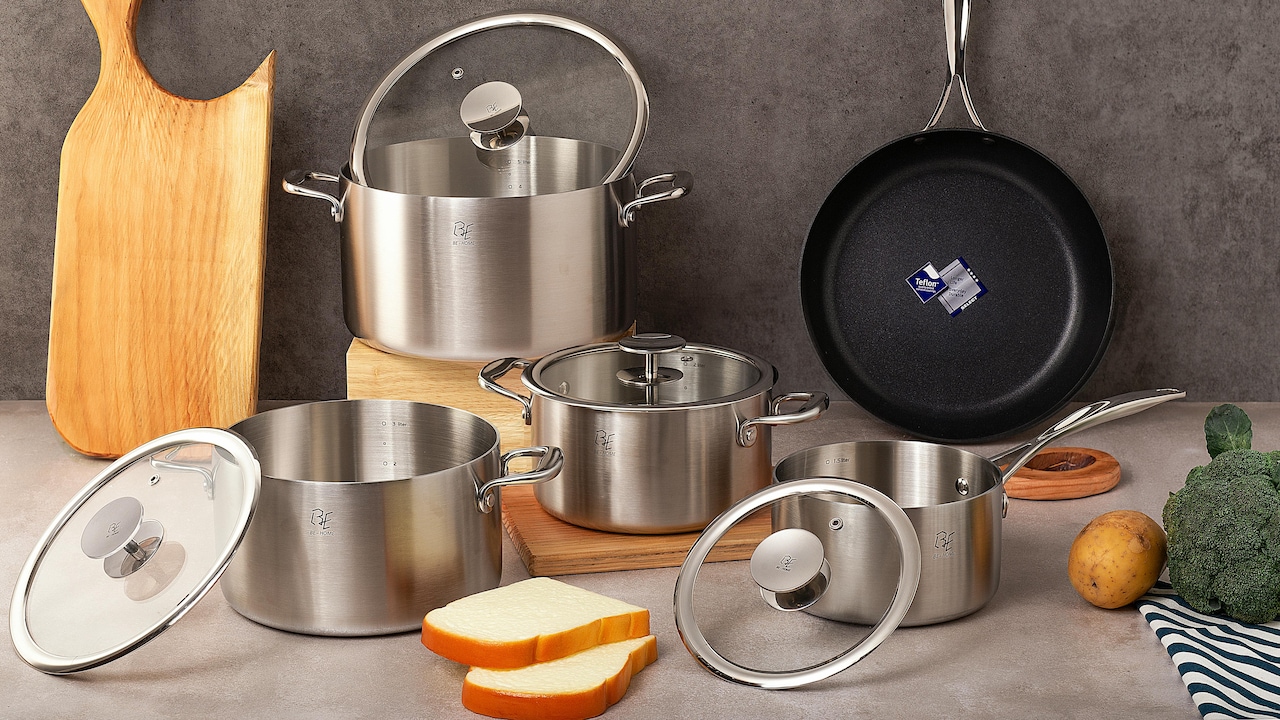
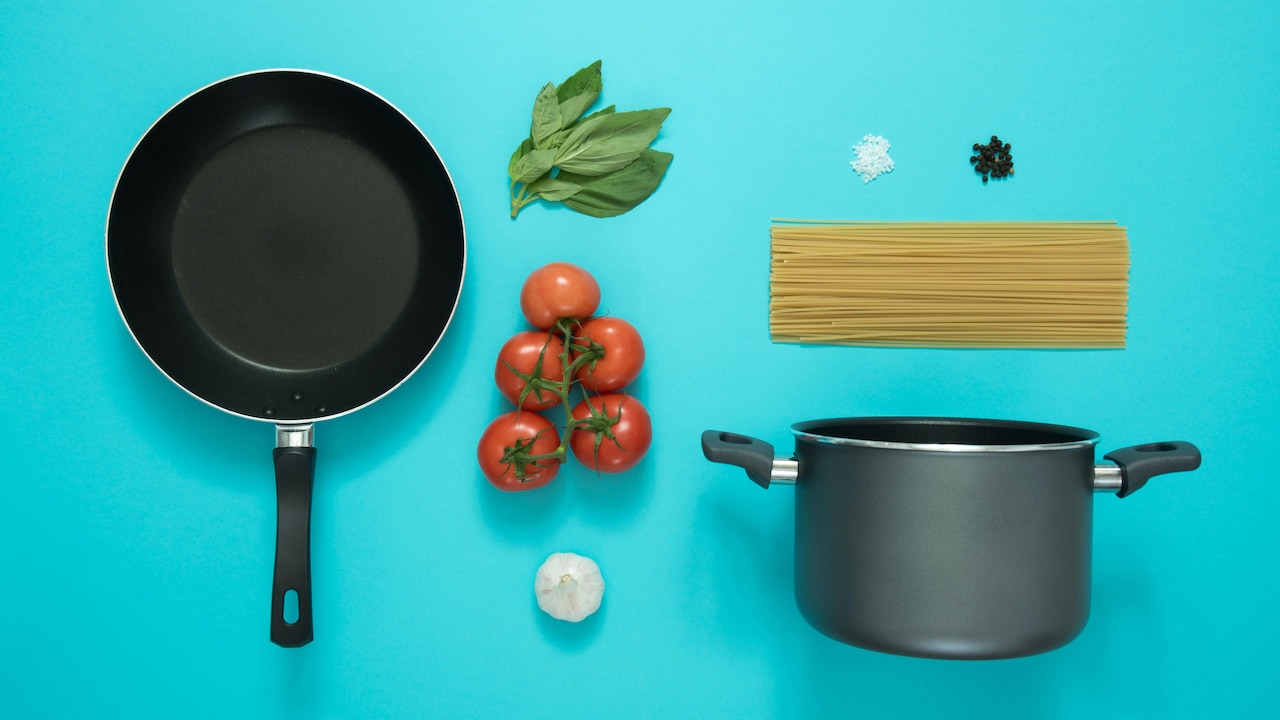
Find the cookware that matches your cooking style with these easy tips; Photo Credit: Pexels
Choosing cookware, then, becomes less about spending wisely and more about understanding habits. It is about noticing what lands on the plate most often and picking tools that make that process smoother, more enjoyable, and even a little exciting. The right cookware does not demand attention; it quietly supports every meal, from hurried breakfasts to elaborate festive spreads.
Also Read: Vinod Induction Cookware Sets: Top 6 Durable, Non-Stick Pots And Pans That Resist Scratching
How To Choose Cookware That Matches Your Cooking Style
Understand Your Everyday Cooking Habits
Before even stepping into a shop or browsing online deals, pause for a moment and think about daily cooking patterns. Does the kitchen witness quick tempering of spices, or does it host long-simmering gravies? Is cooking a rushed necessity or a cherished ritual after sunset?
Many households rely on dishes that need steady heat and patience. In such cases, cookware that distributes heat evenly becomes essential. On the other hand, fast-paced kitchens that churn out stir-fries or omelettes benefit from pans that heat up quickly and respond instantly.
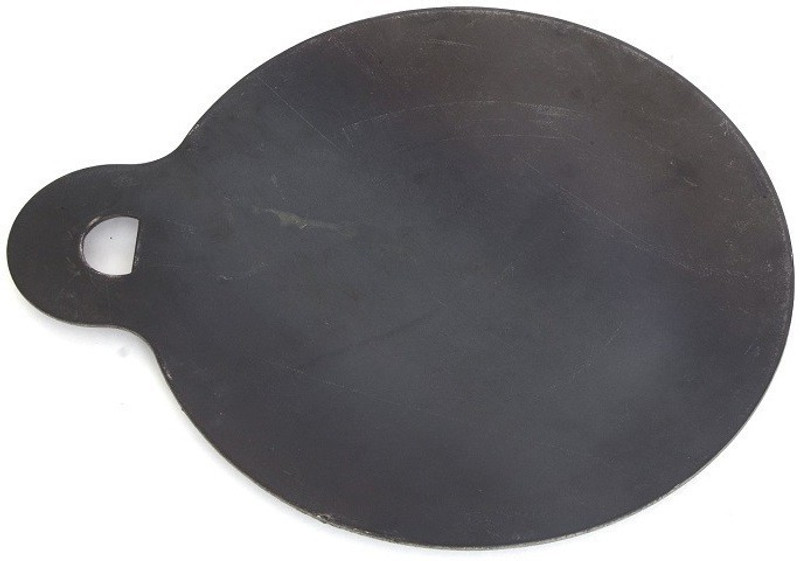
It helps to observe how often certain dishes repeat in a week. If rotis appear daily, a reliable tawa matters more than an expensive stockpot. If rice dominates most meals, investing in a sturdy pressure cooker or saucepan makes sense.
The idea is simple: cookware should match habits, not aspirations. Buying a fancy baking tray when baking happens once a year only adds clutter. Instead, tools that serve daily needs bring real value. Over time, this approach saves money and reduces frustration, making cooking feel less like a chore and more like a smooth routine.
Choose Materials That Match Cooking Styles
Cookware materials often spark debates, and for good reason. Each material behaves differently on the stove, affecting both taste and texture. Stainless steel, for instance, works beautifully for sautéing and boiling, offering durability without reacting with ingredients.
Cast iron, on the other hand, holds heat like a loyal companion. It suits slow cooking, deep frying, and dishes that need consistent warmth. However, it demands care and patience, which may not suit everyone's lifestyle.
Non-stick cookware appeals to those who prefer convenience. It reduces the need for excess oil and simplifies cleaning, making it ideal for quick meals. Yet, it may not handle high heat or heavy-duty cooking as well as other materials.
Then comes aluminium, often sandwiched between layers for better heat distribution. It works well for everyday use and balances cost with efficiency.
Selecting the right material depends on what happens in the kitchen most often. There is no single “best” option. Instead, the smartest kitchens mix and match materials, allowing each piece to play to its strengths. This thoughtful combination ensures that every dish gets the care it deserves.
Balance Budget With Long-Term Value
Budget matters, no doubt about it. Spending ₹10,000 on cookware when starting out may feel excessive. Yet, focusing only on upfront cost can lead to repeated purchases, which quietly drain more money over time.
A ₹1,500 pan that lasts five years often proves more economical than a ₹600 option that needs replacing every few months. Durability, therefore, becomes just as important as affordability.
It also helps to prioritise. Instead of buying an entire matching set, consider investing in a few high-quality essentials. A good kadhai, a dependable pressure cooker, and a versatile frying pan can cover most cooking needs.
Sales and festive offers often tempt buyers into purchasing more than necessary. While discounts feel satisfying, they should not dictate decisions. The goal is not to own more cookware but to own the right cookware.
Thinking long-term changes the approach. Instead of asking, “What can be bought within this budget?” the better question becomes, “What will last and serve daily needs?” This shift ensures that every rupee spent contributes to a smoother cooking experience.
Consider Heat Sources In The Kitchen
Not all cookware works well on every type of stove. Gas, induction, and ceramic cooktops each demand specific compatibility. Ignoring this detail can lead to frustration, especially when a newly purchased pan refuses to heat properly.
Gas stoves offer flexibility, allowing most cookware types to perform well. However, induction cooktops require flat-bottomed, magnetic materials like certain stainless steel or cast iron pieces.
For those who switch between cooking methods, versatility becomes important. Choosing cookware labelled as induction-compatible ensures future flexibility without needing replacements.
Heat distribution also varies. Some pans heat unevenly on high flames, causing food to burn in patches. Others handle temperature changes gracefully, giving better control.
Understanding the kitchen setup prevents unnecessary mistakes. It ensures that cookware works in harmony with the stove rather than against it. This small consideration can make a noticeable difference in both cooking efficiency and food quality.
Think About Maintenance And Cleaning
A shiny new pan feels exciting until it demands constant scrubbing or special care. Maintenance often gets overlooked during purchase, yet it shapes daily cooking experiences.
Non-stick cookware scores high on convenience. A quick wipe usually does the job, making it appealing for busy households. However, it requires gentle handling and avoids metal utensils.
Cast iron tells a different story. It rewards patience but asks for regular seasoning and careful drying. Neglect can lead to rust, which discourages many users over time.
Stainless steel sits somewhere in the middle. It handles tough scrubbing but may need effort to remove stubborn stains. Still, its durability makes it a reliable choice.
Choosing cookware that matches cleaning habits matters more than expected. If time for maintenance feels limited, low-maintenance options bring relief. If cooking itself feels like a hobby, then caring for cookware may become part of the joy.
Either way, the right balance ensures that cleaning does not become a reason to avoid cooking altogether.
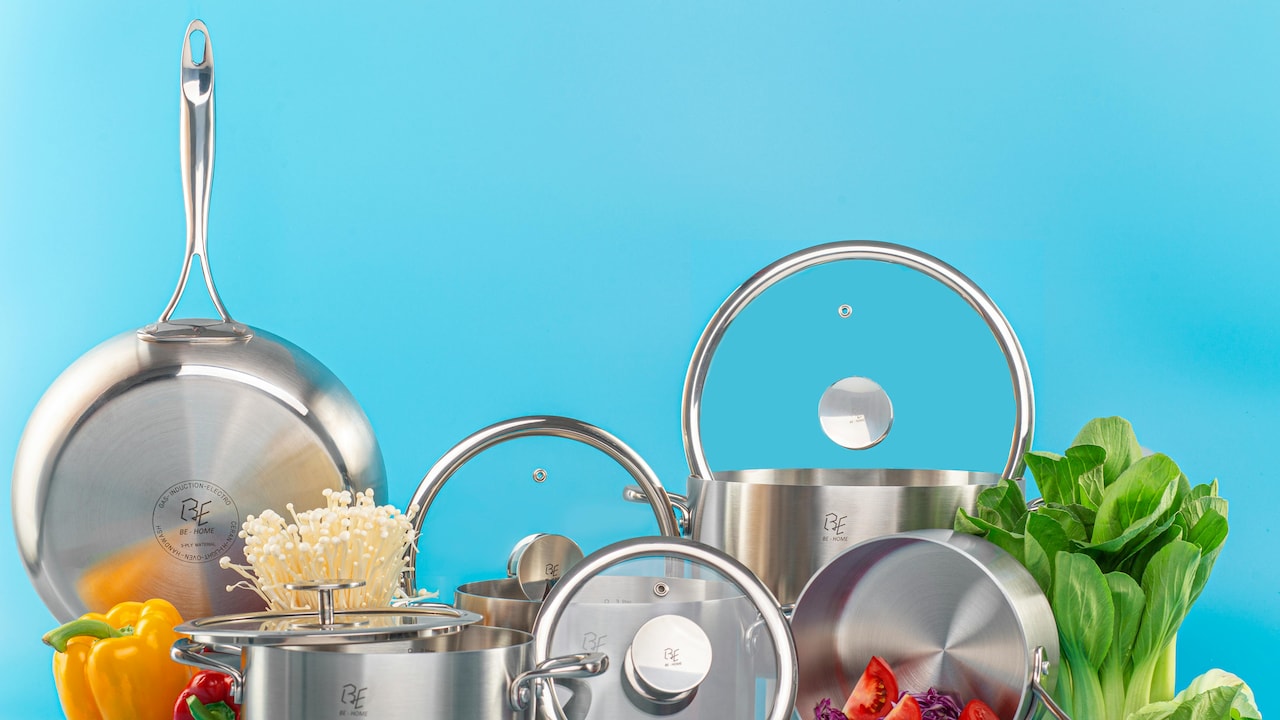
Consider the overall cleaning and maintenance to find the best match; Photo Credit: Pexels
Match Cookware Size To Family Needs
Size matters more than most realise. A tiny pan struggles to serve a large family, while oversized cookware wastes energy and effort when cooking for one or two people.
Think about portion sizes. A household that cooks in bulk benefits from larger pots and deep kadais. Smaller families may prefer compact pans that heat quickly and store easily.
Storage also plays a role. Kitchens often have limited space, and bulky cookware can create clutter. Choosing stackable or multi-purpose pieces helps maintain order.
It is also worth considering frequency. A large vessel used only during festivals may not deserve prime kitchen space. Instead, everyday essentials should remain easily accessible.
Matching size with need avoids unnecessary inconvenience. It ensures that cookware supports cooking rather than complicating it. The result is a kitchen that feels organised, efficient, and ready for any meal.
Explore Versatility Over Specialisation
Specialised cookware has its charm. A dedicated dosa tawa or a heavy-duty grill pan can enhance specific dishes. Yet, too many specialised tools can crowd the kitchen.
Versatile cookware offers greater value. A deep kadhai can handle frying, sautéing, and even simmering gravies. A sturdy saucepan can double up for boiling, reheating, or making sauces.
This flexibility reduces the need for multiple items, saving both money and storage space. It also simplifies decision-making during cooking, especially on busy days.
That said, a balance works best. A few specialised pieces can elevate favourite dishes, while versatile cookware handles everyday tasks.
The goal is not to eliminate variety but to avoid excess. A thoughtful selection ensures that every piece earns its place in the kitchen. Over time, this approach creates a collection that feels purposeful rather than overwhelming.
Pay Attention To Handles And Design
Comfort often hides in small details. A pan may look perfect but feel awkward when lifted. Handles that heat up quickly or lack grip can turn cooking into a cautious exercise.
Ergonomic design makes a difference. Handles that stay cool and offer a firm grip add confidence, especially when dealing with hot oil or heavy dishes.
Weight also matters. While heavy cookware like cast iron offers stability, it may not suit everyone. Lighter options feel easier to manage but may compromise on heat retention.
Lids deserve attention too. Well-fitting lids trap steam effectively, improving cooking results. Transparent lids allow monitoring without constant lifting.
These details may seem minor at first glance, yet they shape everyday experiences. Comfortable cookware encourages more time in the kitchen, while poorly designed pieces often get pushed to the back shelf.
Factor In Health And Safety
Cooking is not just about taste; it also connects to well-being. Certain cookware materials and coatings influence how food interacts with heat and surfaces.
Non-stick coatings reduce oil usage, supporting lighter meals. However, they require careful handling to avoid damage. Scratched surfaces may affect performance over time.
Stainless steel offers a safe, non-reactive surface, making it suitable for acidic dishes. Cast iron, meanwhile, adds small amounts of iron to food, which some find beneficial.
Avoiding low-quality materials becomes important. Extremely cheap options may compromise safety, especially when exposed to high heat.
Choosing cookware with safety in mind builds confidence. It ensures that meals nourish without unintended risks. This awareness turns cookware selection into an investment in both taste and health.
Build Your Collection Gradually
There is no need to rush into buying everything at once. Kitchens evolve, and so do cooking habits. Starting with a few essentials allows room for learning and adjustment.
Over time, patterns emerge. Perhaps baking becomes a weekend ritual, or stir-fries replace heavy meals. These shifts guide future purchases more effectively than any initial guess.
Gradual building also spreads out expenses. Instead of spending ₹15,000 in one go, smaller, thoughtful additions feel easier on the pocket.
It also reduces regret. Impulse purchases often end up unused, while carefully chosen pieces earn regular use.
A kitchen grows best when it reflects real experiences. Each new addition should solve a problem or enhance a favourite dish. This organic approach creates a collection that feels personal, practical, and perfectly aligned with everyday life.
Products Related To This Article
1. CUMIN CO. Cast Iron Kadai LITE with Lid | 2L, 24 cm
2. Kreme Ceracook Ceramic Coated Granite Cookware Gift Set 4pcs Casserole
3. Kraft Futuretec 4 Pcs Triply Stainless Steel Cookware Set Combo
4. TRAMONTINA Bestow Fry Pan 30 cm with Lid
5. SOLARA Belmont Ceramic Fry Pan Non Stick 24cm
Choosing cookware goes far beyond scanning price tags or chasing discounts. It is a quiet reflection of how meals come together each day. From early morning chai to late-night comfort food, every dish depends on tools that support the process without fuss.
When cookware matches cooking style, everything feels smoother. Food cooks evenly, cleaning feels manageable, and the kitchen becomes a space of ease rather than effort. The focus shifts from struggling with tools to enjoying the act of cooking itself.
A thoughtful approach, one that considers habits, materials, maintenance, and long-term value, turns cookware into a reliable partner. It removes guesswork and builds confidence, whether preparing a simple dal or experimenting with something new.
In the end, the best cookware is not the most expensive or the most popular. It is the one that quietly fits into daily life, making every meal a little easier and a lot more satisfying.
(Disclaimer: This article may include references to or features of products and services made available through affiliate marketing campaigns. NDTV Convergence Limited (“NDTV”) strives to maintain editorial independence while participating in such campaigns. NDTV does not assume responsibility for the performance or claims of any featured products or services.)











![Steam Iron Teflon Shoe Cover for ES-300,ST-96 [Only For ES-300 and ST-96 Model Electric Steam Irons]](https://m.media-amazon.com/images/I/51wwkttondL._SL160_.jpg)