Are Dimmable LEDs Worth It Without Compatible Switches?
Dimmable LEDs sound appealing, but without compatible switches, they often flicker or fail to dim. Are they still worth the cost, or just an upgrade that doesn’t deliver?

How efficient are dimmable LEDs without compatible switches
Walk into any lighting store today and the words “dimmable LED” appear almost everywhere. It sounds like an easy upgrade: swap out old bulbs, enjoy soft lighting during a quiet evening, and crank it up when guests arrive. Simple, right? Not quite. Lighting, much like cooking, depends on the right combination of ingredients. A perfectly good ingredient can fall flat if paired poorly. Dimmable LEDs without compatible switches create a similar mismatch. Many households assume the bulb alone does the magic, but the switch plays an equally crucial role.

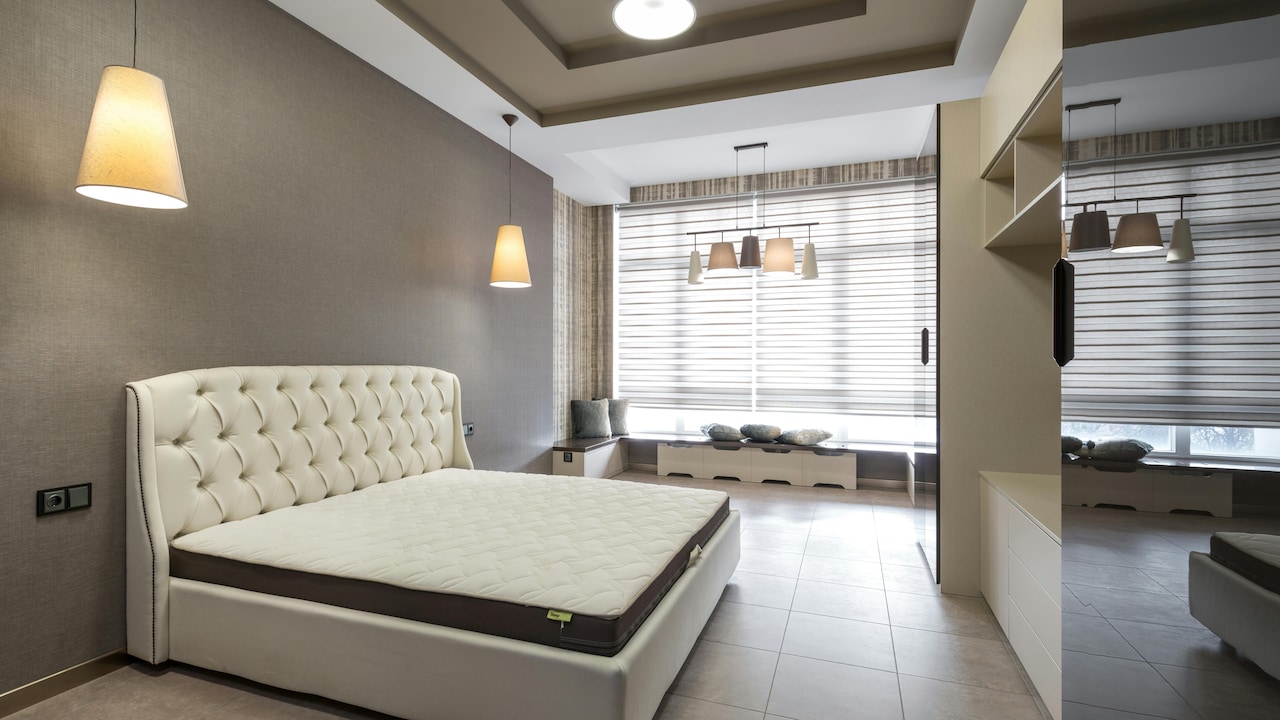
What makes dimmable LEDs worth it in Indian households; Photo Credit: Pexels
The result of this misunderstanding ranges from mild disappointment to outright frustration. Lights flicker, refuse to dim, or buzz like an annoyed ceiling fan in peak summer. For anyone trying to create a cosy reading corner or a calm bedroom vibe, this becomes more than a technical issue. It feels like money wasted.
So, are dimmable LEDs still worth buying without the proper switches? Or does it make more sense to stick with standard LEDs until everything aligns? Let's unpack this, one practical angle at a time.
Also Read: Style Your House With These Types Of Lamps That Suits Your Room
Understanding The Real Value Of Dimmable LEDs In Everyday Use
The Promise Of Dimmable LEDs
Dimmable LEDs carry a certain charm. They offer control over brightness, which instantly transforms a space. A living room feels warm and inviting under softer light, while a study demands brighter illumination. This flexibility makes dimmable LEDs appealing.
In homes where every rupee counts, energy efficiency also matters. Dimming a light reduces power consumption, which reflects on electricity bills over time. While the savings may not slash ₹1000 overnight, they do add up gradually, especially in households with multiple lights.
There's also the emotional aspect. Lighting influences mood more than most realise. A dim glow during a quiet dinner or a relaxed weekend evening feels comforting. It creates a sense of calm that harsh white light simply cannot.
However, this promise depends heavily on compatibility. Without the right switch, the bulb cannot perform as intended. It's like owning a smart TV without internet access. Technically advanced, yet limited in real use. The potential exists, but remains locked away.
What Happens Without Compatible Switches
Using dimmable LEDs with regular switches leads to a mixed bag of experiences. Sometimes the light turns on normally, giving a false sense that everything works fine. Then come the quirks.
Flickering stands out as the most common complaint. The light pulses slightly, especially at lower brightness levels. It may seem harmless at first but becomes irritating over time, particularly in bedrooms or workspaces.
Buzzing noises also creep in. These faint sounds, often ignored initially, grow noticeable in quiet settings. Imagine settling down with a book, only to hear a persistent hum overhead.
In some cases, the bulb refuses to dim altogether. It behaves like a standard LED, making the extra cost pointless. Worse still, incompatibility can shorten the bulb's lifespan. A product expected to last years might fail much sooner.
These issues arise because standard switches lack the ability to regulate current smoothly. Dimmable LEDs require precise control, which only compatible dimmers provide. Without that, the system struggles to function properly.
Understanding How Dimming Actually Works
Dimming may seem like a simple concept, but the process involves more than just reducing brightness. Traditional dimmers worked well with incandescent bulbs because they handled voltage changes smoothly.
LEDs, however, operate differently. They rely on electronic drivers that control power flow. These drivers expect a stable, compatible signal from the switch. When paired with outdated dimmers or regular switches, this signal becomes inconsistent.
Think of it like streaming a video on a slow connection. The content exists, but buffering disrupts the experience. Similarly, an incompatible setup disrupts the LED's performance.
Modern LED dimmers use advanced technology to ensure smooth transitions in brightness. They prevent flicker, eliminate noise, and extend the bulb's life. Without this support, the LED struggles to interpret the input correctly.
Understanding this helps explain why simply buying a dimmable bulb isn't enough. The entire system needs to work together. Otherwise, the experience falls short of expectations.
The Cost Factor: Saving Or Spending More?
At first glance, dimmable LEDs seem like a smart investment. They promise energy savings and long-term efficiency. Yet, without compatible switches, the financial picture becomes less clear.
Dimmable LEDs usually cost more than standard ones. Spending ₹300 on a bulb that behaves like a ₹150 option doesn't feel wise. The extra features remain unused, which defeats the purpose.
Then comes the hidden cost of replacement. Frequent flickering or early failure leads to buying new bulbs sooner than expected. Over time, this adds up, quietly increasing expenses.
On the flip side, installing compatible dimmer switches requires an upfront investment. Quality dimmers can cost anywhere between ₹800 and ₹2500, depending on brand and features. While this might seem steep initially, it unlocks the full value of the bulbs.
The decision ultimately depends on long-term thinking. Without compatible switches, dimmable LEDs often become an unnecessary expense rather than a smart upgrade.
Everyday Scenarios Where It Matters
Lighting isn't just functional; it shapes daily experiences. Consider a typical evening at home. After a long day, softer lighting helps create a relaxed atmosphere. Dimmable LEDs shine in such moments, if they work properly.
Without compatible switches, this scenario changes. Instead of a gentle glow, the light either stays harsh or flickers annoyingly. The intended comfort disappears.
In bedrooms, the issue becomes more noticeable. A calm environment aids better sleep. Flickering lights, however subtle, disrupt that calm. Over time, this affects comfort levels.
In living rooms, where guests gather, lighting plays a social role. Adjustable brightness helps set the mood, whether it's a lively get-together or a quiet chat. Without proper dimming, this flexibility vanishes.
Even in study areas, controlled lighting reduces eye strain. A stable, adjustable light supports focus better than inconsistent brightness.
These everyday situations highlight how much difference proper compatibility makes. It's not just about technology; it's about comfort and usability.

Without compatible switches, the light either stays harsh or flickers annoyingly; Photo Credit: Pexels
Are There Any Workarounds?
Many households look for quick fixes instead of replacing switches. Some solutions exist, but they come with limitations.
Using dimmable LEDs as regular bulbs is the simplest workaround. They will function, but without dimming benefits. This approach wastes their core feature.
Another option involves choosing “universal” LEDs designed to handle a range of dimmers. While they improve compatibility, they don't guarantee perfect performance with standard switches.
Smart bulbs offer an alternative. Controlled via apps or remotes, they bypass traditional switches altogether. However, these come with higher costs, often ranging from ₹800 to ₹3000 per bulb. They also depend on stable internet connections.
Plug-in dimmers provide a temporary solution for certain setups, especially with lamps. Yet, they don't suit permanent fixtures like ceiling lights.
Each workaround solves part of the problem, but none fully replace a proper dimmer switch. They serve as stopgaps rather than long-term solutions.
The Role Of Smart Lighting
Smart lighting has changed how homes interact with light. With app-based controls, voice commands, and scheduling features, it feels like a step into the future.
In situations where compatible switches are missing, smart bulbs offer a compelling alternative. They allow dimming without changing existing wiring. Adjust brightness through a phone, and the job gets done.
However, this convenience comes with trade-offs. Smart bulbs cost significantly more than standard LEDs. Outfitting an entire home can quickly cross ₹10,000.
There's also the matter of reliability. Dependence on apps and connectivity introduces new points of failure. A network glitch can leave lights unresponsive at the worst moment.
For tech enthusiasts, smart lighting feels exciting. For others, it may seem unnecessary complexity. While it solves compatibility issues, it introduces its own set of considerations.
Smart lighting works best as a deliberate upgrade rather than a workaround born out of frustration.
Longevity And Performance Concerns
Dimmable LEDs promise long lifespans, often lasting years under ideal conditions. However, incompatible setups can significantly affect their durability.
Frequent flickering stresses internal components. Over time, this reduces efficiency and shortens lifespan. Instead of lasting five to seven years, the bulb may fail much earlier.
Heat management also plays a role. Improper dimming can cause uneven power distribution, leading to overheating. This not only affects performance but also poses safety concerns.
Consistent performance matters just as much as longevity. A bulb that flickers or buzzes daily becomes a constant annoyance. Even if it technically works, the experience feels subpar.
Investing in compatible switches ensures stable operation. It protects both the bulb and the overall lighting system.
In the long run, proper compatibility doesn't just improve performance, it preserves the value of the investment.
When It Makes Sense To Buy Them Anyway
Despite the challenges, there are situations where buying dimmable LEDs without compatible switches still makes sense.
Future planning stands out as a key reason. If there's an intention to upgrade switches later, purchasing dimmable LEDs now avoids replacing bulbs again. It spreads costs over time.
Availability also plays a role. In some stores, dimmable LEDs dominate the shelves. Finding non-dimmable options becomes surprisingly difficult. In such cases, buying what's available keeps things simple.
Certain setups don't require dimming immediately. Hallways, balconies, or storage areas may not need adjustable lighting. Using dimmable LEDs here doesn't cause major issues.
However, clarity matters. Buying them with realistic expectations prevents disappointment. They won't deliver full benefits until paired with the right switches.
Approached thoughtfully, dimmable LEDs can still fit into a broader upgrade plan rather than becoming a wasted purchase.
Making The Right Decision For Your Home
Choosing between dimmable and standard LEDs depends on priorities. If immediate functionality matters, standard LEDs offer a straightforward solution. They work reliably with existing switches and cost less.
For those seeking ambience and flexibility, investing in compatible dimmers becomes essential. It unlocks the full potential of dimmable LEDs and enhances everyday living.
Budget plays a significant role. Upgrading an entire home at once may not feel practical. A phased approach works better. Start with key areas like living rooms or bedrooms, then expand gradually.
Understanding the setup prevents frustration. Lighting upgrades should feel rewarding, not confusing. Taking time to plan ensures better results.
Ultimately, the decision comes down to alignment. When bulbs, switches, and expectations match, lighting transforms from a basic necessity into a meaningful part of the home.
Products Related To This Article
1. Glocusent Lightweight Rechargeable 10 Led Amber Book Light For Reading In Bed
2. Niwlix Plastic Touch Control LED Table Lamp Night Light for Bedroom Rechargeable Brightness
3. One94Store 40cm Motion Sensor Under Cabinet LED
4. Fulminare Plastic LED Desk Lamp Dimmable Reading Table Lamp with USB Charging Port 3 Colour Mode
5. Wipro 9W Bluetooth Enabled Smart Bulb E27
Dimmable LEDs hold undeniable appeal. They promise control, comfort, and efficiency in a single package. Yet, without compatible switches, much of that promise remains unrealised.
The mismatch leads to flickering lights, wasted money, and missed opportunities to create the right atmosphere. While workarounds exist, they rarely match the effectiveness of proper dimmer switches.
For anyone considering this upgrade, the key lies in planning. Either commit to the full setup or choose standard LEDs for simplicity. Half-measures often lead to half-satisfying results.
Lighting may seem like a small detail, but it shapes daily life in subtle ways. Getting it right makes evenings calmer, spaces more inviting, and homes more comfortable.
In the end, dimmable LEDs are worth it, but only when given the right partner to shine alongside.
(Disclaimer: This article may include references to or features of products and services made available through affiliate marketing campaigns. NDTV Convergence Limited (“NDTV”) strives to maintain editorial independence while participating in such campaigns. NDTV does not assume responsibility for the performance or claims of any featured products or services.)