Do Bath Towels Ever Stay Soft? Fabric Blends That Don’t Turn Scratchy
Soft towels often turn rough after a few washes. The secret lies in fabric blends and care. Discover which materials stay soft longer and how to keep that fresh, fluffy feel alive.
Top towel fabric blends that stay soft even after continous usage
Few things feel as indulgent as stepping out of a shower and reaching for a soft, fluffy towel. It's a small luxury, but one that shapes daily comfort in surprising ways. Yet, over time, many towels lose that charm. What begins as a cloud-like embrace slowly turns coarse, thin, and slightly disappointing.

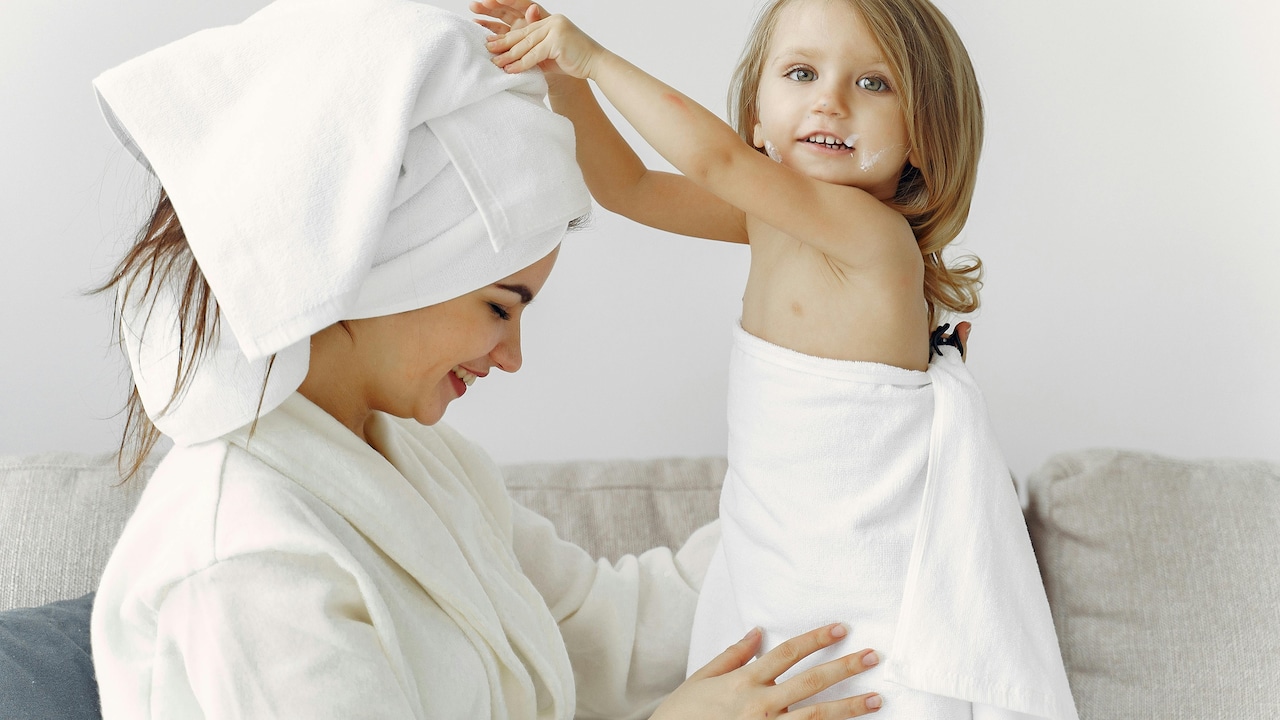
Best towel fabrics that don't get rough with gradual use; Photo Credit: Pexels
This isn't just bad luck or poor quality. Towels go through a lot: hard water, strong detergents, over-drying, and frequent washing. Each factor chips away at their texture. The question then arises: is there a way to keep towels soft for longer, or even better, choose ones that resist becoming scratchy in the first place?
The answer lies in understanding fabrics and blends. Some materials are naturally more resilient, while others need extra care. With the right choices and habits, that fresh-out-of-the-store softness doesn't have to be a short-lived experience.
Also Read: Upgrade Your Bath Space: Shop Plush Towels And Accessories Starting At ₹1000 On Myntra
Understanding Why Some Towels Stay Soft And Others Don't
Why Towels Lose Their Softness Over Time
Softness fades gradually, often without notice until one day it becomes impossible to ignore. The primary culprit tends to be residue. Detergents, especially when used in excess, cling to fibres and stiffen them. Add to that the minerals in hard water, common in many cities, and the fabric begins to feel weighed down.
Frequent machine drying can also damage fibres. High heat weakens them, causing a rough texture. Then comes overuse. Towels endure daily wear, and without proper care, their loops flatten and lose their bounce.
Even the way towels are stored plays a role. Damp environments encourage stiffness and odour. A towel left hanging in a humid bathroom rarely dries properly, which affects its feel over time.
Understanding these causes helps shift the focus from blaming the towel to managing its environment. With a few adjustments, softness can last longer than expected.
The Science Behind Fabric Blends
Not all towels are created equal. Pure cotton often gets the spotlight, but blends bring their own advantages. When fibres combine, they create a balance between softness, durability, and absorbency.
Cotton, for instance, provides plushness and water absorption. When blended with materials like bamboo or microfibre, the towel gains added strength and resilience. These blends help fibres retain their structure even after repeated washes.
The texture also depends on how the fibres are woven. Dense loops create a softer feel, while tighter weaves improve longevity. Blends allow manufacturers to fine-tune this balance, ensuring the towel feels good and lasts longer.
Rather than chasing the softest towel on the shelf, it helps to consider how it will perform after months of use. Blended fabrics often prove to be the unsung heroes in this regard.
Cotton-Bamboo Blends: Softness With Staying Power
Cotton and bamboo together create a compelling combination. Cotton delivers familiarity, soft, breathable and absorbent. Bamboo adds a silky smoothness and natural antibacterial properties.
This blend tends to stay soft longer because bamboo fibres resist stiffness. They don't trap detergent residue as easily and handle moisture efficiently. Even after multiple washes, the towel maintains a gentle texture.
Another advantage lies in how the fabric feels against the skin. It offers a subtle sheen and a smoother glide, almost like a spa towel. For households dealing with hard water, this blend can make a noticeable difference.
While these towels may cost slightly more, often around ₹800 to ₹1,500 depending on size and quality, the longevity justifies the investment. Instead of replacing rough towels every few months, a well-chosen blend can last significantly longer.
Egyptian Cotton Vs Blended Fabrics
Egyptian cotton often carries a reputation for luxury. Its long fibres create a plush and absorbent towel that feels indulgent at first touch. However, this softness can diminish without careful maintenance.
Blended fabrics, on the other hand, prioritise durability alongside comfort. While they may not match the initial plushness of Egyptian cotton, they often outperform it over time. The addition of synthetic or bamboo fibres helps maintain structure and resist wear.
In daily use, practicality matters more than initial appeal. A towel that starts softer but becomes scratchy within months may not be the best choice. Blends offer consistency, which many households value.
That said, Egyptian cotton still has its place. With proper care, gentle washing, limited detergent, and air drying, it can remain soft. The choice ultimately depends on whether convenience or tradition takes priority.
Microfibre Blends: Lightweight And Long-Lasting
Microfibre towels have gained popularity for their quick-drying nature. When blended with cotton, they strike a balance between softness and efficiency.
These towels feel lighter and dry faster than traditional options. This reduces the risk of dampness-related stiffness. They also resist shrinking and maintain their shape well.
While the texture may differ slightly from classic plush towels, it doesn't necessarily feel inferior. Instead, it offers a smoother, almost velvety touch. For those living in humid climates, this blend proves especially useful.
Affordability adds to their appeal. Good-quality microfibre blends often range between ₹400 and ₹900, making them accessible without compromising too much on comfort.
Over time, these towels hold their softness better than expected, especially when compared to pure cotton options subjected to frequent heavy washing.

Look for towels made of microfibre as they are durable, lightweight, and long-lasting; Photo Credit: Pexels
The Role Of GSM In Towel Softness
GSM, or grams per square metre, determines a towel's density. Higher GSM towels feel thicker and more luxurious, while lower GSM options are lighter and quicker to dry.
Softness often correlates with GSM, but only up to a point. Extremely high GSM towels may feel plush initially, but take longer to dry, which can lead to stiffness if not handled properly.
Blended fabrics often use moderate GSM levels to strike a balance. They provide enough thickness for comfort without compromising drying time.
Choosing the right GSM depends on lifestyle. For daily use, a mid-range GSM towel, around 400 to 600, offers a practical mix of softness and durability. Pairing this with a good fabric blend ensures the towel stays pleasant over time.
Rather than chasing extremes, a balanced approach tends to deliver better long-term results.
Washing Habits That Preserve Softness
Even the best towel can turn scratchy with poor washing habits. Excess detergent remains one of the biggest mistakes. A smaller amount often cleans just as effectively without leaving residue.
Cold or warm water works better than hot cycles for preserving fibres. Adding a splash of vinegar occasionally helps break down buildup and restore softness.
Fabric softeners may seem like a solution, but they often coat fibres and reduce absorbency. Over time, this leads to stiffness rather than softness.
Spacing out washes also helps. Towels don't always need daily laundering unless heavily used. Allowing them to air out between uses keeps them fresher for longer.
Consistency matters more than effort. Small adjustments in routine can significantly extend the life and feel of a towel.
Drying Techniques That Make A Difference
Drying plays a crucial role in maintaining texture. Overdrying in high heat damages fibres, making them brittle. A gentler approach works better.
Air drying remains one of the most effective methods. Hanging towels in a well-ventilated space helps them retain softness. If using a dryer, a low heat setting with dryer balls can keep fibres fluffy.
Shaking out towels before drying also helps. It prevents fibres from clumping together, which contributes to stiffness.
Humidity can complicate things. In such cases, combining air drying with a short tumble cycle often delivers the best results.
The goal isn't perfection but balance. A mindful drying routine ensures towels stay soft without excessive effort.
Hard Water And Its Hidden Impact
Hard water quietly affects household fabrics. The minerals present in it settle into fibres, making towels feel rough over time.
This issue becomes more noticeable in areas with high mineral content in the water supply. Towels washed repeatedly in such conditions often lose their softness faster.
Using a water softener or adding simple agents like baking soda can help counteract this effect. These solutions break down mineral deposits and restore some softness.
Blended fabrics handle hard water better than pure cotton. Their mixed fibre structure resists buildup, making them a practical choice for many homes.
Addressing water quality may seem like a small step, but it can dramatically improve how towels feel and last.
When To Replace A Towel
Even with the best care, towels don't last forever. Over time, fibres break down, and softness becomes difficult to maintain.
Signs of wear include thinning fabric, persistent roughness, and reduced absorbency. When a towel stops doing its job, it may be time for a replacement.
Investing in better blends can extend this cycle. Instead of replacing towels every few months, a good-quality option can last years with proper care.
Repurposing old towels also helps reduce waste. They work well as cleaning cloths or for household chores.
Recognising when to let go ensures comfort doesn't take a backseat to habit.
Products Related To This Article
1. DAMENSCH Better Solid Pure Cotton 500GSM Super Soft Adult Regular Bath Towel
2. MYTRIDENT Pink 400 GSM Pure-Cotton Bath Towel
3. MAFATLAL Waffle Floral Pure Cotton 250GSM Super Soft Adult Regular Bath Towel
4. Fezora Grey Solid Microfiber 500GSM Breathable Adult Regular Bath Towel
5. MAXOSHINE Pink & Pink 2 Printed 350 GSM Bath Towel
Soft towels aren't a fleeting luxury reserved for the first few washes. With the right fabric choices and thoughtful care, they can remain gentle and inviting for much longer.
Blended fabrics, especially those combining cotton with bamboo or microfibre, offer a practical solution. They balance softness with durability, making them well-suited for everyday use. Alongside this, simple habits, like mindful washing and proper drying, play a crucial role.
Ultimately, the journey of a towel reflects how it's treated. A little attention goes a long way in preserving that comforting touch. And in a world filled with daily rush, stepping out of a shower into a soft, welcoming towel remains one of life's simplest, most satisfying pleasures.
(Disclaimer: This article may include references to or features of products and services made available through affiliate marketing campaigns. NDTV Convergence Limited (“NDTV”) strives to maintain editorial independence while participating in such campaigns. NDTV does not assume responsibility for the performance or claims of any featured products or services.)