Why Clear Containers Do Not Always Make Organisation Easier
Clear containers look neat but often complicate everyday organisation. From extra maintenance to lack of flexibility, this trend may not be as practical as it seems.
Why Clear Containers Do Not Always Make Organisation Easier
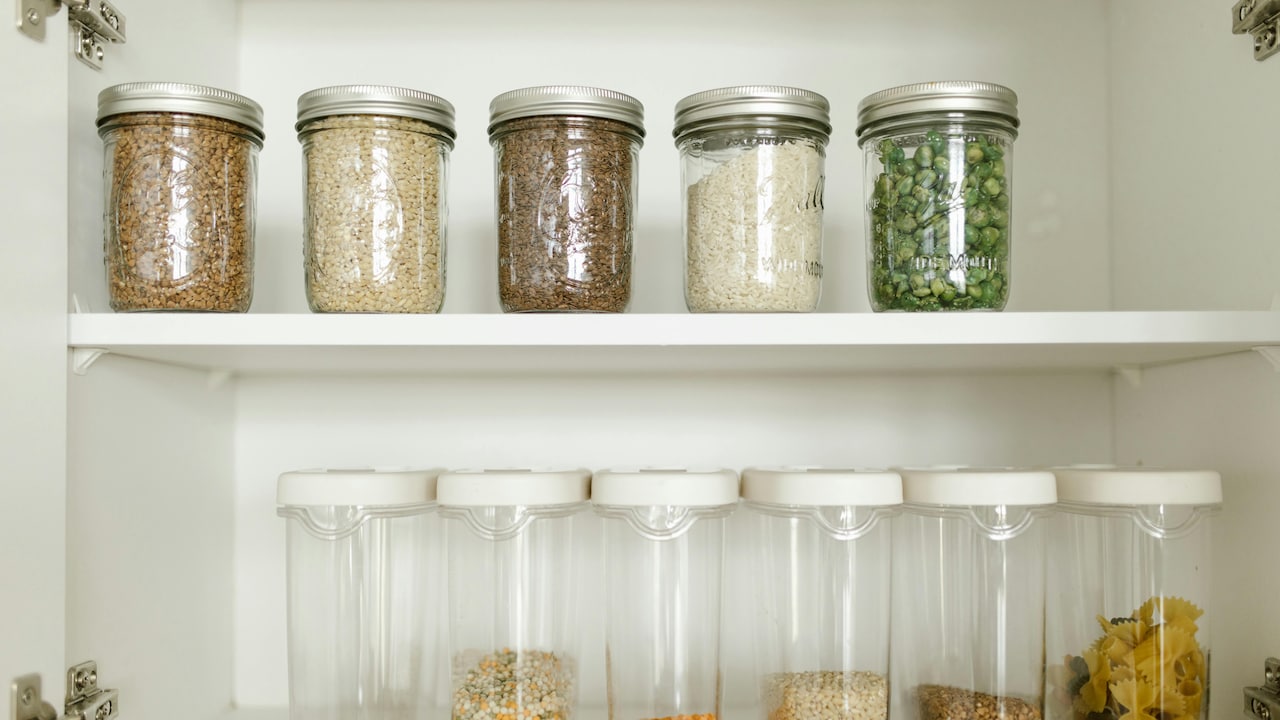
Scroll through social media, and the message feels loud and clear: transparent jars, boxes, and bins are the ultimate solution to a clutter-free home. Kitchens gleam with neatly aligned pulses, wardrobes look like boutique displays, and everything appears calm, sorted, and in control. It is tempting to believe that simply switching to clear containers will transform chaos into order overnight.
Yet, real life rarely mirrors those polished visuals. A busy household, unpredictable schedules, and everyday habits often clash with the rigid expectations of aesthetic organisation. Clear containers, while visually appealing, come with their own set of challenges that are rarely discussed.
Organisation is not just about how things look. It is about how smoothly life flows within a space. When the system becomes harder to maintain than the clutter it replaces, something has gone wrong. Clear containers, despite their popularity, can sometimes complicate rather than simplify daily routines.
Why Clear Containers Do Not Always Make Organisation Easier; Photo Credit: Pexels
Where Clear Containers Fall Short In Everyday Organisation
Visual Clutter Still Exists
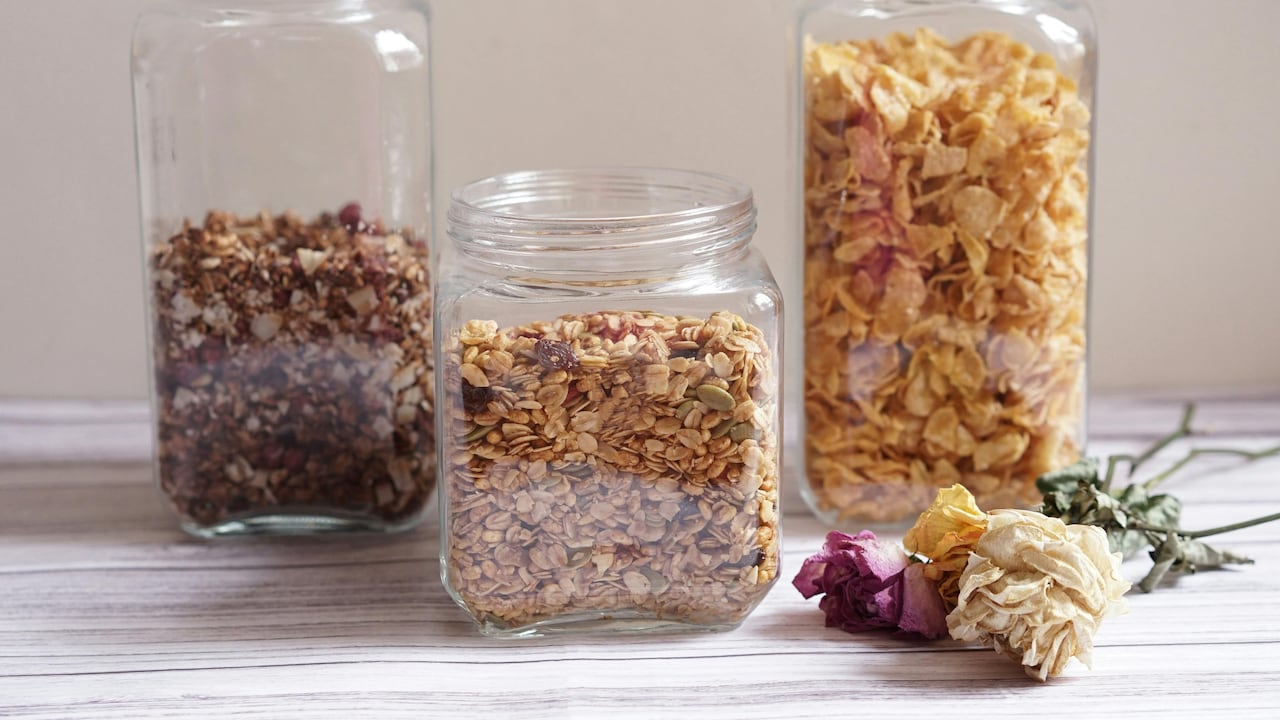
Transparency does not eliminate clutter; it simply puts it on display. A shelf filled with mismatched spices, half-used packets, and oddly shaped ingredients can quickly feel overwhelming, even when neatly arranged in clear jars. The eye registers every detail, from uneven quantities to slightly messy contents.
In homes where cooking happens frequently, ingredients are rarely uniform. A jar of masoor dal may look tidy one day and scattered the next. Multiply that across ten or fifteen containers, and the result feels more chaotic than calming.
Visual clutter affects the mind in subtle ways. Instead of feeling organised, the space can create a sense of constant awareness, almost like a to-do list sitting in plain sight. Ironically, opaque containers or cupboards that conceal contents can offer a more peaceful environment. Sometimes, what cannot be seen does not demand attention.
Also Read: Keep Your Kitchen Organised: Top 10 Grocery Containers For Kitchen
Maintenance Becomes A Chore
Clear containers demand upkeep. Fingerprints, smudges, and dust become highly visible, especially in kitchens where oil and spices are part of daily life. A glance at a shelf can reveal streaks that were never noticeable before.
Keeping these containers spotless requires regular wiping and cleaning. Over time, this effort adds up. What began as an attempt to simplify life turns into another household responsibility.
Consider a typical weekday morning. Between preparing breakfast, packing lunches, and rushing out the door, wiping down containers is rarely a priority. Yet, the visible marks linger, making the space look untidy despite being organised.
Organisations should reduce effort, not increase it. When maintaining the system becomes as demanding as managing clutter, the balance tips in the wrong direction.
Over-Purchasing And Wasted Money
The appeal of uniformity often leads to buying more containers than necessary. Matching sets, varying sizes, and aesthetic appeal can quickly turn into a significant expense. A single container may cost ₹300 to ₹800, and a full set can easily cross ₹5,000.
The irony lies in purchasing containers before fully understanding storage needs. Some remain unused, others prove impractical, and a few simply do not fit the intended space.
Additionally, once items are transferred into containers, the original packaging often gets discarded. Important details like expiry dates or cooking instructions may be lost in the process. This can lead to waste, especially when forgotten ingredients sit unnoticed.
Organisations should ideally save money by reducing duplication and waste. However, when driven by aesthetics alone, it can lead to the opposite outcome.
Why Clear Containers Do Not Always Make Organisation Easier; Photo Credit: Pexels
Lack Of Flexibility
Clear containers work best when contents remain consistent. Real life, however, rarely follows a fixed pattern. Groceries vary each week depending on availability, preferences, or sudden cravings.
One week, the pantry may hold quinoa and oats. Next, it may be filled with poha, rava, and an extra bag of rice bought at a discount. Standard container sizes struggle to adapt to these changes.
This rigidity forces adjustments that do not always make sense. Larger packets may not fit, smaller items may leave containers half empty, and the overall system begins to feel forced rather than functional.
Flexibility is key to a sustainable organisation. Systems that adapt to changing needs tend to last longer and feel more natural.
Time-Consuming Setup
Setting up clear containers is not as simple as pouring and storing. It involves washing, drying, labelling, and arranging each container carefully. For a fully stocked kitchen, this process can take several hours.
The initial enthusiasm often fades midway through the task. Half-labelled jars, mismatched lids, and incomplete arrangements become common sights.
Even after setup, refilling requires effort. Each grocery trip turns into a mini project of transferring items into containers. For busy households, this extra step can feel unnecessary.
Organisation should fit seamlessly into daily routines. When it demands dedicated time and energy, it risks becoming unsustainable in the long run.
Not Always Space-Efficient
Contrary to popular belief, clear containers do not always maximise space. Uniform shapes may look neat, but often fail to utilise every inch of storage effectively.
Original packaging is often designed to fit efficiently on shelves. Transferring items into rigid containers can create gaps and unused spaces. A shelf that once held five packets may now hold only three containers.
In smaller homes where storage is limited, this inefficiency becomes noticeable. Every inch matters, and wasted space can quickly lead to overflow in other areas.
Organisation is not just about appearance; it is about smart use of space. Systems that prioritise function over form tend to work better in the long term.
Why Clear Containers Do Not Always Make Organisation Easier; Photo Credit: Pexels
Labels Become Another Task
Clear containers often rely on labels for clarity, especially when storing similar-looking items like sugar, salt, and flour. Without labels, confusion can arise quickly.
Creating and maintaining labels adds another layer of responsibility. Labels may peel off, fade, or become outdated when contents change. Replacing them requires time and effort.
There is also a subtle pressure to make labels look neat and consistent. Handwritten labels may feel messy, while printed ones require additional tools and planning.
What began as a simple storage solution gradually evolves into a project that demands attention to detail. For many households, this level of effort feels unnecessary.
Encourages Aesthetic Over Function
Clear containers often prioritise how a space looks rather than how it works. The focus shifts towards achieving a uniform appearance rather than creating a system that suits daily habits.
For instance, storing snacks in identical jars may look appealing but can make access inconvenient, especially for children or elderly family members. Original packaging, though less attractive, is often more practical.
The pressure to maintain a picture-perfect setup can also create stress. A slightly disorganised container stands out immediately, disrupting the overall aesthetic.
The organisation should serve the people using the space. When aesthetics take precedence over functionality, the system begins to feel restrictive rather than helpful.
Transparency Does Not Equal Accessibility
Seeing everything does not necessarily make it easier to find or use items. In fact, too much visibility can create confusion, especially when multiple containers look similar.
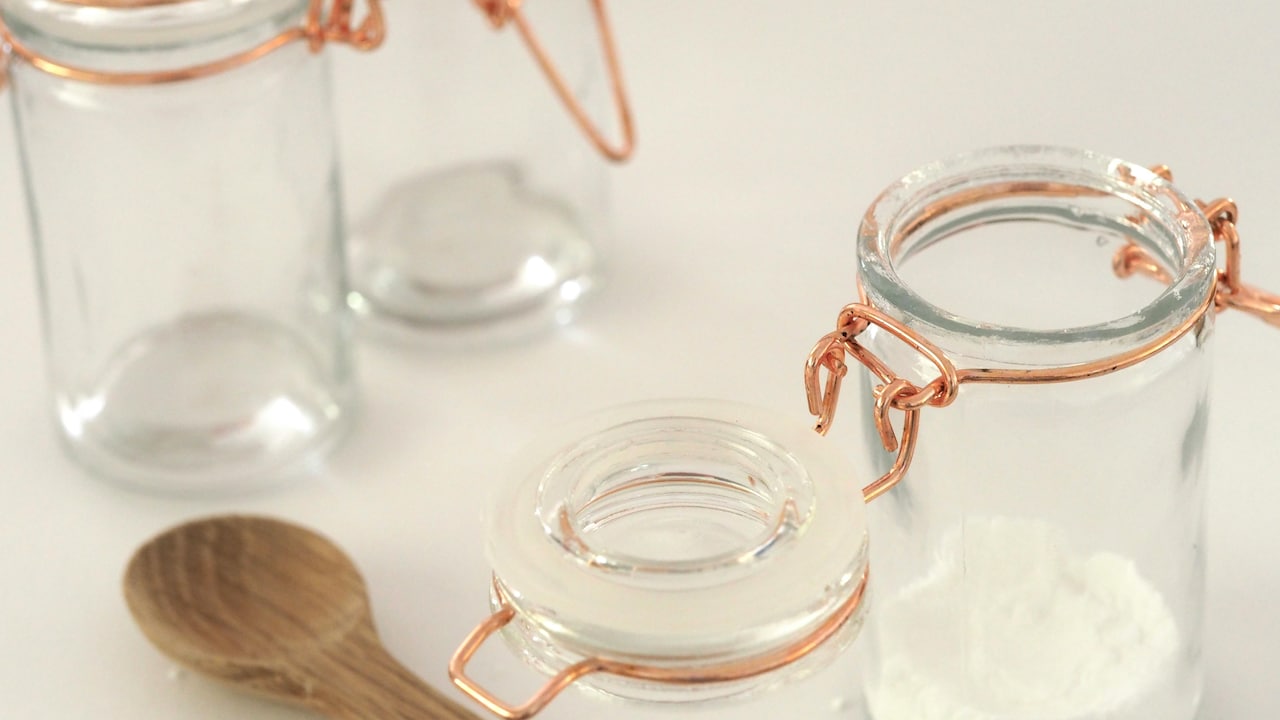
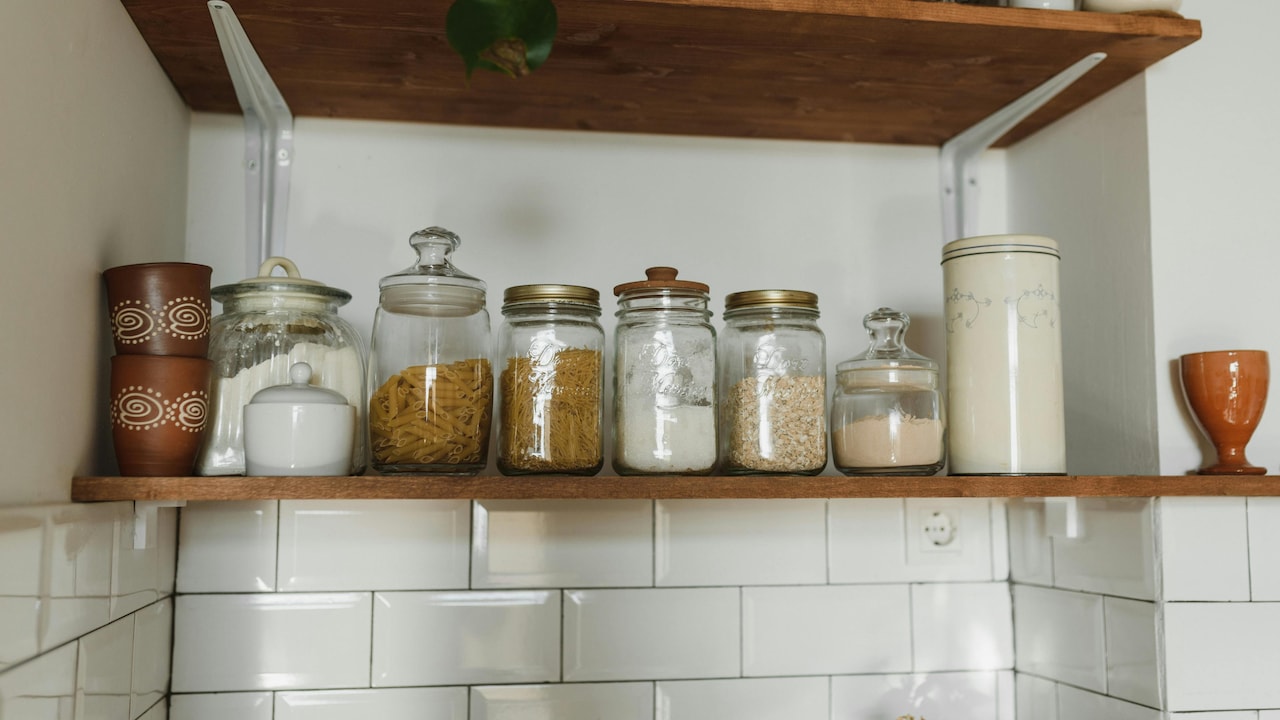
A row of identical jars filled with different grains may require closer inspection each time. Without clear distinctions, quick identification becomes difficult.
Accessibility is about ease of use, not just visibility. Systems that allow quick retrieval and effortless storage tend to work better than those that rely solely on visual appeal.
In many cases, a mix of storage solutions, some transparent, some concealed, offers a more balanced approach.
Not Suitable For All Items
Certain items do not benefit from being stored in clear containers. Exposure to light can affect the quality of spices, oils, and certain grains. Over time, this can impact flavour and freshness.
Additionally, some foods require airtight conditions that not all clear containers provide. Improper storage can lead to spoilage, defeating the purpose of organisation.
There are also items that simply do not look appealing when displayed. Everyday essentials, miscellaneous packets, and irregularly shaped goods can disrupt the visual harmony that clear containers aim to achieve.
Choosing the right storage method depends on the nature of the item, not just its appearance.
Products Related To This Article
1. VOLTURI Air Tight Kitchen Containers Set of 6
2. Xiran 6 Fridge Storage Boxes Fridge Organizer With Removable Drain Plate
3. Aristo Lock & Fresh 334 Plastic Storage Container
4. TEKCOOL Air Tight Kitchen Containers Set
5. Kitchen Storage Set Of 24 Airtight Containers Set For Kitchen Storage And Containers Box For Pantry Organization And Container For Kitchen Accessories Items & Storage
Clear containers have earned their place in modern homes, but they are not a universal solution. While they offer visual appeal and a sense of order, they also bring challenges that often go unnoticed.
True organisation goes beyond aesthetics. It considers daily habits, available time, and practical needs. A system that feels easy to maintain will always outperform one that looks perfect but demands constant effort.
Sometimes, a simple cupboard, a few well-placed baskets, or even neatly folded original packaging can work just as effectively, if not better. The goal is not to create a showroom but to build a space that supports everyday life with ease.
In the end, organisation is deeply personal. What works beautifully for one household may feel cumbersome in another. Clear containers can be part of the solution, but they should never define it.
(Disclaimer: This article may include references to or features of products and services made available through affiliate marketing campaigns. NDTV Convergence Limited (“NDTV”) strives to maintain editorial independence while participating in such campaigns. NDTV does not assume responsibility for the performance or claims of any featured products or services.)


![Steam Iron Teflon Shoe Cover for ES-300,ST-96 [Only For ES-300 and ST-96 Model Electric Steam Irons]](https://m.media-amazon.com/images/I/51wwkttondL._SL160_.jpg)