Why Some Study Tables Wobble After Assembly And Tips To Fix Loose Table Legs
A wobbly study table can disrupt focus and damage furniture over time. Discover why tables become unstable after assembly and learn simple, practical fixes to tighten loose legs and restore a steady workspace.

Explore reasons behind a wobbly study table and how to fix loose legs.
A study table holds more than textbooks and stationery. It often becomes a small world of preparation, ambition, and quiet determination. Students revise for exams, professionals answer emails, and creative minds sketch ideas across its surface. When that study table starts wobbling, however, the experience quickly shifts from productive to irritating.
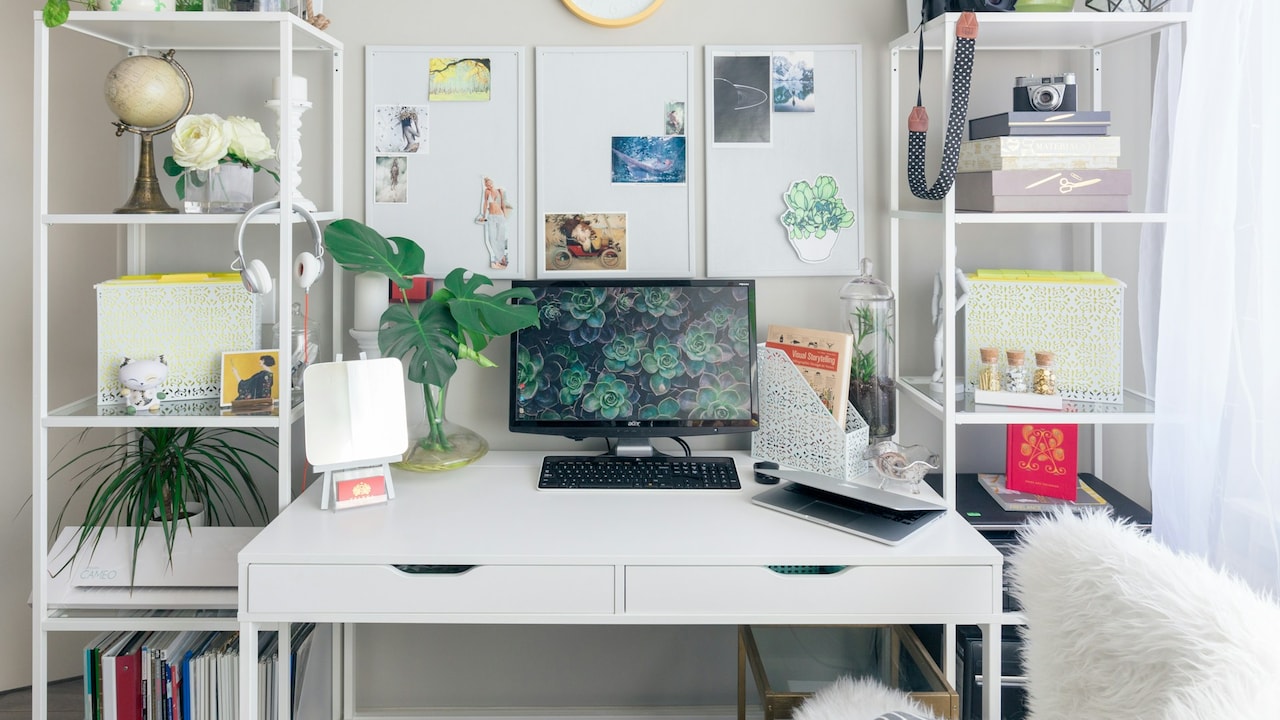
10 common things that might be making your study table wobble easily; Photo Credit: Unsplash
Many people encounter this problem right after assembling a new table. The instruction manual looked simple enough. The screws tightened, the panels fitted together, and the table appeared perfectly fine. Yet the moment someone begins writing or typing, the surface rocks slightly from side to side. Even a gentle push can make the study table sway like a nervous dancer.
The cause rarely lies in one dramatic mistake. Instead, small details combine to create instability. A slightly uneven floor, a loose bolt, or poorly aligned legs may turn a solid-looking table into a wobbly nuisance. Fortunately, most of these issues have simple solutions that require minimal tools and little expense.
Understanding why study tables wobble after assembly helps prevent frustration and protects furniture from long-term damage. With a few thoughtful adjustments, a shaky table can transform into a stable and dependable workspace.
Also Read: Upgrade Your Study Space: Shop Stylish Study Tables At Best Prices
Common Reasons Study Tables Wobble After Assembly
Uneven Flooring Often Creates Instant Instability
One of the most common reasons behind a wobbly study table has nothing to do with the table itself. Floors in many homes rarely remain perfectly level. Even a slight slope or tile misalignment can cause one leg of the table to float just above the ground.
This issue appears frequently in older apartments or houses where the flooring settled over time. A student may assemble a table carefully in the bedroom, tighten every screw, and still notice the table rocking from corner to corner. The furniture seems faulty, yet the real culprit hides beneath the legs.
A quick test usually reveals the problem. Place gentle pressure on each corner of the table and watch how the movement shifts. If the wobble changes direction depending on where pressure lands, the floor likely sits unevenly.
Simple fixes work surprisingly well. Furniture pads, cardboard shims, or rubber stoppers can balance the shorter leg. Even a folded piece of paper may stabilise the table temporarily. Hardware stores also sell adjustable levelling feet for ₹100–₹300, which allow precise height adjustments.
Once the legs touch the floor evenly, the wobble often disappears entirely.
Loose Screws And Bolts After Assembly
Another frequent cause of unstable tables lies in something deceptively simple: screws that never tightened properly. During assembly, excitement to finish the task quickly often leads to incomplete tightening of bolts or connectors.
Flat-pack furniture especially requires firm fastening. Manufacturers design these tables with multiple joints, brackets, and screws that lock the frame into place. If even one of these connections remains loose, the structure begins to shift under weight.
The wobble may not appear immediately. At first, the table seems stable. After a few days of use, however, the slight gaps between parts grow larger. The desk begins to creak or sway whenever someone writes or types.
A quick inspection often solves the issue. Turning the table upside down and checking every bolt ensures each joint holds tightly. Using a screwdriver or Allen key provided in the packaging usually fixes the problem within minutes.
Many experienced carpenters recommend tightening screws in stages. Instead of fully tightening one screw at a time, lightly secure all screws first. Then tighten them gradually. This approach allows the frame to align properly and reduces unwanted movement.
Incorrect Assembly Order Can Affect Stability
Instruction manuals often appear simple, yet skipping a step or changing the order of assembly can weaken the entire structure. Many tables rely on a specific sequence to distribute weight evenly across the frame.
For example, attaching the legs before securing the central support bar may leave the structure slightly misaligned. The table might look correct, but the frame struggles to support the weight evenly.
Such issues occur frequently when assembling furniture late at night before an exam or during a rushed weekend setup. The instructions seem obvious, so a few steps get skipped. The table stands upright in the end, but a slight wobble appears whenever someone leans on it.
Disassembling the table partially and rebuilding it according to the recommended sequence often resolves the problem. While this process may take an extra half hour, the improvement in stability proves worth the effort.
Furniture engineers design each step carefully to maintain balance. Following the correct order ensures that each component supports the next, creating a solid and reliable structure.
Low-Quality Hardware Sometimes Causes Movement
Not all furniture hardware meets the same standards. Budget study tables sometimes include screws, brackets, or connectors made from softer metals that bend slightly during assembly.
At first glance, these parts appear perfectly adequate. Yet repeated tightening and loosening may strip the screw threads or widen the holes in wooden panels. Once this happens, the connection loses its grip.
The table begins to wobble because the joints no longer hold firmly together. Even when tightened again, the screws refuse to stay secure.
Replacing these small parts often restores stability. Hardware shops stock stronger screws and bolts for very reasonable prices. Spending ₹50–₹200 on better fasteners can dramatically improve the durability of a study table.
A small dab of wood glue in worn screw holes can also strengthen the hold. Once the glue dries, the screw grips the wood more firmly, preventing further loosening.
Such simple fixes transform a fragile table into a surprisingly sturdy workspace.
Uneven Weight Distribution Across The Table
Many study tables wobble not because of structural flaws, but due to how items sit on the surface. A heavy stack of textbooks placed on one corner may shift the centre of gravity slightly.
Imagine a student preparing for entrance exams with ten thick books piled on the left side of the table. The legs on that side carry far more weight than the others. Over time, the imbalance creates subtle stress on the joints.
The result often appears as a gentle tilt or rocking motion whenever someone writes near the lighter side of the table.
Balancing items across the surface helps maintain stability. Laptops, books, lamps, and stationery should be spread evenly rather than clustered in one area.
Some people even install a small shelf or drawer unit beneath the table to distribute weight more evenly. The added support stabilises the frame and reduces movement.
A tidy table not only improves concentration but also helps maintain structural balance.
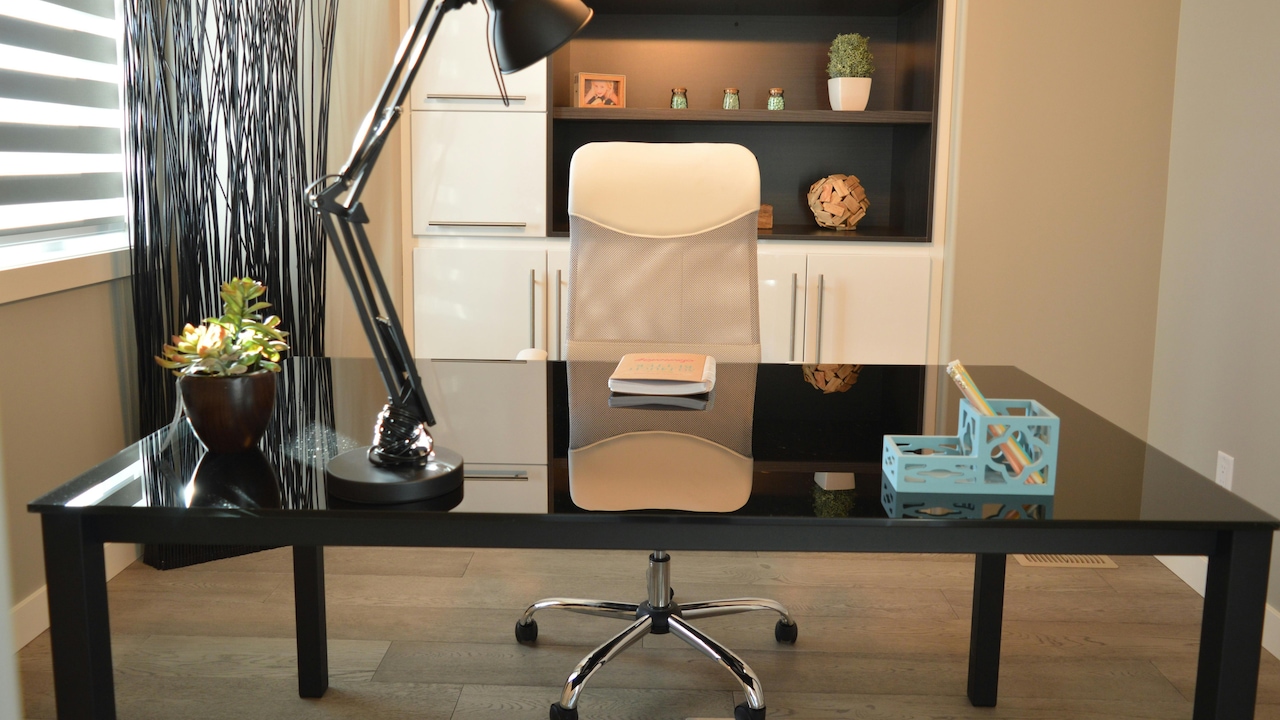
Uneven weight distribution on the table can also make it wobble; Photo Credit: Pexels
Weak Or Thin Table Legs Reduce Stability
The design of the table itself plays an important role in stability. Some modern study tables favour sleek aesthetics over structural strength. Thin metal or narrow wooden legs may look stylish, but struggle to support everyday use.
When pressure is applied during writing or typing, these slender legs flex slightly. The movement might seem small, yet repeated motion eventually creates noticeable wobbling.
Tables with crossbars or support beams generally offer greater stability. These additional pieces connect the legs together, preventing them from shifting independently.
If the existing table lacks such support, adding a simple wooden brace between the legs can help. Many local carpenters install cross supports for ₹300–₹800, depending on materials.
The improvement often surprises people. A table that once swayed under light pressure becomes solid enough to hold heavy textbooks, a desktop computer, and a lamp without any movement.
Sometimes stability depends more on smart structural design than on tightening screws.
Repeated Movement Across The Room
Furniture rarely stays in one place forever. Study tables often move during cleaning, rearranging rooms, or shifting between homes. Each movement places stress on the joints and connectors.
Dragging the table across the floor instead of lifting it may gradually loosen the legs. Even small shifts cause screws to rotate slightly within their sockets.
After several months of such movement, the once sturdy table begins to wobble. The change appears subtle at first but grows more noticeable with time.
Regular maintenance prevents this issue. Checking the screws every few months ensures the frame remains tight and stable.
Using furniture sliders or lifting the table when moving it also protects the joints from unnecessary stress.
A small habit change during cleaning can extend the life of a study table by several years.
Temperature And Humidity Affect Wooden Furniture
Wood behaves differently from metal or plastic. It expands and contracts with changes in temperature and humidity. In many cities, monsoon moisture causes wooden furniture to absorb slight amounts of water.
As the wood expands, the screws may loosen slightly. Later, during dry months, the wood shrinks again, leaving tiny gaps around the fittings.
These changes occur slowly and often go unnoticed until the table begins to wobble.
Applying wood polish or sealant helps protect the material from moisture. Keeping the table away from damp walls or open windows during heavy rain also reduces swelling.
If the wobble appears after seasonal changes, simply tightening the screws again usually restores stability.
Furniture often responds to its environment more than people realise.
Missing Or Damaged Leg Caps
Many study tables include small plastic or rubber caps at the bottom of each leg. These caps serve two important purposes. They protect the floor from scratches and help stabilise the furniture.
When one cap falls off or wears down, the affected leg becomes slightly shorter. Even a few millimetres of difference can create noticeable wobbling.
This issue appears especially common on tiled floors, where the caps gradually slip off after repeated movement.
Replacing these small pieces offers a quick solution. Hardware shops sell replacement caps for ₹20–₹100, depending on size and material.
Rubber caps also improve grip on smooth surfaces, preventing the table from sliding when someone leans forward while studying.
Such a tiny component often makes a surprisingly large difference in stability.
DIY Reinforcements Can Strengthen The Entire Structure
Sometimes a table continues to wobble despite tightening screws and balancing the legs. In such cases, simple DIY reinforcements can dramatically improve stability.
Corner brackets installed beneath the tabletop strengthen the connection between the legs and the surface. These metal supports cost very little yet add impressive rigidity.
Another effective method involves attaching a wooden support beam along the back of the table. This beam connects the legs and prevents side-to-side movement.
Some people even place a small bookshelf or storage cabinet beneath the table, turning unused space into structural support.
These creative solutions often cost less than ₹500 yet transform a shaky desk into a dependable workstation.
With a little imagination and basic tools, even an inexpensive table can become sturdy enough for years of daily use.
Products Related To This Article
1. ABOUT SPACE Study Table for Students - Office Table
2. Torche Multipurpose Foldable & Portable Study Table
3. Callas ST-40 Wooden Study Table with Hutch & Bottom Storage
4. Spyder Craft Aster Engineering Wood Modern Office Desk Study Table Computer Table for Office Work from Home Kids Study Room Workstation with Storage-Bangali
5. Velocity Electric Height Adjustable Desk with one Piece Top
A wobbly study table may seem like a minor annoyance, yet it can disrupt concentration and reduce comfort during long hours of reading or writing. Fortunately, most stability problems arise from simple causes rather than serious design flaws.
Uneven floors, loose screws, missing leg caps, and imbalanced weight often lie behind the issue. A quick inspection and a few small adjustments usually restore firmness. In some cases, inexpensive hardware upgrades or simple reinforcements provide lasting improvements.
Furniture rarely demands complicated repairs. Instead, careful assembly, occasional maintenance, and thoughtful placement often make all the difference.
A stable study table creates a reliable space for learning, planning, and creative thinking. Once the wobble disappears, the desk quietly returns to its true purpose: supporting ideas, ambitions, and the everyday moments that shape a brighter future.
(Disclaimer: This article may include references to or features of products and services made available through affiliate marketing campaigns. NDTV Convergence Limited (“NDTV”) strives to maintain editorial independence while participating in such campaigns. NDTV does not assume responsibility for the performance or claims of any featured products or services.)