Top 10 Avoidable Carpet Placement Mistakes That Can Make Living Rooms Look Cluttered
Wrong carpet placement can make even stylish living rooms feel cramped and messy. From poor sizing to awkward layouts, these common mistakes quietly add clutter without homeowners even noticing.
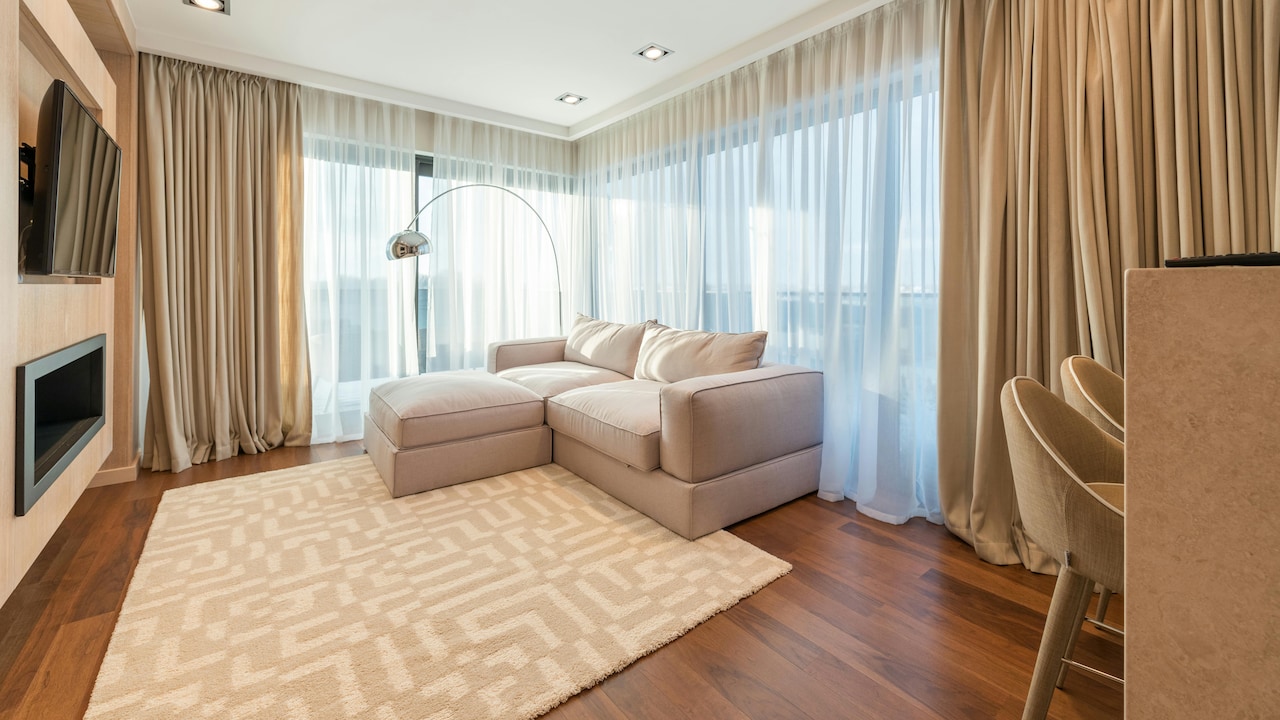
Top 10 Carpet Placement Mistakes That Make Living Rooms Look Cluttered
Living rooms rarely stay untouched for long. One evening, it hosts a cricket match chaos with snacks scattered across the centre table, and the next morning, it transforms into a calm corner for tea and newspapers. Because the space works so hard every day, every design choice matters more than people realise. Surprisingly, carpets often carry the biggest responsibility. A well-placed carpet creates warmth, balance, and comfort. It softens sharp corners, makes beautiful furniture, and gives the room a sense of intention. Yet one wrong move can make the entire area feel cluttered within seconds. Even expensive carpets fail when they float awkwardly in the middle of the room or disappear beneath oversized furniture.
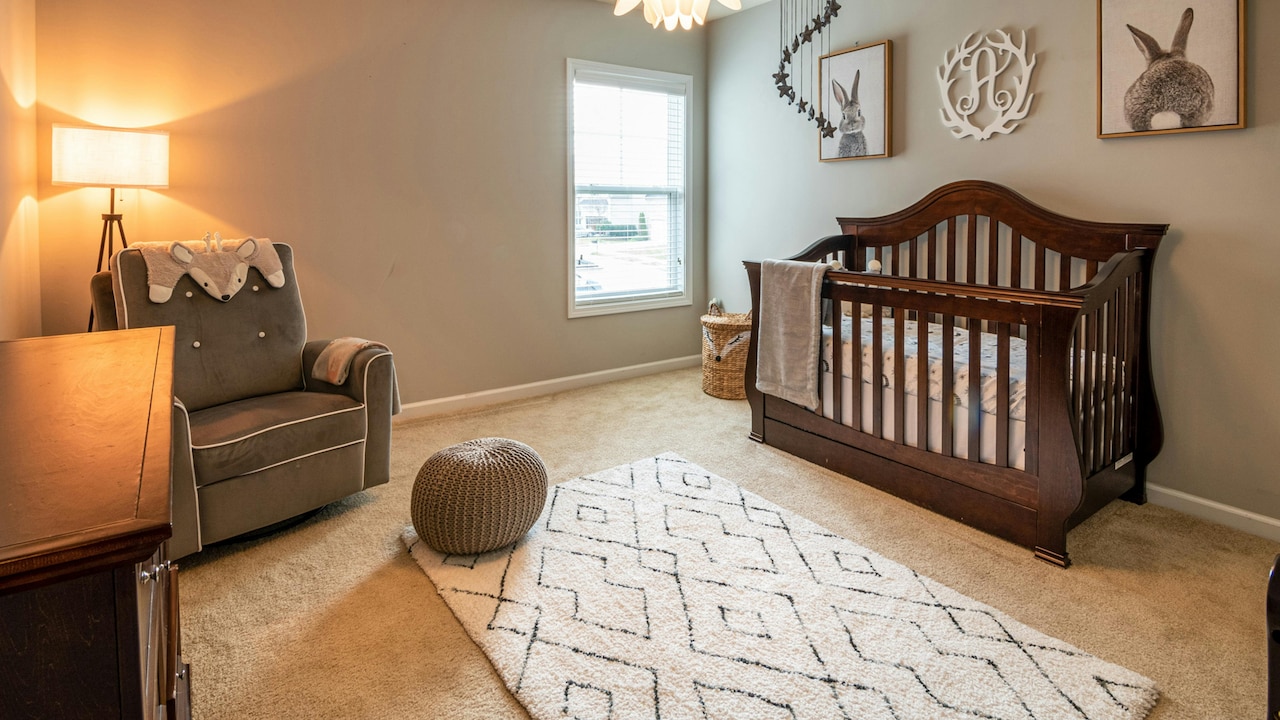
Top 10 Carpet Placement Mistakes That Make Living Rooms Look Cluttered; Photo Credit: Pexels
Many homeowners focus heavily on colour and texture while ignoring placement altogether. That usually leads to rooms that feel visually crowded despite having fewer items. The good news is that most carpet mistakes are easy to fix once recognised. A few smart adjustments can instantly make a living room feel more open, polished, and inviting without spending another ₹50,000 on renovations.
Common Carpet Placement Mistakes That Make Living Rooms Look Cluttered
Choosing A Carpet That Is Too Small
Tiny carpets create one of the biggest visual disasters in living rooms. They often sit stranded in the middle of the floor like forgotten bath mats, making furniture appear disconnected and awkward. A room that should feel cosy suddenly looks unfinished.
Many people buy smaller carpets because they seem practical or budget-friendly. Spending ₹8,000 instead of ₹25,000 feels sensible during shopping. Yet the smaller option usually shrinks the room visually and breaks the flow between furniture pieces. The sofa, chairs, and centre table end up looking like unrelated items rather than part of one conversation area.
A larger carpet grounds the entire seating arrangement. Ideally, at least the front legs of sofas and chairs should rest on the carpet. This creates visual harmony and gives the room a balanced appearance. In compact flats, even a moderately sized carpet placed correctly can make the space feel larger.
There is also an emotional side to this mistake. Small carpets tend to make rooms feel temporary, almost as though the setup remains incomplete. A generously sized carpet, on the other hand, adds confidence to the room without shouting for attention.
Also Read: Discover These Top 5 Carpets For Cold Winter Floor
Pushing The Carpet Against The Wall
Many living rooms still follow an old-school layout where every piece of furniture hugs the wall as if extra floor space deserves protection. When the carpet also stretches tightly from wall to wall, the room loses depth and personality.
Modern interiors breathe better with a little spacing. Leaving a border of visible flooring around the carpet creates contrast and helps define the seating area naturally. Even six to eight inches of exposed flooring can make the room feel cleaner and more intentional.
This mistake becomes more obvious in apartments with glossy tiles or wooden flooring. Covering everything with carpet hides the beauty of the flooring itself and creates a heavy appearance. The room starts feeling crowded despite having plenty of space.
Balanced spacing also improves movement around the room. Guests walk comfortably without awkwardly stepping on carpet edges or squeezing between furniture. The living room feels relaxed rather than overpacked.
A thoughtfully placed carpet should frame the seating area instead of swallowing the entire floor. Think of it like eyeliner in makeup. A little definition enhances beauty, while too much changes the whole face for the worse.
Ignoring Furniture Alignment
A carpet should connect furniture, not confuse it. Yet many living rooms feature carpets placed at odd angles while sofas and tables face entirely different directions. This visual mismatch quietly creates clutter.
Alignment matters because the eye naturally searches for order. When furniture placement clashes with carpet positioning, the room feels restless. Even beautifully designed interiors lose their charm when the layout lacks consistency.
This often happens during festive rearrangements or after buying new furniture. The sofa shifts slightly, the centre table moves elsewhere, and the carpet stays frozen in its original position. Over time, everything starts looking disconnected.
Rectangular carpets generally work best when aligned parallel to the sofa or the room's main architectural feature. Circular carpets require extra care because they suit only specific layouts. Placing one randomly beneath rectangular furniture often creates confusion rather than style.
Proper alignment also influences how spacious the room feels. Straight lines create calmness and structure. Crooked layouts introduce visual noise that makes the room appear busier than it actually is.
A simple adjustment of a few inches can completely transform the atmosphere. Suddenly, the room looks polished, balanced, and thoughtfully arranged instead of accidentally assembled after a late-night furniture shuffle.

Top 10 Carpet Placement Mistakes That Make Living Rooms Look Cluttered; Photo Credit: Pexels
Blocking Natural Walkways
Nothing ruins comfort faster than a carpet that interrupts movement. Living rooms should allow smooth walking paths, yet many carpet placements force people to step awkwardly around furniture or trip over corners.
This mistake becomes especially noticeable during family gatherings. Someone carrying tea nearly loses balance, children drag carpet edges while running around, and guests hesitate before stepping into the seating area. The room begins to feel cramped even when it technically has enough space.
Good carpet placement respects natural movement. There should always be clear pathways between doors, sofas, and adjoining spaces. A carpet should support the layout rather than become an obstacle course.
Large carpets sometimes create this issue when they extend too far into walking zones. Smaller carpets can also cause trouble when positioned directly in high-traffic areas without enough anchoring furniture.
Practicality matters as much as aesthetics in a living room. Beautiful interiors lose appeal quickly when they inconvenience everyday life. A smart layout feels effortless because people move naturally without noticing the design itself.
The best carpet placements often go unnoticed because they simply work. Nobody stumbles, adjusts, or complains. The room quietly feels comfortable, which is exactly how a living space should function.
Choosing Loud Patterns For Small Spaces
Bold carpets attract attention immediately. Sometimes that works beautifully. Other times, the carpet ends up dominating the room like an overenthusiastic wedding DJ who refuses to lower the volume.
Large floral prints, busy geometric designs, and intense colour combinations can overwhelm compact living rooms. When the carpet screams for attention, every other element competes visually. The result feels cluttered and exhausting.
This does not mean plain carpets are the only safe option. Subtle patterns and textured designs add character without overwhelming the room. The key lies in balance. If the sofa, cushions, and curtains already feature strong colours or prints, the carpet should offer visual calm.
Many homeowners choose dramatic carpets hoping to make the room look luxurious. In reality, excessive patterns often shrink the space visually and create unnecessary chaos. The room starts feeling crowded even with minimal furniture.
Soft neutrals, earthy shades, or understated motifs usually work better in smaller living areas. They allow the eye to move comfortably around the room while maintaining warmth and elegance.
A carpet should support the room's personality, not hijack it entirely. The living room is meant for relaxation, conversation, and comfort, not visual warfare between patterns fighting for dominance.
Forgetting About Proportion
Proportion quietly controls how balanced a room feels. Unfortunately, it often gets ignored during carpet selection. A massive carpet beneath tiny furniture or a narrow runner under bulky sofas instantly throws off visual harmony.
The human eye notices imbalance quickly, even when people cannot explain why the room feels strange. Oversized carpets make furniture appear lost, while undersized ones create tension and awkwardness.
This mistake appears frequently in newly furnished homes where furniture arrives gradually over time. The carpet bought for a smaller setup suddenly looks inadequate after adding recliners or a larger sofa set.
Every furniture arrangement requires visual breathing space. The carpet should complement the scale of the seating area rather than overpower or disappear beneath it. Centre tables should also fit proportionately within the carpeted zone.
Proportion becomes even more important in open-plan living rooms where dining and seating spaces merge visually. Incorrect carpet sizing can blur functional boundaries and make the entire area feel chaotic.
Good proportion creates quiet elegance. Nothing appears forced or exaggerated. The room simply feels comfortable and visually satisfying. That sense of balance often matters more than expensive décor pieces or trendy colour palettes.
Layering Too Many Textures Together
Texture adds depth and warmth to interiors, but too many competing textures can overwhelm a living room quickly. Shaggy carpets paired with heavily embroidered cushions, velvet sofas, knitted throws, and glossy décor pieces often create visual overload.
Instead of looking luxurious, the room starts feeling crowded and heavy. Every surface demands attention simultaneously, leaving no visual breathing room. The eye struggles to settle comfortably anywhere.
This trend became especially popular after social media feeds filled with ultra-styled interiors featuring endless layers of texture. While such spaces photograph beautifully, they rarely feel practical or calming in everyday life.
A textured carpet works best when balanced with simpler furniture finishes. If the carpet features thick fibres or intricate detailing, surrounding décor should remain relatively understated. This allows the carpet to contribute warmth without creating clutter.
Seasonal decorating often worsens this mistake. During festivals, extra cushions, throws, and decorative pieces pile onto existing textures until the room feels visually exhausted.
Living rooms function best when they feel inviting rather than overdesigned. Texture should enhance comfort subtly instead of turning the room into a fabric exhibition. Sometimes restraint creates more sophistication than excessive styling ever could.
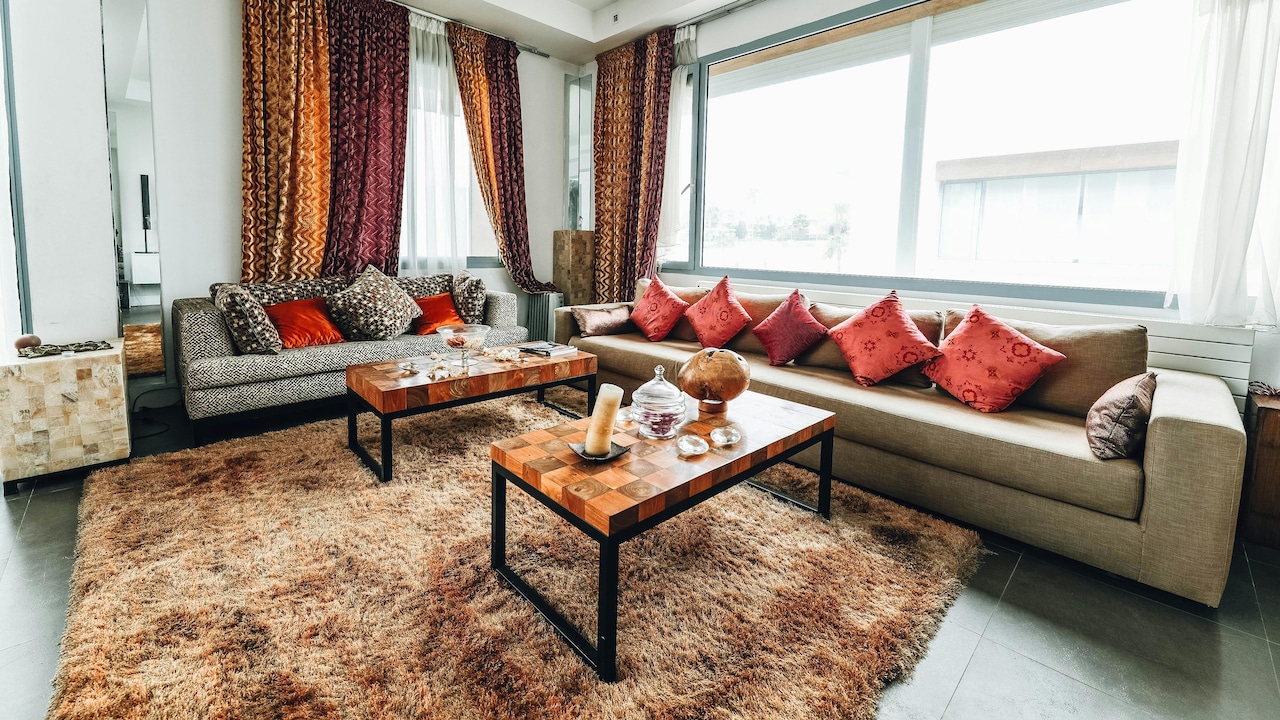
Top 10 Carpet Placement Mistakes That Make Living Rooms Look Cluttered; Photo Credit: Pexels
Neglecting Carpet Shape
Most people focus on colour and size while forgetting one surprisingly important factor: shape. The wrong carpet shape can disrupt the room's flow almost instantly.
Rectangular carpets suit most traditional seating layouts because they mirror the structure of sofas and centre tables. However, placing a circular carpet beneath a large rectangular sofa arrangement often creates visual confusion. The shapes fight each other rather than complement the space.
Similarly, oddly shaped carpets in compact rooms can make the layout feel irregular and cluttered. Instead of enhancing the room, they draw attention to awkward corners and uneven spacing.
The shape should support the furniture arrangement naturally. Circular carpets work beautifully beneath round coffee tables or in cosy reading corners. Runners suit narrow spaces and transitional areas. Large rectangular carpets anchor formal seating setups effectively.
Ignoring shape also affects movement and balance. A carpet that clashes with the room's geometry disrupts visual rhythm, making the space feel less organised.
The best carpet shapes often feel invisible because they integrate seamlessly with the room's layout. Everything appears connected and harmonious without obvious effort. That quiet coordination creates interiors that feel polished yet comfortable enough for everyday living.
Using Dark Carpets In Poorly Lit Rooms
Dark carpets can look rich and elegant in the right setting. Yet in poorly lit living rooms, they often create a heavy, cramped atmosphere that makes the space feel smaller than it actually is.
Many homes receive limited natural light, especially during monsoon months or in densely built neighbourhoods. In such spaces, deep brown, charcoal, or black carpets absorb available light and visually shrink the room.
This effect becomes stronger when paired with dark furniture or heavy curtains. Suddenly, the living room feels enclosed and gloomy instead of welcoming. Even expensive décor struggles to lift the mood.
Lighter carpets reflect more light and create a sense of openness. Soft beige, muted grey, warm cream, or earthy sand shades brighten the room naturally without looking bland. They also pair beautifully with both modern and traditional furniture styles.
Maintenance worries often push homeowners towards darker carpets. While practical concerns matter, balance remains important. Mid-tone shades with subtle patterns usually hide dust effectively without darkening the entire room.
Lighting shapes emotional comfort more than people realise. A bright, airy living room instantly feels more inviting after a long workday. Carpet colour quietly influences that atmosphere every single day.
Treating The Carpet As An Afterthought
Perhaps the most common mistake of all involves treating the carpet like the final item on a shopping list. Furniture gets careful attention for months, while the carpet enters the room hurriedly during a weekend sale because “something was needed for the floor”.
This rushed decision usually leads to mismatched colours, incorrect sizing, or awkward placement. The carpet ends up clashing with the room rather than enhancing it.
A carpet deserves consideration from the beginning because it visually anchors the entire seating area. Its colour, texture, size, and placement influence every surrounding element. Choosing it casually often creates an imbalance that no amount of rearranging can fully fix later.
Budget planning also matters here. Spending ₹1.2 lakh on furniture while squeezing the carpet budget to ₹3,000 rarely delivers satisfying results. The room looks incomplete despite expensive pieces.
Thoughtful carpet selection does not require luxury designer labels. It simply requires planning and attention to how the room functions daily. A carefully chosen carpet quietly ties everything together and creates a polished atmosphere.
The best living rooms rarely depend on flashy décor. They succeed because every element feels connected, comfortable, and intentional — including the carpet beneath everyone's feet.
Products Related To This Article
1. SWEET HOMES Super Ultra Soft Shaggy Handcrafted Anti-Skid Silk Touch Rectangular Carpet
2. ishro home Premium Carpets for Hall
3. Handmade 3D Edge Collection, Super Soft Microfiber Silk Touch Rugs
4. Hand Tufted Rugs & Woollen Carpet for Living Room
5. Shaggy for Home 8x10 feet (240 x 300 cm) Modern Rug
6. Welspun Wonder-Full Polyester Carpet for Hall, Living Room & Bedroom
7. Zia Carpets Silk Touch Washable Thick Carpet For Living Room
A living room should feel welcoming the moment someone walks in. Carpet placement plays a much bigger role in that feeling than most people expect. The wrong size, awkward alignment, excessive patterns, or poor positioning can turn even stylish interiors into cluttered spaces without warning.
Fortunately, these mistakes are completely avoidable. Small adjustments often create dramatic improvements without requiring expensive makeovers or endless shopping trips. A thoughtfully placed carpet brings balance, warmth, and structure while allowing the rest of the room to shine naturally.
Good interiors rarely happen through luck alone. They come together through careful choices that respect comfort, proportion, and everyday living. The carpet may sit quietly under the furniture, but its impact reaches every corner of the room.
(Disclaimer: This article may include references to or features of products and services made available through affiliate marketing campaigns. NDTV Convergence Limited (“NDTV”) strives to maintain editorial independence while participating in such campaigns. NDTV does not assume responsibility for the performance or claims of any featured products or services.)