The Hidden Reason Your Water Bottle Smells And How To Fix It Easily
That strange smell in your water bottle is not just inconvenient, it could be a sign of hidden bacteria. Discover why it happens and how to fix it quickly with simple everyday solutions.
Why Water Bottles Smell And How To Fix Them Easily
Reusable water bottles are a modern essential, tucked into gym bags, office desks and school satchels alike. Yet many people notice an unpleasant smell developing over time, even when bottles appear clean at first glance. This odour can be off putting enough to discourage hydration, which defeats the very purpose of carrying water. Understanding why bottles start to smell is the first step towards preventing the issue and maintaining a fresh, safe drinking experience every single day. For users across lifestyles, this nuisance is surprisingly common and often misunderstood today.
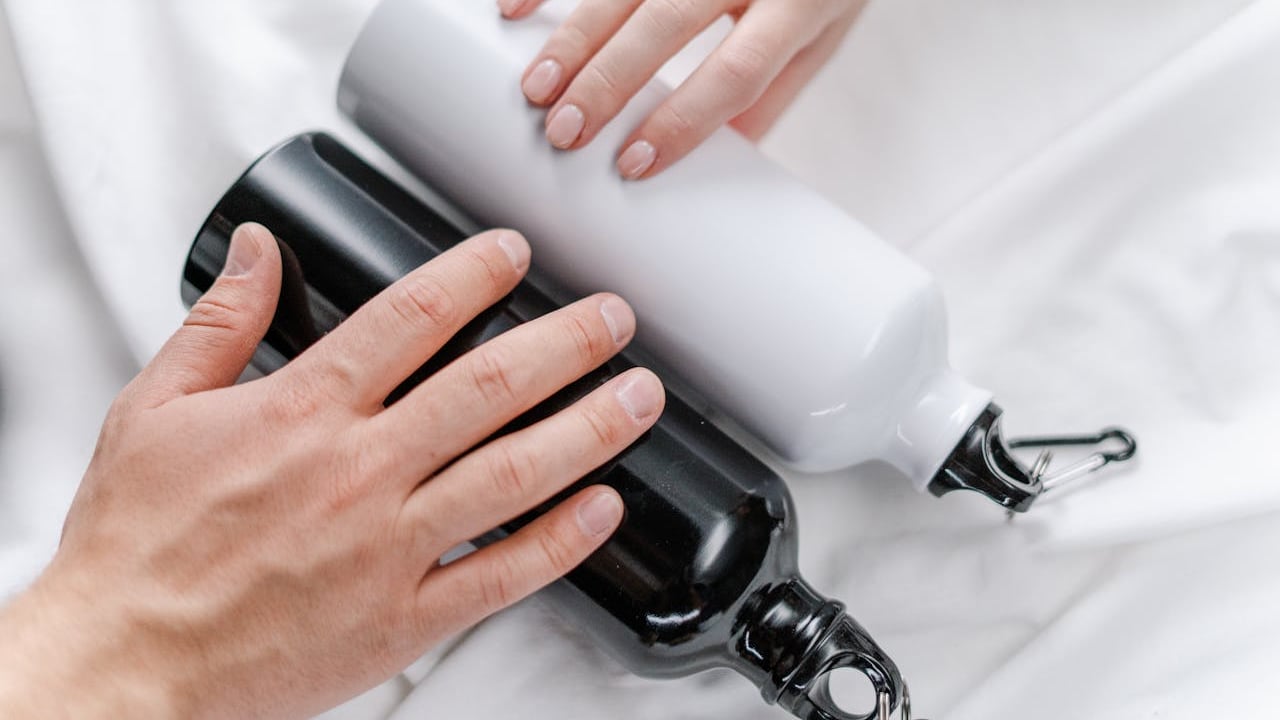
Say goodbye to mysterious bottle smells with simple daily habits that keep your hydration fresh and clean.
Photo Credit: Pexels
From stainless steel flasks to lightweight plastic bottles, materials and usage habits both play a role in odour build up. Daily routines such as refilling without proper drying, adding flavoured drinks or leaving bottles sealed for long periods can encourage bacterial growth. The good news is that most smells have simple explanations and even simpler fixes. With the right cleaning techniques, storage practices and product choices, anyone can keep their bottle smelling neutral and tasting fresh without resorting to constant replacements or expensive solutions daily life easily and consistently achieved.
Bacterial Growth Inside Bottles
One of the most common reasons water bottles develop an unpleasant smell is bacterial growth. When water sits stagnant inside a closed container, especially in warm conditions, it creates an ideal environment for bacteria to thrive. Even if the liquid inside is just plain water, microorganisms from your mouth can transfer into the bottle with every sip. Over time, this builds up and produces odours that are difficult to ignore. Regular cleaning is essential, but it is not just about rinsing. A thorough wash with hot water and soap, combined with proper drying, can significantly reduce bacterial presence and prevent smells from returning.
Also Read: Trendy Insulated Water Bottles To Stay Hydrated In Style
Material Matters More Than You Think
The type of bottle you use can directly influence how quickly smells develop. Plastic bottles, while convenient and lightweight, tend to absorb odours more easily than other materials. Stainless steel and glass, by contrast, are less porous and do not retain smells as readily. However, even these materials are not immune to odour issues if cleaning is neglected. Additionally, rubber seals and lids can trap moisture and bacteria, becoming hidden sources of smell. Investing in high quality materials and paying attention to all components of the bottle, not just the main body, can make a noticeable difference in long term freshness.
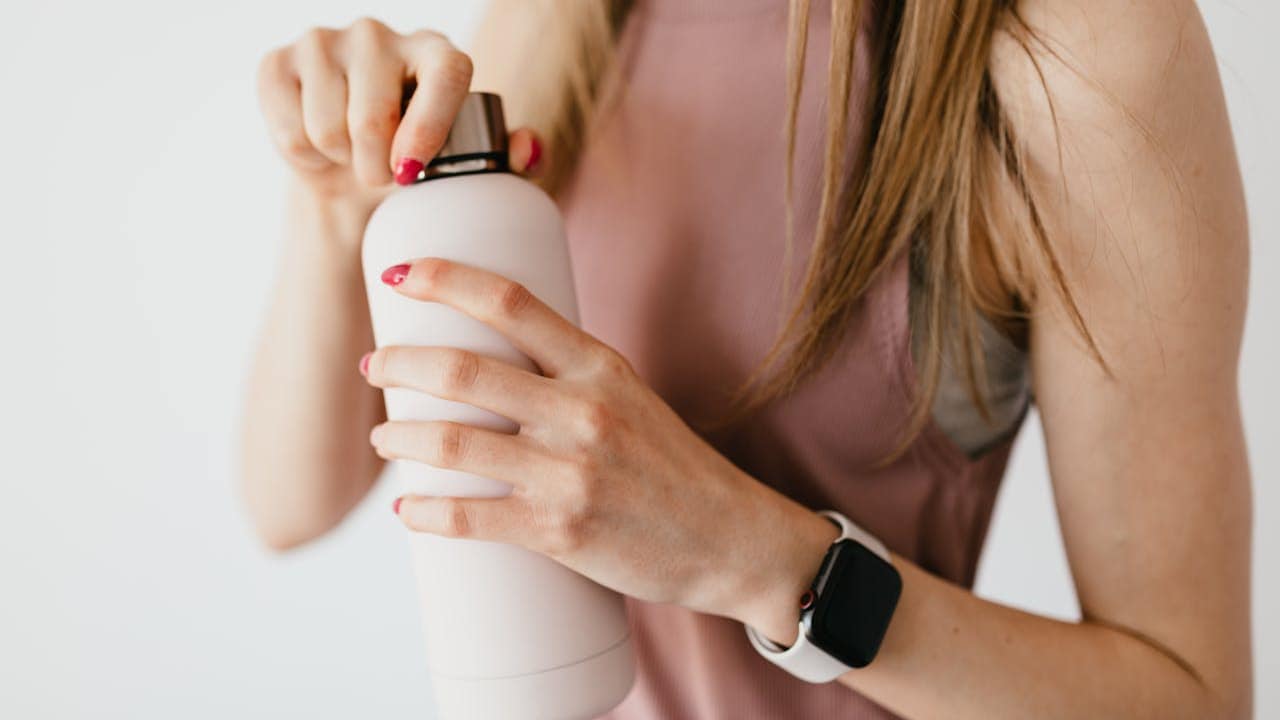
If your water bottle smells odd, it might be time to rethink how you clean and store it.
Photo Credit: Pexels
Everyday Habits That Cause Odours
Sometimes the problem lies not with the bottle itself but with how it is used daily. For instance, adding fruit slices, juices or protein shakes can leave behind residues that promote bacterial growth if not cleaned promptly. Similarly, leaving a bottle in a warm car or sealed overnight while still damp can accelerate odour formation. Even refilling without washing allows bacteria to accumulate gradually. These habits are often overlooked because they seem harmless, yet they play a major role. A few simple behavioural changes, such as rinsing after each use and avoiding prolonged storage of liquids, can dramatically reduce odour issues.
Also Read: Try These 5 Sports Water Bottles To Stay Hydrated During Workouts
Simple Cleaning Techniques That Work
Fortunately, removing smells from water bottles does not require complicated solutions. Household items such as vinegar and baking soda are highly effective natural cleaners. A mixture of warm water and vinegar can help break down stubborn odours, while baking soda acts as a gentle deodoriser. Bottle brushes are also useful for reaching narrow areas that are otherwise difficult to clean. For best results, bottles should be washed daily and deep cleaned at least once a week. Equally important is allowing the bottle to dry completely with the lid off, as trapped moisture is a leading cause of recurring smells.
When It Is Time To Replace Your Bottle
Despite your best efforts, there may come a point when a bottle simply cannot be salvaged. Persistent odours that remain even after deep cleaning may indicate that bacteria have penetrated porous materials, particularly in older plastic bottles. In such cases, replacement is the safest option. While it might be tempting to continue using it, doing so could compromise hygiene and taste. Choosing a durable, high-quality bottle and maintaining it properly from the start can extend its lifespan and reduce the frequency of replacements. In the long run, prevention is simpler and more cost-effective than dealing with stubborn odour problems.

A fresh bottle means better hydration. Discover easy fixes to keep unwanted odours away.
Photo Credit: Pexels
Keeping your water bottle fresh is less about constant scrubbing and more about understanding the small habits that lead to unpleasant smells. By choosing the right material, cleaning regularly and allowing proper drying, you can prevent odour build-up effectively. It is a simple yet impactful change that supports better hygiene and encourages consistent hydration. A clean bottle not only improves the taste of your water but also boosts confidence in daily use. With just a little care and attention, your bottle can remain as fresh as the day you bought it.
Some Top-Rated Bottles And Sippers You May Like
If you are looking to upgrade, consider stainless steel insulated bottles, wide-neck glass bottles for easy cleaning, and dishwasher-safe designs. Accessories like bottle brushes, drying racks and cleaning tablets can also help maintain freshness with minimal effort.
1. Faverito Transparent Set of 3 Plastic Typography Water Bottle
2. AGIS Black Single Stainless Steel Water Bottle Other Vacuum Gym Shaker
3. Mood Society Pink Colour Luma Bottle Satin Finish Easy-Grip Hydration 750ml
4. Treo Transparent & Green Set of 3 Glass Solid Water Bottle
5. FINIFAB Yellow Typography Printed Can Bottle Water Bottle1L
6. FINIFAB Blue Typography Printed Can Bottle Water Bottle1L
7. FINIFAB Blue Typography Printed Can Bottle Water Bottle1L
8. WELOUR Purple & White Typography Printed Water Bottle 500 ml
9. FINIFAB Purple Typography Printed Can Bottle Water Bottle1L
10. Faverito Blue & Transparent Typography Printed Spill Proof Sipper Water Bottle 2000 ml
Frequently Asked Questions (FAQs)
Q1. Why does my water bottle smell even after washing it?
Residual bacteria or trapped moisture may still be present, especially in lids or seals. Deep cleaning and complete drying are essential to eliminate hidden odours.
Q2. How often should I clean my water bottle?
It is best to rinse daily and wash thoroughly with soap and warm water. A deeper clean should be done at least once a week.
Q3. Are stainless steel bottles better than plastic ones?
Yes, stainless steel bottles are less likely to retain odours and are generally more durable. Plastic bottles can absorb smells over time.
Q4. Can I use household items to clean my bottle?
Absolutely. Vinegar and baking soda are effective, affordable and safe options for removing odours.
Q5. Is it safe to keep flavoured drinks in water bottles?
It is safe, but you should clean the bottle immediately afterwards. Sugary or flavoured residues can quickly lead to bacterial growth and smells.
(Disclaimer: This article may include references to or features of products and services made available through affiliate marketing campaigns. NDTV Convergence Limited (“NDTV”) strives to maintain editorial independence while participating in such campaigns. NDTV does not assume responsibility for the performance or claims of any featured products or services.)