Why Floor Runners Matter In Home Decor And How To Pick The Right One For Your Home
Often overlooked but quietly essential, floor runners do far more than fill empty space, adding comfort, safety and design cohesion to your home when chosen thoughtfully.
Why Floor Runners Matter In Home Decor And How To Pick One
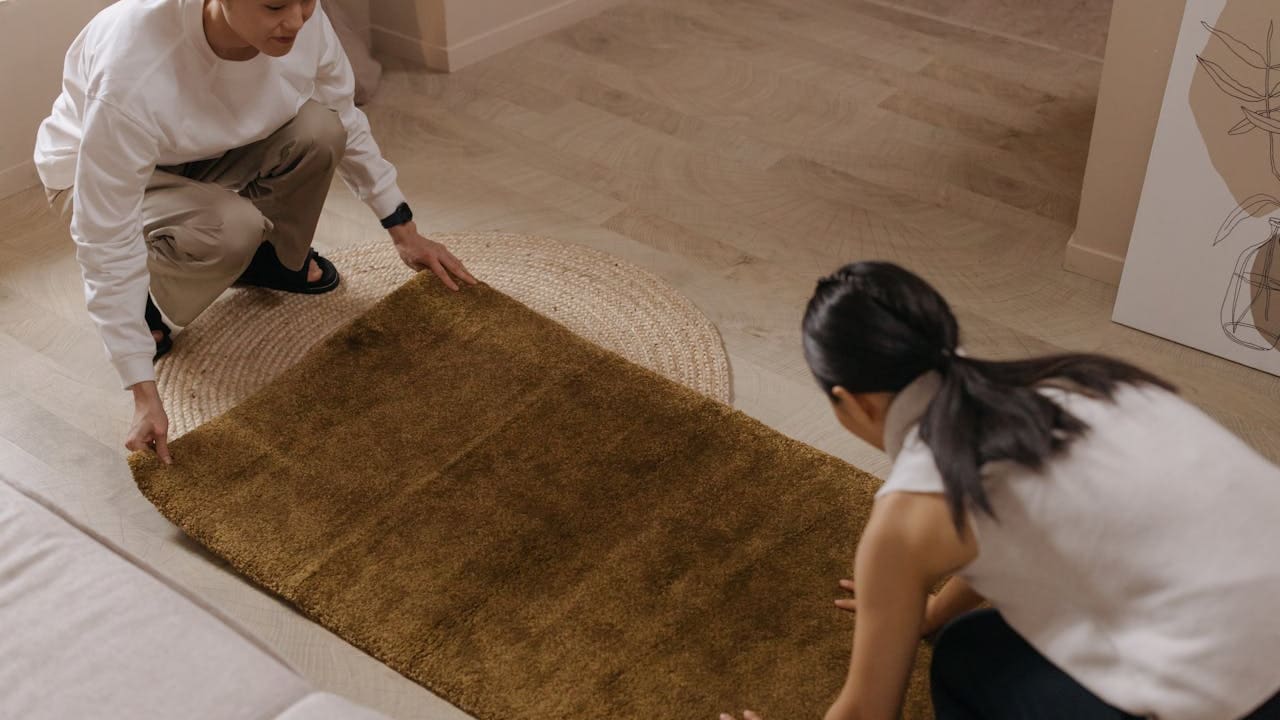
Floor runners are often treated as an afterthought, chosen quickly or ignored entirely, yet they play a quietly powerful role in shaping how a home looks and feels. From adding warmth to cold tiles to guiding movement through narrow spaces, these long, versatile pieces work harder than most people realise. Whether placed beside a bed, along a hallway or near kitchen counters, a well-chosen floor runner blends function with visual balance. It protects floors, enhances comfort and subtly ties different elements of decor together beautifully.
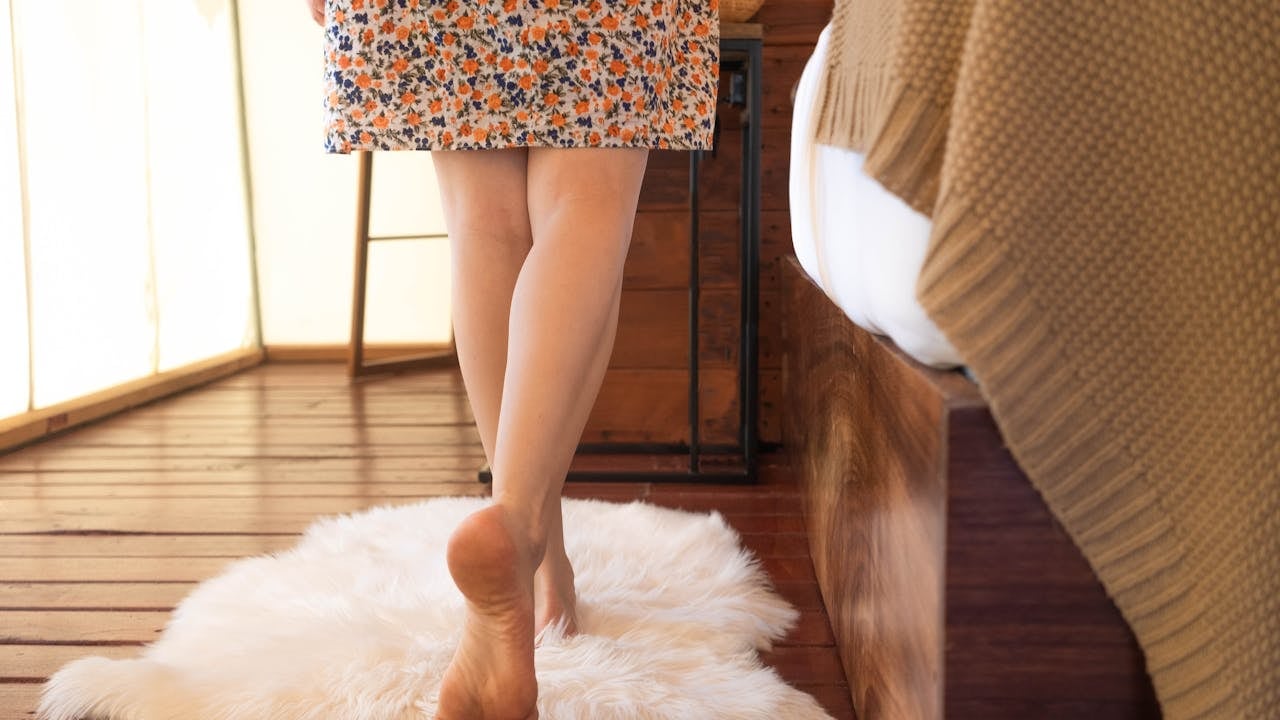
The Most Underrated Hero Of Home Decor Might Be Right Under Your Feet.
Photo Credit: Pexels
What makes floor runners especially interesting is their ability to combine practicality with personality in a very small footprint. They do not demand major changes or expensive upgrades, yet their impact can be immediate. The right runner can soften sharp corners, add colour without overwhelming a room and improve everyday safety underfoot. If you have ever wondered why some spaces feel finished while others look slightly incomplete, the answer is often found underfoot. Understanding how to choose the right floor runner can transform how your home lives and breathes.
Where Floor Runners Fit Into Everyday Home Decor
Floor runners serve as quiet design anchors within a space, shaping how rooms are used and experienced daily. In corridors and hallways, they visually guide movement while breaking up long, narrow expanses that might otherwise feel stark. Beside beds, runners add instant warmth and a comforting first step each morning, especially in homes with tiled or stone flooring. In kitchens, they provide relief during long periods of standing while also protecting floors from spills and splashes. Unlike larger rugs that dominate a room, runners work subtly. They support existing furniture layouts rather than competing with them. From a decor perspective, they help connect rooms using colour or texture, creating cohesion across different spaces. When thoughtfully placed, floor runners often do more for a home's overall harmony than statement pieces that draw all the attention.
Also Read: Best Carpets For Home Decor: How Modern Rugs Instantly Transform Any Room
How Material And Texture Affect Comfort And Maintenance
The material of a floor runner determines not only how it looks, but how it behaves in everyday life. Soft, densely woven runners feel inviting underfoot and are ideal for bedrooms and lounges where comfort is key. In high-traffic or spill-prone areas such as kitchens and entryways, low-pile or flat-woven options tend to perform better, as they are easier to clean and dry quickly. Texture also plays a visual role. Subtle self-designs add depth without overwhelming a room, while printed runners introduce gentle pattern that disguises wear. Maintenance is an often overlooked factor, yet it shapes long-term satisfaction. Washable or easy-wipe materials reduce effort and keep runners looking fresh. Choosing material thoughtfully ensures the runner complements daily routines instead of becoming another item that demands constant care.
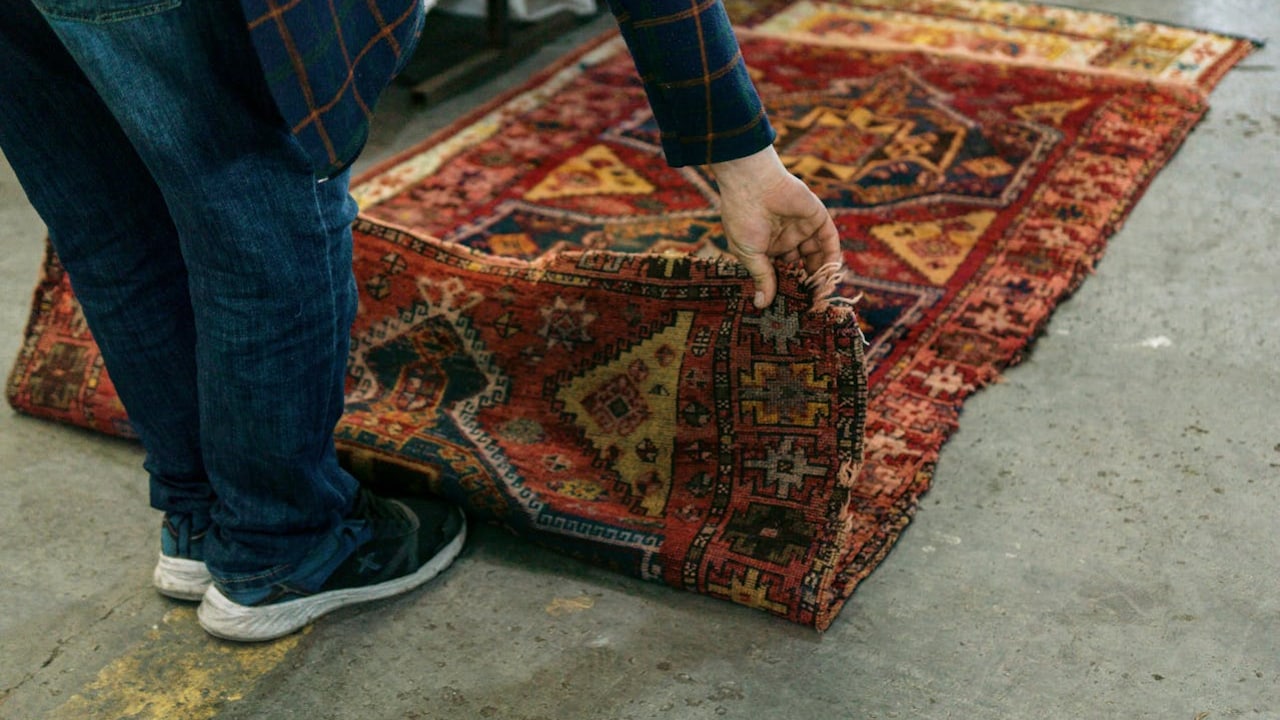
Learn How The Right Floor Runner Can Instantly Make Your Home Feel Warmer, Safer And More Complete.
Photo Credit: Pexels
Why Anti-Skid Backing Is More Than A Safety Detail
Anti-skid backing is sometimes viewed as a minor feature, but in reality it transforms floor runners from decorative accessories into functional essentials. In homes with children, pets or elderly family members, unsecured rugs can pose genuine risks. A runner that stays firmly in place provides peace of mind, especially in narrow pathways and wet-prone areas like kitchens. Beyond safety, anti-skid backing improves usability. It prevents bunching, curling at the edges and constant readjustment, which allows the runner to maintain its shape and visual appeal over time. This stability also enhances comfort, as walking across a firm runner feels more natural than stepping over a shifting surface. In design terms, it helps the runner look intentional rather than temporary. When a runner sits exactly where it belongs, it elevates the entire space around it.
Choosing Colours And Patterns That Age Well
Colour and pattern choices often determine whether a floor runner feels timeless or quickly dated. Neutral shades such as greys, taupes, creams and muted browns tend to blend effortlessly into changing decor, making them reliable long-term investments. Softer hues also create a sense of calm, particularly in spaces designed for rest or focus. That said, gentle patterns play an important role. Florals, geometric designs and subtle stripes add interest while still ageing gracefully. They help disguise minor stains and everyday wear, which is particularly useful in busy households. Bold colours can work, but they need careful placement and balance. A runner should support a room's atmosphere, not overpower it. Editorially speaking, restraint usually wins. When in doubt, choose designs that feel familiar rather than trendy, as familiarity is often what makes a home feel comfortable.
Also Read: Budget Home Makeover: 15 Stunning Carpets Starting from ₹999 for Instant Style
Understanding Size And Proportion Before You Buy
Size is one of the most common mistakes people make when buying floor runners, often opting for lengths that are too short or widths that feel awkward in proportion to the space. A runner should visually echo the area it occupies, whether that is the length of a hallway, the side of a bed or the stretch of a kitchen counter. Ideally, it should leave a small border of visible flooring on either side, preventing the space from feeling cramped. In bedrooms, runners should extend slightly beyond the bed to allow easy movement. In passages, they should follow the natural walking line without ending abruptly. Proper sizing ensures the runner looks intentional rather than misplaced. Taking a few quick measurements before shopping can save time, effort and disappointment later on, making the runner feel like it truly belongs in the room.
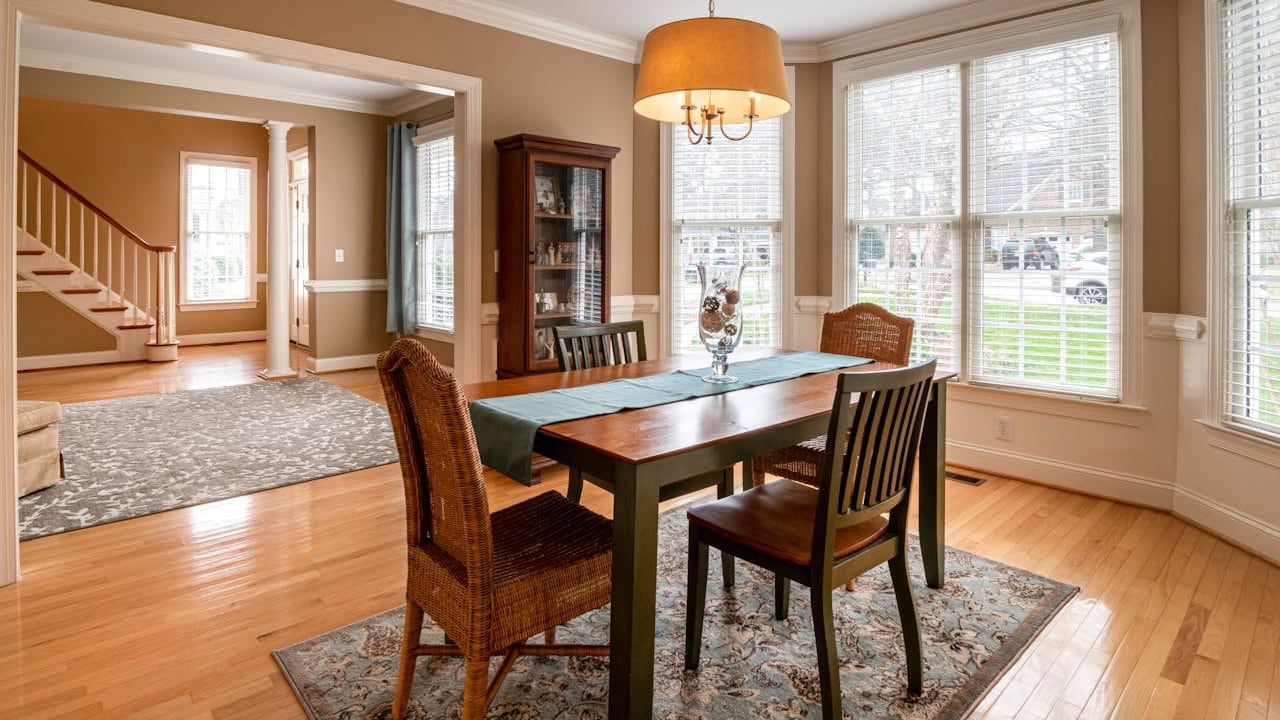
Why Floor Runners Matter In Home Decor And How To Pick One
Photo Credit: Pexels
Floor runners may seem like simple additions, but their influence on comfort, safety and visual harmony is far greater than expected. When chosen with care, they quietly enhance everyday routines and complete spaces that otherwise feel unfinished. From material and anti-skid backing to colour and placement, small decisions make lasting differences. Rather than treating them as decorative extras, viewing floor runners as functional design tools leads to smarter choices. With the right approach, these understated essentials can help your home feel more welcoming, more balanced and effortlessly put together, one step at a time.
Related Floor Runner Options Worth Exploring
Explore thoughtfully designed floor runners that suit bedrooms, kitchens and hallways, offering a balance of comfort, safety and timeless style to complement everyday living.
1. Saral Home Gold-Toned Solid Anti-Skid Floor Runner
2. Saral Home Grey & Pink Geometric Floor Runner
3. RALIA HOMES Green Self Design Anti-Skid Bedside Floor Runner
4. AAZEEM Black & White 2 Pieces Typography Printed Anti-Skid Floor Mat & Runner
5. Saral Home Unisex Grey & White Floral Printed Kitchen Runner
6. RALIA HOMES Grey Self Design Anti-Skid Bedside Floor Runner
7. Saral Home Elyesse Yellow Rectangular Anti-Skid Runner
8. Saral Home Unisex Brown & White Floral Printed Anti-Skid Runner
9. RALIA HOMES White & Pink Striped Anti-Skid Bedside Floor Runner
10. RALIA HOMES Taupe Self Design Anti-Skid Bedside Floor Runner
Frequently Asked Questions (FAQs)
Q1. What is the purpose of a floor runner in home decor?
A floor runner helps define spaces, add comfort underfoot and protect flooring in high-traffic areas. It also contributes to visual flow, especially in narrow or transitional spaces.
Q2. Where should floor runners ideally be placed?
Floor runners work well in hallways, beside beds, in kitchens and near entrances. These areas benefit most from added comfort and protection.
Q3. Are anti-skid floor runners necessary for all homes?
Anti-skid backing is strongly recommended, particularly in homes with children, pets or smooth flooring. It improves safety and keeps the runner in place.
Q4. How do I choose the right size floor runner?
Measure the area carefully and allow for a small border of visible flooring. The runner should follow the natural layout of the space without looking cramped.
Q5. How can I maintain floor runners easily?
Choose materials that suit the space and follow regular cleaning routines. Quick spot cleaning and occasional washing help extend the runner's lifespan.
(Disclaimer: This article may include references to or features of products and services made available through affiliate marketing campaigns. NDTV Convergence Limited (“NDTV”) strives to maintain editorial independence while participating in such campaigns. NDTV does not assume responsibility for the performance or claims of any featured products or services.)








![Steam Iron Teflon Shoe Cover for ES-300,ST-96 [Only For ES-300 and ST-96 Model Electric Steam Irons]](https://m.media-amazon.com/images/I/51wwkttondL._SL160_.jpg)