Offline Games For Teens And Young Adults That Keep Them Off Their Phone
Stuck on your phone doomscrolling for an hour? Offline games that hold your attention, reduce screen time, and actually feel worth it.
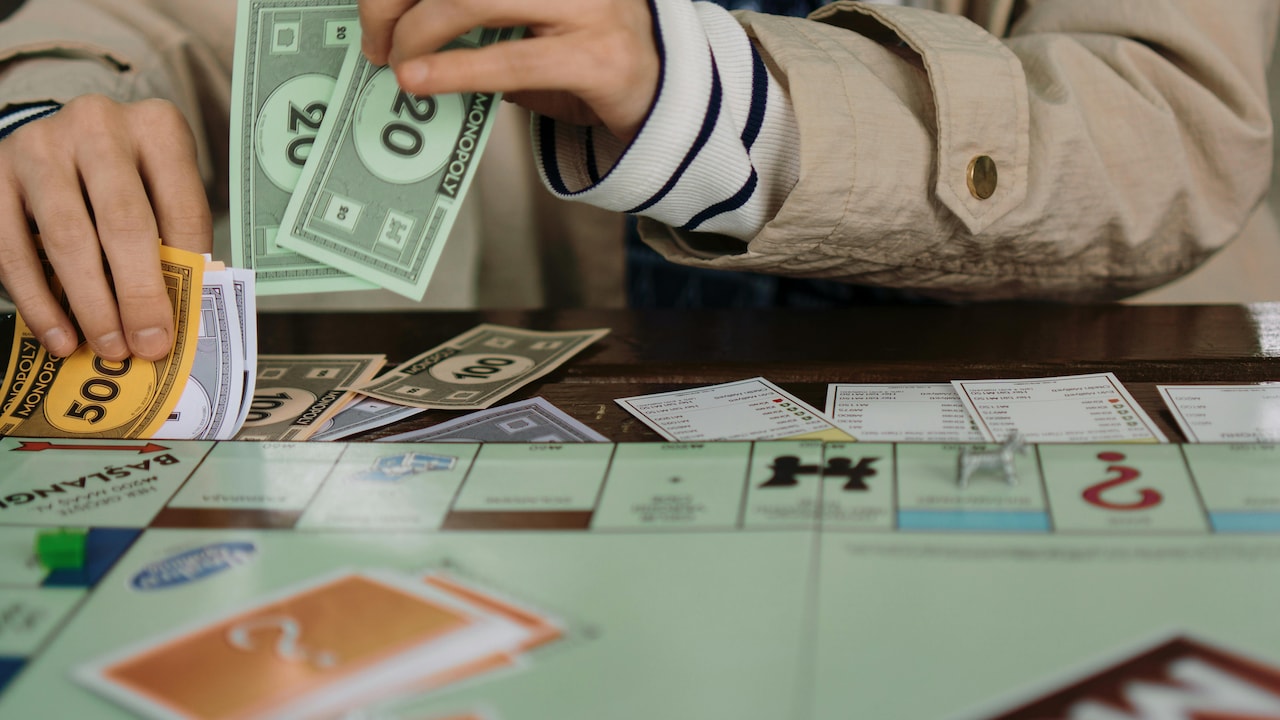
Putting your phone down feels harder than it should
There's a difference between taking a break and just switching apps. Once you decide to take a break you immediately switch to some social media platform, scroll a little, switch platforms again, check something random and suddenly you've lost an hour of your time. You weren't even doing something particularly fun or engaging. It feels jarring to realise that so much time went by when you thought it was just 15 minutes. At this point, everyone knows they should probably spend less time on their phone. That part isn't new. You hear it all the time. Do a digital detox, set screen time limits, reduce your usage. But knowing it and actually doing something about it are two very different things. You don't always pick it up because you want to. Most of the time it's just a habit. The same can be said for kids. They're glued to the TV screen or the phone.

Putting your phone down feels harder than it should
Photo Credit: Pexels
Because what exactly are you supposed to do instead? And that's the part that people don't talk about. Cutting down on your screen time isn't about discipline or learning to live without your phone all the time. The human brain is always active, even in sleep. There's a reason why people can't sit still for long. We're restless by nature and we need something to do that holds our attention. Right now it just happens to be our phones. So it's not about cutting down on screentime. It's about replacing it with a habit that actually holds your attention. Watching a movie turns into more screen time. Scrolling just shifts from one app to another. Even hobbies feel like they need effort you don't always have at the end of the day.
So you go back to your phone. Not because you want to, but because it's easy. Which is why finding something that actually replaces that habit matters more than just trying to cut it out.
Also Read: Pajama Party Alert!, Here Are 5 Adult Games To Make Evening Fun
Why These Games Feel Different
This is where offline games come in. They're not just there for nostalgia. We're talking about games that will make you pause and think about your next move. Not loud, not repetitive, not the kind you get bored of halfway through. The kind that asks you to sit down, pay attention, and stay there for a while. The kind where your brain has something to do, so it doesn't go looking for distractions every few minutes. Some of them feel like solving an actual case. Some of them actually are about solving a case. And once you start, it's hard to pull yourself out of it.
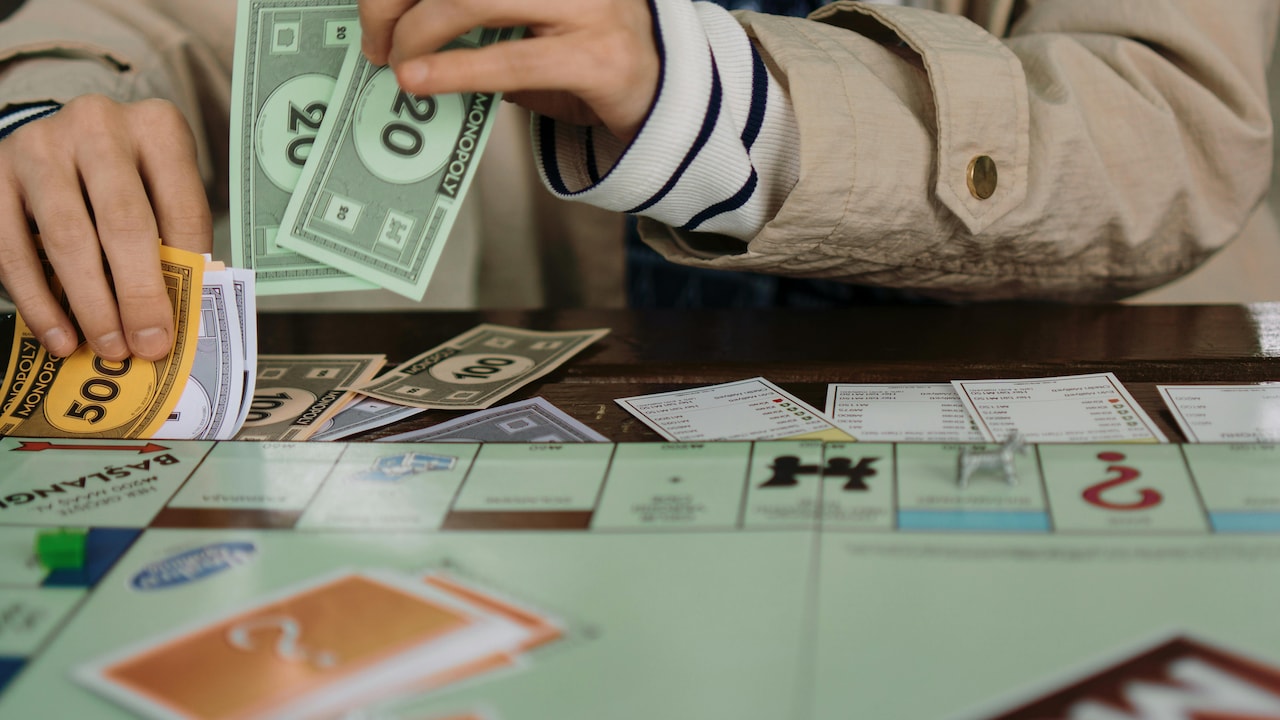
Sometimes all you need is a boardgame with friends
Photo Credit: Pexels
Not every game works the same way though, which is good because you have options. There's fast paced games Uno or Pictionary that require you to think and act quickly. They're loud, chaotic, filled with laughter, and don't give you the time to even think about your phone.
Murder mystery and case file games put you in the middle of an investigation. You're going through evidence, connecting clues, and trying to solve something piece by piece. It's slow, detailed, and absorbs all your attention. Puzzle-based escape room games work in a similar way. Instead of scrolling for stimulation, you're actively solving your way forward. Every clue leads to another, and before you realise it, you've spent an hour completely focused on one thing.
Strategy based games like Chess or Monopoly take longer and fully occupy your mind so there's no space left for distraction. Even solo-friendly options like complex puzzle books or logic games can hold attention in a way that feels calmer but still engaging.
What's changed in recent years is the rise of more immersive offline games, especially ones designed to feel like experiences rather than just “games.”
When You Have To Focus To Keep Going
Take Sherlock Holmes The Baker Street Irregulars for example. It doesn't try to keep you interested with quick rewards or flashy graphics. It just gives you a mystery and leaves you alone with it. A map, a case file, a list of leads and that's it. You decide where to go, what to read, which clue matters and which one doesn't. You'll probably go in the wrong direction at some point. You'll have to backtrack on previous choices, rethink your decisions, maybe even argue with whoever you're playing with. It challenges you intellectually and that's exactly what makes it work. The game makes your mind slow down and think because rushing it will only get you wrong answers. And after a point, you'll realise you haven't even thought about your phone.
Something like Hunt A Killer builds on that same idea, but makes it feel even more real. Instead of reading through a story, you're actually going through the “evidence” of the case. Letters, photographs, and reports, things you have to physically look at and piece together.
These games don't give instant results or rewards and don't let you find answers easily. You have to notice details, connect clues, sit there and think about what you're missing. This makes it satisfying. Because you're being entertained but you're also immersed in the world of the game. You're personally involved and it's up to you to solve these cases.
Then there are games that need a different kind of focus. It's not slow and investigative. There's a countdown and you have to figure things out before time runs out. Exit: The Game works exactly like that. It takes the escape room idea and brings it home, but without a real setup. You're solving puzzles, decoding clues, moving step by step through different levels that need your full attention.
These are the types of games that require your full attention. You either sit down and do it properly or it doesn't work. And because of that, everything else, including your phone, fades into the background.
When You Want Something Lighter, But Still Engaging
Not everything here is intense, though. Some games hold your attention without making you feel like you have to work too much. Codenames is a good example of that. It's simple on the surface. You're just giving one-word clues and guessing your agents based on them. But once you get into it, it becomes a lot more about how people think. You start noticing patterns. You think twice before saying something. You try to be clear without being too obvious and giving yourself away. It's quick, but it still holds your attention in a way that feels more engaging than scrolling on your phone.
Then there's Dixit, which is quieter, slower, and a little more open-ended. The cards are abstract, and the way you describe them is completely up to you. There's no single “correct” way to play it. It works because it lets your mind wander a bit, but not in a distracted way. You're still present and still thinking but just without pressure.
Why This Actually Feels Like A Break
Phones are designed to keep you engaged for as long as possible. There's always something new to see, something else to check, something you might be missing. There's no clear stopping point. You don't “finish” scrolling. It just keeps going. That's why when you want to take a break, you just end up switching between apps instead of actually stepping away. It feels like rest, but it isn't.
The one thing that stands out about all these games isn't just that they're fun. It's in the way they hold your attention. When you're on your phone, your focus is constantly split. You're watching something, checking something else, thinking about something else entirely. Your mind never really settles on one thing. These games do the opposite. They ask for your full attention and because they're engaging enough, you actually give it.
You read something and then do it again and again until it sticks in your head because maybe it'll help you later in the game. You notice details instead of skimming past them. You think something through instead of moving on in a few seconds. Once you've passed a level or solved a problem, you feel mentally exhausted in a way that feels satisfying. And that is why these games actually work.
How To Actually Make The Switch
Try different types of games and see what holds your attention best because everyone has different preferences. And if you can, involve other people. Games tend to hold attention longer when they're shared. You'll realise, the experience feels different than just passing time. It's slower, but not boring, and you're actually having fun. It gives your mind something to do, a direction to focus on, instead of constantly pulling it in different directions. It's not about avoiding your phone completely. It's about having something else that feels worth your attention. Reducing screen time isn't just about willpower. If it were, it would be a lot easier. What actually works is replacing that time doomscrolling with something better.
The easiest way to start is to make offline games accessible. If they're within reach, you're far more likely to pick them up instead of your phone. It shouldn't feel like you're forcing yourself to stay off your phone. When you find the right game, your phone just stops being the most interesting thing around you. All of these games are easy to find online on Amazon, so access isn't really an issue. The only thing that will start this change is if you choose to sit down and play these games. Start small. You don't need to commit to hours, just 20 minutes is enough to break the pattern. And once you experience that kind of engagement, whether it's a chaotic round with friends or solving a case file, you start to realise your phone wasn't really the problem.
Frequently Asked Questions (FAQs)
1. What are the most popular types of offline games?
Offline games range from board games and card games to puzzle-based and mystery or escape room-style games. Some are more strategy-focused and take time, while others are quick and more interactive. It really depends on what you're in the mood for, something light and social, or something that actually makes you sit down and think.
2. How many players do offline games usually require?
Most offline games are designed for 2 to 6 players, but this can vary. Some games work well with just two people, while others are better suited for larger groups. There are also solo-friendly games available, especially in the puzzle and mystery categories.
3. Can offline games be replayed multiple times?
Many offline games, especially board and card games, can be replayed multiple times without feeling repetitive. However, some games like escape room kits or mystery-based games are usually meant for one-time play, since the solution is revealed after the first attempt.
4. What factors should you consider before buying an offline game?
Before buying an offline game, it's important to consider the number of players, the complexity of the game, and how long it takes to play. You should also check if the game is replay-able and whether it matches your interests, such as strategy, puzzles, or storytelling.
5. Are offline games time-consuming?
It depends on the type of game. Some games can be played in 15-30 minutes, making them easy to fit into a short break, while others may take a few hours to complete. Many games also allow you to pause and continue later, so they can be flexible based on your schedule.
(Disclaimer: This article may include references to or features of products and services made available through affiliate marketing campaigns. NDTV Convergence Limited (“NDTV”) strives to maintain editorial independence while participating in such campaigns. NDTV does not assume responsibility for the performance or claims of any featured products or services.)