Best Travel Tripods: How To Pick Lightweight And Stable Options For Photography Anywhere
Choosing the right travel tripod can transform photography on the move. This guide explains how to balance weight, stability, height and budget to find a tripod that performs reliably across cities, hills, and remote landscapes.
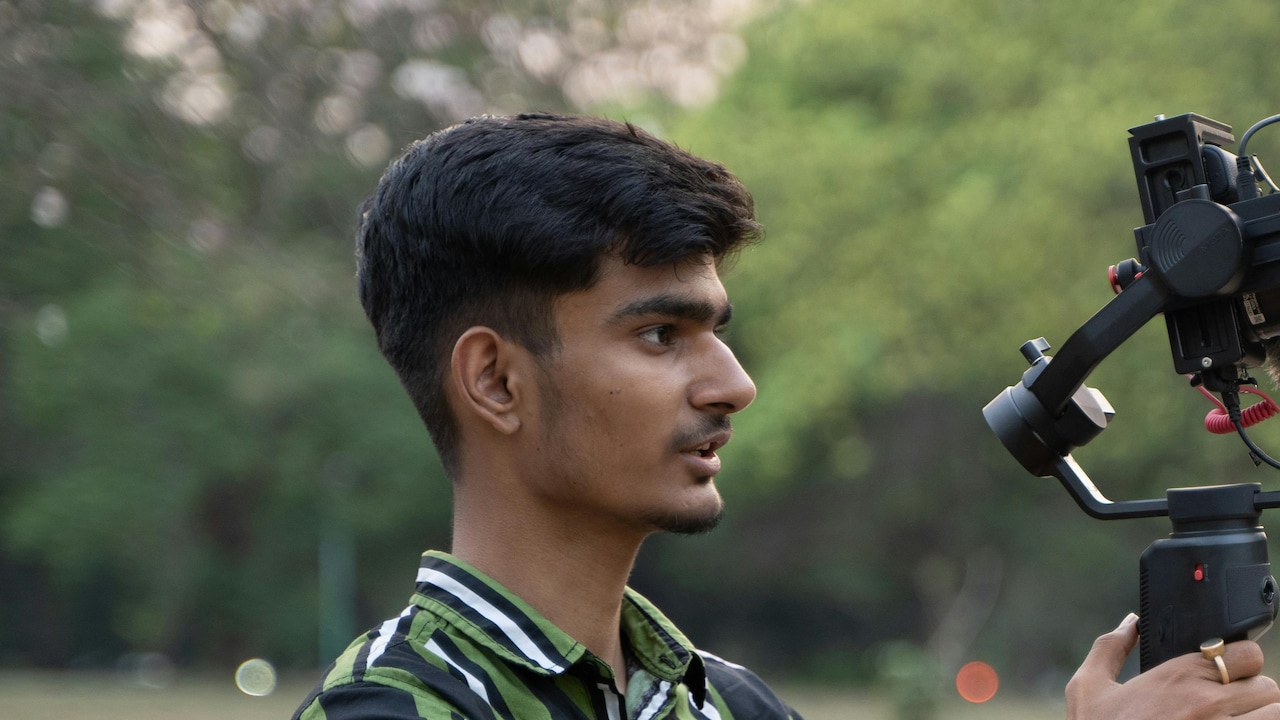
Best Travel Tripods for Photography: Picking Lightweight, Stable, and Portable Designs.
Travel photography thrives on freedom. Long walks through heritage lanes, sudden detours to quiet beaches, and late-night food trails often bring the best frames. Carrying heavy gear can drain that excitement. A travel tripod should support creativity, not slow it down.
Many photographers assume that lighter tripods lack strength. Others fear that sturdy ones always feel bulky. The truth sits somewhere in between. Smart design, modern materials, and thoughtful features now allow compact tripods to hold cameras steady even in tricky conditions.
This article explores how to choose a travel tripod that balances weight, stability, and ease of use. It focuses on real-world travel, where trains feel crowded, flights come with strict baggage rules, and every gram matters. Expect practical advice, relatable examples, and clear explanations, all aimed at helping photographers make confident choices without confusion.
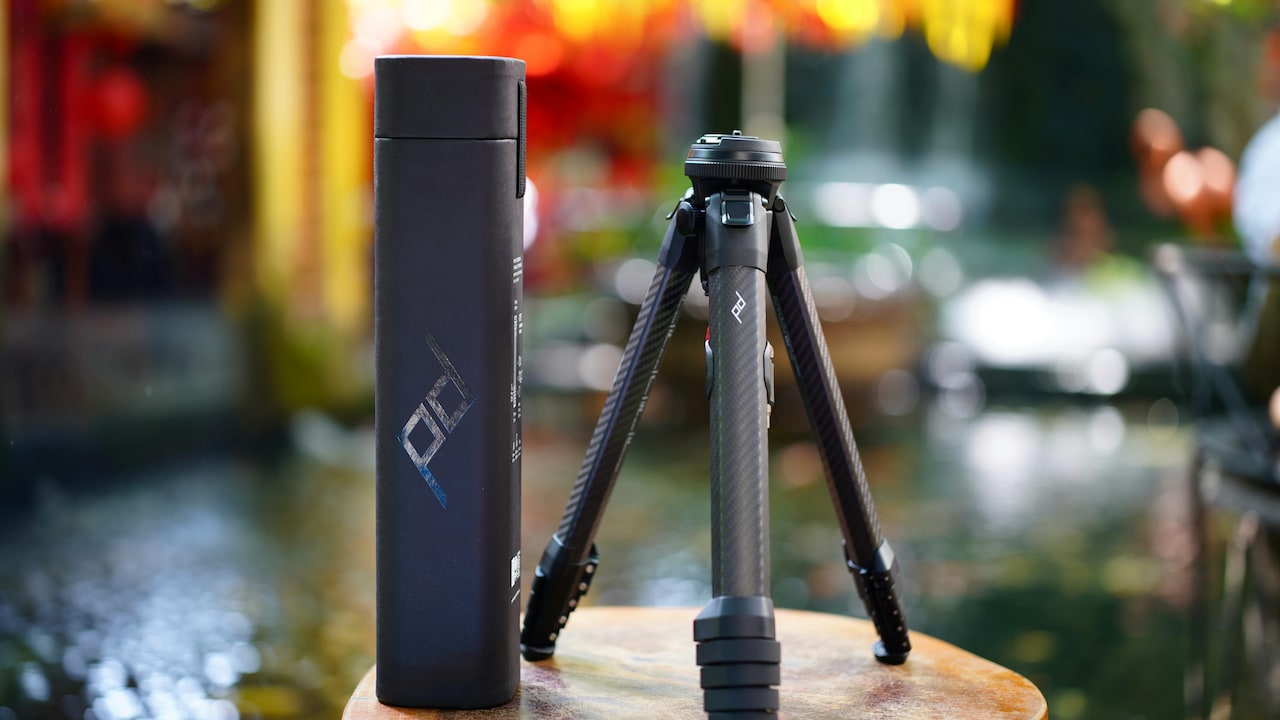
Best Travel Tripods: How To Pick Lightweight And Stable Options For Photography Anywhere
Photo Credit: Pexels
The Essentials That Matter When Choosing A Travel Tripod
1. Why a Travel Tripod Matters More Than Ever
Travel photography no longer belongs only to professionals. Compact mirrorless cameras, action cams, and even smartphones now capture stunning images. A travel tripod unlocks their full potential. It sharpens night shots, steadies videos, and helps frame landscapes with care.
Handheld shots often struggle in low light. Busy streets after sunset, temple interiors, or quiet mountain roads demand longer exposures. A tripod keeps images crisp without pushing ISO too high. It also helps with time-lapses and group photos, where everyone wants to appear in the frame.
Travel tripods bring consistency. They allow thoughtful composition rather than rushed clicks. They also reduce physical strain, as arms no longer need to stay tense for stability. Over time, this comfort matters.
For frequent travellers, a tripod becomes part of the rhythm. It sets up quickly, packs neatly, and blends into daily movement. Choosing the right one turns photography into a pleasure rather than a chore.
2. Weight vs Stability: Finding the Sweet Spot
Weight often becomes the first concern. No one enjoys hauling heavy gear through airports or crowded bazaars. Yet stability cannot take a back seat. A tripod that shakes in light wind defeats its purpose.
Modern travel tripods use aluminium or carbon fibre. Aluminium costs less and offers solid strength. Carbon fibre weighs less and absorbs vibrations better. The price gap feels noticeable, yet the comfort difference shows during long trips.
Stability depends on more than material. Leg thickness, locking mechanisms, and centre column design play key roles. Thin legs save weight but may wobble on uneven ground. A thicker lower section adds confidence without much bulk.
A good balance feels reassuring when the camera sits on top. Gentle pressure should not cause visible shaking. The best choice often lies in mid-range models that combine sensible weight with dependable strength.
3. Folded Size and Portability on the Road
A tripod may feel light, yet awkward length can cause frustration. Portability involves both weight and folded size. Shorter folded length fits easily into backpacks or cabin luggage.
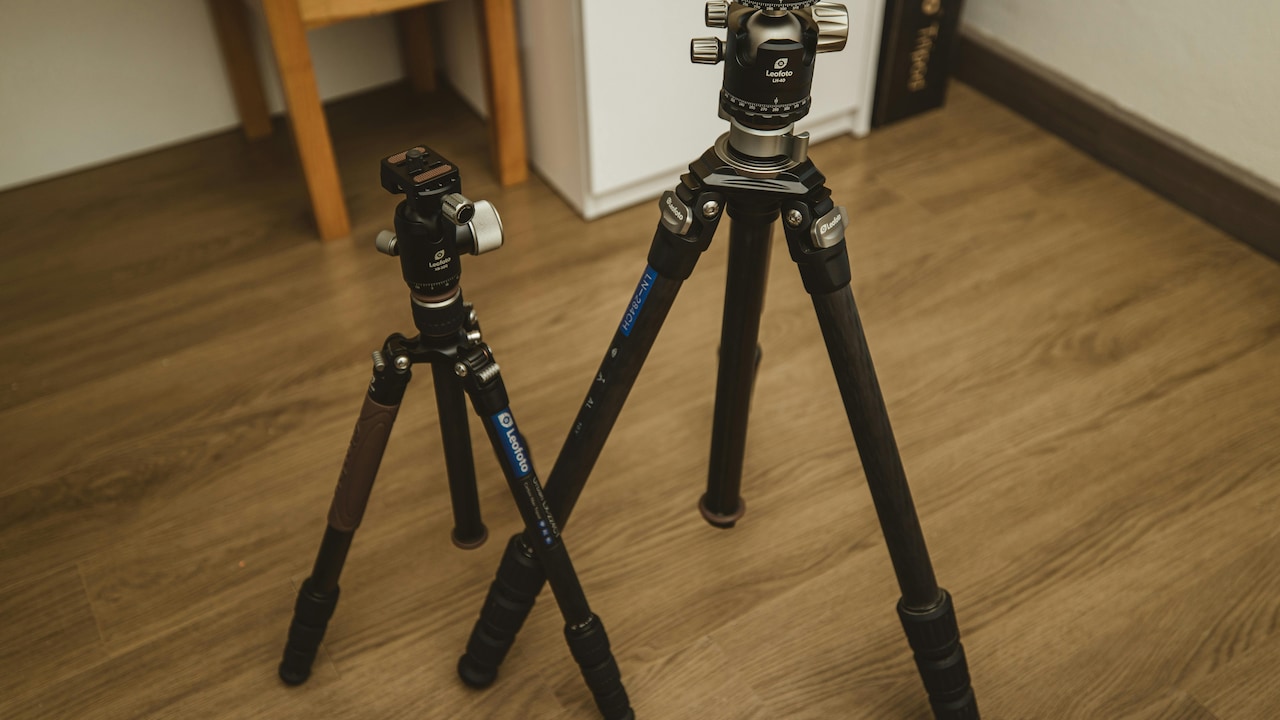
Many travel tripods feature reverse-folding legs. These wrap around the head, reducing size significantly. Such designs slip into side pockets or even daypacks. They work well for bus journeys and walking tours.
Portability also means ease of handling. Sharp edges, protruding knobs, or loose parts can snag on clothes. Smooth finishes and compact shapes feel more travel-friendly.
A tripod that stays easy to carry gets used more often. One that feels cumbersome may stay in the hotel room. Real travel demands convenience. Choosing a tripod that blends seamlessly into daily movement helps keep photography spontaneous and enjoyable.
4. Height Matters More Than Expected
Maximum height often gets overlooked. Many travellers accept shorter tripods to save weight. This choice can strain the back during long shoots.
Eye-level height allows comfortable composition. Constant bending feels tiring, especially during landscape sessions or long exposures. A taller tripod reduces fatigue and keeps focus sharp.
Centre columns add extra height, yet overuse can reduce stability. Extending legs first and using the column only when needed works best. Some models include multi-angle columns that adapt to creative angles.
Minimum height also deserves attention. Low-angle shots of flowers, textures, or reflections add variety to travel albums. Tripods with flexible leg angles handle these shots well.
A tripod that adjusts smoothly to different heights offers versatility. It supports creativity without forcing awkward body positions or rushed decisions.
5. Leg Locks and Ease of Setup
Travel photography moves fast. Sunsets fade quickly, and street scenes change in seconds. A tripod should be set up without fuss.
Leg locks come in two main types: flip locks and twist locks. Flip locks feel quick and visible. Twist locks look cleaner and resist snagging. Both work well when designed properly.
Ease of use matters more than style. Locks should feel firm yet smooth. Sticky or loose locks cause frustration. Cold mornings or sweaty hands test their quality.
Leg angle selectors also influence setup speed. Simple push-button designs allow quick adjustment on uneven ground. Rocky trails, steps, and slopes often demand flexibility.
A tripod that opens swiftly keeps focus on the moment rather than the gear. Smooth operation adds quiet confidence, which shows in better photographs.
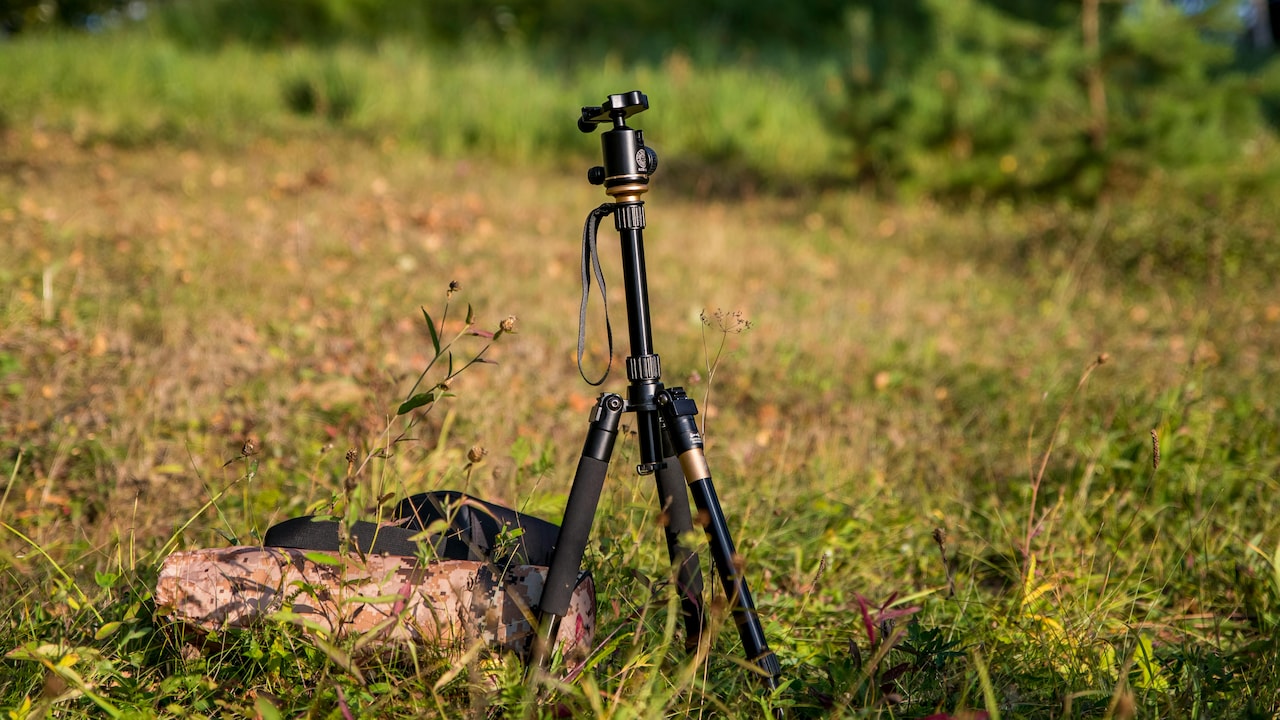
Best Travel Tripods: How To Pick Lightweight And Stable Options For Photography Anywhere
Photo Credit: Pexels
6. Load Capacity and Camera Safety
Load capacity defines how much weight a tripod can safely support. Many travel tripods advertise high numbers. Real-world stability matters more.
A tripod should handle the camera, lens, and accessories comfortably. Mirrorless cameras with standard zooms pose little challenge. Larger lenses or DSLR bodies need stronger support.
Overloading a tripod risks blurred images or equipment damage. Wind, uneven ground, and extended columns increase strain. Choosing a tripod with extra capacity adds peace of mind.
The head also plays a role. Ball heads suit travel well due to their compact size and quick adjustments. Smooth movement and secure locking protect equipment.
Trust builds when the tripod holds steady without hesitation. That trust allows photographers to focus on composition and timing rather than worrying about gear safety.
7. Build Quality for Real Travel Conditions
Travel exposes gear to dust, heat, rain, and occasional bumps. Build quality decides how well a tripod survives these conditions.
Metal components often outlast plastic ones. Rubberised grips improve handling and comfort. Sealed locks resist dust and moisture, especially useful in coastal or desert regions.
Feet design matters too. Rubber feet work well on smooth surfaces. Some tripods include retractable spikes for rough terrain. This feature adds versatility without much weight.
A sturdy finish resists scratches and corrosion. Over time, wear marks tell stories, yet functionality should remain intact.
Choosing a tripod built for real-world travel avoids frequent replacements. It becomes a long-term companion rather than a fragile accessory.
8. Versatility Beyond Photography
A travel tripod often supports more than still images. Many travellers shoot videos, vlogs, or time-lapses. Versatility adds value.
Some tripods convert into monopods, useful in crowded spaces. Others include detachable legs or adjustable columns for creative angles.
Smartphone mounts and quick-release plates increase flexibility. Switching between devices feels seamless. This suits travellers who capture moments on different platforms.
Tripods also help with non-photography tasks. They hold lights, microphones, or even small speakers. During long trips, such flexibility feels surprisingly useful.
A versatile tripod adapts to changing needs. It supports experimentation and keeps travel storytelling dynamic and fresh.
9. Budget Considerations and Long-Term Value
Price often influences decisions. Travel tripods range widely in cost. Higher prices usually reflect better materials and a refined design.
Budget-friendly options suit beginners and casual travellers. They offer decent performance for occasional use. Mid-range models often provide the best balance of quality and affordability.
Premium tripods appeal to frequent travellers who value comfort and reliability. The upfront cost feels high, yet durability justifies it over time.
Spending wisely means considering long-term use. Replacing cheap tripods repeatedly costs more eventually. Investing in a dependable model saves money and frustration.
Value lies not just in price, but in how often the tripod gets used and enjoyed.
10. Matching the Tripod to Travel Style
Every traveller moves differently. Some prefer slow exploration, others chase packed itineraries. A tripod should match that rhythm.
Backpackers often prioritise compact size and light weight. City explorers may value quick setup and sleek design. Nature lovers need stronger legs and better stability.
Personal shooting style matters too. Landscape photographers need height and stability. Street photographers prefer discreet gear. Video creators seek smooth heads and flexibility.
Choosing a tripod that aligns with travel habits ensures frequent use. It becomes part of the journey rather than an afterthought.
The best tripod feels natural. It supports creativity quietly, allowing moments to unfold without interruption.
Best Travel Tripods: How To Pick Lightweight And Stable Options For Photography Anywhere
Photo Credit: Pexels
Products Related To This Article
1. S1 Selfie Stick Tripod Light Weight
2. Mobilife Long Selfie Stick with Tripod Stand Aluminum 61 inch Multifunctional Bluetooth Tripod
3. Kratos K9 Selfie Stick Tripod With Light
4. Syvo WT 3130 Aluminum Tripod
5. KINGONE Long Selfie Stick with Tripod Stand Aluminum 71inch
A travel tripod may seem like a small accessory, yet it shapes how memories get captured. The right choice balances weight, stability, and ease, fitting seamlessly into travel life.
Thoughtful selection turns photography into a relaxed, enjoyable process. It encourages patience, sharper images, and creative exploration.
Every journey offers fleeting light and unique stories. A dependable tripod ensures those moments stay clear and steady. With the right companion in the bag, travel photography feels less like work and more like a quiet joy that unfolds frame by frame.
(Disclaimer: This article may include references to or features of products and services made available through affiliate marketing campaigns. NDTV Convergence Limited (“NDTV”) strives to maintain editorial independence while participating in such campaigns. NDTV does not assume responsibility for the performance or claims of any featured products or services.)