Gimbal Vs Tripod: Which Is Better For Festive Videos
Trying to decide between a gimbal and a tripod for festive videos? Here is a simple guide to help you choose the right option for smooth and steady shots.
Which option offers better stability between gimbal vs tripod
Festivals are even more special when you have memorable videos to look back on. It could be Diwali at home, or a family lunch, or one of those late-night parties that last longer than you think. These are moments worth recording. But shaky and blurry videos can spoil the experience. That is why many people now consider using either a gimbal or a tripod before the festive season begins. Both are available on Amazon at different price points, and both can help you capture better videos. The bigger question is which one suits the way you like to film.
What Is A Gimbal And What Is A Tripod?
Photo Credit: iStock
The answer is not quite the same for everyone. Some like to walk around and capture things as they happen; others prefer to set their phone in one spot and record without worrying about it. Either style is fine. It's really about the kind of holiday videos you want to do. Let's have a closer look at both options.
Also Read: Smart Wearables By Timex: 5 Most Affordable Smartwatches For Men And Women
What Is A Gimbal And What Is A Tripod?
1. Understanding How A Gimbal Works
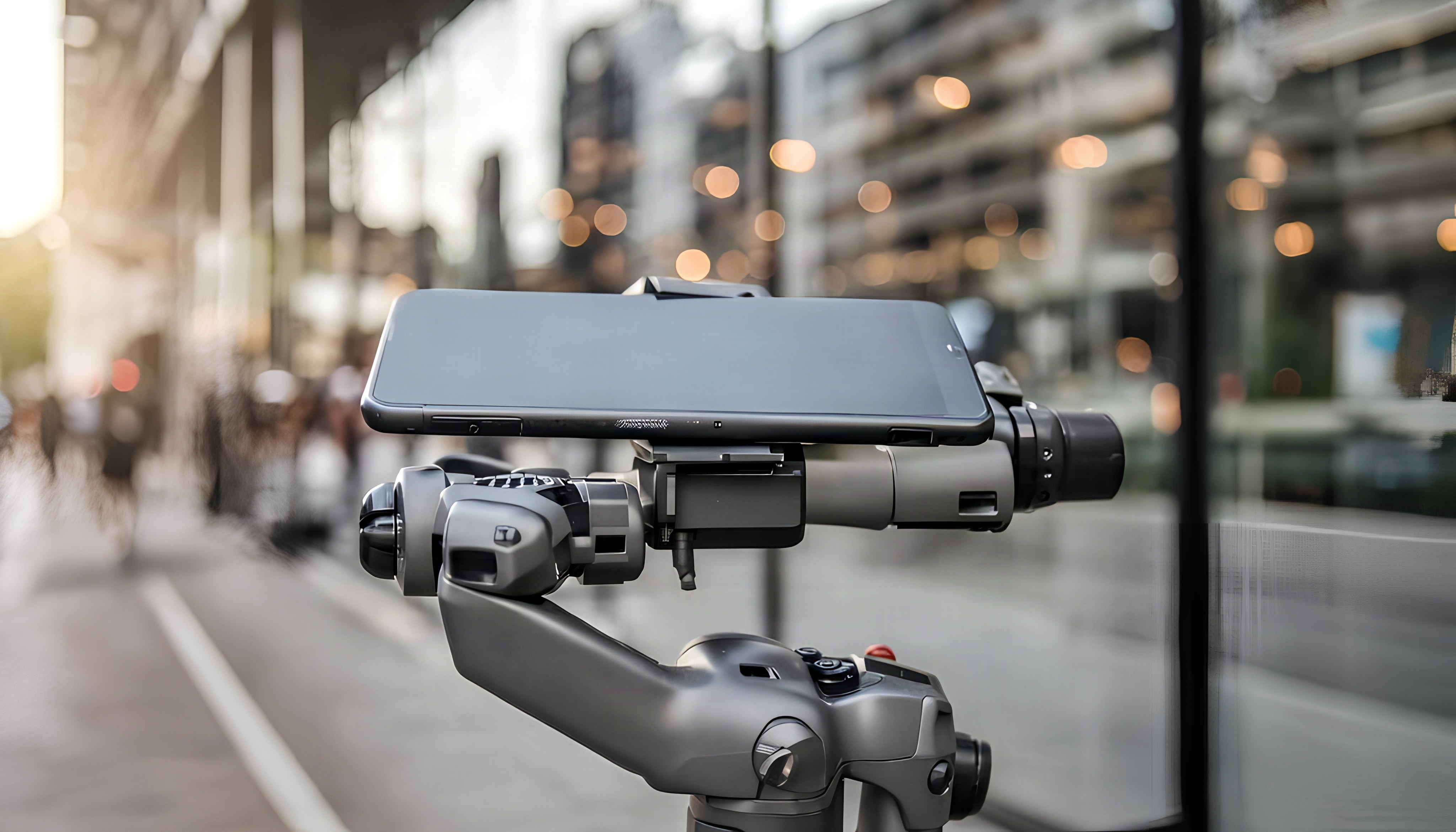
A gimbal is basically a smart stabiliser that you hold while filming. It uses small motors to balance your phone or camera as you move. So, if you are walking, turning, or climbing stairs, your footage can stay much smoother. It helps reduce those sudden shakes and bouncy movements that often show up in handheld phone videos. That smooth, floating look you see in many cinematic clips usually comes from a stabiliser like this one. A gimbal is a suitable option for people who want to keep moving while recording.
2. Understanding How A Tripod Works
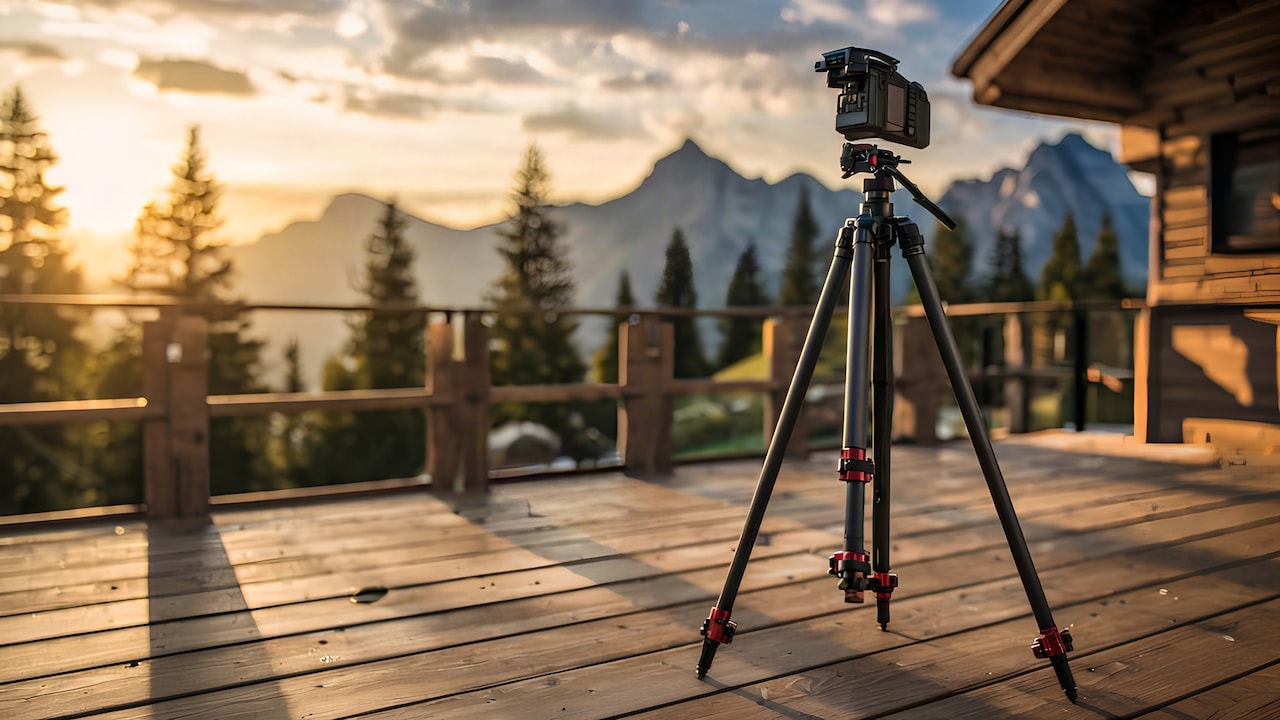
A tripod works in a much simpler way. It stays in one place. You open the legs, attach your phone or camera, and start recording. There are no motors to worry about, no charging in most cases, and no app setup. It simply gives your device a steady base. Many tripods can also fold down into a compact size, so carrying one in a bag is usually effortless.
When A Gimbal Makes More Sense For Festive Videos
1. Following The Action As It Happens
Festive celebrations can get busy rapidly. Someone arrives, and the whole family gathers around. Children are running everywhere. There may be dancing in one area while another celebration is happening nearby. A gimbal makes it easier to follow these moments without making the footage look excessively shaky. You can walk around and film naturally while the stabiliser takes care of most of the unwanted movement. Once you get used to filming this way, it can be hard to go back to holding the phone by hand.
2. Making Reels And Social Clips Look Better
If you enjoy posting on Instagram or creating YouTube Shorts, a gimbal can noticeably improve the look of your videos. The camera movement feels smoother and more controlled. You can create slow pans, follow someone walking through the room, or capture the festive decorations as you move past them. These small details can make phone videos feel more thoughtfully shot. Even on a small screen, the difference in movement is often easy to notice.
3. Shooting In Low Light Without Extra Blur
Low-light video is already challenging for most phone cameras. Add shaky hands, and the results can become even less clear. Diyas, candles and fairy lights look beautiful during festivals, but recording them while moving can be tricky. A gimbal helps reduce some of that unwanted hand movement. While it cannot solve every low-light problem, keeping the phone steadier can help you capture cleaner-looking footage in these situations.
When A Tripod Is The Better Choice
1. Getting Everyone In The Frame
This is one situation where a tripod is the best option. If you want a proper family video or group shot, you can set up your phone, frame everyone properly, press record and then join the group yourself. Nobody has to stand outside the frame holding the phone. It works especially well during family gatherings, ceremonies and meals when you want everyone to be part of the video.
2. Recording For Long Stretches Without Holding Anything
A gimbal is useful, but you still need to hold it while recording. If you plan to film a pooja ceremony for forty-five minutes or keep the camera running during dinner, holding a stabiliser the whole time can be tiring. A tripod makes much more sense here. Set up the shot, leave the phone in place and let it record. You do not have to worry about tired arms or accidental movements while filming.
3. Keeping Things Simple When You Just Want Steady Footage
Not everyone wants to spend time learning how a new gadget works before a celebration begins. A tripod keeps things simple. Open the legs, attach your phone, adjust the angle and press record. That is all there is to it. For someone who is not particularly interested in gadgets but still wants stable videos, a tripod is an obvious choice. It is also usually more affordable, which makes it a practical option for many buyers.
Gimbal Vs Tripod: How They Actually Compare
1. Portability On A Busy Festive Day
During the festive season, you may be moving between homes, attending family gatherings or travelling from one venue to another. In that situation, carrying bulky equipment is the last thing you want. Small tripods are lightweight and can fold down easily. Gimbals are also fairly compact, although they need charging and may require a little more care when packed. Neither option is particularly difficult to carry, but a simple tripod can be slightly easier to manage on a busy day.
2. Which One Should You Go For
If you want to be part of the action and have your videos move smoothly with you, a gimbal is the better choice. If your main priority is steady, hands-free footage without following people around, a tripod can do the job for much less money. Both have their strengths. And if your budget allows you to buy both, you will be prepared for almost every kind of festive video without having to choose between movement and stability.
Some Products You May Like
Photo Credit: iStock
Some Products You May Like
1. DJI Osmo Mobile 8 Gimbal
2. GRENARO Tripod Stand
3. IZI GO-X PRO 3-Axis Gimbal
4. POLAM-FOTO Camera Tripod
5. Digitek (DSG-009F) 3 Axis Gimbal
6. Syvo WT 3130 Aluminium Tripod
7. Amazon Basics 3-Axis Gimbal
8. Adofys Professional Aluminium Alloy Tripod
Frequently Asked Questions (FAQs)
1. Can a tripod replace a gimbal for festive videos?
For fixed shots, family recordings and group videos, a tripod can work perfectly well. But if you want to walk around while filming, a gimbal is the better choice. They are designed for different types of shooting.
2. Is a gimbal worth buying just for occasional use?
If you regularly film weddings, festivals or family trips, even a few times a year, a gimbal can be worth considering. It can make moving shots look much smoother and give your videos a more polished feel.
3. Do gimbals work with all phones?
Most modern gimbals work with a wide range of smartphones. Still, it is a sensible idea to check the supported phone weight and width before buying one. Most popular smartphones are compatible with commonly available models.
4. What is the most significant difference between the two?
The main difference is simple. A gimbal keeps your footage stable while you are moving, while a tripod keeps your phone or camera still in one position. Both help reduce shaky footage, but they are meant for very different shooting styles.
5. Which is better for someone just starting with video?
A tripod is usually the easier place to start. It is simple to use, affordable and useful for many different situations. Once you become more comfortable with filming and want to create videos with more movement, you can consider adding a gimbal to your setup.
(Disclaimer: This article may include references to or features of products and services made available through affiliate marketing campaigns. NDTV Convergence Limited (“NDTV”) strives to maintain editorial independence while participating in such campaigns. NDTV does not assume responsibility for the performance or claims of any featured products or services.)