How To Choose The Right Power Bank Capacity For Monsoon Travel
Learn how to choose the right power bank for monsoon travel and keep your devices charged through delays, traffic jams, power cuts and long journeys.
How To Choose The Right Power Bank Capacity For Monsoon Travel
A power bank stops feeling optional once the rains arrive and you have to travel a lot. It is the best thing to have on a journey where getting access to electricity is not always possible. However, the problem is that most people just grab the one with the highest number on the box. More mAh sounds better, but it does not always make for a better travel companion. The right choice ultimately depends on your specific needs, including the items you are carrying, the duration of your outing, and the frequency of recharging. Here is how to figure out what actually makes sense for you.
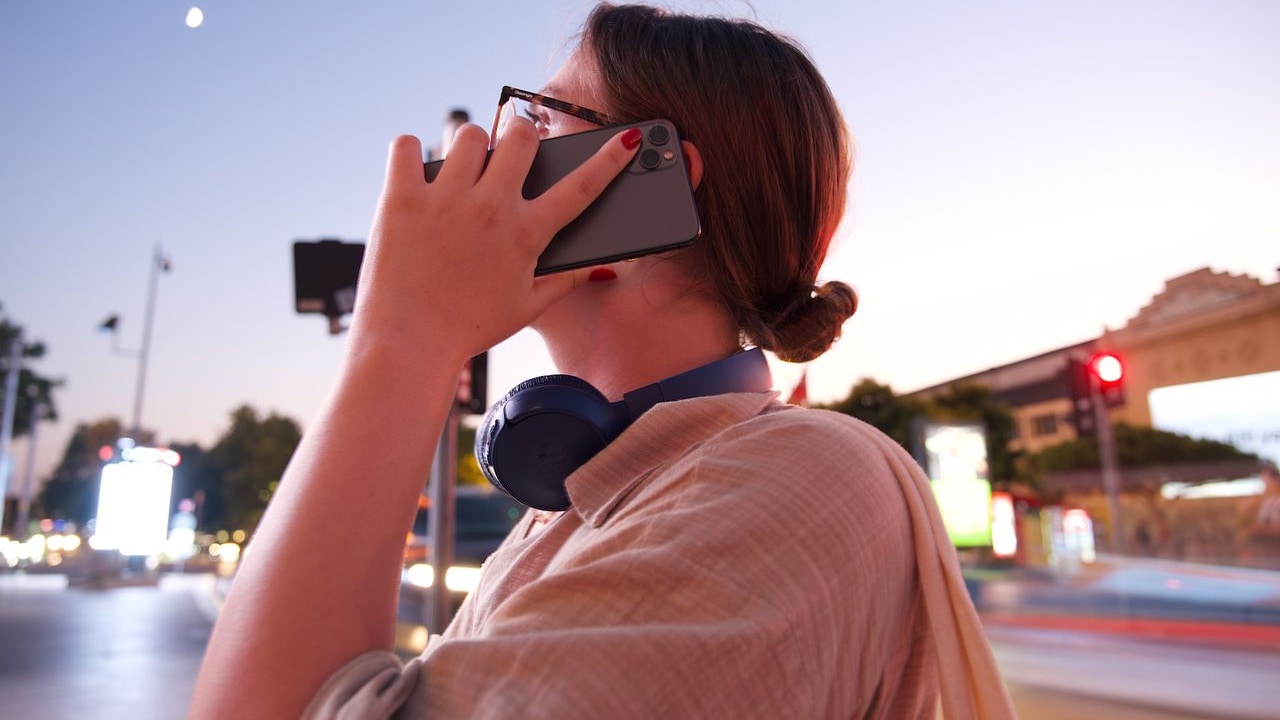
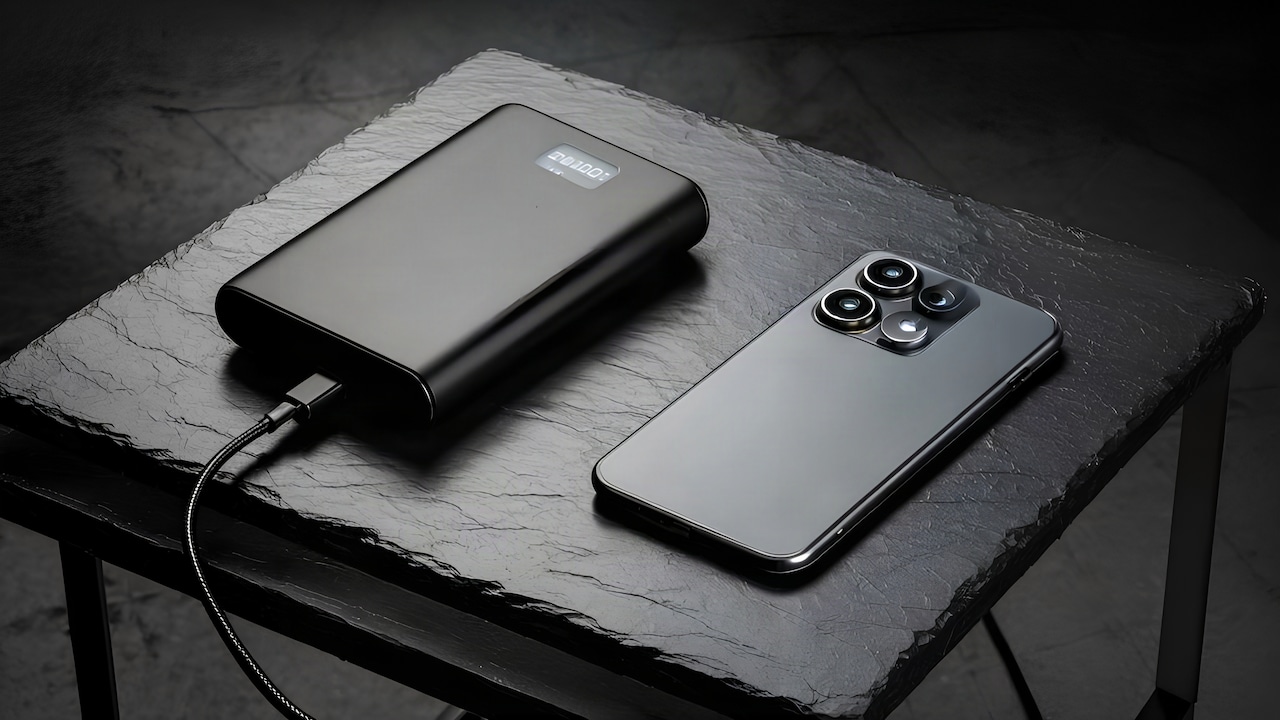
Keep devices charged through traffic jams and power cuts with the right monsoon power bank; Photo Credit: iStock
What Does Power Bank Capacity Actually Mean?
Power bank capacity is measured in milliampere-hours, written as mAh. In simple terms, it tells you how much charge the power bank can hold.
A higher mAh rating means more charging capacity, but it also means more weight and a bulkier device to carry around all day.
That is why bigger is not automatically better. A 30,000mAh power bank sounds impressive until you are lugging it around in the rain and wondering why your bag feels so heavy.
Also Read: Upgrade On The Go: Top 10 Premium Power Banks You Can Grab At An Affordable Price
How Much Capacity Do Most Travellers Actually Need?
For most people, a 10,000mAh power bank covers everyday travel comfortably. It can typically charge a smartphone once or twice, depending on the model, which is enough for most day trips.
Step 1: Match Capacity To Your Device
If you are mainly keeping one smartphone alive, a 10,000mAh model usually does the job without any issue. It is light, easy to slip into a bag, and does not feel like a burden to carry. Once you start adding more devices to the mix, the calculation changes.
Step 2: Think About How Long You Will Be Away
A day trip and a week-long holiday have very different power needs. The longer you are away from a reliable plug, the more that extra capacity starts to matter.
When Should You Choose a 20,000 mAh Power Bank?
A 20,000mAh power bank is ideal for many travellers. It gives you several phone charges without becoming the kind of thing you dread carrying.
Step 1: Consider Multiple Devices
If your bag already has a smartphone, smartwatch, wireless earbuds and maybe a tablet, a larger power bank starts making a lot more sense. It also works well for families where one bank ends up keeping multiple people's devices going through the day.
Step 2: Account For Monsoon Delays
Monsoon travel comes with delays you cannot always plan for. Sitting in a station for three extra hours or stuck in traffic longer than expected means more screen time and more battery drain. A higher-capacity bank gives you the flexibility to handle those moments without stressing about percentages.
Is A Bigger Power Bank Always Better?
Honestly, no. Higher-capacity models are heavier, take longer to charge back up and take up more space in your bag.
Step 1: Balance Capacity And Portability
A power bank that feels too heavy tends to get left at home, which makes it completely useless. A lighter one that you actually carry every day will serve you far better than a massive one sitting in a drawer. The best option is usually the one you are actually willing to take with you.
Step 2: Think About The Size Of Your Bag
A slim, compact power bank fits into almost any bag without taking up much room. If you are travelling light during monsoon, the last thing you want is a bulky device eating up half your bag space before you have even packed the essentials.
Features That Matter Beyond Capacity
While capacity is important, it is not the only factor to consider.
Step 1: Look For Fast Charging Support
Fast charging makes a real difference when you are on the move and do not want to be tethered to a cable for hours. Most modern power banks support fast charging standards that work well with phones, tablets and other devices.
Step 2: Check The Number Of Ports
Multiple output ports are genuinely useful when you are travelling with family or carrying more than one device. Being able to charge two things at once saves time and reduces the juggling act.
Common Power Bank Buying Mistakes
One mistake people make fairly often is not checking airline restrictions before flying. Larger power banks may face restrictions at the airport, which can be inconvenient during your trip.
Another is fixating on capacity while entirely ignoring charging speed and build quality, which matter just as much in day-to-day use.
Step 1: Buy From Reputable Brands
A well-known brand usually means better battery management, safer charging and something that actually holds up over time. Spending a little more upfront on a reliable power bank tends to be worth it in the long run.
Step 2: Check For Safety Certifications
It is worth looking for power banks that carry safety certifications before buying. While cheaper unbranded options may appear to be a bargain, they can overheat, charge inconsistently, or fail completely after a few months. A certified power bank gives you a little more confidence that it is not going to let you down when you actually need it.

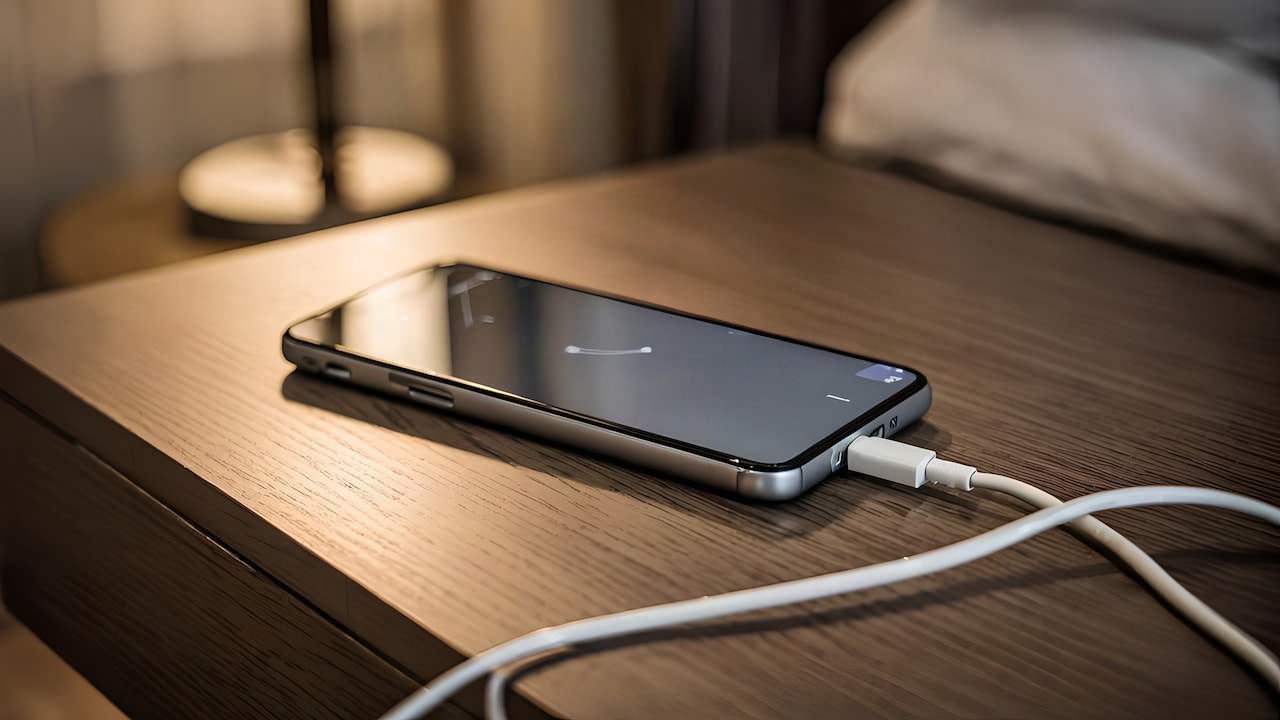
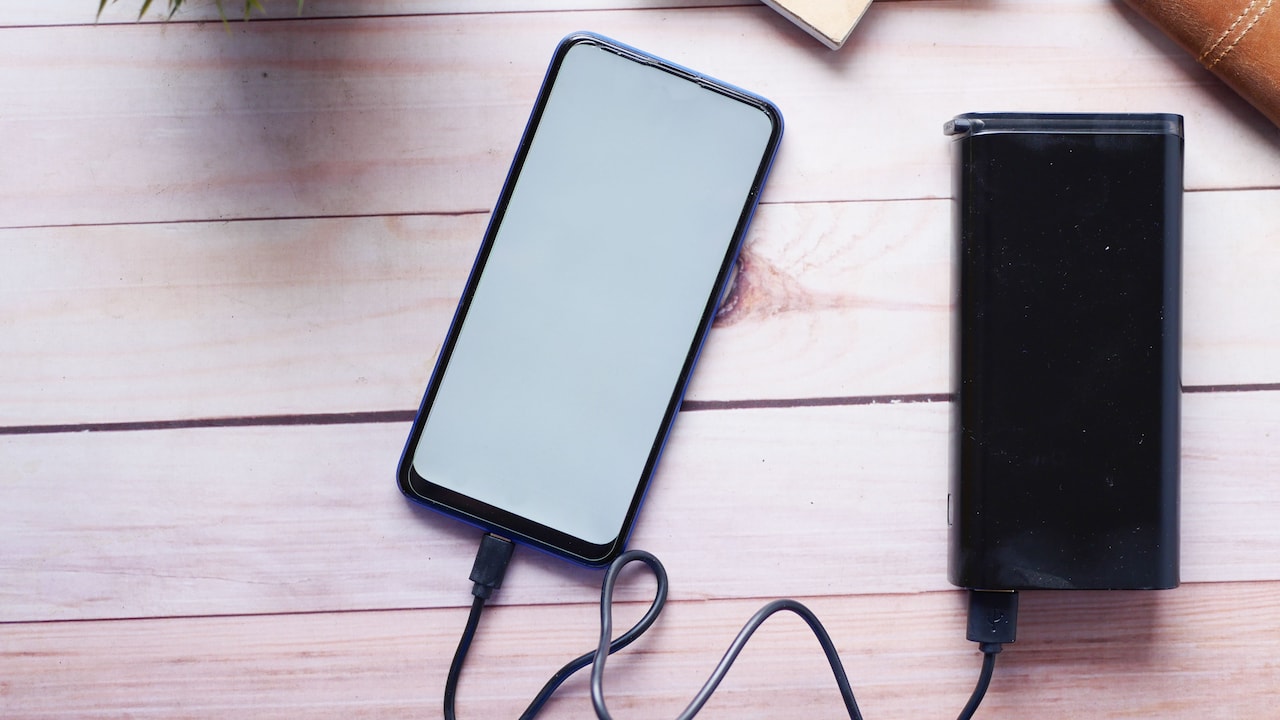
Learn to select the perfect power bank for travel delays and long monsoon journeys; Photo Credit: iStock
Some Power Banks You Might Like
1. Xiaomi Pocket Power Bank Pro 10000mAh
2. Ambrane 20000mAh Power Bank
3. URBN 10000mAh Nano Power Bank
4. BoAt EnergyShroom PB400 Pro
5. Belkin Power Bank 20000mAh
6. Zebronics MB10000S4 Power Bank
7. Portronics Luxcell B 20000mAh Power Bank
8. Stuffcool Major Ultra 20000 mAh
A good power bank keeps your phone, earbuds, and tablet running all day without worry. You can find compact, fast-charging options with the right capacity for daily use and travel. Pick one with multiple ports and safety features, and stay powered up wherever you go. Shop now on Amazon
Frequently Asked Questions (FAQs)
1. Is a 10,000mAh power bank enough for travel?
For most day trips and shorter journeys, yes. It handles smartphone charging without any trouble.
2. How many times can a 20,000mAh power bank charge a phone?
It depends on your phone's battery size, but you can typically expect several full charges out of it.
3. Are larger power banks heavier?
Yes, without exception. More capacity means more weight and more bulk.
4. Should I buy a power bank with rapid charging?
It is worth it. Fast charging cuts down the time you spend waiting around with a cable plugged in, which matters a lot when you are travelling.
5. Which is better for monsoon travel: 10,000mAh or 20,000mAh?
A 10,000mAh battery suits lighter travellers and day trips. If you are going longer or carrying multiple devices, the 20,000mAh gives you more breathing room.
(Disclaimer: This article may include references to or features of products and services made available through affiliate marketing campaigns. NDTV Convergence Limited (“NDTV”) strives to maintain editorial independence while participating in such campaigns. NDTV does not assume responsibility for the performance or claims of any featured products or services.)