What Is The Difference Between IP67 And IP68 Water Resistance In Phones
Understand the distinctions between water resistance ratings IP67 and IP68 and how they provide protection and use in the real world.
What Is The Difference Between IP67 And IP68 Water Resistance In Phones
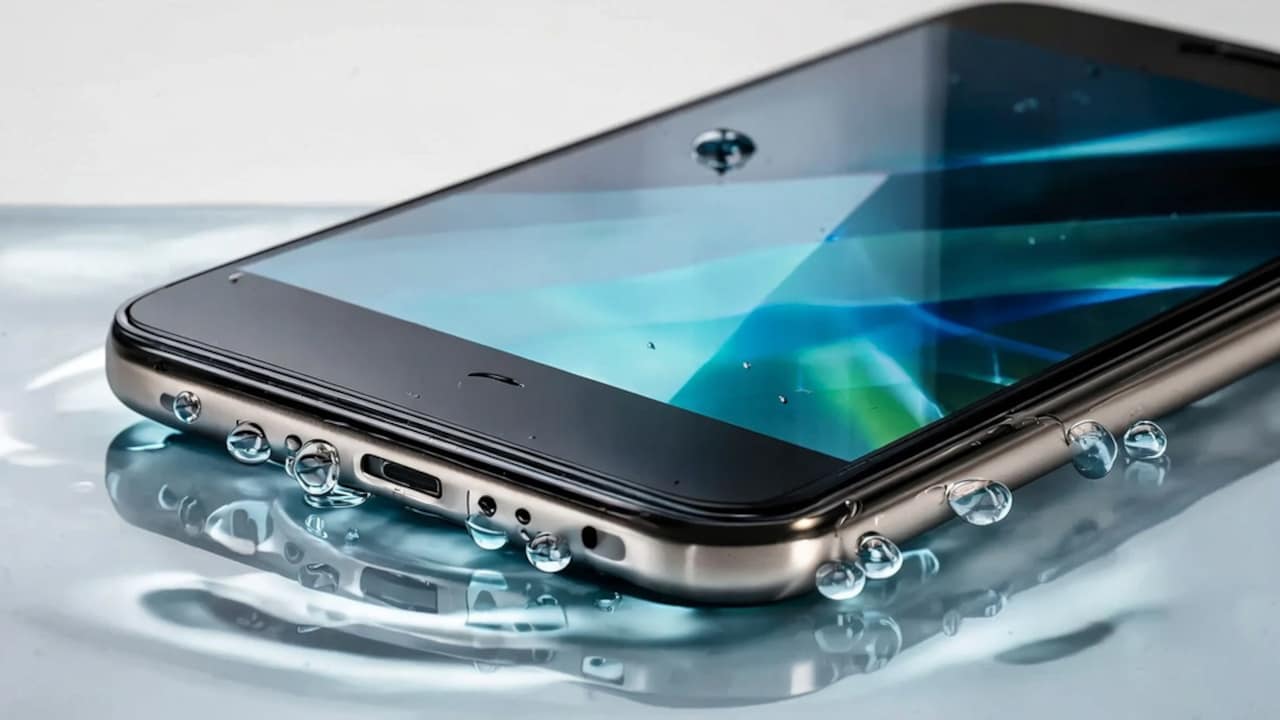
The smartphone's waterproof feature is one of the hottest features ingrained in the current market. Often, when buying a device, the level of protection offered is what leads many buyers to seek an additional layer of security, as it may be necessary to safeguard against unforeseen rain, spills, or typical exposure to dust and moisture.
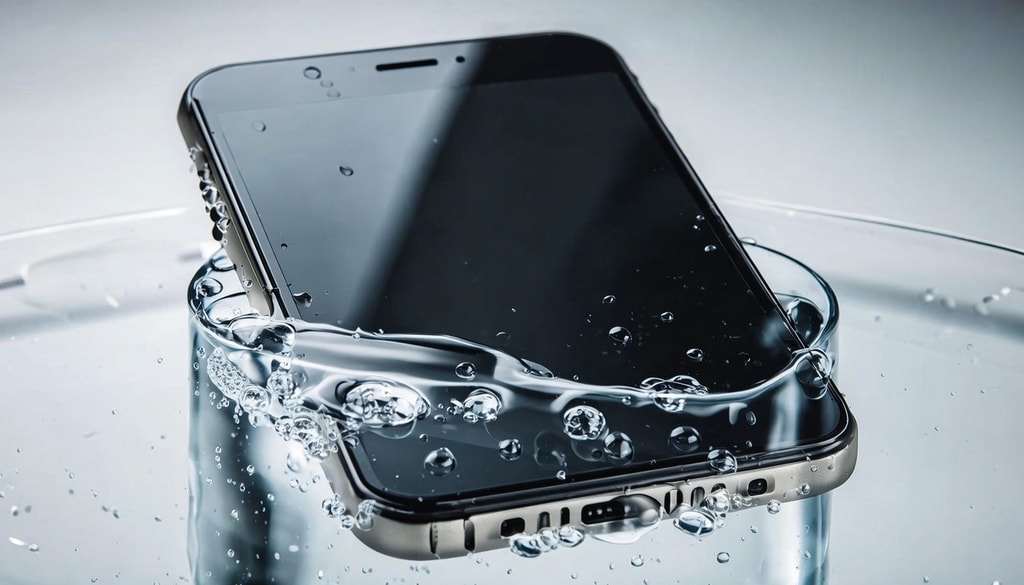
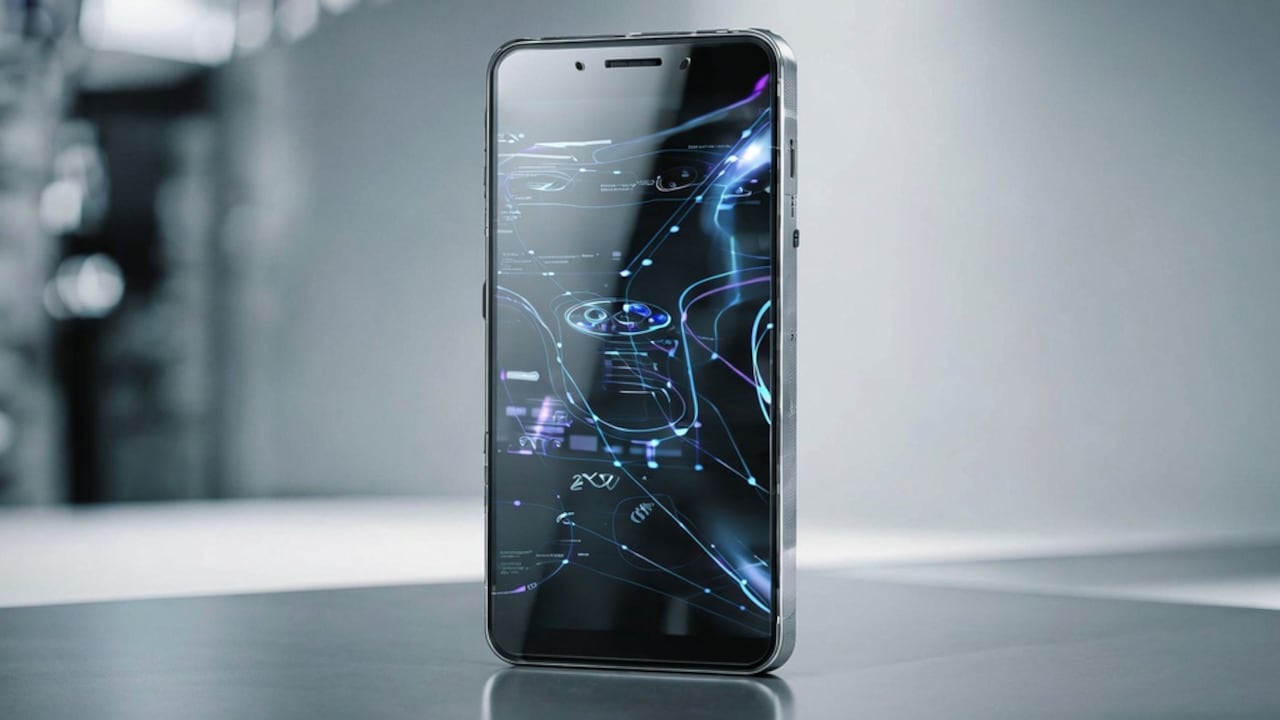
IP68 offers higher water protection for continuous immersion depths; check manufacturer limits before underwater use.
Photo Credit: iStock
Some terms, such as “IP67” and “IP68”, however, can be confusing. Both ratings suggest water and dust resistance, so it's not always clear to people how they are different or which one better fits their lifestyle. Being aware of the meaning behind these ratings can help you to make an intelligent purchase. It also avoids unachievable desires and allows you to use your cell phone better in a variety of circumstances.
Also Read: Tailored Tech: Find the Smartphone Designed for Your Unique Lifestyle - Check Top 5 Picks Too
What Is The Difference Between Ip67 And Ip68 Water Resistance In Phones
The official international rating of the categories of IP standards shows how well a device is protected against water and dust. Both numbers "6" indicate that the product is completely protected from dust.
The difference is that the second number in the series is water-resistant. Think about the protection levels in terms of water resistance, and the answer is: IP67 vs. IP68 phones.
Both Ratings Offer Full Dust Protection.
Phones with an IP67 or IP68 rating are completely protected against dust particles. They are therefore suitable for daily use in dusty environments and help to reduce damage inside from fine particles.
IP67 Supports Temporary Water Immersion
Normally, an IP67-rated phone can handle being immersed in fresh water for up to 30 minutes, to a maximum depth of 1 metre. It is water-resistant and will protect from accidental waterfalls and rain.
IP68 Provides Greater Water Resistance
An IP68 rating basically means that the device can withstand being submerged under water for longer periods, with the limits dependent on the manufacturer, but such a rating is usually a positive indicator. It is one of the ratings used for various flagship devices due to its improved durability.
Water Resistance Does Not Mean Waterproof
There's a difference between IP67 and IP68; neither indicates that a phone is fully waterproof. Seals can deteriorate with time and may lose water resistance if damaged or aged.
Manufacturer Specifications Still Count
The IP68 code means different things for different brands. The manufacturer's guidelines can tell users how deep the water level should be and how long the device will run.
IP Ratings In Smartphones You Should Know About
Step 1: Don't Let It Accidentally Get Underwater
Phones are not waterproof and will not last long in the water for swimming or photography. Avoid exposing too much of certain straps or areas, so as to preserve protective seals.
Step 2: Dry The Device Properly After Exposure
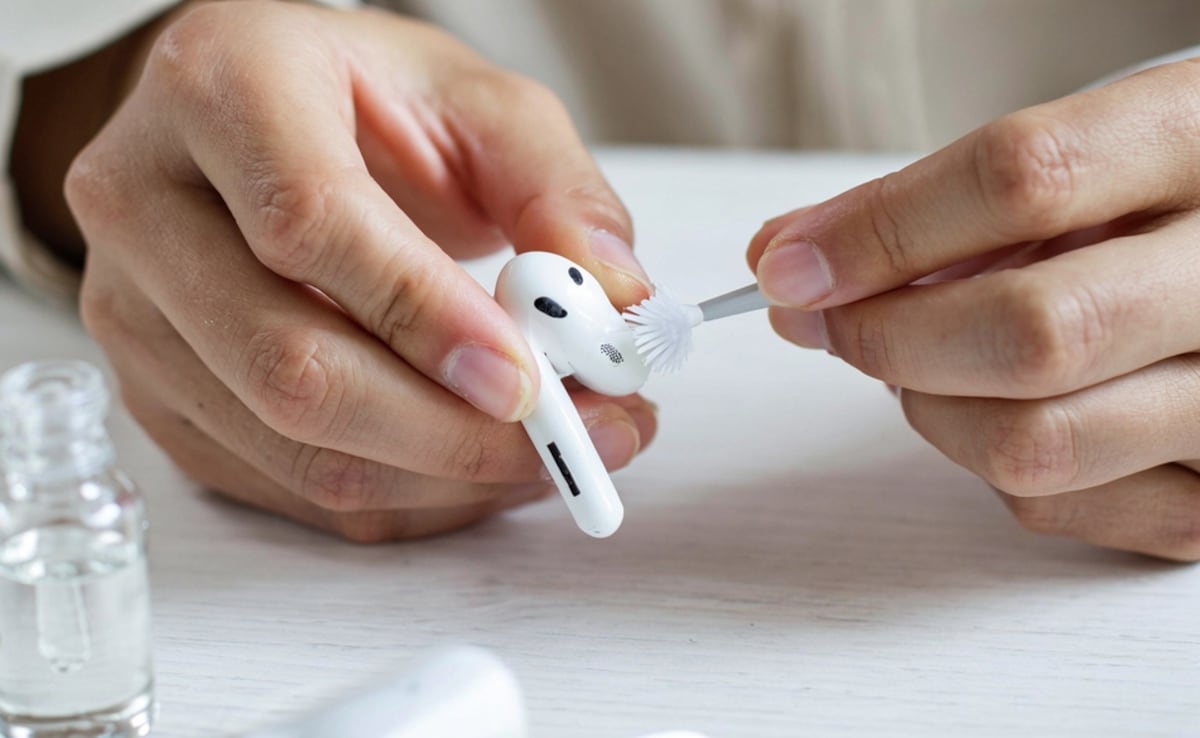
Wipe down with a soft cloth, then let the ports dry if the phone gets wet, and do not charge until the ports are dry. This will help prevent damp-related problems.
Step 3: Avoid Salt Water And Chemicals
The majority of tests for liquids are freshwater tests. Salt water, soaps, and chlorinated water can damage seals and internal components.
Step 4: Use A Protective Case
An added cushion is offered overhead by a good case, as well as protection from accidental falls and impacts that can lessen the water resistance of the seals.
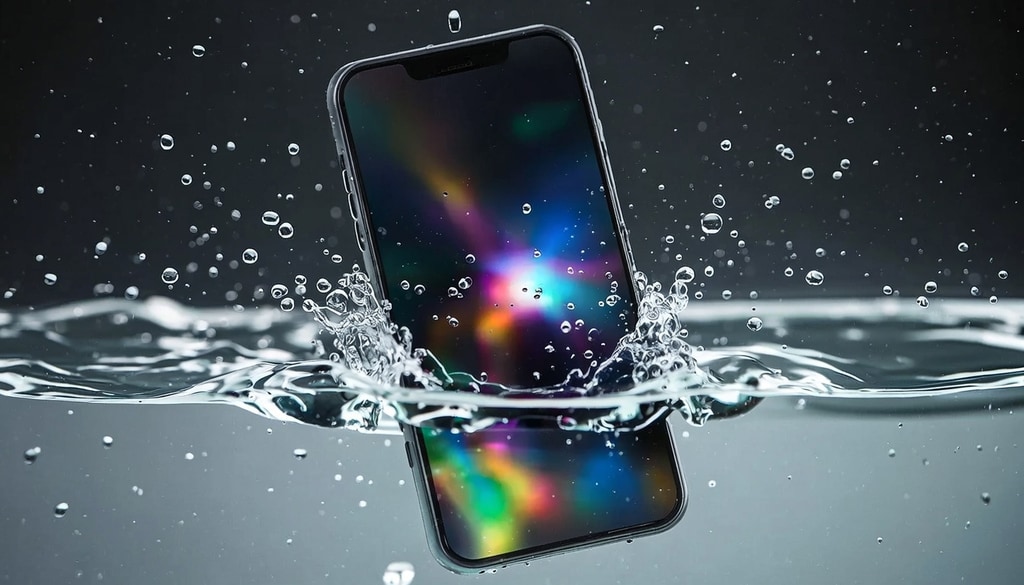
Choose IP67 for everyday splash resistance, IP68 for frequent water exposure—verify depth and duration specifications.
Photo Credit: iStock
Benefits Of IP67 And IP68 Water Resistance
The introduction of a water-resistant phone brings one more level of security in normal day-to-day activities. The common examples of these include accidental spills, unexpected rain showers or even a short period of exposure to water, and the IP67 or IP68 rating can reduce the risk of there being any immediate damage caused. This means customers will feel more confident and at ease with the phone, especially when travelling, outdoors, or during their commute, leading to a more enjoyable experience throughout the day. The ratings are not designed for extended underwater applications but offer excellent protection from many common accidents.
Another even more significant benefit is the enhanced stability and reduced upkeep. Phones with certified water resistance are likely to be less prone to costly repairs that would have been compromised by minor liquid accidents when compared to older models. Equally, these ratings do not impact normal mobile phone use, and users can still use their phones as normal and will still enjoy their extra level of protection. Water-resistant phones are especially handy for individuals who are travelling often, go outdoors a great deal, work in harsh environments or reside in areas with high humidity or rainfall.
Common Mistakes To Avoid
One key misconception about IP67 and IP68 phones is that these ratings are equivalent to "waterproof." The ratings actually indicate the level of protection provided under controlled test conditions. Over time, exposure to water or accidental breakage can compromise the protective seals, especially in cases of natural wear and tear. Even IP68-rated units are susceptible to damage if things like swimming, underwater photography or putting them in chlorinated water or seawater happen.
One of the other frequent mistakes is applying the charge immediately after watering the smartphone. Water within the charging connector can have the opposite effect of what you intend, namely, disrupting the flow of electricity; it may even affect your internal equipment. Wiping the surface dry and ensuring there is no moisture on the charging port is always a wise idea before buying any charger! To reduce exposure to delicate parts, users should also refrain from drying with hair dryers, compressed air or excessive heat, as such actions can cause further damage.
Some Water-Resistant Smartphones You May Like
1. Apple iPhone 16
2. Samsung Galaxy S25
3. Google Pixel 10
4. Oneplus 15
5. Samsung Galaxy S25 Ultra
6. Apple iPhone 16
7. Google Pixel 10 Pro
8. Xiaomi 17 Ultra
Frequently Asked Questions (FAQs)
1. Is IP68 Better Than IP67?
Yes, IP68 is usually more water-resistant than IP67.
2. Will IP67 Phones Survive Rain?
Yes, IP67 phones are able to withstand rain and splashes of water.
3. Are IP68 Phones Fully Waterproof?
No, it is waterproof. Repeated exposures can cause damage, but water exposure for long periods of time won't.
4. Does The Water Resistance Go Away Over Time?
Seals do wear out, break with physical damage, and age and fade.
5. Can I Put My Wet Phone On Charge Immediately?
Charging the battery when the charging port is completely dry is best, as it will not cause any damage.
(Disclaimer: This article may include references to or features of products and services made available through affiliate marketing campaigns. NDTV Convergence Limited (“NDTV”) strives to maintain editorial independence while participating in such campaigns. NDTV does not assume responsibility for the performance or claims of any featured products or services.)