How To Choose The Right Wireless Earbuds For Your Ear Shape And Budget
Not sure which wireless earbuds suit your ear shape and budget? Find practical tips, key features to check, and product picks to help you decide with ease.

How To Choose The Right Wireless Earbuds For Your Ear Shape And Budget
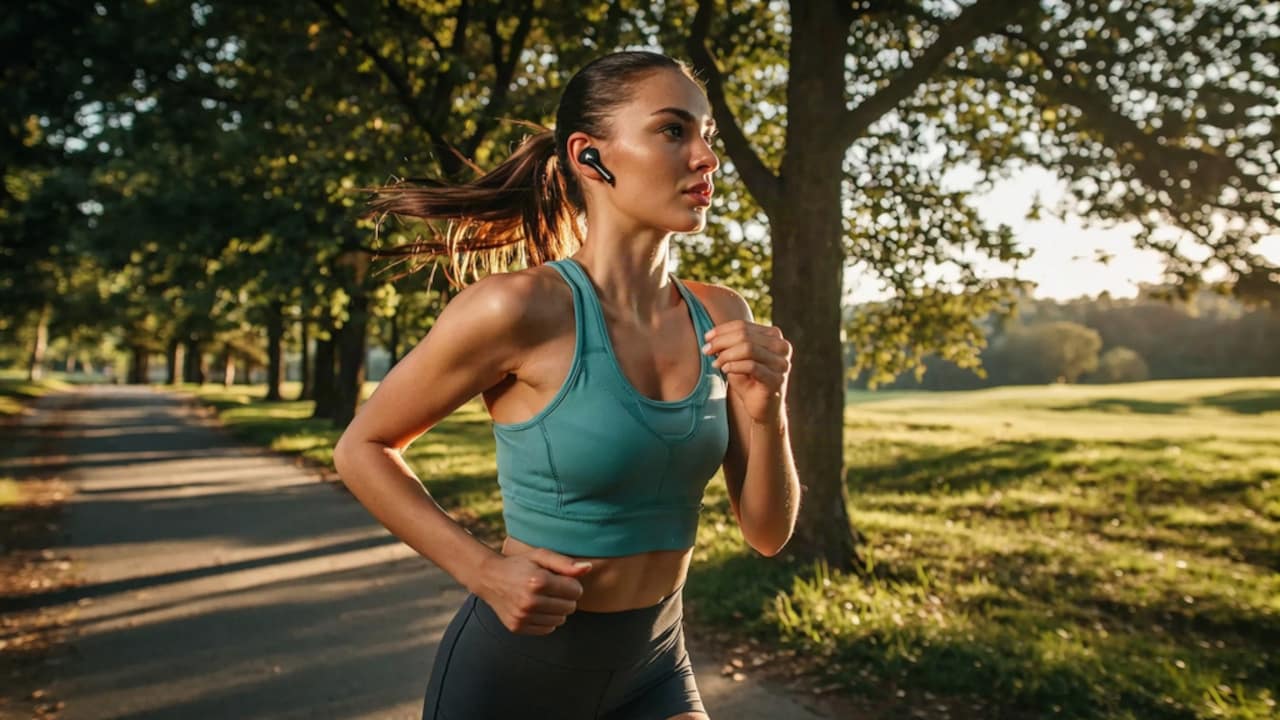
Wireless earbuds have quickly become one of the most essential everyday tech accessories, whether you're commuting, working out, travelling or just relaxing to music. But choosing the right pair isn't always obvious. With hundreds of options to choose from and the range of specifications, price ranges and design differences can be overwhelming. The truth is, there is no “best” earbud. They are very much dependent on your ear shape, comfort preferences, listening habits and budget. Understanding the fit and features before making a purchase is crucial.

Discover practical tips and top product picks to help you choose the best wireless earbuds.
Photo Credit: iStock
In this guide, we'll walk you through how to choose the right wireless earbuds based on ear shape, comfort, sound profile and budget. You'll also find carefully selected product recommendations across different price segments to help you make a confident decision.
How Ear Shape Affects Your Choice Of Wireless Earbuds
Not all ears are built the same, and that's not something earphone brands always make obvious. Some people have narrow ear canals; others have wider ones, and the shape of the outer ear — the concha, as it's called — also varies quite a bit. Understanding your ear type before you buy can save you a lot of hassle returning earbuds that simply don't work for you.
1. Narrow Ear Canals
People with narrow ear canals often find that standard medium tips create too much pressure, which turns uncomfortable fairly quickly. Going down to a small or XS tip size usually helps, but the housing of the earbud itself can also be an issue — bulkier designs may sit awkwardly regardless of tip size. Choose a slim nozzle and lightweight design, as these are generally more comfortable and less likely to push against the canal walls. You might try foam tips as well . They squish down when you put them in and then expand softly to fill the space without pushing anything .
2. Wide Or Irregular Ear Canals
A larger ear canal can make it difficult to get a proper seal, which directly impacts sound quality and how well the earbuds stay put. Standard silicone tips may slide out too easily, especially when moving. In this case, earbuds that offer large or XL tip sizes are a better starting point. Some brands, like Bose, have tips that are uniquely shaped to conform to the canal, rather than simply being sized. Winged earbuds—those with a small fin that hooks into the outer ear—can also add stability without requiring a tighter canal fit.
3. Flat Or Shallow Outer Ear (Concha)
The concha is the rounded bowl-shaped area just outside the ear canal and its depth will affect how well an earbud housing sits against an ear. If you're someone with a flatter or shallower concha, you might find the larger earbud housings to stick out awkwardly or feel unstable. Smaller, low-profile earbuds tend to do better here, because they rely less on the outer ear for support. This type of ear is often well suited to truly wireless earbuds with a short stem, such as the AirPods Pro, because the stem pushes the weight down rather than out.
What To Look For Beyond Fit
1. Sound Quality
Once fit is sorted, sound quality is the next big thing. Look for earbuds with a good frequency range — somewhere around 20Hz to 20kHz is standard. If you listen to bass-heavy music, check whether the brand mentions boosted low frequencies in the specs. Balanced sound tends to be better for podcasts, calls, or varied listening.
2. Battery Life
Most earbuds will get you five to eight hours on a single charge, and the case will give you two to three more full charges on top of that. If you travel a lot or are frequently forgetting to charge, look for earbuds with a longer overall battery life, not just a longer battery life per session.
3. Active Noise Cancellation
Active noise cancellation (ANC) can really change the feel of an earbud in a loud environment. Great for public transport or busy offices. That said, it does tend to drain the battery faster so think about whether you really need it before paying extra for it.
4. Water Resistance
If you'll be wearing your earbuds in the gym or in unpredictable weather, look for an IPX rating. IPX4 means splash resistant. IPX7 means they can withstand submersion up to a metre for about thirty minutes. IPX4 should be sufficient for use in the gym.

Learn how to select wireless earbuds that match your budget and fit your ears comfortably.
Photo Credit: iStock
How To Choose Wireless Earbuds Based On Budget
1. Budget-Friendly (Under ₹800)
You don't have to spend a fortune on excellent wireless earbuds. At this price point, you can expect solid options with excellent battery life and reasonable sound quality but ANC is usually missing.
2. Mid-Range (₹2,500–₹10,000)
That's where the quality really begins to shine. More common ANC, better fit options and brands like Sony, Jabra and Samsung are making truly impressive earbuds without the premium price tag.
3. Premium (₹10,000 And Above)
At this level you're paying for the best ANC, exceptional audio quality, premium materials and often more customisation with ear tips. Apple AirPods Pro and Sony WF-1000XM5 are comfortable in this bracket.
Small Details That Make A Big Difference
Trying earbuds before buying is always worth doing if you can — many electronics retailers allow this in-store. When purchasing online, seek brands that provide various tip sizes in the package and have a transparent return policy in case the fit is unsatisfactory.
Also check the control setup. Some like physical buttons. Some like touch controls. Neither option is superior, but it's important to understand your preferences before making a decision.
Finally, think about how you'll mainly use them. Gym, commuting, working from home, and travel all have slightly different requirements. A pair that does everything adequately often makes more sense than one that excels in one area but falls short in another.
Some Wireless Earbud Options You May Like
1. Noise Buds N1 Pro Truly Wireless Earbuds
2. Amazon Basics True Wireless In-Ear Earbuds
3. Fire-Boltt Newly Launched Aero Drift TWS Earbuds
4. pTron Bassbuds Astra in-Ear TWS Earbuds
5. Kratos Blue Ear Buds Wireless
6. Amazon Basics TWS Wireless In-Ear Earbuds
7. truke TruClips Wireless Open Ear Buds
8. Noise Newly Launched Buds VS601 in-Ear Truly Wireless Earbuds
Frequently Asked Questions (FAQs)
1. How do I know which earbud size fits my ears?
Most earbuds come with small, medium and large tip sizes. Check the medium to see if the seal feels secure without being uncomfortable. The better the seal, the better the sound quality and stability.
2. Are wireless earbuds suitable for people with small ears?
Yes, though it may require some trial and error. Seek out a compact housing design or earbuds with XS tip sizes. You're more likely to get a wide range of sizes from brands like Apple, Jabra or Bose.
3. Can I use wireless earbuds for phone calls?
Most wireless earbuds today come with microphones that are good enough for phone calls. For call quality, look for earbuds with multi-microphone setups and wind-noise reduction.
4. Do I need noise cancellation in earbuds?
Not at all. If you're in noisy environments like trains or open-plan offices, ANC is excellent – but if you mostly listen at home or in quiet spaces, it may not be worth the extra cost.
5. How long do wireless earbuds typically last before needing replacement?
A quality pair of wireless earbuds will last between two and four years with regular use. The battery capacity will degrade over time, but the earbuds will still function. Buying from reputable brands generally means better longevity and after-sales support.
(Disclaimer: This article may include references to or features of products and services made available through affiliate marketing campaigns. NDTV Convergence Limited (“NDTV”) strives to maintain editorial independence while participating in such campaigns. NDTV does not assume responsibility for the performance or claims of any featured products or services.)