How To Choose The Right Power Bank For Your Devices
Learn how to choose the right power bank for your devices by understanding capacity, charging speed, ports, safety features, portability, and compatibility.
How To Choose The Right Power Bank For Your Devices
Running out of battery has turned into one of the most common, modern annoyances. A dead phone can instantly disrupt your plans, whether you're travelling, attending meetings, commuting, or spending extended periods away from a power outlet. With so many power banks on the market right now, picking the right one kind of feels like a lot. Different capacities, charging speeds, port types, and safety protections often leave you wondering what's actually worth buying and what's just marketing noise.
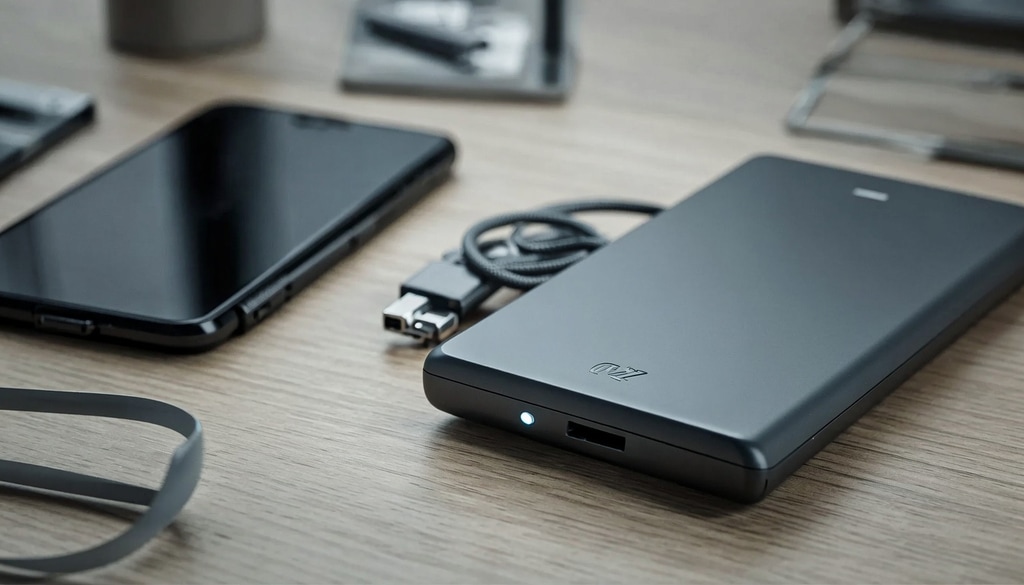
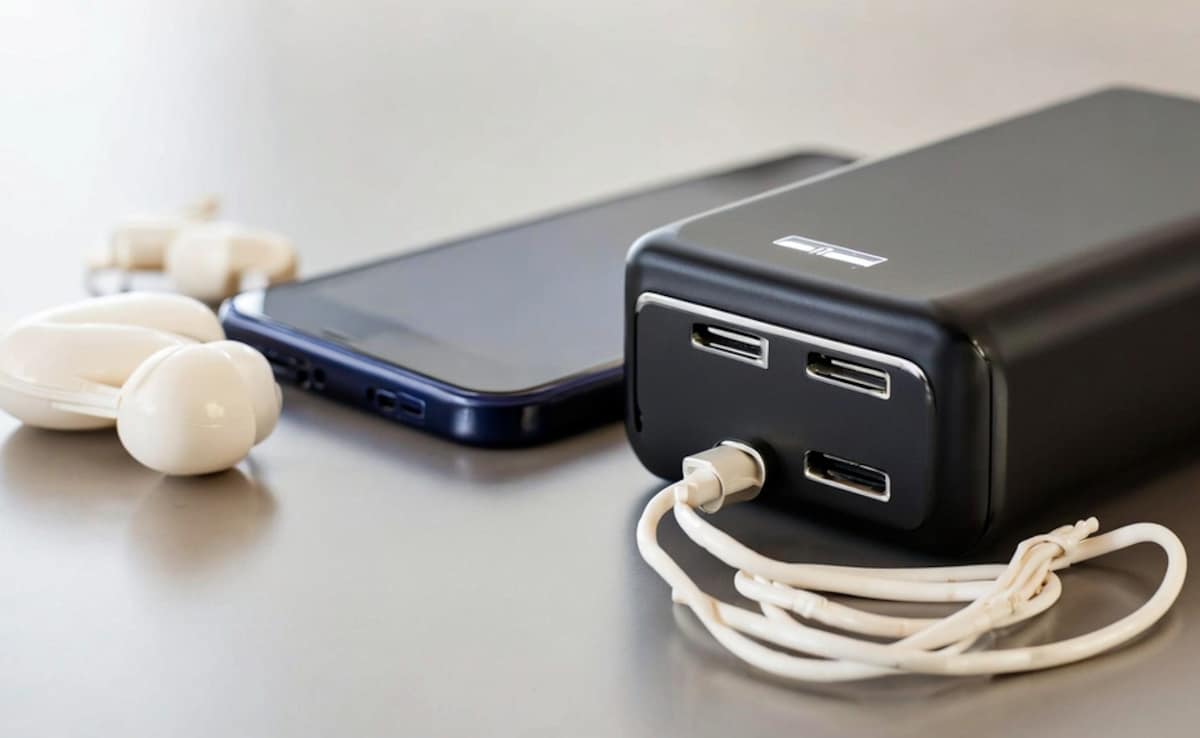
Learn how to select the perfect portable charger by understanding ports, capacity, and safety features.
Photo Credit: iStock
This guide goes over how to pick the proper power bank for your devices. It will help you sort through the key features that really matter, so you can land on a sensible choice.
Also Read: Best 20000 mAh Power Banks Under ₹1500 With Fast Charging
Why Choosing The Right Power Bank Matters
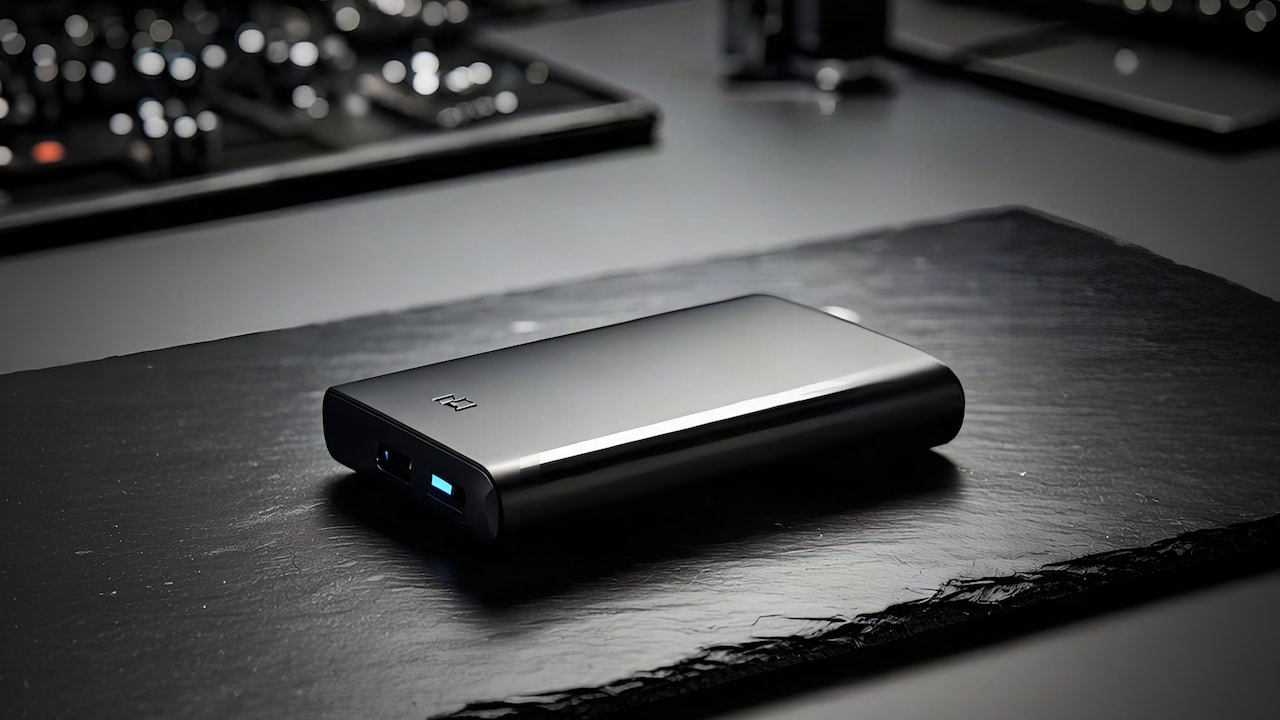
A power bank is more than just a backup battery. The proper model can keep your devices powered across the day while still doing efficient and safe charging without the whole "Why is it getting warm?" moment. Picking a power bank that actually fits your habits can save money, make things easier, and also stop you from lugging around extra weight you don't need.
Understand Your Charging Requirements
1. Identify The Devices You Need To Charge
First, make a short list of the gadgets you expect to charge. Smartphones, tablets, wireless earbuds, smartwatches, and laptops all sip energy in different ways. Once you know what you're carrying, you can figure out the capacity and charging speed that makes sense.
2. Estimate How Often You Need Backup Power
Consider your usual day. If you only need a rapid charge during commutes, then a smaller power bank could pretty much handle it. But if you're constantly in motion, then a higher-capacity option might be the smarter direction to go, because it can stretch farther and cover more than one full recharge.
Evaluate Battery Capacity And Charging Performance
1. Understand Power Bank Capacity (mAh)
Power bank capacity is measured in milliampere-hours, also written as "mAh". So, a 10,000 mAh power bank is usually good for most smartphone users, while 20,000 mAh or even larger units are often more fitting for several devices at once and for longer journeys. In general, the higher the capacity, the more recharging cycles you can expect, but it also tends to come with extra bulk and weight.
2. Check Fast Charging Support
Many modern devices now support quick feed features like USB Power Delivery (PD) and Quick Charge (QC). Choosing a power bank with these features can significantly reduce charging time and enhance daily convenience by minimising hassle.
3. Compare Input And Output Ratings
Output ratings determine how quickly the power bank can charge your devices, while input ratings affect how fast the power bank itself recharges. A model with higher input and output capabilities can save valuable time.
Consider Design, Ports, And Compatibility
1. Check The Number And Type Of Ports
Look for power banks that give you the ports you really need. USB-C ports are getting more common now and they can charge faster too. If you often carry more than one device, pick a power bank with multiple output ports, like two or even more, so you don't have to keep swapping cables around.
2. Consider Size, Weight, And Portability
A compact power bank is easier to carry every day, while the larger models are better suited for travel. When you balance storage and portability, it stays practical for your lifestyle.
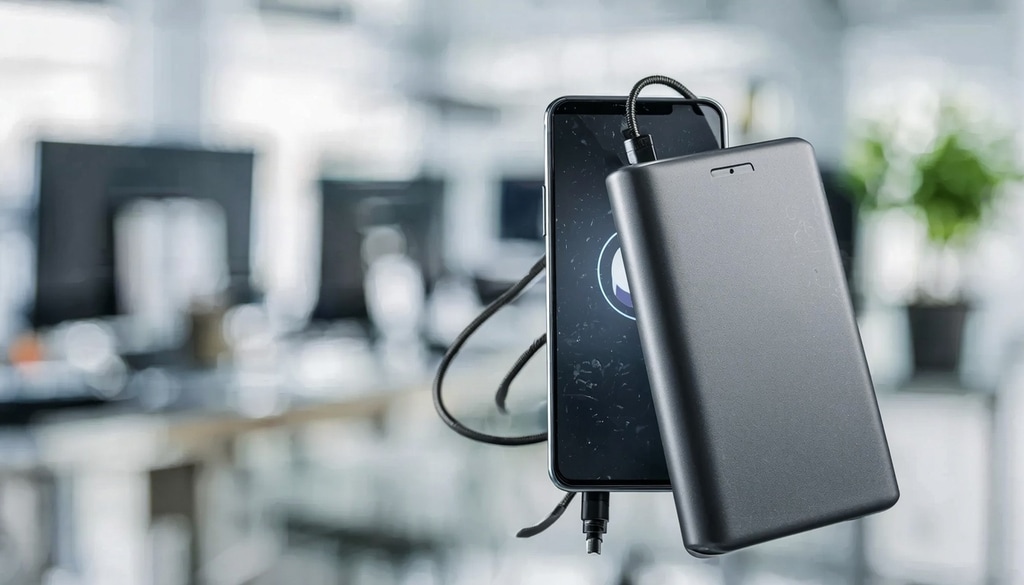
Essential tips for picking a power bank using charging speed, portability, and total device compatibility.
Photo Credit: iStock
Look For Safety Features And Build Quality
1. Prioritise Certified Safety Features
Safety should always be the top priority. Try choosing power banks that protect against overheating, overcharging, short circuits, and also too much current flow. If you go with reputable brands, they often offer better safety standards and more steady long-term reliability.
2. Check Brand Reputation And Warranty
A power bank is like a long-term accessory so it's worth picking one that comes from a trusted brand. Established manufacturers often bring steadier quality checks, dependable customer support, and the usual certified safety standards. It also makes sense to look at the warranty period, because a longer coverage window can give you that extra calm and protection against production defects.
Common Mistakes To Avoid When Buying A Power Bank
One common mistake is choosing a power bank solely based on capacity. A big battery may not be the best choice if it lacks fast charging or is incompatible with your devices. Another little mistake is grabbing it from unknown brands with no proper safety certifications, even if the price looks tempting.
How To Maintain A Power Bank For Longer Life
Proper care can help stretch out the lifespan of your power bank if you do it in a sensible way. Try not to subject it to extreme warmth or moisture, and don't leave it fully discharged for long stretches either. With steady charging routines, along with effective storage practices, you can keep the battery health in decent shape over time.
Top Power Bank Options To Consider
1. Xiaomi Power Bank 4i 10000mAh 22.5W Fast Charging PD
2. Noise 20000mAh 45W Ultra Fast Charging
3. DailyObjects Loop Qi2 Certified 20000 Mah Mag-Safe Power Bank
4. Mozen by Amkette Surge Air S1 10000mAh Power Bank
5. ZEBRONICS 20000 mAh Metal Power Bank
6. Spigen Power Bank 20000mAh Fast Charging
7. Ambrane 4-in-1 Powerbank, Magsafe Wireless & Laptop Charging
8. UGREEN PB205 145W Power Bank 25000mAh Portable Charger
Frequently Asked Questions (FAQs)
1. What capacity power bank is best for everyday use?
A 10,000mAh power bank is usually pretty sufficient for day-to-day smartphone users and it gives a nice trade-off between how portable it is and the amount of charge it can deliver.
2. Is a 20,000mAh power bank better than a 10,000mAh model?
A 20,000mAh model can refill your gadgets quite a few more times, and it's pretty handy for travel, even if it tends to feel bulkier and heavier than the 10,000mAh option.
3. What is fast charging in a power bank?
Fast charging uses a few technologies, like USB Power Delivery (PD) and Quick Charge (QC), to push higher power output and in practice make the charging time feel much shorter for compatible devices.
4. Can a power bank charge multiple devices at once?
Yes, most modern power banks have more than one output port, so it sort of lets you charge two or more devices effortlessly. It basically works with multiple gadgets, all at once, with no real trouble.
5. Are power banks safe for daily use?
Yes, power banks are safe for daily use, but only if they come from reputable brands and include safety features such as overcharge protection, short circuit protection, and temperature control.
(Disclaimer: This article may include references to or features of products and services made available through affiliate marketing campaigns. NDTV Convergence Limited (“NDTV”) strives to maintain editorial independence while participating in such campaigns. NDTV does not assume responsibility for the performance or claims of any featured products or services.)