How To Find Replacement Ear Tips For Earbuds No Longer In The Box
Lost your spare ear tips and the originals are worn out? Here is how to find the right replacement size, what to look for in third-party tips, and which ones are worth buying.
How To Find Replacement Ear Tips For Earbuds No Longer In The Box
Ear tips are one of those things you don't think about until they're gone. One falls into a drain, one gets lost in a daily handbag, and one tears at the edge after a year of daily use. Then you're either wearing earbuds that won't seal properly or not wearing them at all while you figure out where to find a replacement that actually fits. The good news is that most standard earbuds use tips in sizes that are widely available as third-party replacements. The tricky part is knowing your nozzle size, what material you actually want, and whether a universal tip will work on your specific earbuds or whether you need something more model-specific. Below is everything you need to sort that out and some products worth looking at.

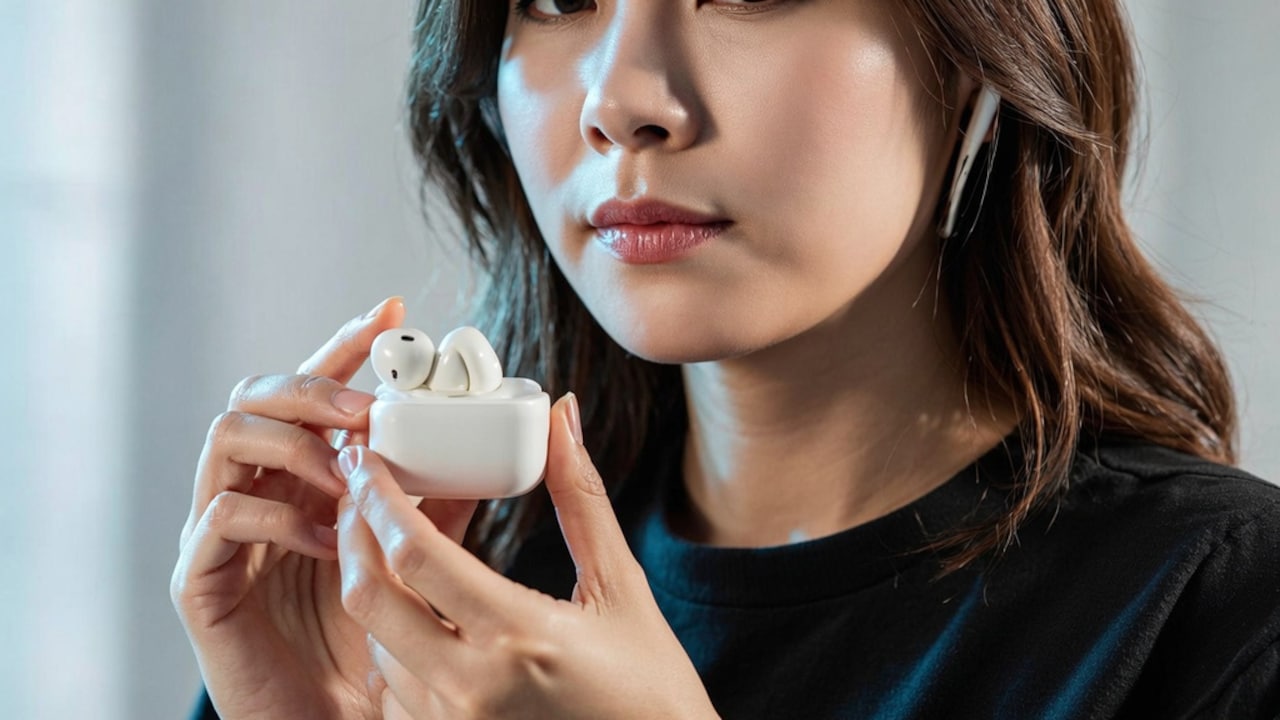
How to find the perfect replacement ear tips when your originals are completely worn out; Photo Credit: iStock
Why Ear Tips Matter More Than Most People Realise
A worn-out or wrong-sized ear tip doesn't just feel uncomfortable. It changes how the earbuds sound. The seal created between the tip and your ear canal is what produces bass response and blocks outside noise. Break that seal and the audio gets thin, tinny, and directionless. The same earbuds produce noticeably worse sound quality simply because the tip does not fit properly.
Fit also affects how securely the earbud stays in during movement. A tip that is even slightly too small can cause the bud to become loose during a commute or a run. One that's too large creates pressure that becomes uncomfortable over an hour. Getting the replacement size right matters for both reasons.
Also Read: 7 Best Earbuds Under ₹1,500 For Small Ears: Comfortable, Secure And Budget-Friendly Picks
What goes wrong when people buy replacement ear tips
Buying by size description without measuring the nozzle is the main problem. Small, medium and large vary between brands. A medium from one manufacturer is not the same as a medium from another. What you actually need is the nozzle diameter in millimetres, which is the stem onto which the tip slides. That number is what determines fit, not the size label.
Picking the wrong material is another common mistake. Silicone tips are easy to clean and widely available, but they create a harder seal that some ear canals find uncomfortable over long sessions. Memory foam tips conform to the shape of the canal and tend to be more comfortable for extended wear, but they compress and take a second to expand, which means putting them in is a slightly different process.
The third error is assuming that any third-party tip will fit any earbud. Most standard nozzle earbuds are compatible with universal tips, but some models, particularly TWS earbuds with proprietary stems or stabiliser fins, need tips made for that specific shape. Check before you order.
How to find the right replacement ear tips for your earbuds
Here is how to go from worn-out originals to a replacement that actually works.
Step 1: Check your earbud model name
Look at the earbud itself or the original box for the model number. Search for that model name plus 'replacement ear tips,' and you'll usually find listings made specifically for it. Brand-specific tips cost a little more but fit reliably without guessing.
Step 2: Measure the nozzle's diameter.
Pull off the existing tip and look at the stem it was attached to. If you have digital callipers, measure the outer diameter of the nozzle. Common sizes are 4mm, 4.5mm, 5mm and 5.5mm. This number is more useful than any size label on a replacement pack.
Step 3: Check the original tip size printed on the tip itself
Many manufacturers print S, M or L on the inside of the tip. If yours is still readable, use that as your starting size reference. Then check whether the replacement pack you're considering uses the same scale, since sizes aren't standardised across brands.
Step 4: Decide between silicone and memory foam
Silicone is easier to find, easier to clean, and works well for most people. Memory foam gives a better passive seal and is more comfortable for long sessions but takes a couple of seconds to expand after insertion. Try silicone first unless you already know foam works better for you.
Step 5: Buy a multi-size pack
If you're not certain of your size, buy a pack that includes small, medium and large rather than a single size. Most replacement tip packs come in sets of three pairs per size anyway. This lets you test fit across sizes without ordering multiple times.
Step 6: Check the bore size, not just the nozzle size
The bore is the hole in the centre of the tip that lets sound through. A tip with a bore that's too narrow dampens high frequencies. Matching the bore size to your original tip is worth doing if you care about sound quality rather than just fit.
Step 7: Test fit before committing to a full pack
When the replacements arrive, test the fit before opening all the packs. The tip should slide on snugly without forcing and should stay attached when you give it a gentle pull. If it's coming off with light resistance, it's the wrong nozzle size.
Step 8: Replace both sides at the same time
Even if only one tip is damaged, replace both. Tips wear at the same rate even when you can't see the wear, and a mismatched pair creates slightly different seals in each ear, which affects the stereo balance. Fresh tips on both sides is always the right call.
When third-party tips work and when they don't
Third-party tips work well on most wired earphones and on TWS earbuds with standard round nozzles. The nozzle diameter is consistent enough across these that a universal silicone tip in the right size fits cleanly and performs close to the original.
Where third-party tips get complicated is with earbuds that have proprietary stem shapes, stabiliser wings that are part of the tip, or oval rather than round nozzles. Samsung Galaxy Buds and Apple AirPods Pro use shapes that third-party brands now make specific versions for, but you need to search for those model-specific versions rather than universal tips. Generic round tips won't seat correctly on an oval nozzle no matter what size you buy.

A practical guide to upgrading your worn earbuds with the highest quality replacement tips; Photo Credit: iStock
Some replacement ear tip options you may like
1. Headphone Cushion Replacement High-Density Ear Pads for Headphones
2. ANYWAVE Replacement Silicone Ear Tips for Earphones and Headphones
3. Sounce Premium Replacement Ear Pads
4. The GIG Store Replacement Silicone Ear Tips for Earphones
5. REDWIND Replacement Silicone Ear Tips
6. ANYWAVE Replacement Ear Tips for Bluetooth Earphones and Headphones
7. SOULWIT Silicone Replacement Ear Tips
8. KACA Silicone Replacement Ear Tips
Music, calls, or gaming- earbuds should feel like they belong. These budget-friendly picks prove you don't need to compromise comfort for sound quality. From OnePlus's bass-heavy experience to realme's AI-powered clarity, every pair offers something special for smaller ears that deserve better sound and a better fit. Shop now on Amazon.
Frequently Asked Questions (FAQs)
1. How do I know what size replacement ear tips to buy?
Measure the nozzle diameter on your earbud in millimetres. If you can read the size printed on the inside of your current tip, use that as a starting reference. When unsure, buy a multi-size pack rather than guessing on a single size.
2. Are third-party ear tips as good as the originals?
For most standard earphones and TWS earbuds with round nozzles, yes. Silicone tips from reputable brands seal well and last a reasonable amount of time. The main difference shows up on earbuds with proprietary shapes, where generic tips often don't seat correctly.
3. Do replacement tips change how earbuds sound?
They can. A tip that doesn't seal properly reduces bass and passive noise isolation. A tip with a narrower bore than the original can dull high frequencies. Matching the bore diameter and getting the right seal size matters more than the brand name on the pack.
4. How often should ear tips be replaced?
Silicone tips last roughly six to twelve months with daily use before they start to harden or lose flexibility. If yours are discoloured, cracked at the edge, or no longer create a consistent seal, they're due for a change. Most people leave it longer than they should.
5. Can I use the same replacement tips on different earbuds?
Only if the nozzle diameters match. Tips fit the nozzle, not the earbud brand. If two pairs of earbuds use the same nozzle diameter, the same tips will work on both. If the diameters differ, they won't seat correctly even if they look similar.
(Disclaimer: This article may include references to or features of products and services made available through affiliate marketing campaigns. NDTV Convergence Limited (“NDTV”) strives to maintain editorial independence while participating in such campaigns. NDTV does not assume responsibility for the performance or claims of any featured products or services.)