Wearing A Smartwatch In The Shower? Water Resistance, Dos And Don'ts Explained
Can you wear a smartwatch in the shower? Water resistance isn’t waterproof. Learn what ratings mean, what to avoid, and how to keep your watch safe from steam, soap and damage.
Shower Time or Damage Time? 10 Things Your Smartwatch Needs You to Know.
The shower has become a strange “life admin” zone. People check messages, play music, track time, and even take calls while shampooing. So it's only natural that a smartwatch ends up on the wrist, still counting steps while you're… doing absolutely none.
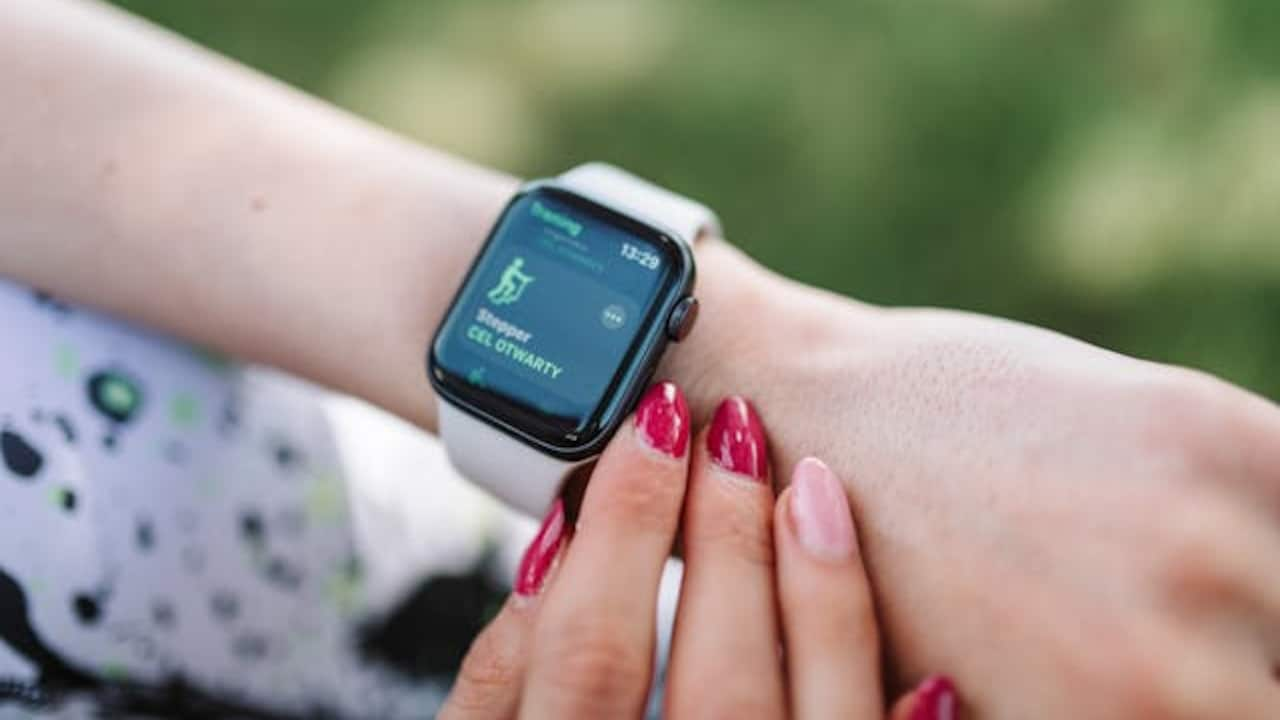
Important tips to know before using your favourite smartwatch in the shower; Photo Credit: Pexels
But here's the awkward truth: most smartwatches don't die dramatically. They die slowly. A little moisture sneaks in. A seal weakens. Steam does its sneaky thing. One day, the screen flickers, the speaker sounds like it has a cold, and suddenly, you're staring at a repair quote that feels like a personal insult.
Water resistance ratings are confusing, brands love vague wording, and “it survived once” is not a real safety certificate. So let's clear the fog, literally and figuratively, and figure out what you can safely do, what you really shouldn't, and how to avoid turning your smartwatch into an expensive wrist decoration.
Also Read: 5 Best AI Smartwatches, From Fastrack, Noise, Sekyo to boAt, That Offer Real Intelligence
Before You Step In: 10 Shower-Smart Rules for Your Smartwatch
1) Water Resistant vs Waterproof: The Difference That Saves Wallets
The first trap is the word “waterproof”. It sounds confident, heroic, and final. Like your watch could survive a monsoon, a swimming pool, and your cousin's overly enthusiastic Holi celebrations without blinking. But most smartwatches are not truly waterproof. They are water resistant, which is basically the tech world's way of saying: “It can handle some water, but don't get too excited.”
Water resistance means the watch has been tested under specific conditions, usually fresh water, controlled pressure, and a brand-new unit with perfect seals. Your shower is none of those things. It involves heat, steam, soap, and movement. All of which makes water more likely to slip into tiny gaps.
Also, water resistance isn't permanent. Over time, seals wear down. Tiny knocks, drops, and even regular strap changes can loosen things. So if a watch was safe in the first year, it might become riskier later.
If the smartwatch costs ₹20,000 or more, the stakes feel even higher. The best mindset is simple: water resistance is a safety net, not an invitation.
2) Understanding Ratings: IP67, IP68, 5ATM and the Marketing Confusion
Smartwatch water protection usually comes in two main formats: IP ratings and ATM ratings. Both sound technical, both are easy to misunderstand, and both are regularly used in ads like they're magical shields.
IP ratings look like IP67 or IP68. The first number is dust resistance. The second is water resistance. For example, IP68 generally means the watch can survive being submerged in water for a certain depth and time, but the exact details depend on the manufacturer. Some say 1.5 metres for 30 minutes. Some don't specify at all.
ATM ratings are more common in watches and some fitness trackers: 3ATM, 5ATM, 10ATM. Here's the catch: ATM doesn't mean you can go to an ATM machine in the rain. It's “atmospheres” of pressure. A 5ATM watch is tested to withstand pressure equivalent to 50 metres under lab conditions. Not the same as actually swimming 50 metres deep.
Showering adds another complication: water pressure and heat. The stream from a shower can hit the watch with force. Hot water expands seals. Steam pushes moisture into tiny openings. So even a watch rated 5ATM can still be at risk if the brand warns against hot showers.
Always read what the brand specifically says. That's the real rating.
3) Why Showers Are Sneakier Than Swimming Pools
If this topic feels confusing, it's because showers are oddly more dangerous than they look. A swimming pool seems like the bigger threat, but it's often simpler: cool water, steady conditions, and less soap.
Showers are chaotic. Hot water creates steam, and steam is basically moisture in ninja mode. It can slip into spaces that liquid water might not. Your smartwatch has openings for the speaker, microphone, barometer, and sometimes pressure vents. Even when those are protected, they're still potential weak points.
Then comes soap. Soap reduces water's surface tension, which means water spreads more easily and can seep into tiny gaps. Shampoos and body washes also leave residues that can degrade seals over time.
And the temperature swings don't help. If your watch goes from cool air to a hot shower to cool air again, materials expand and contract. Do that daily for months, and you're essentially stress-testing the seals.
So yes, your smartwatch might survive a quick dip in a pool, but slowly lose the battle to daily showers. It's like the difference between one big exam and constant surprise quizzes.
4) The Biggest Risk Zones: Speakers, Mic, Charging Pins and Buttons
A smartwatch isn't one smooth block of metal and glass. It's a tiny gadget with weak spots, some obvious, some not.
Speakers and microphones are the biggest culprits. Many watches have waterproof membranes, but they can still trap moisture. That's why some models have a “water eject” feature that plays sound vibrations to push water out. If your watch has that, it's a hint that water does get inside the speaker area, even if it doesn't reach the core electronics.
Charging pins are another sensitive area. If your watch uses exposed charging contacts (common in budget and mid-range models), water plus soap residue can cause corrosion. It may not happen instantly, but after weeks you'll notice charging issues.
Buttons and rotating crowns can also let moisture in. Pressing buttons underwater or under running water can push water into gaps. Some brands specifically warn against it.
Then there's the strap connection area. Water can sit there, especially with silicone straps. That trapped moisture can cause skin irritation and a lovely little rash you didn't ask for.
Your watch is tougher than it looks, but it's not invincible. It's more like a well-dressed person in rain, fine for a bit, miserable if soaked daily.
5) Dos: When It's Actually Okay to Wear a Smartwatch in the Shower
Let's not pretend everyone will remove their smartwatch every single time. Real life is messy. People forget. People rush. People are late. People are trying to squeeze in a workout before the office, and the watch is already on.
So when is it actually okay?
If your watch has a strong rating (like 5ATM or IP68), and the manufacturer explicitly says it supports shower use, you're in a safer zone. Some fitness watches are designed for swim tracking and regular water exposure. They're built with better sealing and fewer vulnerable openings.
Also, if you're taking a quick, lukewarm shower with minimal soap contact, the risk drops. The watch is less likely to face extreme steam and harsh chemicals.
It also helps if the watch is relatively new and hasn't been repaired. Repairs often compromise water resistance unless done by authorised service centres with proper sealing tests.
Another smart move: rinse the watch with clean water afterwards to remove soap residue, then dry it properly.
Wearing it occasionally is usually fine. Wearing it daily, in hot water, while scrubbing vigorously with body wash? That's where the watch starts quietly plotting its retirement.
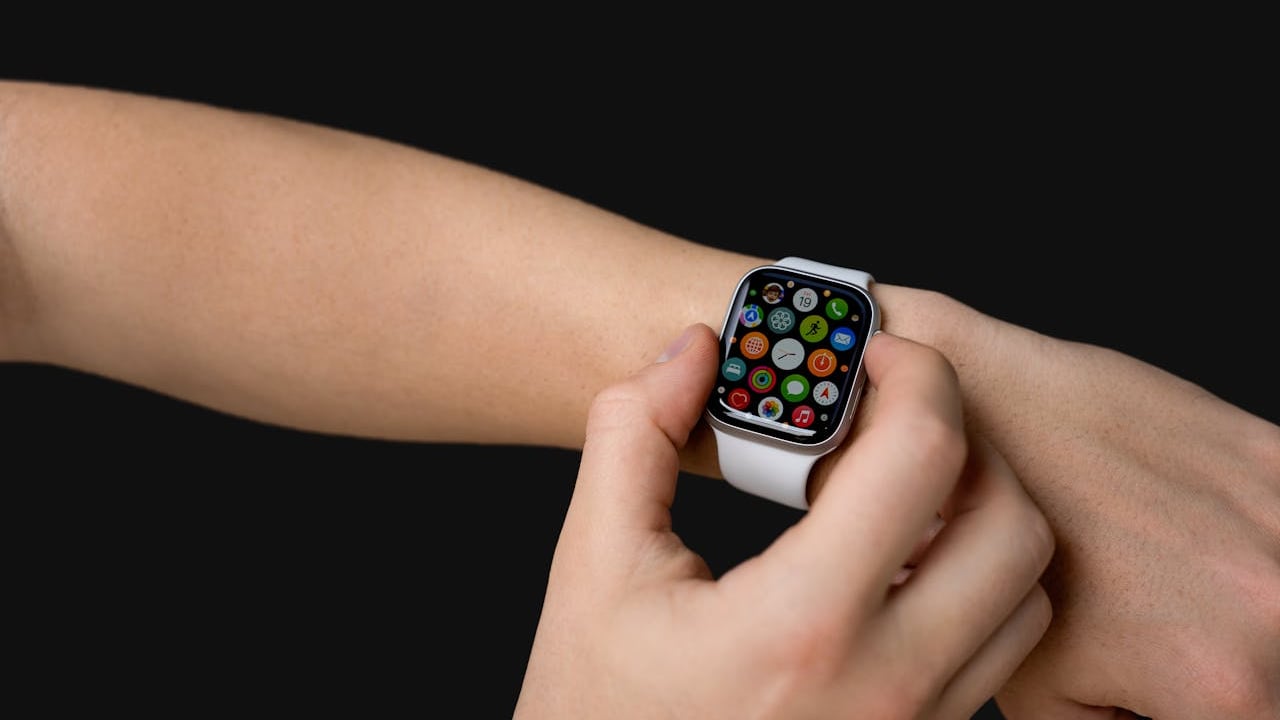
Use your smartwatch in the shower only if it has a strong rating or if the manufacturer explicitly supports it; Photo Credit: Pexels
6) Don'ts: What Almost Guarantees Long-Term Damage
If you want your smartwatch to last, certain shower habits need to go. These are the watch-killers that don't look dramatic but cause slow damage.
First, avoid hot showers and steam-heavy bathrooms. If the mirror fogs up like a Bollywood dream sequence, your watch is not enjoying it. Steam increases the risk of moisture creeping into seals.
Second, don't let soap, shampoo, conditioner, or body scrub coat the watch. Those chemicals aren't just slippery; they can weaken gaskets and leave residues that attract grime. Conditioners are especially sneaky because they leave an oily film.
Third, don't press buttons or rotate the crown under running water. That's like opening a tiny door and inviting water inside. Even if the watch survives, repeated exposure can reduce water resistance.
Fourth, don't charge the watch immediately after a shower. Even a small amount of moisture on charging contacts can cause corrosion or short circuits.
Finally, don't assume “it worked last time” means “it's safe forever”. Water resistance declines. Your watch doesn't send a warning message when its seals start failing. It just… stops working one day.
And that day often arrives right after the warranty ends. Funny how that happens.
7) Soap, Shampoo and Hard Water: The Real Enemies Nobody Talks About
Most people fear water, but the bigger enemy is what's in the water.
Soaps and shampoos contain surfactants designed to break down oils. Great for skin and hair, not so great for watch seals. Over time, these chemicals can dry out rubber gaskets and reduce their elasticity. Once seals lose flexibility, they don't form a perfect barrier anymore.
Then there's hard water, which is common in many cities. Hard water contains minerals like calcium and magnesium that leave white deposits. These deposits can build up around buttons, speaker grilles, and charging contacts. It's not just ugly; it can block sound, affect sensors, and make the watch feel “gritty” when you turn the crown.
If you've ever seen a bathroom tap with crusty white marks, you already know what hard water does. Now imagine that happening on a tiny device with delicate openings.
Even if your smartwatch survives the shower, hard water deposits can reduce speaker clarity, make vibration feel weaker, and cause skin irritation if residue stays under the strap.
A quick rinse with clean water and a gentle wipe afterwards can prevent most of this. It's boring, but it works. Like eating vegetables.
8) Skin Comfort and Hygiene: Wet Straps Can Cause Irritation
This one doesn't get enough attention because it's not as exciting as “will my smartwatch die?” But it matters.
Wearing a smartwatch in the shower means the strap and underside stay wet longer. Water gets trapped between your skin and the watch back. Add soap residue, sweat, and warmth, and you've created a perfect environment for irritation.
Silicone straps are common and usually comfortable, but they can trap moisture. If the strap stays damp, some people develop rashes, itching, or small bumps. It's not a sign that the watch is “bad”. It's just basic biology.
Metal straps dry faster, but can feel cold and uncomfortable after a shower. Leather straps are the worst choice for showers because water ruins them quickly, and they start smelling strange. Not immediately, but slowly. Like a gym bag you keep ignoring.
The fix is simple: dry the watch and strap properly. Remove the watch after the shower, wipe it with a soft cloth, and let it air out for a few minutes before wearing it again.
Your wrist will thank you. And you won't have to explain an angry red patch to anyone.
9) Smartwatch Features in the Shower: Music, Calls and Sensors
The idea of using smartwatch features in the shower sounds fun. Music on the wrist. Quick calls. Timers. Maybe even controlling smart home devices like a futuristic hero.
But reality is mixed.
Most watches struggle with touchscreens when wet. Water creates random touches. Soap makes it worse. So you'll end up fighting the interface while trying to rinse shampoo out of your hair, which is a deeply humbling experience.
Calls can work, but speakers often sound muffled after exposure to water. Some watches clear the speaker with a water eject function, but not all do it well. If the mic gets wet, the person on the other end will hear you like you're calling from inside a bucket.
Sensors also behave oddly. Heart rate tracking can get inconsistent due to water movement and poor skin contact. Temperature changes can confuse readings. Some watches may lock certain features when they detect water.
If you want music, a better option is a waterproof Bluetooth speaker placed safely away from direct water. For timers, your phone outside the shower works fine.
The shower is for cleaning and decompressing. Your smartwatch doesn't need to turn it into a tech conference.
10) The Safe Routine: How to Protect Your Watch Without Overthinking It
You don't need to treat your smartwatch like a newborn baby. But you do need a sensible routine.
If your watch isn't clearly rated for showers, remove it before stepping in. Place it somewhere safe and dry, away from the sink edge where it can get knocked off. A small tray or shelf works well.
If you do wear it, keep showers short and avoid very hot water. Don't aim the shower stream directly at the watch. Don't scrub the watch with soap. Treat it like a guest at a wedding: welcome, but don't make it do hard labour.
After the shower, rinse the watch with clean water if it has soap residue. Dry it with a soft cloth, including the underside and strap edges. If your watch has a water lock or eject feature, use it.
Wait until the watch is fully dry before charging. This one habit alone prevents a lot of long-term issues.
And once in a while, check the watch for signs of trouble: fogging under the screen, muffled sound, charging glitches, or corrosion around pins.
Your smartwatch can handle life. It just needs you to stop treating it like it's a submarine.
Products Related To This Article
1. boAt Wave Fury with 1.83'' HD Display, Bluetooth Calling & Functional Crown Smartwatch
2. Fire-Boltt Ninja Talk 35.3mm (1.39) Round Bluetooth Calling Metal Body
3. Noise Icon Buz 1.69" Display with Bluetooth Calling, Built-In Games, Voice Assistant Smartwatch
4. Fastrack Revoltt XR1-1.38|BT Calling|Fast Charge|100+ Sports Mode|IP68|Calculator|Fashion Smartwatch
5. Fire-Boltt Hunter Nyluxe 51.1mm (2.01) HD Display Buetooth Calling with Single Chipset Smartwatch
Wearing a smartwatch in the shower feels like a small convenience, but it sits right at the intersection of heat, steam, soap, and pressure, four things that quietly test a device's limits. Water resistance ratings help, but they're not a lifetime promise. They're more like a polite suggestion.
If your smartwatch is built for swimming and the brand supports shower use, occasional showers are usually fine. But daily exposure, hot steam, harsh soaps, and button pressing under water can shorten its life in ways that don't show up until it's too late.
The best approach is practical, not paranoid: remove it when possible, keep it away from soap and hot steam, dry it properly, and avoid charging it while damp. Your watch will last longer, your wrist will stay happier, and you won't have to face that painful moment where a ₹25,000 gadget dies because of a five-minute shower.
And honestly, if the shower is the only place you can escape notifications, maybe it's not a bad idea to leave the smartwatch outside anyway.
(Disclaimer: This article may include references to or features of products and services made available through affiliate marketing campaigns. NDTV Convergence Limited (“NDTV”) strives to maintain editorial independence while participating in such campaigns. NDTV does not assume responsibility for the performance or claims of any featured products or services.)