Phone Stands That Improve Posture and Reduce Neck and Back Pain
Constant phone use strains the neck and back. Phone stands help lift screens to eye level, improve posture and reduce daily discomfort. A small change that can make a lasting difference to spinal health.
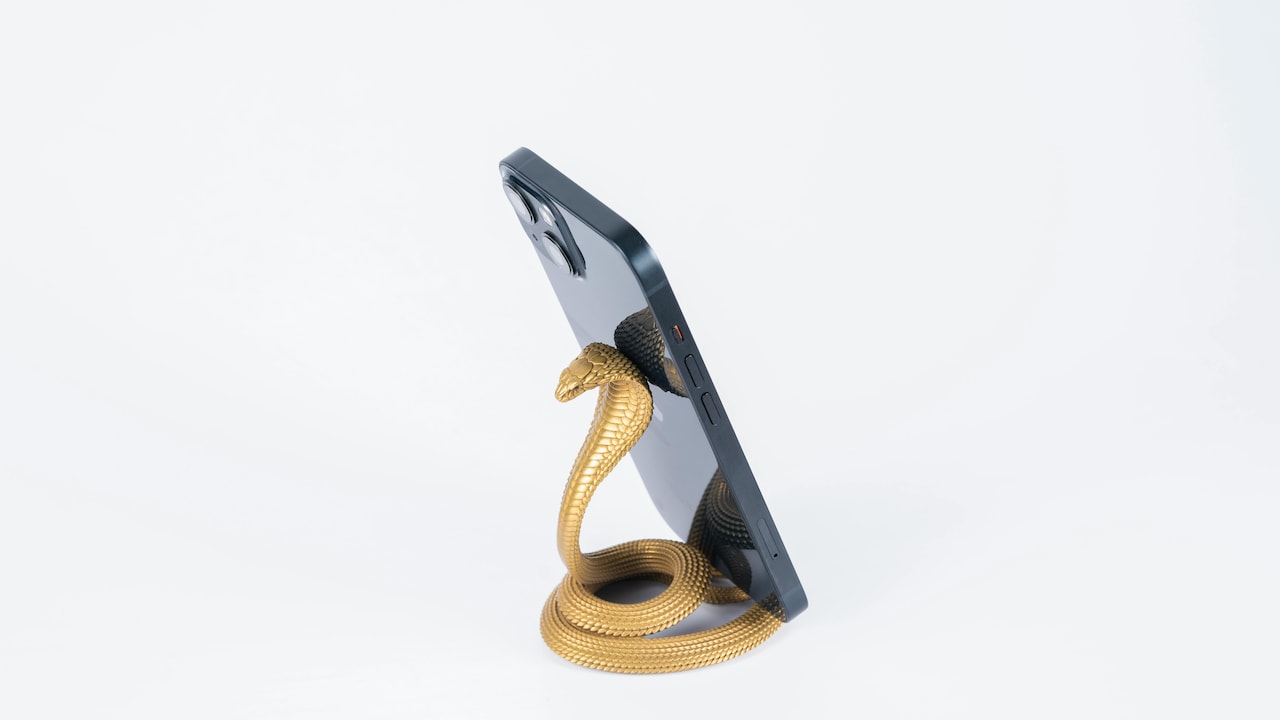
Phone Stands That Improve Posture: Elevate Your Screen, Protect Your Neck and Back.
Look around any café, office or living room and one scene repeats itself: heads bent forward, shoulders rounded, eyes glued to glowing screens. The human neck was never designed to hold that angle for hours. Over time, this habit leads to stiffness, headaches and that familiar ache between the shoulder blades. Many people blame long workdays or ageing bones, yet the real culprit often sits right in the palm.
Phone stands may sound like a small upgrade, almost trivial. In reality, they can quietly transform how the body feels by the end of the day. By lifting the screen to eye level, they encourage a neutral posture that reduces strain on the neck and spine. This article dives into why posture matters, how phone stands help, and which features make them truly useful. Think of it as a gentle nudge to sit taller, breathe easier and scroll smarter.
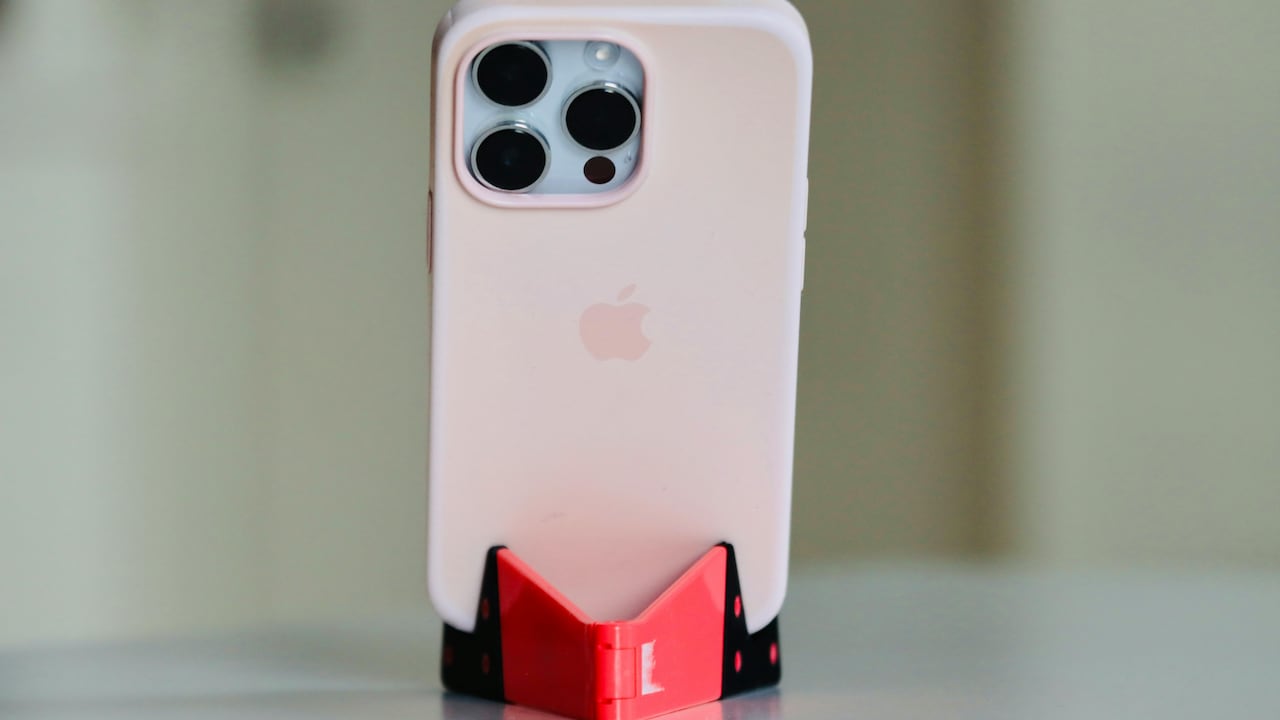
Phone Stands That Improve Posture: Elevate Your Screen, Protect Your Neck and Back
Photo Credit: Pexels
Why Elevating Your Phone Can Transform Neck and Back Health
1. The Silent Strain of Looking Down
That slight forward tilt of the head feels harmless at first. After all, it weighs about as much as a bowling ball and feels easy to balance. The problem begins when that tilt becomes constant. For every inch the head moves forward, the neck muscles work harder to hold it up. Over hours and days, this extra effort builds fatigue and tension.
Many people notice soreness while travelling on packed buses, waiting in queues or lying in bed scrolling through reels. The discomfort rarely appears immediately. It creeps in slowly, often mistaken for general tiredness. A phone stand interrupts this pattern by bringing the screen up instead of dragging the head down. It feels oddly refreshing to look straight ahead rather than craning forward. Over time, this small adjustment reduces pressure on the cervical spine and gives overworked muscles a much-needed break.
2. Posture and Productivity Go Hand in Hand
Poor posture does more than cause aches. It affects focus, breathing and even mood. Slumped shoulders compress the chest, limiting oxygen intake. This can lead to sluggishness and mental fog, especially during long work sessions or online classes.
A phone stand supports better posture by aligning the screen with eye level. This simple change keeps the spine upright and shoulders relaxed. With the chest open, breathing becomes deeper and more natural. Many people find it easier to concentrate when the body feels balanced. Video calls feel less tiring, reading becomes smoother, and typing messages feels more comfortable. Over a full day, these small improvements add up. Better posture often leads to better energy, sharper attention and fewer breaks needed to stretch out stiff muscles.
3. Why the Neck Takes the Biggest Hit
The neck is a delicate structure designed for movement, not constant load. When looking down at a phone, the head's weight shifts forward, placing immense stress on the neck joints. This condition, often nicknamed “text neck,” has become increasingly common across age groups.
Early signs include stiffness, reduced range of motion and dull headaches that start at the base of the skull. Left unchecked, it may contribute to long-term spinal issues. A phone stand reduces this risk by keeping the neck in a neutral position. Instead of bending towards the screen, the screen meets the eyes. This alignment protects the cervical spine and allows neck muscles to relax. Over time, many notice fewer aches and a lighter feeling around the shoulders, especially after long screen sessions.
4. The Back's Quiet Cry for Help
While the neck often steals attention, the upper and lower back suffer just as much. Slouching shifts the spine out of its natural curve, placing uneven pressure on discs and muscles. This can trigger that familiar lower back ache after hours of sitting.
Using a phone stand encourages an upright sitting position. When the screen sits at a comfortable height, the back naturally straightens. This reduces the urge to hunch forward. Over time, better alignment supports spinal health and eases muscle tension. Many people feel less stiffness when standing up after long sessions. The back feels supported rather than compressed. A simple stand, paired with mindful sitting, can quietly become a daily ally against back pain.
5. Small Desk, Big Difference
Not everyone enjoys a spacious workstation. Many desks double up as dining tables or study corners. In such spaces, clutter easily takes over. A phone stand helps organise the chaos while improving posture.
Holding the phone upright frees up desk space and keeps notifications visible without constant picking up. This reduces repetitive neck movements and wrist strain. During work calls or recipe checks, the screen stays steady and easy to view. Even in compact setups, a stand creates a sense of order. It turns the phone into a mini display rather than a distraction lying flat. The result feels cleaner, calmer and far kinder to the body.
6. From Commutes to Couch Time
Phone use is not limited to desks. Long commutes, evening couch sessions and bedside scrolling all contribute to posture issues. Holding a phone for extended periods encourages awkward angles and tense shoulders.
Portable phone stands adapt to these moments. On a train tray, coffee table or bedside surface, they keep the screen elevated. This allows relaxed viewing without craning the neck. Watching videos or reading the news feels more comfortable, and hands stay free. Over time, this reduces fatigue in the arms and shoulders. The body feels supported rather than twisted into odd positions. Even leisure time becomes less taxing when posture gets a quiet upgrade.
7. Choosing the Right Stand for Daily Life
Not all phone stands offer the same benefits. Adjustable height and angle matter most for posture support. A good stand allows the screen to align with eye level, whether sitting or standing. Stability also plays a role, especially during typing or video calls.
Material choices affect durability and aesthetics. Metal stands offer sturdiness, while lightweight options suit travel. Non-slip bases prevent annoying slides during use. Some designs fold flat, making them easy to carry in a bag. The right stand blends into daily routines without fuss. When it feels effortless to use, it becomes a habit rather than an accessory forgotten in a drawer.
8. Cost Versus Comfort
Health upgrades often sound expensive, yet phone stands remain surprisingly affordable. Many reliable options cost less than ₹1,000, making them accessible without straining budgets. Compared to recurring expenses on pain relief balms or chiropractor visits, this feels like a sensible investment.
The comfort gained far outweighs the cost. Reduced neck pain, fewer headaches and better posture improve daily quality of life. Over months, the savings appear not just in money but in energy and well-being. Spending a modest amount on a stand can prevent discomfort that would otherwise demand far more time and expense to fix later.
9. Building Better Habits, One Stand at a Time
A phone stand alone, cannot fix posture if habits remain unchanged. It works best as part of a mindful routine. Taking short breaks, stretching shoulders and adjusting seating height all complement its benefits.
Placing the stand in frequently used spots encourages consistent use. On the work desk, kitchen counter or bedside table, it becomes the default way to view the phone. Over time, the body adapts to this improved alignment. Sitting upright feels natural rather than forced. This gradual shift builds healthier habits without conscious effort. The stand acts as a silent reminder to sit tall and protect the spine.

Phone Stands That Improve Posture: Elevate Your Screen, Protect Your Neck and Back
Photo Credit: Pexels
10. A Subtle Shift with Lasting Impact
The beauty of phone stands lies in their simplicity. They do not demand drastic lifestyle changes or strict routines. Instead, they gently guide posture in the right direction.
This subtle shift makes a lasting impact. Days end with less stiffness, and mornings begin without that familiar neck ache. Work feels more comfortable, leisure more relaxed. Elevating a screen may seem minor, yet its effect on spinal health is profound. Sometimes, the smallest tools create the biggest changes.
Products Related To This Article
1. Ambrane 360° Rotation, Foldable Design Mobile Stand with Stable Metalic Round Base
2. Portronics MODESK Universal Mobile Holder Stand with Metal Body
3. Kratos Selfie Stick Tripod Stand, 3 in 1 Multifunctional Design
4. proffisy Mobile Stand for Table Height Adjustable Aluminium Phone Stand Holder
5. ZEBRONICS MTS200, Foldable Mobile Holder, Upto 9.6 inches
Modern life revolves around screens, and phones are unlikely to disappear anytime soon. Rather than fighting this reality, adapting posture-friendly habits makes more sense. Phone stands offer a practical, affordable and effective way to protect the neck and back from daily strain.
By lifting the screen to eye level, they encourage natural alignment and reduce unnecessary stress on muscles and joints. Over time, this leads to better comfort, improved focus and a healthier spine. In a world of constant scrolling, a simple stand might just be the quiet hero the body has been waiting for.
(Disclaimer: This article may include references to or features of products and services made available through affiliate marketing campaigns. NDTV Convergence Limited (“NDTV”) strives to maintain editorial independence while participating in such campaigns. NDTV does not assume responsibility for the performance or claims of any featured products or services.)