What Is Active Noise Cancellation And Should You Pay Extra For It
Wondering if active noise cancellation is worth the extra cost? Learn how ANC works, who actually needs it, and which headphones or earbuds make sense to buy.
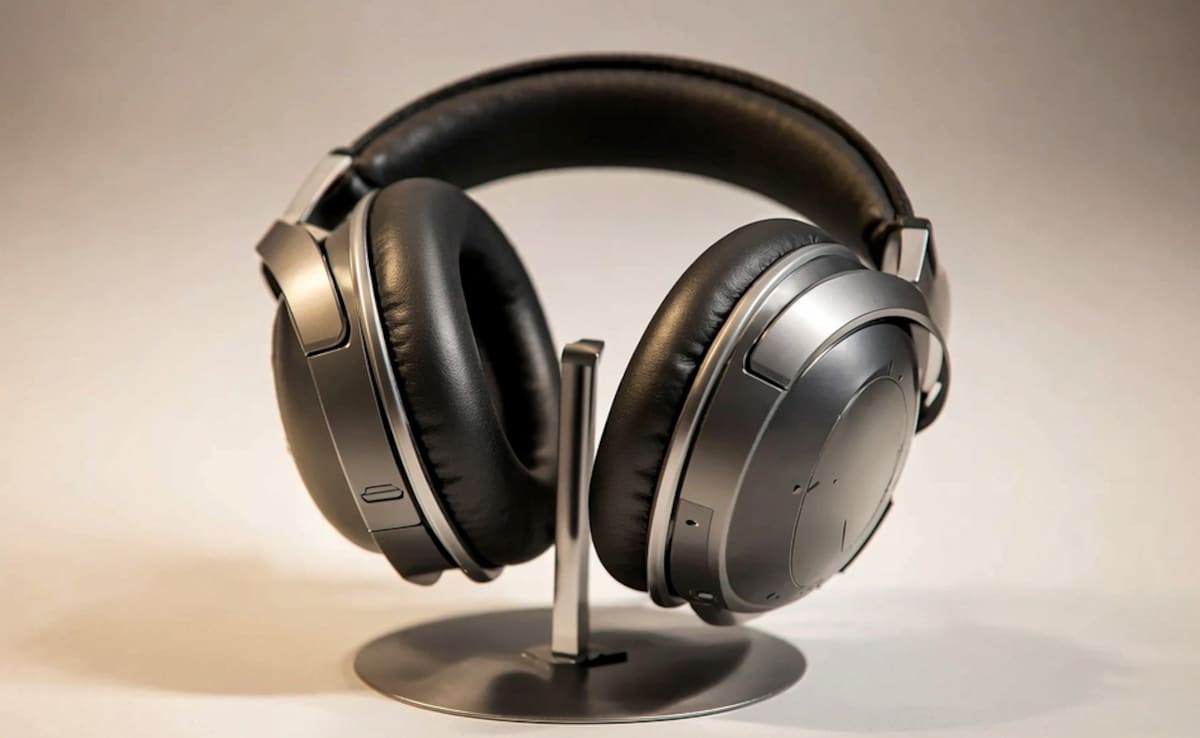
What Is Active Noise Cancellation And Should You Pay Extra For It
Noise cancellation has been around for a while now, but it still trips people up when they're out shopping for headphones or earbuds. Some people mistakenly believe that it is only intended for frequent flyers or wealthy audio enthusiasts. Others grab the first pair with ANC written on the box without really checking if they even need it.
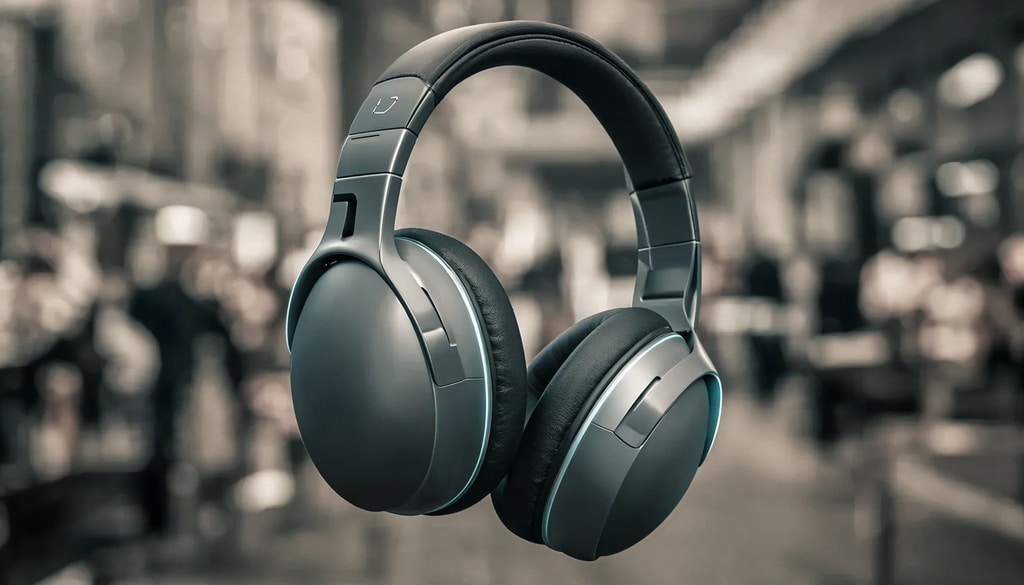
Discover which ANC headphones or earbuds actually make sense for your specific lifestyle and budget.
Photo Credit: iStock
The technology has significantly advanced. What used to be a premium-only feature found in Sony or Bose headphones costing fifteen to twenty thousand rupees is now showing up in earbuds priced well under five thousand. So the question isn't really whether ANC exists at your price point anymore; it's more about whether the version you're getting is actually useful.
This guide breaks down what active noise cancellation actually does, how it differs from passive isolation, who should pay extra for it, and who probably doesn't need to bother. If you've been going back and forth on upgrading to an ANC pair, this guide should help settle things.
Also Read: Affordable vs High-End ANC Headsets Guide
How Does Active Noise Cancellation Actually Work?
ANC uses tiny microphones placed on the outside of the earcup or earbud to pick up surrounding sounds before they reach your ears. The device then generates an opposing sound wave that's essentially the mirror image of that incoming noise. When these two signals meet, they cancel each other out, and what you hear is noticeably quieter.
It sounds like something out of a physics textbook, but it's genuinely effective for steady low-frequency noise like aeroplane cabin hum, AC units, traffic, or the general rumble of a metro. The technology struggles a bit more with sudden or unpredictable sounds like someone laughing nearby or a door slamming, but for consistent background noise it works really well.
Most modern ANC headphones also let you control how much noise blocking you want. Some have a transparency or ambient mode that lets outside sound back in, which is useful when you need to talk to someone or hear an announcement without pulling out your earbuds.
What Is The Difference Between ANC And Passive Noise Isolation?
Passive noise isolation doesn't involve any electronics at all. It's just the physical seal that a well-fitting pair of earbuds or over-ear headphones creates around your ear. Dense foam ear cushions, silicone ear tips that sit deep in the canal, and closed-back designs all contribute to this kind of blocking. It doesn't require power, it doesn't add to the price, and in the right conditions it's surprisingly effective.
Active noise cancellation, on the other hand, does require processing power and battery. It's an add-on layer that works on top of physical isolation. Most ANC headphones actually combine both, relying on the passive seal as the first line of defence and using the electronics to clean up what gets through.
If you're mostly in a quiet office or using headphones at home, solid passive isolation from a well-built non-ANC pair can honestly do the job without spending more. But if your environment is consistently noisy, that's where ANC starts to earn its premium.
What Are The Scenarios Where ANC Makes A Real Difference?
Not every situation calls for noise cancellation, but there are a few where it genuinely changes the experience. Understanding which category you fall into is a good way to decide whether the extra spend is justified.
1. Daily Commutes On Metro Or Bus
Public transport generates exactly the kind of constant, droning noise that ANC handles best. Engine vibration, wheel noise, and ambient crowd sound are all low-frequency and consistent, so a decent ANC pair will knock a noticeable amount of that out and let you actually focus on music or a podcast.
2. Working In Open Or Shared Office Spaces
Open floor plans are notoriously distracting. The general chatter, keyboard clatter, and air conditioning hum are constant. ANC headphones help you build a bit of a personal focus bubble without needing to crank the volume up to block things out, which also protects your hearing over time.
3. Frequent Air Travel
Airplane cabin pressure creates a very specific low roar that passive isolation alone doesn't fully handle. ANC was practically built for this use case. Even a mid-range ANC pair will make long flights noticeably less fatiguing.
4. Late Night Listening Without Disturbing Others
If you frequently use headphones at night in a household where others are sleeping, ANC can be beneficial in both directions. The external sounds bleed in less, so you listen at lower volumes, which keeps things quieter for everyone around you too.
5. Focus During Study Or Deep Work
For students or anyone doing deep focus tasks, cutting out ambient distraction can actually improve concentration and output. Many people report that even without music, just wearing an ANC pair in a noisy environment helps them stay locked in.
6. Video Calls And Online Meetings From Noisy Locations
Working from a cafe, a co-working space, or even a noisy home can make calls genuinely awkward, both for you and the person on the other end. ANC cuts down what you're hearing on your side, and many ANC headphones also come with mics tuned to reduce ambient pickup, so the overall call experience gets cleaner from both ends.
7. Long Gaming Or Streaming Sessions
Background noise during long sessions, whether it's a fan running, someone watching TV nearby, or street sounds coming through a window, adds up as fatigue over a few hours. ANC eliminates that layer of low-grade distraction, making extended sessions feel less draining overall, especially with story-heavy games or shows where dialogue is important.
8. Studying Or Working In Cafes And Libraries
Cafés and libraries have their own specific noise profiles, coffee machine sounds, muffled conversations, footsteps, and occasional chair scraping. None of it is loud enough to be a problem, but it accumulates. ANC handles that kind of low-to-mid background noise pretty well and lets you settle into a rhythm without constantly noticing what's happening around you.
When Is ANC Probably Not Worth The Extra Money?
There are plenty of situations where paying extra for ANC just doesn't make much practical sense.
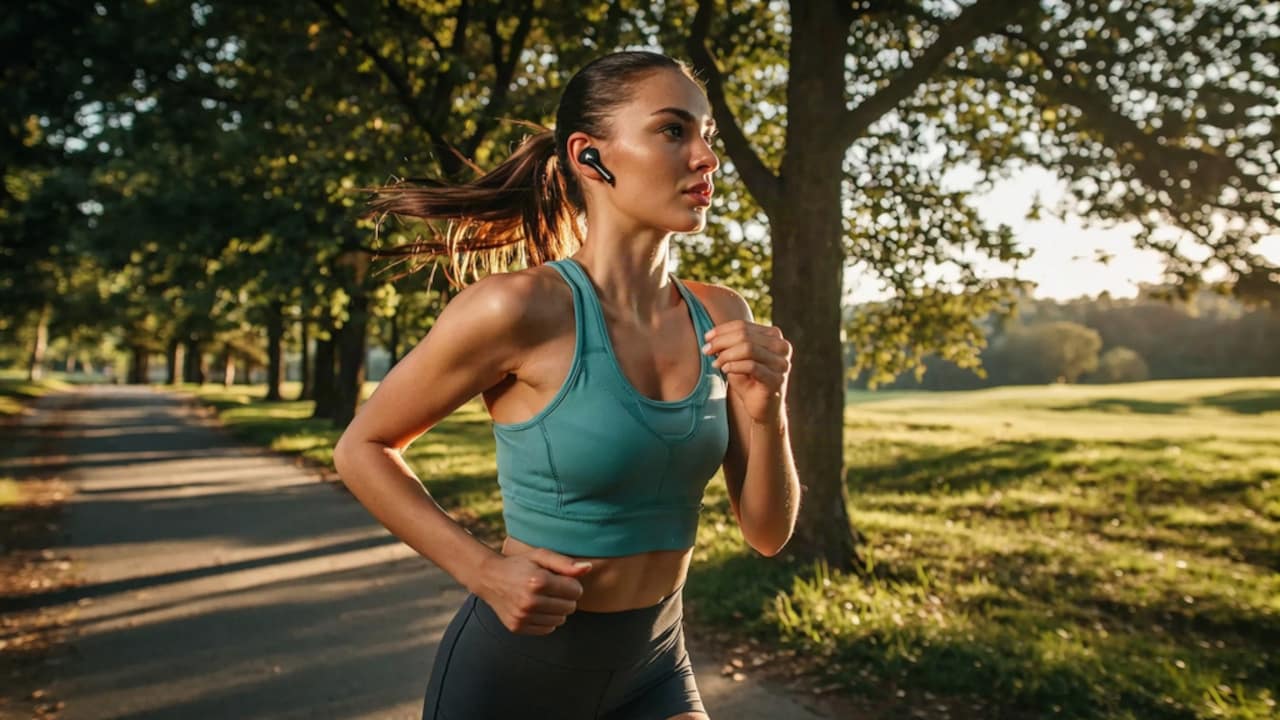
If you mostly use headphones at home in a relatively quiet room, excellent passive isolation from a non-ANC pair will feel nearly identical in real use. Same goes for casual listening during a walk or light workout where you actually want some awareness of your surroundings for safety reasons.
Budget ANC is also worth approaching carefully. Some earbuds under two thousand rupees technically have ANC but the implementation is weak enough that it adds a slight hiss without doing much actual noise blocking. In those cases, a non-ANC pair with a better physical fit would likely serve you better.
And if battery life is a priority, it's worth noting that ANC does drain the battery faster. Some people prefer turning it off and just using the headphones normally for longer sessions.
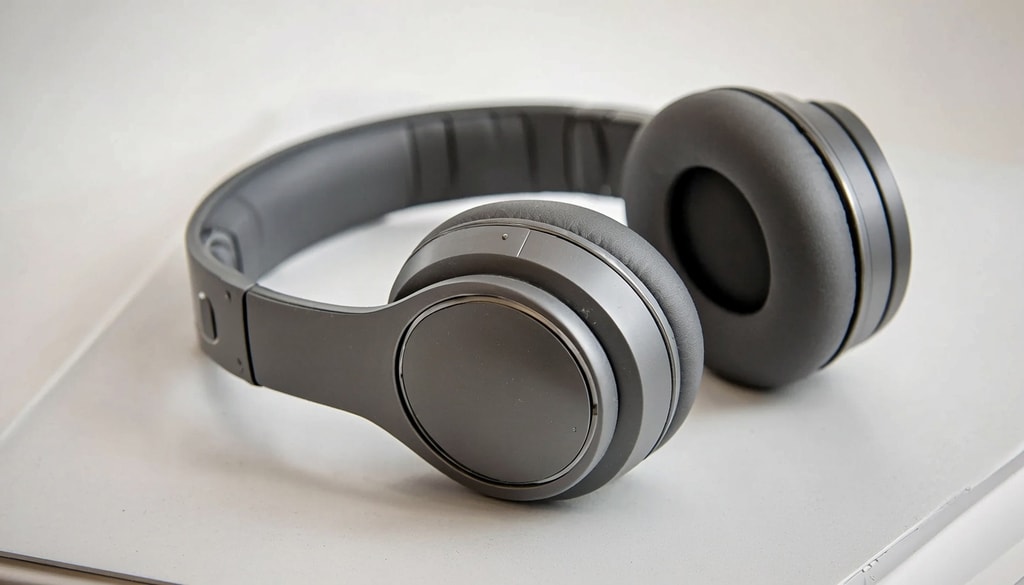
Find out who needs active noise cancellation and choose the right pair of headphones.
Photo Credit: istock
Does ANC Quality Improve Noticeably When You Spend More?
Yes, it does, but only to a certain extent. Flagship ANC from Sony and Bose has noticeably better noise floor reduction, more adaptive performance across different environments, and fewer side effects like that slight pressure feeling some people get with cheaper ANC implementations.
Mid-range options in the three to six thousand rupee range have gotten genuinely competitive, especially from brands like OnePlus, Nothing, and Samsung. The gap between budget and premium ANC is real but it's narrowing every year.
For most everyday users, a solid mid-range ANC pair in 2026 handles real-world noise well enough that spending top dollar isn't necessary unless you're a very frequent traveller or someone with genuinely demanding audio needs.
ANC Headphones And Earbuds Worth Considering In 2026
1. Noise Newly Launched Airwave Max XR Wireless Over-Ear Headphones
2. Noise Master Buds Max, Sound by Bose Wireless Over-Ear Headphones
3. boAt Airdopes 141 Elite ANC (2025), ANC (~35 dB), 4 Mics ENx Tech
4. OnePlus Nord Buds 3 Truly Wireless Bluetooth Earbuds
5. realme Buds T200x True Wireless Earbuds
6. Boat Nirvana Zenith Pro, 50dB Hybrid Adaptive ANC
7. Philips TAT1150BK/94 Premium Wireless Earbuds with ANC
8. Foxin FoxBuds F1 ANC True Wireless Bluetooth Earbuds
Frequently Asked Questions (FAQs)
1. Is active noise cancellation harmful for your ears?
ANC itself doesn't damage hearing. In fact, using ANC can be better for your ears in the long run because it allows you to listen at lower volumes by reducing background noise, rather than cranking up the volume to drown out your surroundings.
2. Can ANC block out human voices completely?
Not completely. ANC is best at handling low-frequency constant sounds. Human voices, which are mid-to-high frequency and irregular, are harder to cancel. Premium ANC pairs reduce voice bleed meaningfully but won't eliminate it entirely.
3. Does ANC affect sound quality?
On cheaper ANC gear, it sometimes can introduce a slight hiss or colour the audio a bit. On mid- to high-range pairs, the ANC circuitry is tuned well enough that most listeners won't notice any meaningful change in sound quality.
4. How much battery life does ANC use up?
It varies by model, but ANC typically reduces battery life by around twenty to thirty percent compared to using the same pair without it switched on. Most modern ANC headphones still offer a solid twenty to thirty hours of battery life with ANC active.
5. Should I buy ANC earbuds or ANC headphones?
Over-ear headphones do tend to block more noise overall, mostly because the earcups create a bigger seal and the drivers are larger. Earbuds have gotten better, though; some of them surprisingly so. But if you're someone who commutes daily and hates carrying bulky gear, earbuds just make more practical sense even if they don't cancel quite as much. Ultimately, your daily routine is the most important factor.
(Disclaimer: This article may include references to or features of products and services made available through affiliate marketing campaigns. NDTV Convergence Limited (“NDTV”) strives to maintain editorial independence while participating in such campaigns. NDTV does not assume responsibility for the performance or claims of any featured products or services.)