Why Phone Covers Turn Yellow: Causes, Cleaning Tips and Prevention
Clear phone covers don't stay clear forever. Heat, sunlight, sweat and material quality cause yellowing over time. This guide explains why it happens and how to clean or prevent it using simple, everyday solutions. Things to know about phone covers becoming yellow and how to fix it.
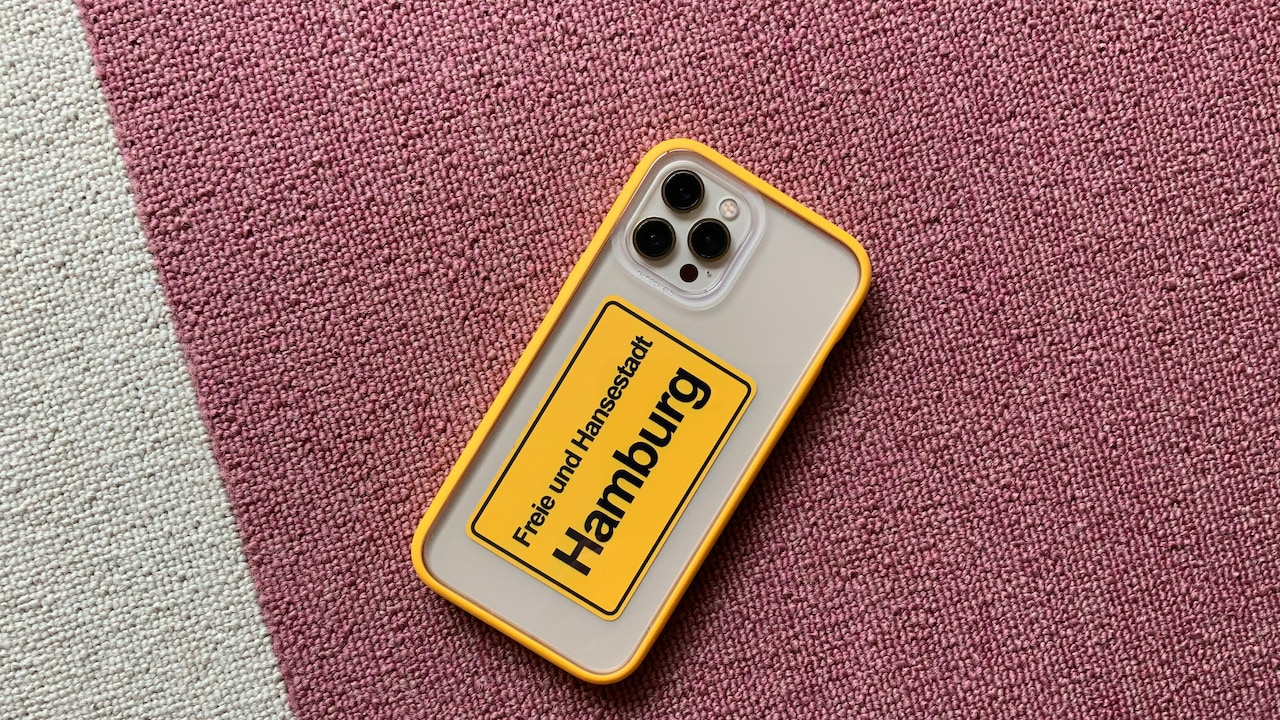
Phone Covers Turning Yellow? 5 Reasons Why and How to Clean Them Properly.
A phone cover does more than protect a device. It shows personality, style and sometimes even mood. Transparent covers remain especially popular because they let the phone's design shine through. Yet there's a common frustration. After a few months, that sleek, clear cover turns yellow, patchy or cloudy. This change feels unfair. The phone still looks new, but the cover makes it appear old. Many people blame dust or poor cleaning habits, but the truth runs deeper. Yellowing happens because of chemistry, environment and daily use.
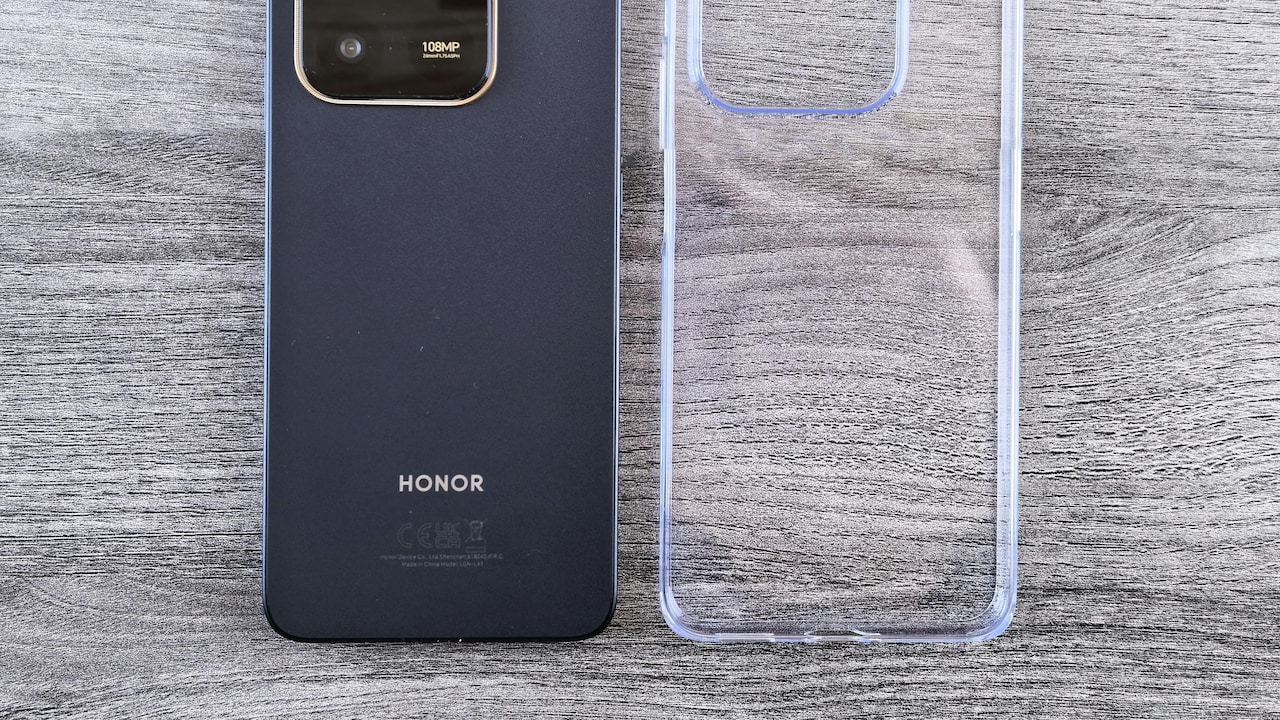
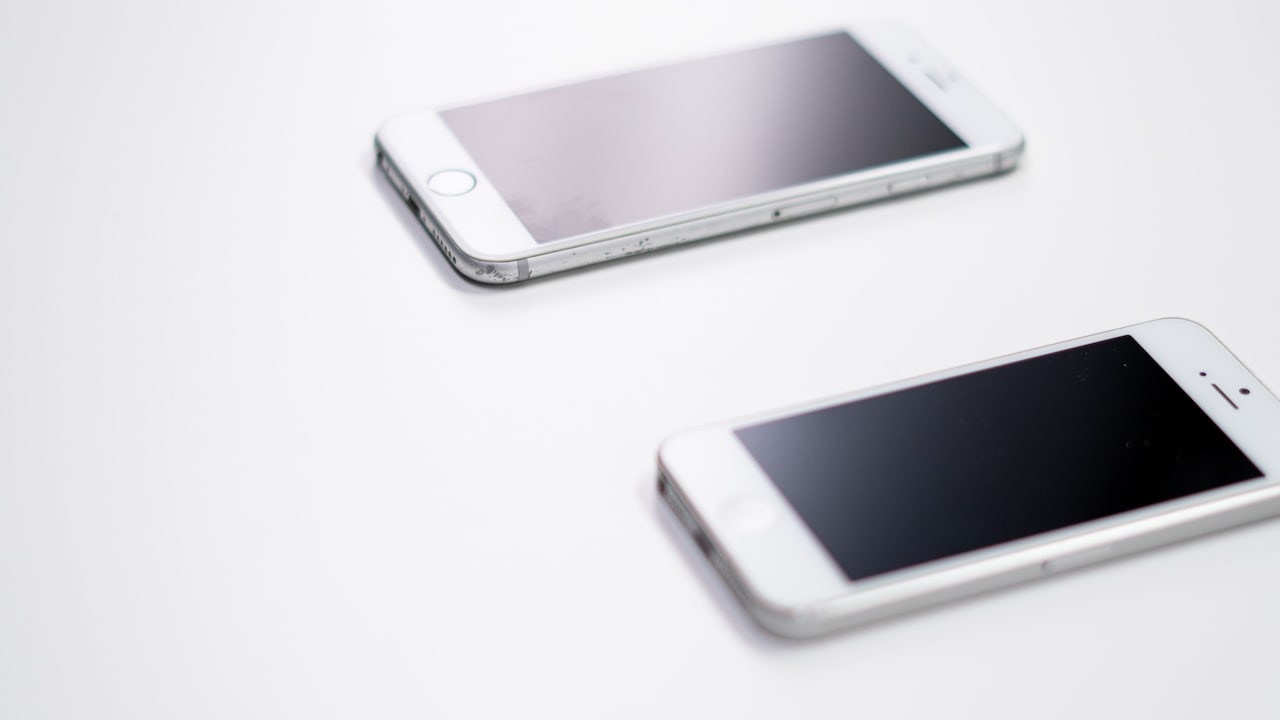
Explore the top culprits behind your phone covers turning yellow over time; Photo Credit: Pexels
In cities filled with heat, pollution and constant handling, phone covers face tough conditions. The good news lies in understanding the reasons behind the yellow tint and learning how to slow it down or remove it altogether. With the right care and realistic expectations, phone covers can stay cleaner, clearer and far more presentable.
Also Read: Discover Affordable And Trendy Cartoon Phone Cases That Add Personality To Your Device Under ₹500
What's Causing Your Phone Cover to Lose Its Clear Look
1. Oxidation: The Silent Culprit Behind Yellowing
Oxidation sounds technical, yet it plays a simple role. Most transparent phone covers use TPU or silicone-based materials. These materials react with oxygen over time. This reaction slowly changes their structure, causing a yellow or brown tint.
Heat accelerates oxidation. Phones generate warmth during charging, gaming or streaming. Add warm weather into the mix, and the process speeds up. Leaving a phone on a dashboard, near a window or under a pillow traps heat and worsens the problem.
Oxidation doesn't mean poor quality. Even premium covers face this issue. The difference lies in how quickly it happens. Cheaper materials oxidise faster, while high-grade TPU slows the process.
Cleaning helps, but cannot reverse oxidation completely. Once the material changes internally, the colour shift becomes permanent. Regular cleaning can delay visible yellowing, especially in the early months.
To reduce oxidation, remove the cover occasionally and let it breathe. Avoid exposing the phone to unnecessary heat. Small habits make a noticeable difference over time.
2. Sunlight and UV Exposure: More Harmful Than Expected
Sunlight affects more than skin. Ultraviolet rays break down plastics at a molecular level. Transparent phone covers suffer the most because they absorb and reflect light constantly.
Outdoor travel, window-side desks and open balconies expose phone covers to UV rays daily. Even indirect sunlight causes gradual discolouration. Over weeks, the clear surface loses its brightness and develops a warm yellow tint.
UV damage works silently. It doesn't leave marks or cracks, just a dull, aged look. Clear covers stored in cars or near windows yellow faster than those kept in shaded areas.
Using a UV-resistant cover helps, though these cost slightly more, often around ₹700 to ₹1,200. This extra cost pays off in longer clarity and better durability.
Simple steps help too. Keep phones inside bags when outdoors for long periods. Avoid placing them face-up under direct light. A little shade goes a long way in preserving transparency.
3. Sweat, Skin Oils and Daily Handling
Phones travel everywhere. They sit in their hands during calls, scrolling and gaming. Natural oils from skin transfer onto phone covers constantly. Sweat adds salts and moisture, which further break down plastic surfaces.
Hot weather increases sweating, making the problem worse. Over time, these oils soak into the material, especially around edges and corners. This leads to uneven yellowing, darker patches and a sticky feel.
Hand sanitiser and lotions also contribute. Alcohol-based products react with plastic, speeding up discolouration. Frequent use without wiping the phone accelerates the process.
Regular cleaning removes surface oils before they sink in. A gentle wipe with a damp cloth at the end of the day works wonders. Deep cleaning once a week helps maintain clarity.
Using a matte or frosted cover reduces visible oil stains, though it won't stop yellowing completely. Clean hands and mindful usage keep covers fresher for longer.
4. Heat from Charging and Heavy Usage
Phones heat up during fast charging, gaming or video calls. This heat transfers directly to the cover. Repeated heating and cooling cycles weaken the plastic structure over time.
Cheap covers trap heat rather than dissipate it. This causes faster oxidation and yellowing. Covers that feel unusually warm during charging signal poor heat management.
Charging phones overnight while covered adds to the problem. Heat builds up with no escape. Over months, this constant exposure leads to a visible colour change and loss of flexibility.
Removing the cover during long charging sessions helps. Using chargers with proper wattage reduces excess heat. Avoid charging phones on soft surfaces like beds or sofas.
Investing in heat-resistant materials, even at ₹800 or above, reduces long-term damage. Good airflow and sensible charging habits protect both the phone and its cover.
5. Pollution and Dust in Everyday Environments
Urban air carries dust, smoke and chemical particles. These particles settle on phone covers throughout the day. Over time, they mix with moisture and oils, forming a stubborn film.
Clear covers show this grime more clearly. Pollution particles react with plastic, especially in humid conditions. This reaction darkens the surface and creates a yellowish-grey tone.
Keeping phones inside pockets or bags helps, though lint creates its own issues. Regular surface cleaning prevents build-up and keeps covers looking brighter.
Using a microfiber cloth removes fine particles without scratching. Avoid rough fabrics or tissues, which damage the surface and trap more dirt.
In heavily polluted areas, covers may need replacement sooner. Regular maintenance extends their life, but environmental exposure eventually takes its toll.
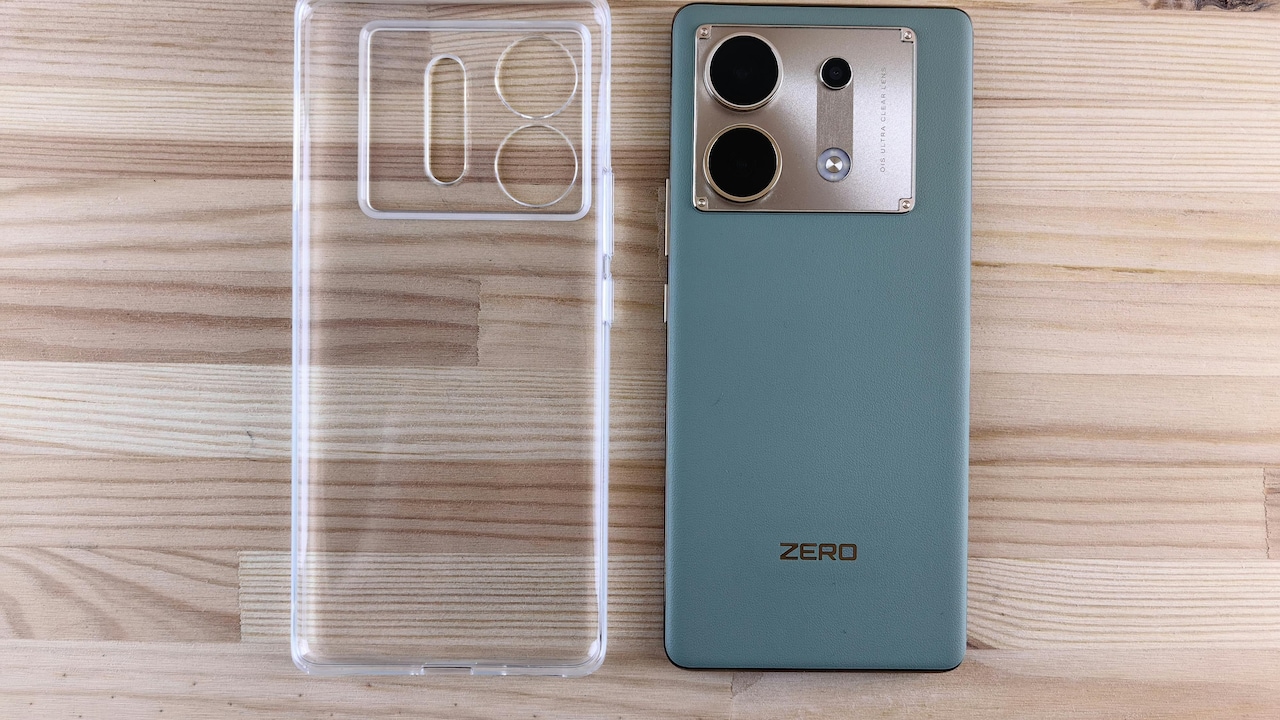
Every day dust, dirt, and pollution can also cause your old phone cover to turn yellow; Photo Credit: Pexels
6. Poor Quality Materials and Additives
Not all transparent covers use the same materials. Some manufacturers add cheaper fillers or dyes to cut costs. These additives react poorly to light, heat and oils.
Low-quality covers yellow within weeks. They feel stiff, lose elasticity and develop uneven colouring. Bargain covers priced around ₹100 often show these issues quickly.
Spending slightly more improves longevity. Covers priced between ₹500 and ₹1,000 usually use better-grade TPU with stabilisers that slow yellowing.
Reading product descriptions helps. Look for terms like “anti-yellow coating” or “UV resistant.” While no cover stays clear forever, quality materials delay visible ageing.
Choosing trusted brands reduces disappointment. A cover should protect and enhance, not make a phone look worn before its time.
7. Cleaning Mistakes That Make Yellowing Worse
Cleaning helps, but the wrong methods cause damage. Harsh chemicals like bleach, acetone or strong detergents strip protective layers from covers.
Scrubbing with rough brushes scratches the surface. These micro-scratches trap dirt and oils, making yellowing more visible.
Hot water softens plastic, altering its shape and colour. Lukewarm water works best for cleaning.
A gentle mixture of baking soda and water removes surface stains. Apply with a soft cloth, rub lightly and rinse thoroughly. Dry completely before reattaching.
Consistency matters more than intensity. Regular gentle cleaning works better than aggressive scrubbing once a month.
8. DIY Cleaning Methods That Actually Work
Several home remedies restore clarity temporarily. Baking soda paste lifts grime. White vinegar diluted with water removes oily residue.
Toothpaste works for mild stains. Use non-gel varieties and rub gently. Rinse well to avoid residue.
Isopropyl alcohol removes surface oils but should be used sparingly. Frequent use dries out plastic.
These methods improve appearance but won't reverse deep yellowing. They buy time and refresh the look.
Testing on a small area prevents surprises. Gentle care keeps covers presentable without causing damage.
9. When Cleaning Isn't Enough
Some yellowing becomes permanent. Deep oxidation and UV damage change the material completely. At this stage, cleaning won't restore clarity.
Cloudy texture, hardened plastic and strong yellow tint signal the end of a cover's life. Continuing to use it risks poor grip and reduced protection.
Replacing a cover every 8–12 months remains normal for transparent cases. Viewing covers as consumables reduces frustration.
Switching to darker or patterned designs avoids the issue altogether. Frosted finishes hide ageing better than clear ones.
A fresh cover instantly improves the phone's appearance and hygiene.
10. Preventive Habits for Long-Lasting Clarity
Prevention beats cleaning. Remove covers occasionally. Wipe phones daily. Avoid prolonged heat and sunlight.
Wash your hands before extended use. Keep phones away from lotions and sanitisers when possible.
Choose better materials from the start. Spending slightly more saves frequent replacements.
Rotate between two covers. This reduces constant exposure and extends lifespan.
Small habits protect clarity and keep phones looking newer for longer.
Products Related To This Article
1. CEDO Magfit Cover for iPhone 12/12 Pro
2. JGD PRODUCTS for Samsung Galaxy A55 5G
3. WOW IMAGINE Transparent Back Cover Case for Samsung Galaxy A17 5G
4. Lustree Case Perfect Fitting Hybrid Edge-to-Edge Bumper Side Protection
5. TheGiftKart Shockproof Back Cover Case for OnePlus Nord CE 3 Lite 5G
Yellowing phone covers frustrate nearly everyone. The change feels sudden, yet it builds slowly through heat, light, oils and time. Understanding these causes makes prevention easier and cleaning more effective.
No clear cover stays perfect forever. Accepting this reality helps make smarter choices. Quality materials, gentle care and realistic expectations go a long way.
With mindful habits and simple cleaning routines, phone covers can remain clear, fresh and pleasant to use. And when the yellow finally refuses to budge, replacing the cover feels less like a loss and more like a refresh.
(Disclaimer: This article may include references to or features of products and services made available through affiliate marketing campaigns. NDTV Convergence Limited (“NDTV”) strives to maintain editorial independence while participating in such campaigns. NDTV does not assume responsibility for the performance or claims of any featured products or services.)