Phone Stand Slipping? Weight Balance And Surface Grip Explained
Phone stand slipping? Learn how weight balance, surface grip, and everyday usage affect stability, and discover simple fixes that keep your phone steady on any desk.
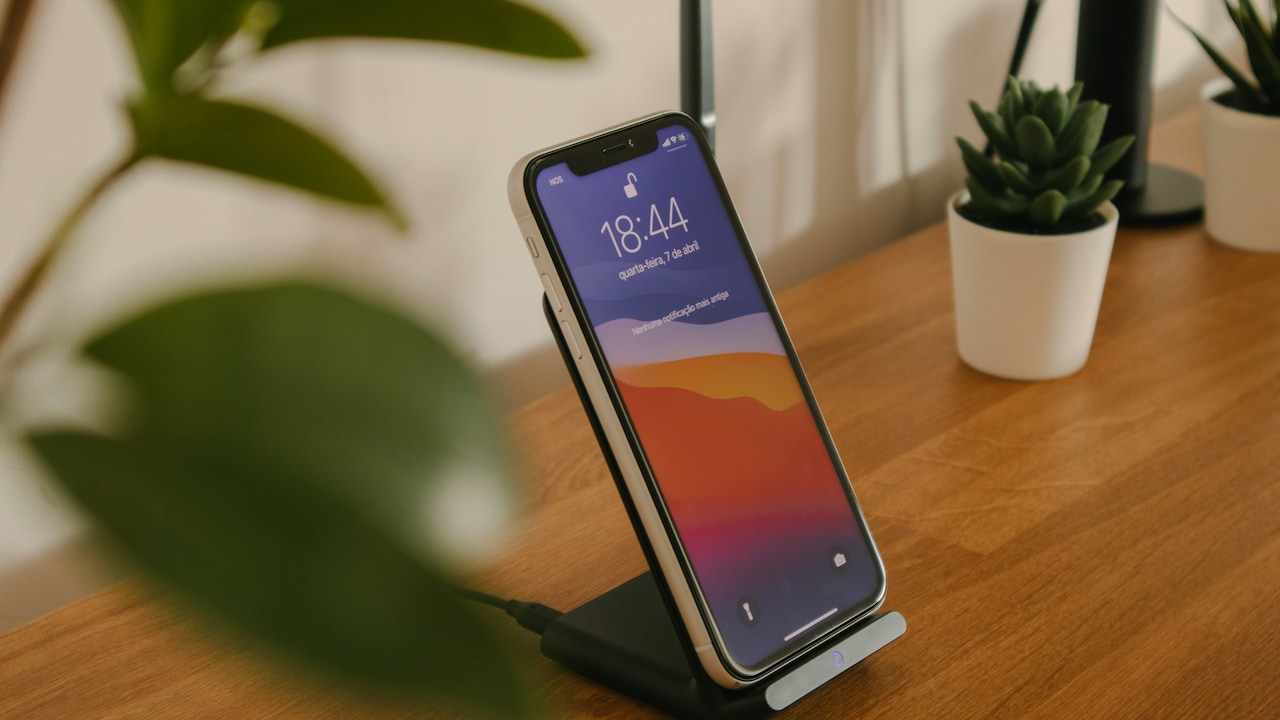
Why Phone Stands Slip: All You Need To Know About Weight Balance, Surface Grip, And Stability.
Phone stands promise comfort, convenience, and hands-free ease. Reality sometimes delivers a clatter, a sliding phone, and a minor heart attack as the screen heads for the floor. Many people assume the stand lacks quality, yet the truth runs deeper. Slipping often comes from poor weight balance, mismatched surfaces, or everyday habits that rarely get attention.
Homes feature glossy tables, wooden desks, marble shelves, and plastic study tables. Each surface behaves differently. Add phones that grow heavier every year, plus cases thicker than winter quilts, and the equation changes fast. A stand that worked last year may now struggle.
This article unpacks the real reasons behind slipping phone stands. It explains how balance, grip, materials, angles, and environment play a role. No technical jargon, no lab talk. Just clear explanations that make sense during a chai break or while adjusting a stand before a long call.
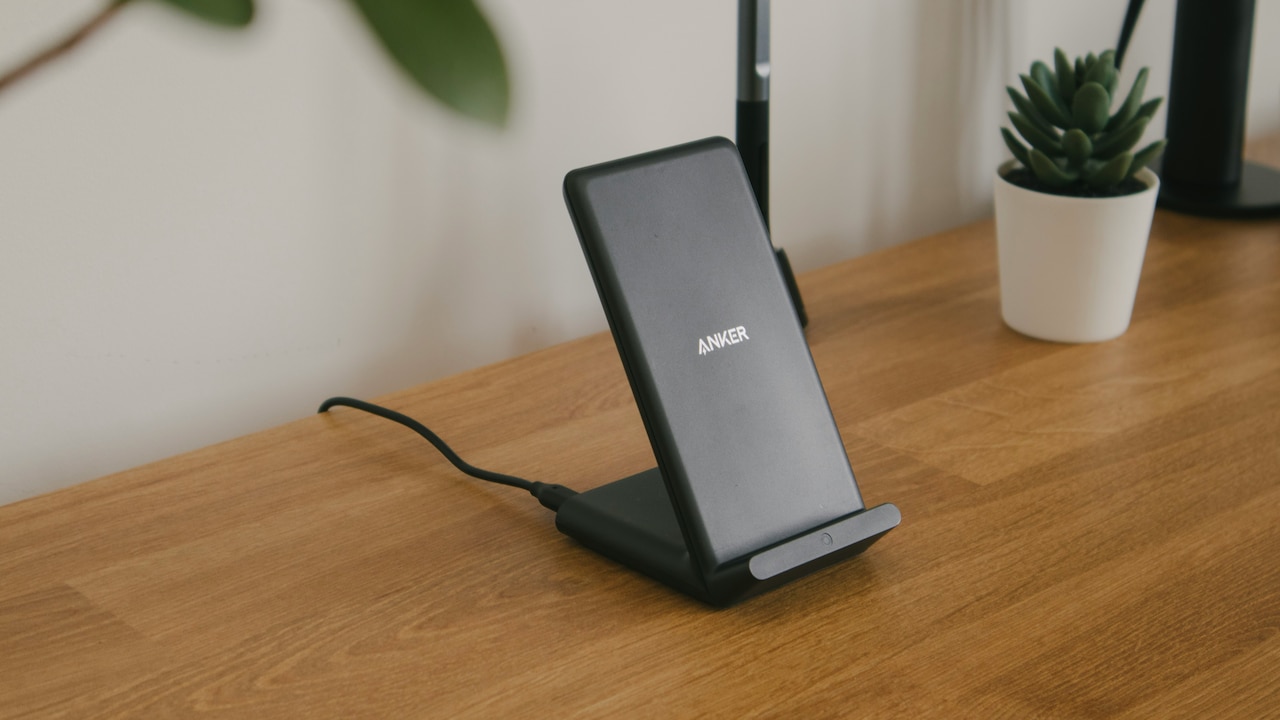
Phone Stand Slipping? Weight Balance And Surface Grip Explained
Photo Credit: Unsplash
The Real Reasons Your Phone Stand Refuses To Stay Put
1. Why Phone Stands Slip More Than Expected
Phone stands slip because small design choices clash with real-life usage. Many stands look sturdy in a shop or online photo, yet behave differently on a desk at home. Lightweight plastic bases struggle against heavier smartphones. The centre of gravity shifts forward, especially during typing or video calls.
Smooth surfaces worsen the problem. Polished wood, glass, and stone offer little resistance. Even slight vibrations from typing or notifications can trigger movement. A stand without rubber padding simply slides like a coin on a car bonnet.
Heat also plays a sneaky role. Warm rooms soften cheap rubber pads, reducing friction. Over time, dust settles on the base, turning grip into glide. Regular use adds micro-movements that slowly push the stand out of place.
The issue rarely comes from carelessness. It comes from a mismatch. A stand designed for light phones meets a heavier device. A glossy table meets a smooth base. Understanding this mismatch forms the first step towards fixing the problem.
2. Understanding Weight Balance: The Hidden Physics
Weight balance decides whether a phone stand behaves like a rock or a toddler on roller skates. Every stand relies on its base supporting the phone's centre of gravity. When the phone leans forward too much, gravity pulls it down and out.
Large screens and thick cases push the weight away from the base. Pop grips and ring holders add uneven bulk. A stand that lacks a deep cradle fails to counteract this shift. The result appears as a wobble, a tilt or a slow slide forward.
Vertical stands face greater challenges. They need heavier bases to remain stable. Horizontal stands fare better but still struggle on smooth surfaces. Balance also changes when the phone switches orientation. A landscape setup for videos may behave better than portrait mode during calls.
Good balance feels boring. The phone sits still and stays forgotten. Poor balance demands constant nudging. Recognising balance issues helps pick the right stand or adjust usage habits before frustration builds.
3. Surface Grip: Why Tables Matter More Than Stands
A phone stand interacts with the surface as much as the phone itself. Marble tables, glass tops, and laminated desks dominate modern homes. These surfaces look stunning but offer minimal friction.
Rubber pads help, but not all rubber behaves equally. Soft rubber grips better but collects dust. Hard rubber lasts longer but slips more easily. Cheap foam pads flatten over time, losing grip within weeks.
Moisture changes everything. A wiped table may look clean but retain a thin film of water or polish. That film turns friction into a skating rink. Even humidity affects grip during monsoon months.
Texture saves the day. Slightly rough surfaces like fabric desk mats or leather covers improve stability instantly. The stand stops moving not because it grew stronger, but because the surface finally cooperates. Surface choice often solves slipping faster than replacing the stand itself.
4. Phone Size, Case Thickness, and Real-World Usage
Phones today feel closer to small tablets than pocket devices. Bigger screens mean more weight and longer leverage arms. A slim stand built for older models struggles under modern dimensions.
Cases complicate matters further. Protective cases add weight and change the phone's shape. Kickstands, card holders, and grips shift balance unpredictably. A stand that holds a naked phone perfectly may fail with a case on.
Daily habits also matter. Typing with one hand pushes the phone sideways. Swiping aggressively during gaming nudges the stand bit by bit. Video calls involve frequent adjustments, each adding micro-movements.
The stand rarely fails alone. Usage style contributes silently. Matching stand size to phone size and recognising how daily habits affect balance can reduce slipping without spending extra money.
5. Material Choices: Plastic, Metal, and Wood Compared
Material choice shapes stability. Plastic stands feel light and affordable, yet often lack the weight needed for balance. They slide easily unless paired with strong grip pads.
Metal stands offer better stability due to their weight. Aluminium and steel bases anchor the phone more firmly. However, metal-on-glass can still slip without rubber padding. Metal also feels colder, which affects grip during cooler months.
Wooden stands bring charm and moderate weight. They grip better on wooden desks but struggle on polished surfaces. Wood also reacts to humidity, sometimes warping slightly over time.
Each material brings strengths and weaknesses. No single option suits every surface and phone. Understanding material behaviour helps avoid disappointment and reduces the urge to blame the stand unfairly.
6. Angle and Adjustability: Small Changes, Big Impact
Angle affects balance more than expected. Steep angles push the phone's weight forward, increasing slip risk. Shallow angles distribute weight closer to the base, improving stability.
Adjustable stands offer flexibility but introduce moving parts. Hinges loosen with time, causing gradual sagging. That sag shifts the balance forward, leading to slipping during longer usage sessions.
Fixed-angle stands lack flexibility but often provide better long-term stability. Their simplicity reduces failure points. However, fixed designs must match viewing habits closely to feel comfortable.
Frequent angle changes also wear down grip pads. Twisting and adjusting apply sideways force, slowly weakening friction. Choosing an angle once and sticking to it helps maintain balance and grip over time.
7. Environmental Factors No One Talks About
The environment influences phone stand behaviour quietly. Temperature softens rubber pads during hot afternoons. Cold mornings stiffen materials, reducing friction. Dust accumulates faster in urban homes, coating surfaces and bases alike.
Vibrations matter too. Ceiling fans, nearby traffic, and even heavy footsteps create subtle tremors. These vibrations encourage movement on smooth surfaces, especially with lightweight stands.
Cleaning habits play a role. Frequent wiping with polish leaves residues. These residues reduce grip despite making surfaces shine. Over-cleaning may look productive, but it often worsens slipping.
Awareness of the environment turns frustration into understanding. Sometimes the stand works fine. The room simply conspires against it.
8. Desk Habits That Make Slipping Worse
Certain habits unknowingly invite slipping. Placing stands near desk edges increases risk. Minor nudges turn into falls faster. Using stands on uneven surfaces creates constant imbalance.
Charging cables pull on phones, especially stiff ones. That pull acts like a tiny tug-of-war, slowly dragging the stand forward. Over time, even a stable setup begins to creep.
Multitasking adds chaos. Moving papers, notebooks, or cups around the stand disturbs its position. Each small bump compounds instability.
Simple changes help. Keeping cables loose, choosing flat desk zones, and giving the stand breathing space improve stability without new purchases.
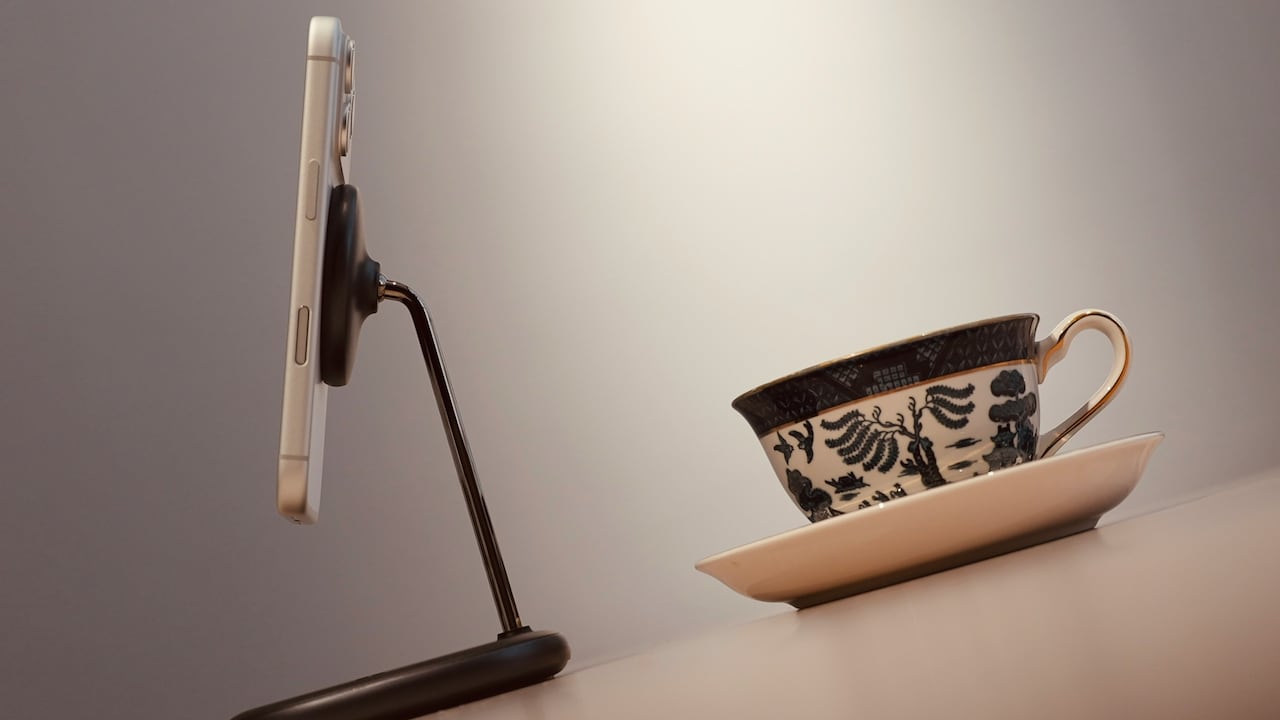
Phone Stand Slipping? Weight Balance And Surface Grip Explained
Photo Credit: Unsplash
9. Practical Fixes That Actually Work
Small fixes often outperform expensive replacements. Cleaning rubber pads with a damp cloth restores grip. Placing a thin desk mat under the stand instantly increases friction.
Adding weight helps. Coins taped discreetly under the base improve balance. A ₹10 fix sometimes beats a ₹1,000 upgrade. Anti-slip pads from hardware shops offer a strong grip at a low cost.
Adjusting the angle reduces the forward pull. Removing bulky accessories lightens the load. Even rotating the stand slightly changes how the weight is distributed.
These fixes focus on physics, not branding. They respect the stand's design while enhancing its performance. Simple, practical, effective.
10. Choosing the Right Stand for Long-Term Peace
Choosing wisely prevents future slipping drama. Heavier bases suit larger phones. Rubberised bottoms handle smooth surfaces better. Fixed angles work for stable desks, and adjustable ones suit varied usage.
Testing matters. Press gently on the phone and observe movement. A stable stand resists without sliding. Checking grip pads before purchase saves regret later.
Price does not guarantee performance. A ₹300 stand may outperform a ₹1,500 one if it suits the phone and surface better. Matching needs matters more than chasing trends.
A good stand fades into the background. It supports without demanding attention. That quiet reliability marks a wise choice.
Products Related To This Article
1. Ambrane Multipurpose Tabletop Mobile Stand
2. WeCool T2 Foldable and Portable Tabletop Mobile Stand with Stable Base
3. Portronics MODESK Universal Mobile Holder Stand with Metal Body
4. AUGEN Foldable Metal Phone Ring Holder Stand
5. STRIFF mobSpin 360° Rotating Metal Phone Stand
A slipping phone stand feels like a minor problem until it repeats daily. Understanding weight balance and surface grip transforms annoyance into insight. The issue rarely lies in poor quality alone. It lives in mismatches between phone size, stand design, surface texture, and everyday habits.
Small adjustments often solve big frustrations. Cleaning, repositioning, adding grip, or changing angles brings stability back. Thoughtful choices during purchase prevent issues before they begin.
A stable phone stand supports work, leisure, and connection without drama. Once balance and grip align, the phone stays put, the desk feels calmer, and attention returns to what truly matters on the screen.
(Disclaimer: This article may include references to or features of products and services made available through affiliate marketing campaigns. NDTV Convergence Limited (“NDTV”) strives to maintain editorial independence while participating in such campaigns. NDTV does not assume responsibility for the performance or claims of any featured products or services.)