eSIMs Explained: How They Work And Whether They Are Worth It
As international travel becomes increasingly digital, staying connected has become almost as important as carrying your passport. But should travellers still rely on expensive roaming plans and local SIM cards, or is it time to switch to an eSIM?
eSIMs Explained: How They Work And Whether They Are Worth It
As international travel becomes more digital than ever, staying connected abroad is no longer just about sharing holiday photos or replying to messages. Travellers now rely on mobile data for boarding passes, ride-hailing apps, hotel bookings, navigation, online payments, currency conversion, translation tools and emergency communication. Yet many still face the same problem every time they land in a new country: expensive roaming charges, confusing network options and the hassle of finding a local SIM card. This is exactly why eSIMs have emerged as one of the fastest-growing travel technologies in recent years, offering a simpler way to stay connected wherever the journey leads.
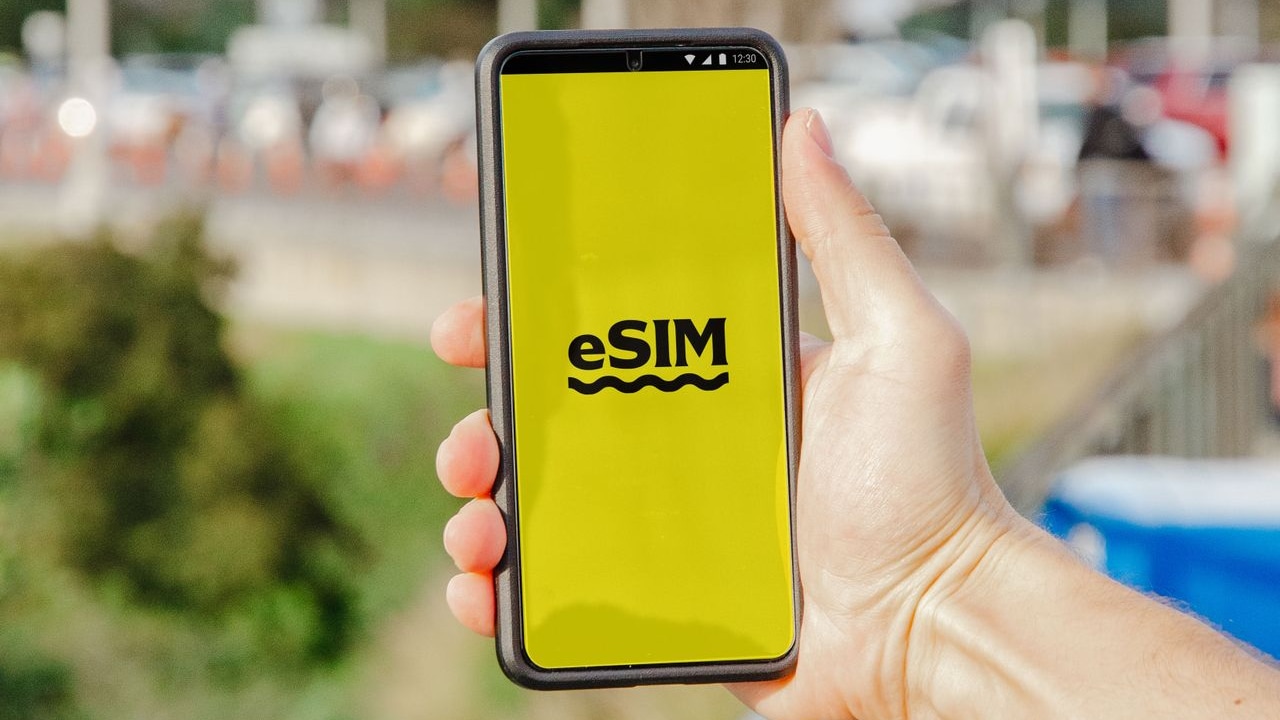
eSIM technology is built directly into compatible smartphones, allowing users to activate mobile plans digitally without inserting a physical SIM card.
Photo Credit: Pexels
Whether you're planning a short city break, a multi-country holiday or an overseas business trip, you've probably come across the term eSIM. But what exactly is it, how does it work, and is it actually worth using? Here's what travellers need to know before making the switch.
What Is An eSIM?
An eSIM, short for embedded SIM, is a digital version of the traditional SIM card found in your smartphone. Instead of inserting a physical SIM card into your device, the SIM technology is already built into compatible phones, tablets and smartwatches.
The eSIM performs the same function as a physical SIM. It connects your device to a mobile network and enables calls, messages and mobile data services. The difference is that everything is activated digitally. Users can simply download a mobile plan through an app, QR code or provider portal without needing to visit a store or handle a physical SIM card.
How Does An eSIM Work?
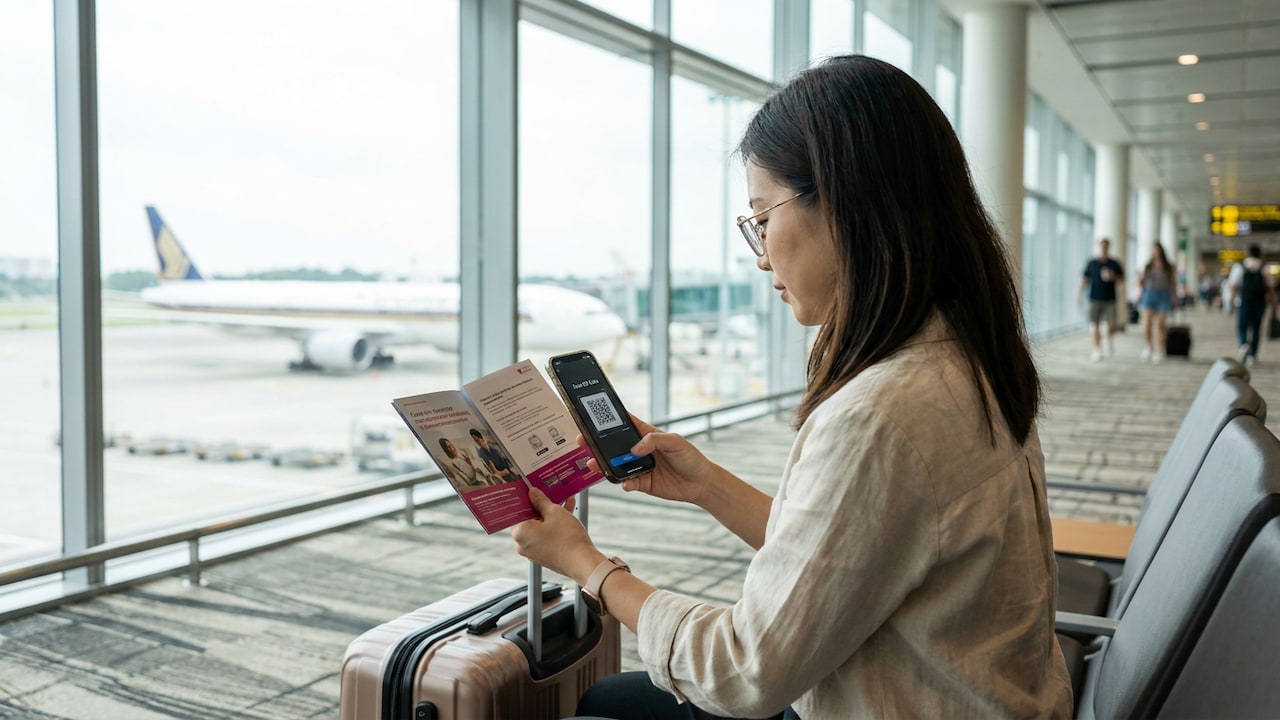
The setup process is usually straightforward. After purchasing a plan, users receive activation instructions, often in the form of a QR code or app-based installation process. Once the digital profile is downloaded to the device, the eSIM connects to the selected mobile network just like a traditional SIM card. Many travellers complete this setup before departure so their mobile data is ready the moment they arrive at their destination. For frequent travellers, this can remove one of the most frustrating parts of international travel: finding connectivity immediately after landing.
Also Read: How To Choose The Best Accommodation For Any Trip
Why Are eSIMs Becoming So Popular?
The appeal of eSIMs largely comes down to convenience. Modern travellers already use apps to book flights, reserve hotels, manage itineraries and pay for services. Mobile connectivity is naturally moving in the same direction.
Instead of comparing roaming plans or searching for local mobile stores, travellers can often choose and activate a plan in minutes from their phone. As international travel rebounds and more people combine work and leisure trips, the demand for flexible connectivity solutions continues to grow.
Key Advantages Of Using An eSIM
1. No Physical SIM Swapping
Physical SIM cards are surprisingly easy to lose, especially while travelling. With an eSIM, everything remains digital, eliminating the need to remove your regular SIM card or carry extras throughout your trip.
2. Faster Setup
Many eSIM plans can be purchased and activated before departure. This means travellers can access maps, transport services and booking information as soon as they land.
3. Convenient For Multi-Country Travel
Travellers visiting several destinations on a single trip often find local SIM cards inconvenient. Many eSIM providers offer plans that work across multiple countries, making border crossings considerably easier.
4. Flexible Plan Options
Whether you're travelling for three days or three weeks, many eSIM services offer a range of plans based on destination, validity period and data requirements.
5. Dual SIM Functionality
Many smartphones support both a physical SIM and an eSIM simultaneously. This allows users to keep their regular number active while using a travel eSIM for mobile data.
6. Digital Management
Most eSIM services allow users to monitor usage, top up data and manage plans through an app, reducing reliance on physical stores and customer-service desks.

From navigation and ride-hailing to online bookings and messaging, reliable mobile data helps travellers stay connected throughout their journey.
Photo Credit: Pexels
Who Benefits Most From An eSIM?
eSIMs can work for almost any traveller, but they are particularly useful for:
- Frequent international travellers
- Multi-country holidaymakers
- Remote workers and digital nomads
- Business travellers
- Students studying abroad
- First-time international travellers who want a simpler setup process
The more often you travel, the more valuable the convenience of an eSIM tends to become.
Are eSIMs Worth It?
For many travellers, the answer is yes. The biggest advantage isn't necessarily cost. Instead, it's the ability to remove unnecessary friction from the travel experience. The convenience of arranging connectivity before departure, avoiding SIM swaps and staying connected across multiple destinations can save both time and effort.
Traditional roaming plans and local SIM cards still have advantages in some situations. However, travellers who value flexibility, speed and digital convenience are increasingly turning to eSIMs as their preferred connectivity option. As smartphones continue to evolve and international travel becomes more connected, eSIM adoption is likely to become even more widespread.
Skip The SIM Card Hunt And Stay Connected From The Moment You Land
If you've ever queued at an airport kiosk for a SIM card, struggled to understand local mobile plans or worried about roaming charges building up during a trip, an eSIM offers a far simpler alternative. For travellers looking to make the switch, Airalo provides access to travel eSIM plans across more than 200 destinations worldwide. Whether you're planning a single-country holiday, a backpacking adventure across Europe or a multi-city business trip, Airalo allows you to browse, purchase and activate plans before departure.

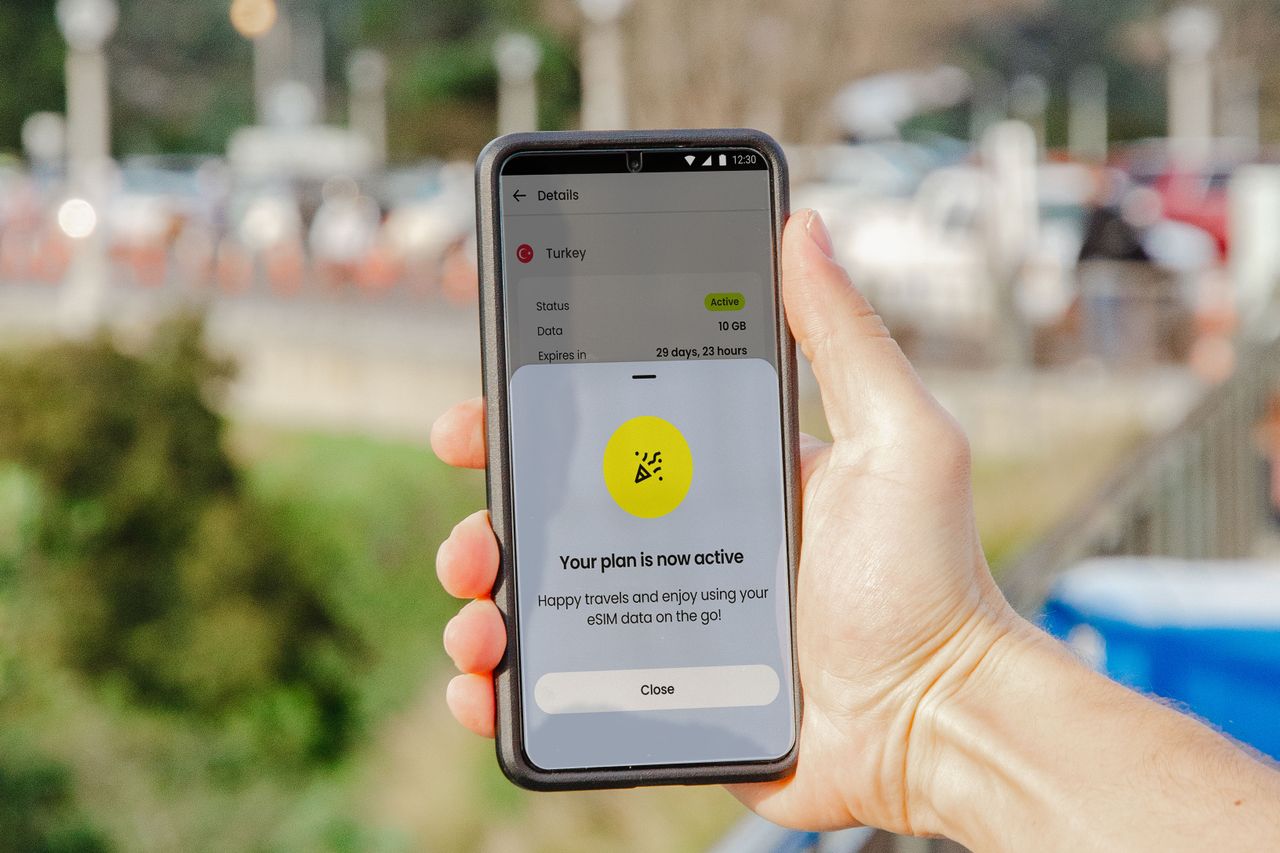
Travel eSIM platforms allow users to browse, purchase and activate data plans before departure, helping them stay connected across multiple destinations.
Photo Credit: Airalo
The biggest advantage is convenience. Rather than spending your first hour abroad searching for connectivity, you can arrive with mobile data already ready to use. That means immediate access to maps, transport apps, hotel reservations, messaging platforms and everything else modern travellers rely on. Airalo also offers country-specific, regional and global plans, making it easier to match connectivity to your itinerary. For travellers who value convenience, flexibility and a streamlined travel experience, it presents a practical way to stay connected throughout the journey.
Also Read: 5 Reasons Frequent Travellers Are Switching To eSIMs For International Travel
The Bottom Line
eSIMs are no longer a niche technology used only by tech enthusiasts. They are rapidly becoming a mainstream travel tool that simplifies how people stay connected abroad. While they may not replace every other connectivity option, they offer a compelling combination of convenience, flexibility and ease of use. For travellers who want less hassle and more time enjoying their destination, an eSIM is well worth considering.
And if you're ready to try one on your next international trip, Airalo offers an easy starting point with plans designed for travellers of all kinds. Setting up connectivity before departure could be one of the smartest travel decisions you make.
Frequently Asked Questions (FAQs)
Q1. What is an eSIM?
An eSIM is a digital SIM card built directly into a compatible device, allowing users to activate a mobile plan without inserting a physical SIM card.
Q2. Can I use an eSIM and a physical SIM together?
Yes. Many modern smartphones support dual SIM functionality, allowing both to operate simultaneously.
Q3. Are eSIMs suitable for international travel?
Yes. eSIMs are widely used by travellers because they can often be activated before departure and may provide coverage across multiple destinations.
Q4. Do all phones support eSIM technology?
No. Travellers should check their device specifications to confirm compatibility before purchasing an eSIM plan.
Q5. Why are travellers choosing Airalo?
Airalo offers country-specific, regional and global eSIM plans that can be activated digitally, helping travellers stay connected across more than 200 destinations with minimal hassle.
(Disclaimer: This article may include references to or features of products and services made available through affiliate marketing campaigns. NDTV Convergence Limited (“NDTV”) strives to maintain editorial independence while participating in such campaigns. NDTV does not assume responsibility for the performance or claims of any featured products or services.)