Suitcase Buying Guide: Size, Weight, Lock Type And Handle Quality Explained
Choosing the right suitcase comes down to size, weight, lock type and handle strength. This guide explains what to check before buying, so every trip feels lighter, safer and easier.

Suitcase Buying Guide: Size, Weight, Lock Type And Handle Quality Explained
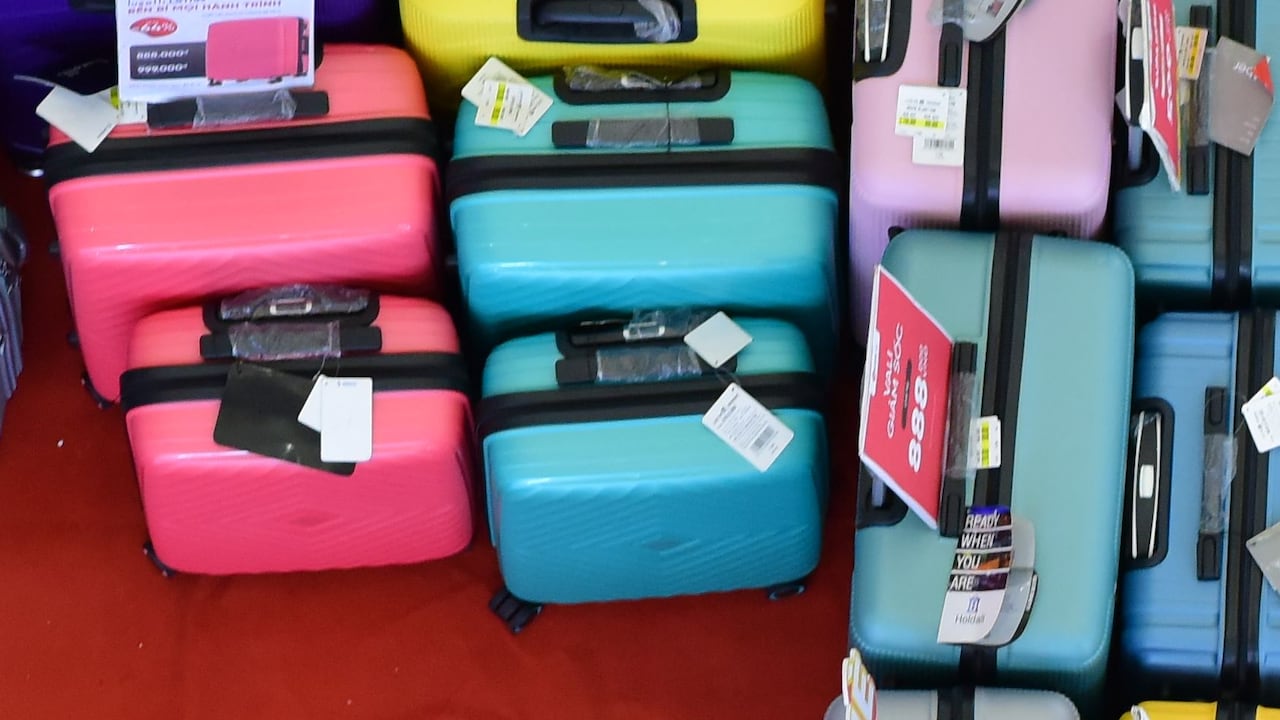
Buying a suitcase often begins with colour and ends with confusion. One model promises “unbreakable” strength, another has eight wheels, and a third looks large enough to carry half the household. Yet appearance tells only part of the story. A good suitcase should match the length of the trip, fit airline limits, move smoothly through crowded terminals and survive more than a few enthusiastic baggage handlers. It should also remain light enough to leave room for clothes, shoes, gifts and that last-minute packet of snacks packed by the family.
Suitcase Buying Guide: Size, Weight, Lock Type And Handle Quality Explained
Photo Credit: Pexels
Prices can range from under ₹2,000 to well above ₹20,000, but a higher price does not automatically guarantee better value. Careful attention to practical details often matters more than a famous logo.
The following ten points explain how to judge suitcase size, weight, construction, locks, handles and other essential features before making a purchase.
Key Factors To Consider Before Buying A Suitcase
Choose The Right Suitcase Size For Your Trip
Suitcase size should reflect how long you usually travel, not the longest holiday you might take once in five years. Cabin-sized luggage, generally around 20 inches, works well for short work trips, weekend visits and travellers who pack with impressive discipline. Medium cases of roughly 24 to 26 inches suit trips lasting five to seven days. Larger 28-inch models offer space for long holidays, family travel or winter clothing.
Bigger luggage may feel reassuring in a shop, but empty space has a mischievous habit of attracting unnecessary items. Soon, three pairs of “just in case” footwear appear, along with enough snacks to feed an entire train compartment.
Check dimensions rather than relying only on labels such as small, medium or large. Brands often measure luggage differently, and external pockets, wheels and handles can add valuable centimetres.
Those who travel mostly by air should compare suitcase dimensions with the baggage rules of their preferred airlines. Frequent train and bus travellers should also consider storage space beneath berths or inside crowded luggage compartments. The best size offers enough room without becoming difficult to lift, store or control.
Check Cabin And Check-In Baggage Limits
Airline baggage rules can change between carriers, ticket categories and domestic or international routes. A suitcase that qualifies as cabin luggage on one flight may need to enter the hold on another. That surprise can lead to extra charges at the airport, usually at the exact moment when nobody wants to rearrange socks in public.
Before buying cabin luggage, check the full external dimensions, including wheels and handles. Many travellers measure only the main shell and overlook the parts that stick out. A soft front pocket stuffed with chargers and documents can also push the bag beyond the permitted depth.
Weight limits deserve equal attention. Cabin allowances often feel generous until a laptop, power bank, shoes and toiletries enter the suitcase. Check-in limits may offer more flexibility, but an oversized case can easily encourage overpacking.
Travellers who use several airlines should choose luggage that meets the stricter limits among them. A slightly smaller cabin case may sacrifice a shirt or two, but it reduces the risk of awkward conversations at the boarding gate. Keep a small luggage scale at home as well. It costs far less than an excess baggage fee and prevents dramatic repacking on the airport floor.
Pay Attention To The Empty Weight
The suitcase itself consumes part of the baggage allowance before packing begins. A heavy case may feel strong and premium, yet it leaves less room for belongings. This matters most with cabin luggage, where every kilogram counts.
Suppose an airline allows seven kilograms in the cabin. A suitcase weighing four kilograms leaves only three kilograms for clothes, electronics and toiletries. A lighter case weighing around two and a half kilograms offers far more usable capacity. That difference can decide whether a laptop travels comfortably or causes a tense argument with the weighing scale.
Lightweight does not have to mean weak. Modern polycarbonate shells and well-made fabric cases can provide a useful balance between strength and low weight. However, extremely light models may use thin handles, delicate zips or flimsy wheels. Lift the empty suitcase, extend the handle and roll it around before deciding.
For medium and large cases, consider whether you can raise the packed bag into a car boot or onto a train platform. A suitcase should help carry the load, not become another load. Choose the lightest model that still feels sturdy at the corners, seams, wheels and handle mounts.
Understand Hard-Shell And Soft-Shell Luggage
Hard-shell suitcases offer structure and better protection for fragile belongings. They handle rain more confidently than most fabric cases and resist stains. Polycarbonate shells flex under pressure and often recover their shape, while polypropylene provides good durability at a relatively low weight. ABS luggage usually costs less, though it may crack more easily after rough handling.
Soft-shell luggage offers flexibility. Front pockets provide quick access to documents, books and chargers, while the fabric can stretch slightly when packing becomes ambitious. These cases often suit road and rail travel, where squeezing luggage into limited spaces matters more than having a rigid shell.
Neither style wins every contest. A hard case works well for electronics, formal clothes, gifts and items that need protection. A soft case suits travellers who value external pockets and adaptable storage.
Examine the construction rather than choosing purely by appearance. A glossy hard shell may collect scratches, while light-coloured fabric may show dust after one busy railway platform. Darker shades hide marks better, though black luggage can disappear into a sea of similar bags. A bright strap or recognisable tag solves that problem without requiring a neon-orange suitcase.
Also Read: Top 5 Premium Suitcases For Stress-Free Travel And Smarter Packing
Test The Wheels Before Buying
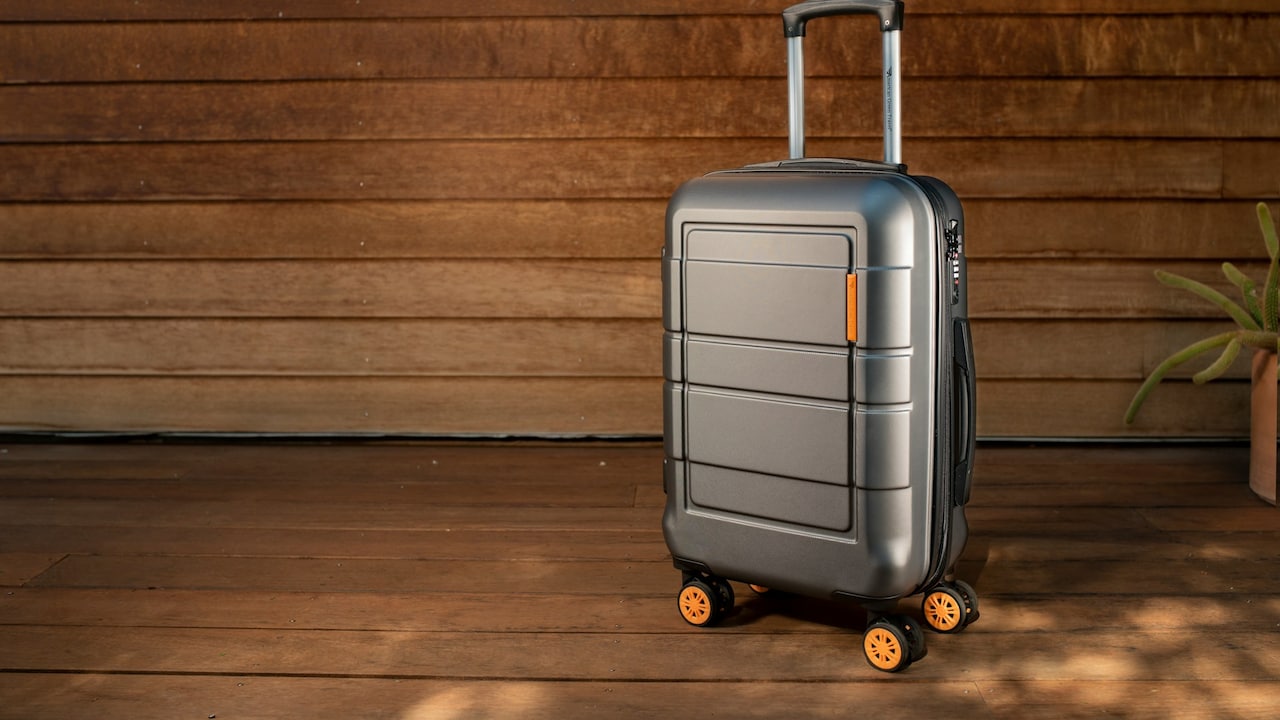
Wheels decide whether a suitcase glides beside you or behaves like a stubborn shopping trolley. Two-wheel cases usually handle uneven pavements well because the wheels sit partly inside the body. However, they must remain tilted while moving, which places more strain on the arm.
Four-wheel spinner cases stand upright and move in several directions. They work beautifully on smooth airport floors, hotel lobbies and tiled stations. Some models use double wheels at each corner, creating eight contact points for better balance. Yet wheel count alone does not guarantee quality. Weak plastic wheels can rattle, wobble or jam after a few journeys.
Push the suitcase forward, pull it backwards and turn it sharply. The wheels should move quietly and remain aligned. Check whether they feel firmly attached to the corners. Exposed wheels may suffer more damage during baggage handling, so sturdy wheel housings matter.
Think about the surfaces you encounter regularly. Smooth spinners suit frequent flyers, while larger, robust wheels cope better with cracked pavements and station platforms. A suitcase that rolls perfectly inside an air-conditioned showroom should also survive the dash from a taxi through monsoon puddles without staging a protest.

Suitcase Buying Guide: Size, Weight, Lock Type And Handle Quality Explained
Photo Credit: Pexels
Examine The Telescopic Handle Quality
A suitcase handle receives constant pulling, twisting and sudden jerks. It deserves more attention than many buyers give it. Extend the telescopic handle fully and shake it gently. A small amount of movement is normal, but excessive wobbling suggests weak construction.
The handle should lock securely at different heights. This feature helps people of varying heights maintain a comfortable posture. A handle that stops too low forces taller travellers to bend, while one that feels too high can strain the wrist. Try walking with the suitcase rather than testing the handle while standing still.
Look at the tubes as well. Aluminium handles generally offer a good balance of strength and weight. Wider tubes may feel stable, though design quality matters more than thickness alone. Check the point where the handle enters the suitcase, since poor mounting can lead to cracks or loose fittings.
The grip should feel comfortable and free from sharp edges. It should not pinch the fingers when pressed down. Also inspect the top and side carry handles. These handles become essential when lifting luggage into a taxi, onto a conveyor belt or over a station footbridge. Soft, reinforced grips make such moments far less unpleasant.
Compare Lock Types And Security Features
Most modern suitcases use combination locks, key locks or locks approved by the Transportation Security Administration, commonly called TSA locks. A combination lock removes the need to carry a tiny key that may vanish into the mysterious depths of a wallet. Choose a model with clear number dials that turn smoothly and remain easy to read.
TSA locks allow authorised security staff at certain airports to inspect luggage using a master key without breaking the lock. They prove particularly useful for international travel. However, a lock cannot make a soft zip or thin shell completely secure. It mainly discourages casual tampering and keeps the zip pulls together.
Some suitcases include built-in locks, while others need a separate padlock. Built-in designs look neat and reduce loose accessories, but replacement may become difficult if the mechanism fails. External locks cost less and remain easy to change.
Avoid relying on locks to protect valuables. Carry passports, jewellery, cash, medicines and essential electronics in cabin baggage. Set a memorable combination, but avoid obvious choices such as 000 or a birth year. Also take a quick photograph of the number in a secure place. Few travel experiences feel sillier than forgetting the code before the first trip.
Inspect Zips, Seams And Shell Strength
Zips often fail before the main body of a suitcase. Open and close every zip several times. The movement should feel smooth, even around corners. Large zipper teeth usually offer better durability, while double-coil or anti-theft designs may resist forced opening more effectively.
Expansion zips provide useful extra space, especially when returning with shopping or gifts. Still, an expanded suitcase can exceed airline dimensions and place additional pressure on the seams. Treat expansion as an occasional convenience, not an invitation to recreate a wardrobe inside the case.
On soft luggage, inspect the stitching around handles, pockets and corners. Loose threads, uneven seams or thin fabric around high-stress areas may signal poor construction. On hard-shell cases, press the panels gently. Some flexibility is normal in polycarbonate, but the shell should not feel brittle or paper-thin.
Pay special attention to corners, since they receive the hardest knocks. Reinforced corners, strong zip tracks and firm wheel mounts improve long-term durability.
Water resistance also helps during rainy journeys, though few ordinary suitcases remain fully waterproof. A protective cover can shield the case from mud and moisture. Even then, place important papers and liquids inside sealed pouches. Suitcases meet puddles more often than advertisements admit.
Review The Interior Layout And Storage
A well-designed interior makes packing easier without adding unnecessary weight. Look for compression straps that hold clothes in place and prevent them from sliding into one crumpled heap. A zippered divider can separate footwear, used clothing or delicate items from the rest of the luggage.
Some hard-shell models open into two equal halves. This layout helps organise belongings but requires more floor or bed space when opened. Soft-shell cases often have one deep compartment, which works well for bulky clothing and irregularly shaped items.
Extra pockets can help, but too many small sections may waste space. A waterproof pocket provides value for toiletries, though liquids should still travel in sealed bags. Mesh compartments allow a quick view of chargers, socks and smaller accessories.
Consider your usual packing style. Those who use packing cubes may prefer a simple rectangular interior. Those who travel for work may appreciate a dedicated shirt sleeve or document section. Families may need clear divisions for different people's belongings.
Check the lining quality and stitching before purchase. Thin fabric can tear when caught in a zip or pressed against sharp objects. A useful interior should feel organised, washable and easy to access, not like a puzzle designed to hide one missing sock.
Balance Price, Warranty And Long-Term Value
A sensible suitcase does not need to carry a luxury price tag. Budget models under ₹3,000 may suit occasional trips, provided the wheels, handle and zips feel reliable. Mid-range options between ₹4,000 and ₹10,000 often offer stronger materials, smoother wheels and better warranties. Premium luggage above ₹10,000 may provide refined design, lighter construction and dependable after-sales service, though the benefits vary between brands.
Focus on cost per journey rather than the purchase price alone. A ₹6,000 suitcase that lasts for six years offers better value than a ₹2,500 model that loses a wheel after two holidays. Frequent travellers should invest more in parts that face constant strain, especially wheels, handles and zips.
Read the warranty terms carefully. Some warranties cover only manufacturing defects, not damage caused by airlines, overloading or normal wear. Check whether the brand has service centres and whether replacement wheels or handles are available.
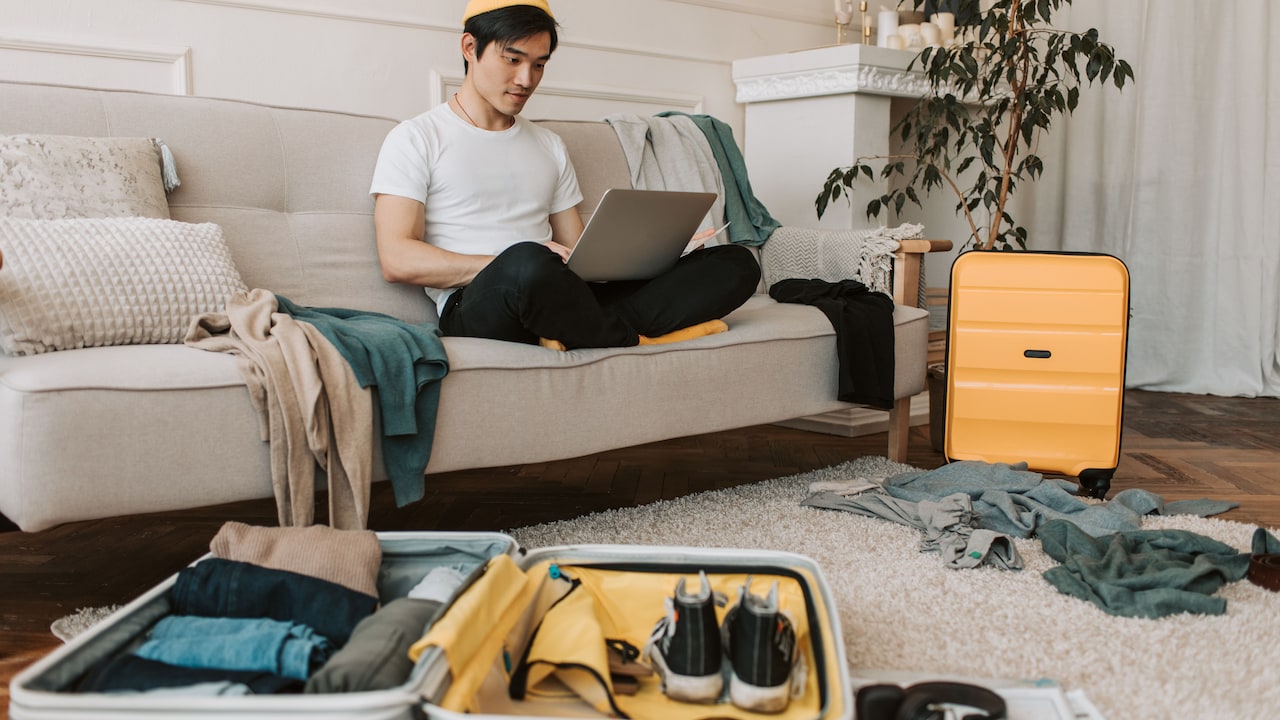
Online discounts can look attractive, but examine dimensions, empty weight and customer feedback before ordering. During an in-store purchase, test every moving part. A stylish suitcase may win attention for a minute, but dependable luggage earns gratitude after years of crowded terminals, bumpy roads and hurried departures.
Suitcase Buying Guide: Size, Weight, Lock Type And Handle Quality Explained
Photo Credit: Pexels
Products Related To This Article
1. Nasher Miles Paris Polypropylene Medium Green Trolley Bag
2. WROGN Kangaroo Hard Cabin Trolley Suitcase
3. Teakwood Leathers Printed Hard-Sided Medium Trolley Bag
4. Aristocrat Comet Green Medium Hard Luggage 66cm Check-in Trolley Bag with Smooth
5. Safari Accent Vanilla Hard Sided 8 Wheel Large Trolley Bag Suitcase
6. LOUIS POLO SkyTrail Textured Hard Sided Medium Trolley Suitcase
7. Skybags Splash Printed Hard-Sided Medium Trolley Bag
The best suitcase does not need the brightest colour, the largest capacity or the longest list of fashionable features. It needs to suit the traveller, the journey and the baggage limits.
Start with the right size, then compare empty weight, shell material, wheels, handles, locks and interior design. Test each moving part wherever possible. Smooth wheels and a firm handle often matter more in daily use than decorative details. Strong zips, reinforced corners and sensible compartments also protect both belongings and patience.
Think about how the suitcase will travel. Frequent flights demand lightweight construction and accurate dimensions. Train and road journeys call for strong wheels, easy lifting and flexible storage. Occasional travellers can choose a reliable budget model, while frequent travellers may save money over time by investing in better materials and service support.
A suitcase quietly accompanies celebrations, work trips, family visits and long-awaited holidays. Choose it carefully, and it will roll through years of journeys without drama. Choose poorly, and it may develop a broken wheel just as the platform announcement begins. In travel, as in life, dependable support makes every journey easier.
(Disclaimer: This article may include references to or features of products and services made available through affiliate marketing campaigns. NDTV Convergence Limited (“NDTV”) strives to maintain editorial independence while participating in such campaigns. NDTV does not assume responsibility for the performance or claims of any featured products or services.)