Bigger Luggage Is Not Always The Best Answer: Why More Space Can Often Be Impractical
A bigger suitcase feels intuitive, but it often brings extra weight, clutter, choices and stress. Travel is easier when luggage stays light, useful and honest.
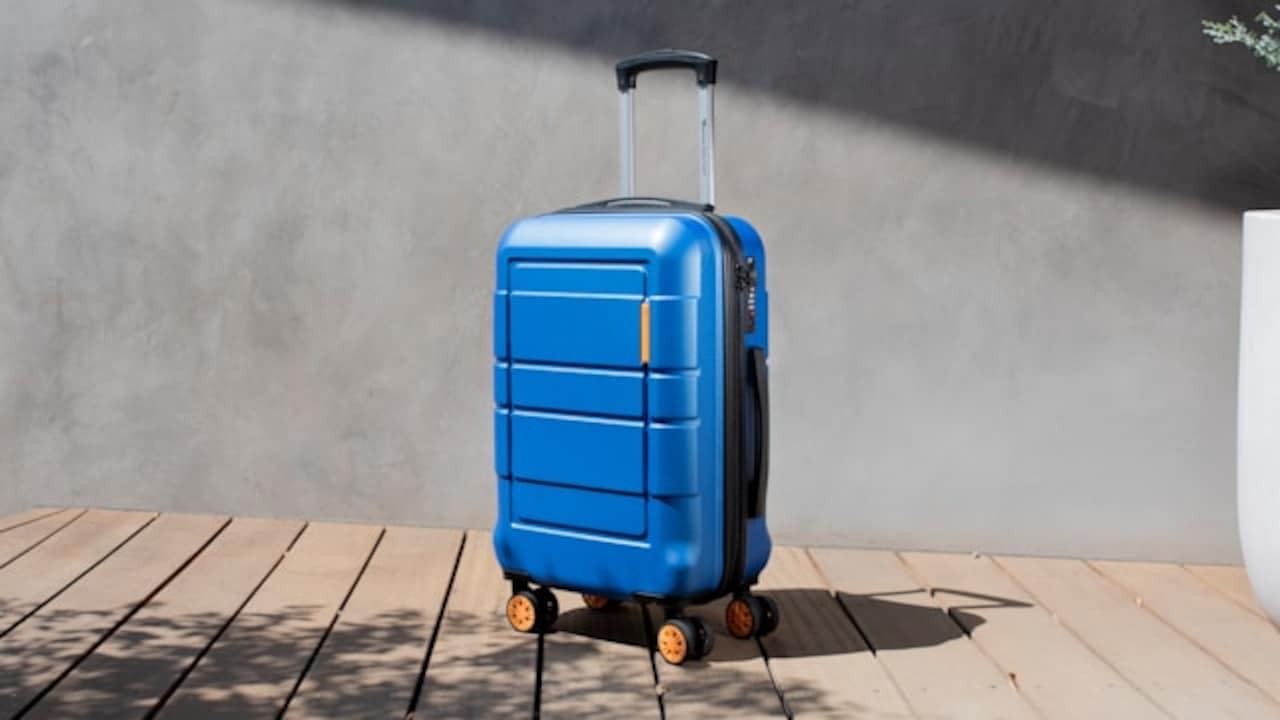
Explore why bigger suitcases may not always solve travel problems
Every holiday begins with hope and a half-open suitcase on the bed. Clothes sit in neat piles. Toiletries wait in a pouch. Someone says, “Take the big suitcase. Why struggle?” That sentence sounds practical, almost wise. After all, extra space should make travel easier. It should end the packing debate, save last-minute panic and leave enough room for shopping from a local market. Then the trip starts. The suitcase refuses to fit into the car boot. It drags like a stubborn buffalo across railway platforms. It topples near the hotel lift. It collects clothes that return untouched, still folded, still judging everyone silently. Suddenly, the “safe option” feels like a small punishment with wheels.
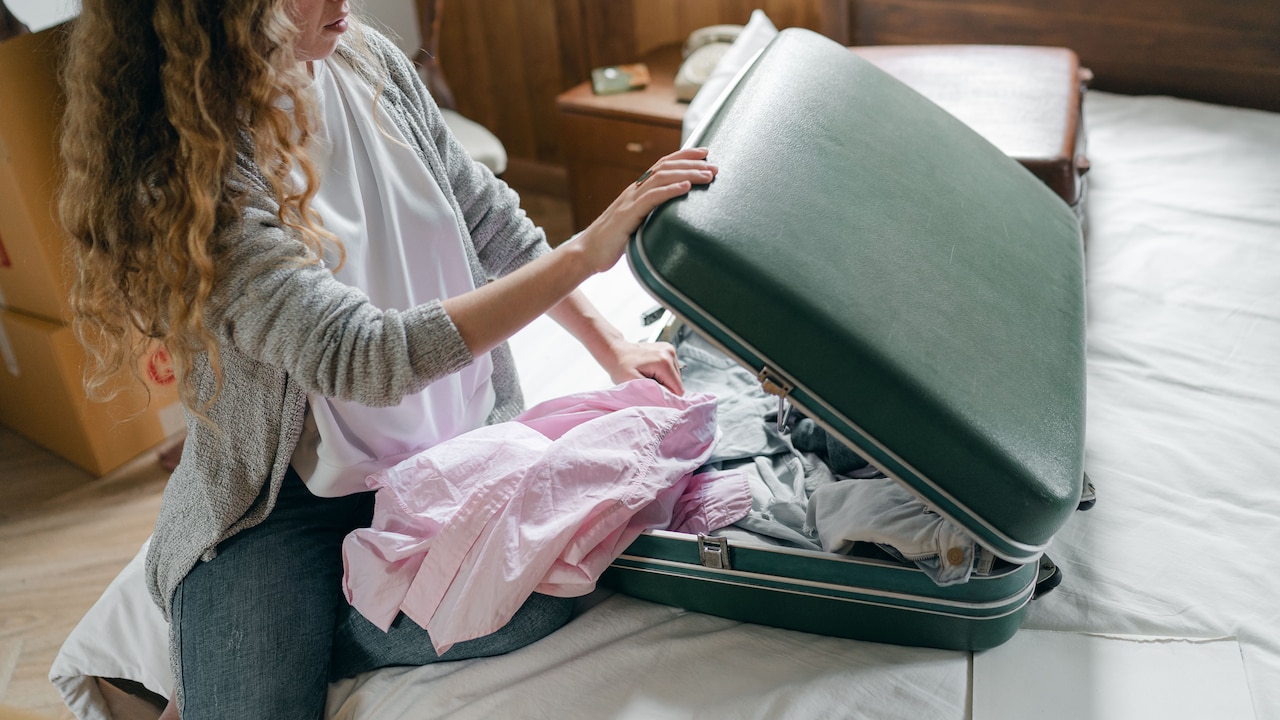
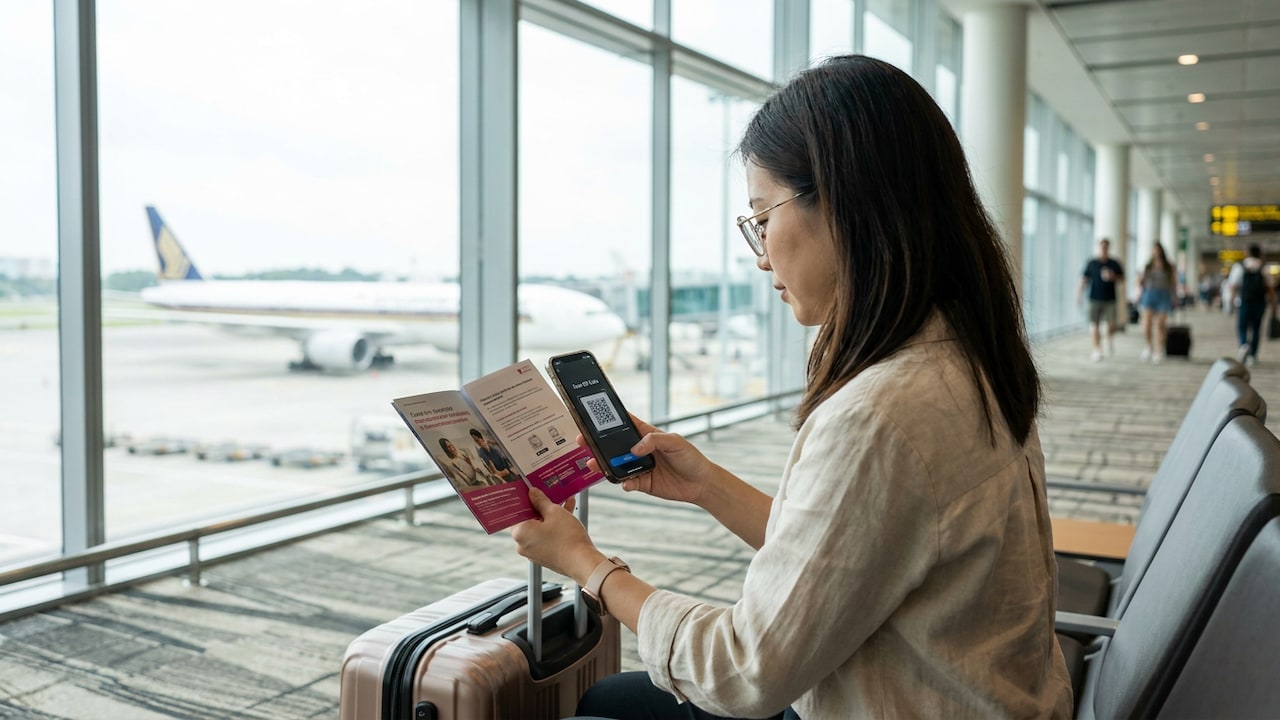
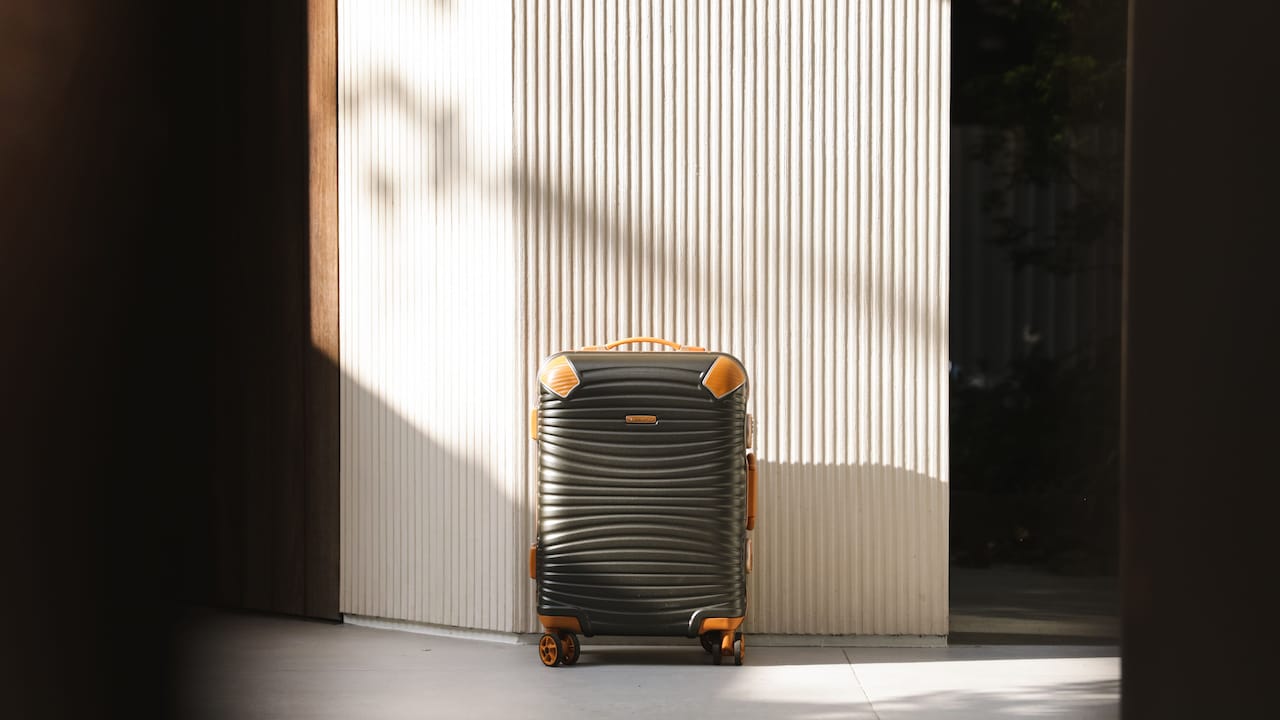
Which is the right suitcase for easy travel; Photo Credit: Pexels
The big suitcase solves everything myth thrives because people fear missing out on comfort. Yet travel rewards clarity more than capacity. A lighter bag brings fewer choices, quicker movement and a calmer head. More space invites more stuff. More stuff invites more stress.
Also Read: 5 Smart Travel Essentials Every Gen Z Packs
Why The Bigger Bag Often Becomes The Bigger Problem
The Comfort Trap Begins At Home
The big suitcase wins the argument before packing even begins. It sits there, wide and inviting, like a spare room with a zip. A small bag demands decisions. A big one whispers, “No need to choose.” That whisper causes the trouble. Three shirts become eight. One pair of sandals becomes three pairs, because one might match a kurta, one might handle rain, and one might look better in photos.
At home, this feels harmless. There is floor space, time, tea and family commentary. Someone folds. Someone refolds. Someone adds a packet of thepla or mathri “for safety”. The suitcase still has room, so the mind keeps searching for gaps to fill. Packing turns from preparation into emotional insurance.
The trap feels comforting because it delays decision-making. Yet every postponed decision travels along. The bag carries clothes, yes, but also doubt. By the time the zip shuts, the traveller has not packed smartly. They have packed anxiety in cotton, denim and bubble wrap.
Extra Space Invites Extra Confusion
A large suitcase creates a strange pressure: empty space must not stay empty. That blank corner near the shoes starts looking wasteful. Soon, a second towel goes in. Then a backup outfit for a dinner that may never happen. Then a woollen layer for a beach holiday, because weather apps cannot always win against family suspicion.
This is how simple packing becomes a full committee meeting. Nobody wants to leave behind something useful. Yet “useful” expands wildly when space allows it. A short trip to Jaipur begins to resemble a month-long relocation. The suitcase swallows options, but those options demand choices later.
At the hotel, the confusion returns. Which top today? Which footwear? Which pouch has the charger? Why did the socks migrate into the snack bag? A smaller bag limits the mess before it starts. A bigger one gives clutter a promotion. It turns every morning into a treasure hunt, except the treasure usually turns out to be a creased shirt and mild irritation.
The Platform Test Exposes The Truth
A suitcase only reveals its true nature at the railway station. At home, it rolls politely across smooth tiles. On a platform, it meets broken patches, rushing crowds, tea vendors, steps, gaps and that one uncle who stops suddenly in the middle of the way. The big suitcase then becomes less of a travel aid and more of a gym subscription.
Anyone who has chased a train with heavy luggage knows this drama. One hand pulls the suitcase. The other guards the phone. The shoulder carries a backpack. The mind calculates coach numbers like a maths exam. A smaller bag turns this moment into movement. A giant suitcase turns it into a public performance.
Even airports do not fully save the day. Trolleys help until the queue begins. Then the bag must stand, shift, lift and weigh in. The extra space that felt luxurious at home now demands handling fees in sweat. Travel always includes moments of hurry. Heavy luggage makes every hurried moment heavier.
Bigger Bags Make Small Rooms Feel Smaller
Budget hotels, guest houses and homestays often teach the most honest packing lessons. A big suitcase enters the room and immediately claims territory. It blocks the cupboard, leans against the chair or opens across the floor like a drawbridge. Now everyone must walk around it, step over straps and negotiate with corners.
This becomes especially funny during family trips. One person wants the mirror. Another wants the charger. Someone has spread clothes on the bed. The suitcase lies open, displaying every “just in case” item like a travelling exhibition. The room may have a lovely balcony, but all attention goes to managing luggage.
Smaller bags respect space. They slide under beds, sit quietly in corners and allow rooms to breathe. Big suitcases turn rooms into storage units. They also encourage unpacking laziness. Why organise anything when the suitcase itself looks like a cupboard? By day three, clean clothes, worn clothes and mystery clothes start living together. Stress grows in that fabric jungle.
Weight Limits Turn Freedom Into Arithmetic
Shopping during travel carries its own joy. A hand-painted bowl from Kutch, spices from Coorg, shawls from Kashmir, sweets from a famous local shop, fridge magnets that seemed charming at the time — all of it feels like part of the journey. The big suitcase promises room for these pleasures. Then the weighing scale arrives like a strict schoolteacher.
Airline baggage limits turn overpacking into arithmetic. Suddenly, every kilo matters. That extra pair of jeans now competes with gifts for cousins. The large bottle of shampoo starts looking like a financial mistake. The suitcase that seemed generous at home may cost extra at the airport. A few excess kilos can turn into a bill of ₹1,500 or more, depending on the airline and route.
Even without flights, weight has a cost. Porters, taxis and aching backs all remind travellers that luggage never travels alone. Someone must lift it, drag it, store it and guard it. Space may look free, but weight always collects payment.
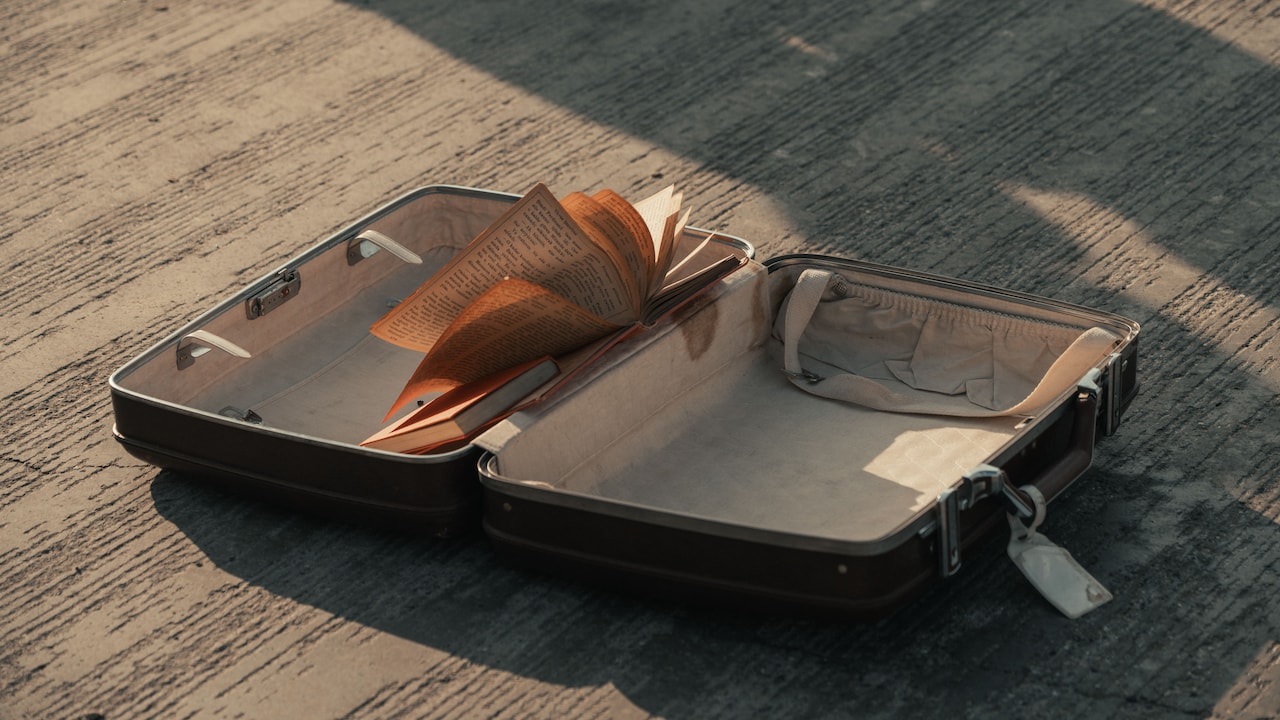
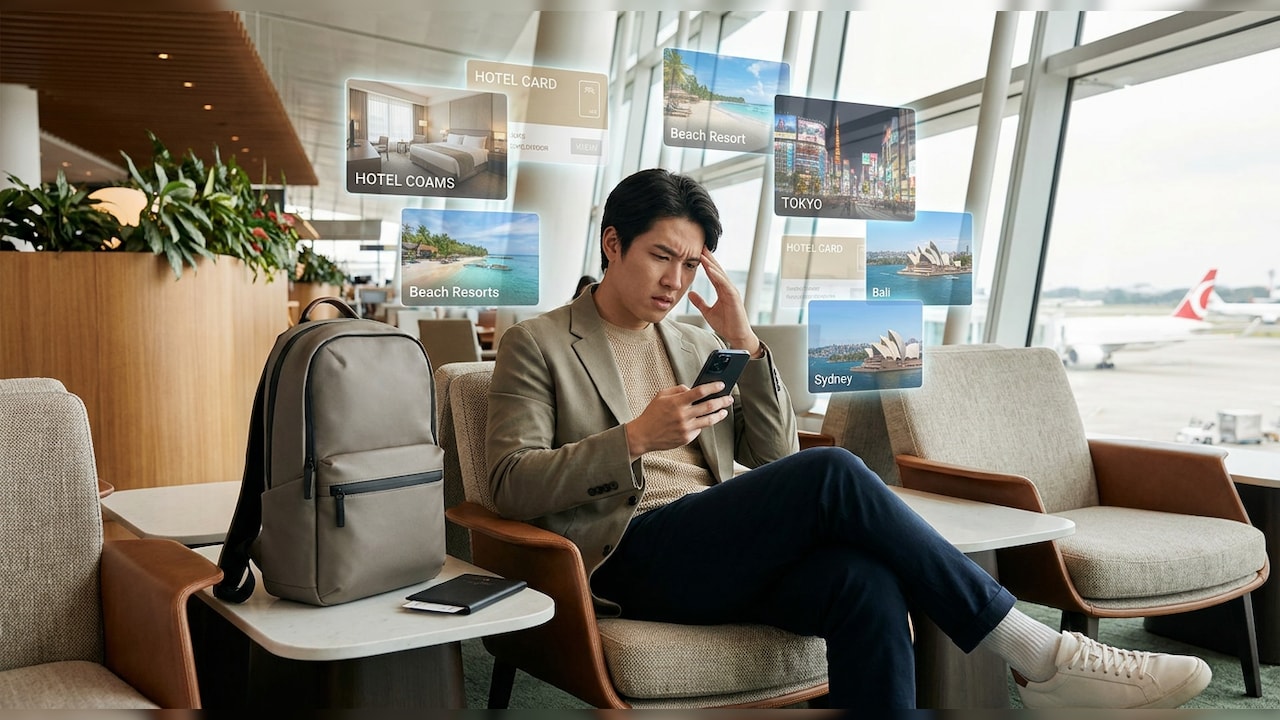
Weight limits turn freedom into arithmetic; Photo Credit: Pexels
Choice Fatigue Travels Quietly
People often pack extra clothes to feel prepared. Yet too many options can steal peace from a holiday. A morning in Udaipur should begin with lake views, hot poha and plans for the day. Instead, it can begin with ten outfit choices and a small debate about what looks “casual but nice”. That sounds tiny, but tiny decisions pile up.
Choice fatigue works quietly. The brain spends energy on small selections before the real day begins. Which shoes will not hurt? Which shirt has fewer wrinkles? Which scarf suits the photos? A compact bag removes half these questions. It allows the day to start faster.
This does not mean travel needs dull clothing or monk-like discipline. It only means fewer, better choices create ease. A good mix-and-match plan beats a suitcase full of random possibilities. When clothes work together, packing feels lighter and mornings feel kinder. The best travel wardrobe does not shout, “Look at all these options!” It says, “Go enjoy the day.”
Family Packing Turns Into Group Anxiety
In many homes, packing rarely remains a solo activity. It becomes a family sport. Someone checks medicines. Someone asks about chargers. Someone adds snacks. Someone insists on carrying extra bedsheets because trust issues with hotel linen run deep. The big suitcase welcomes every suggestion, so nobody has to say no.
That sounds peaceful, but it often creates group anxiety. Each person adds fear in the form of an object. A torch for power cuts. A sweater for a surprise cold. Extra slippers for bathroom uncertainty. A sewing kit for emergencies that may never enter the chat. Soon, the suitcase carries five people's worries, even when only two people travel.
A smaller bag forces kinder boundaries. It makes the traveller ask, “Will this truly help?” That question can feel rude at first, especially when relatives pack with love. Still, love does not need to weigh eight kilos. Care can fit into smart choices, a medicine strip, a phone charger and one sensible snack box. The rest can stay home and bless the trip from the cupboard.
The Return Journey Punishes Overpacking
Packing before departure has excitement. Packing for the return journey is tiring. Clothes smell faintly of hotel cupboards, sunscreen, rain or restaurant smoke. Gifts need cushioning. Receipts appear from nowhere. The suitcase no longer accepts neat folding. It demands wrestling.
This is where overpacking shows its wicked sense of humour. Half the clothes remain unused, yet they must travel back. The “maybe” items become confirmed burdens. The jacket never left the suitcase. The third pair of shoes gathered dust. The emergency formal outfit survived untouched. Still, all of them claim space from actual memories and purchases.
The return journey also lacks the patience of the first day. Everyone wants to reach home, bathe properly and eat familiar dal-chawal. A heavy suitcase slows that comfort. It turns airport exits, cab queues and apartment stairs into final tests. Smart packing respects the return journey. It remembers that travellers come back with more than they carried out: gifts, laundry and a deep desire not to drag unnecessary regret.
Large Luggage Can Steal Spontaneity
The best travel moments often arrive without notice. A friend suggests a quick detour. A local driver mentions a beautiful viewpoint. A café owner recommends a lane with old houses and fresh jalebis. Spontaneity loves light luggage. It dislikes giant suitcases.
Heavy bags make every change feel complicated. Can the luggage fit in the auto? Can someone watch it? Will the hotel allow early storage? Is there a cloakroom nearby? The plan bends around the bag. That feels backwards. Travel should shape the luggage, not the other way round.
Weekend trips show this clearly. A person with a compact duffel can move through bus stands, metros and narrow streets with ease. A person with a large suitcase must scan for lifts, ramps and storage space. The difference affects mood. Lightness brings confidence. Heavy luggage creates hesitation. When a bag becomes too important, the traveller starts choosing convenience over curiosity. That is a costly trade, even without a rupee leaving the wallet.
Smart Packing Feels Like Quiet Luxury
Luxury does not always mean a business-class seat or a resort breakfast with twelve types of bread. Sometimes, luxury means walking out of a station without dragging half a wardrobe behind. It means finding a charger in ten seconds. It means closing the suitcase without sitting on it. It means having enough, not everything.
Smart packing starts with honesty. The trip needs clothes that suit the weather, the plan and the traveller's real habits. Not fantasy habits. Nobody suddenly becomes a linen-suited poet on a hectic family trip unless that person already lives that way. Comfortable footwear beats photo-only footwear. Reusable outfits beat single-use drama. Travel-sized toiletries beat full bottles that threaten to leak like a monsoon cloud.
This kind of packing feels calm because it removes noise. It does not chase perfection. It trusts that most places have shops, laundry options and helpful people. A forgotten comb will not destroy a holiday. A heavy suitcase might not destroy it either, but it can nibble at the joy, one awkward lift at a time.
Products Related To This Article
1. Urban Jungle Polycarbonate 360 Degree by Safari
2. Aristocrat Comet 8 Wheel Cabin (Small Size) Hard Case Trolley Bag
3. SNITCH Loop Cabin Size Black Polypropylene Hard Travel Suitcase
4. Safari Pentagon Pro 8 Wheels 66cm Medium Size Trolley Bag
5. MOKOBARA Polycarbonate The Transit Cabin Pro Luggage
6. DELSEY PARIS Margot 80 cms Large Check-in Polycarbonate Hard Sided
7. Aristocrat Altitude 8 Wheel Cabin (Small Size) Hard Case Trolley Bag
The big suitcase will always look tempting. It offers certainty in a world where trains run late, weather changes and relatives ask whether enough warm clothes have been packed. Yet its promise often turns hollow. More space does not remove stress. It often creates new forms of it: more weight, more choices, more clutter and more responsibility.
Travel becomes easier when luggage supports the journey instead of becoming the main character. A thoughtful small bag can carry comfort, style, medicine, snacks and a little room for memories. It can move through platforms, hotel rooms and winding lanes without demanding constant attention.
The real solution does not lie in the biggest suitcase at the shop. It lies in making better decisions before the zip closes. Pack for the life that will actually happen on the trip, not for every imaginary scene the mind invents at midnight. Leave some space, not just in the bag, but in the day. That is where travel begins to feel light.
(Disclaimer: This article may include references to or features of products and services made available through affiliate marketing campaigns. NDTV Convergence Limited (“NDTV”) strives to maintain editorial independence while participating in such campaigns. NDTV does not assume responsibility for the performance or claims of any featured products or services.)