Top Practical Packing Tips To Maximise Suitcase Space And Travel Light Without Compromising Essentials
Learn why your suitcase fills up too fast and how smart outfit planning, lighter toiletries, better folding, and clever space-saving tricks can make packing easier.
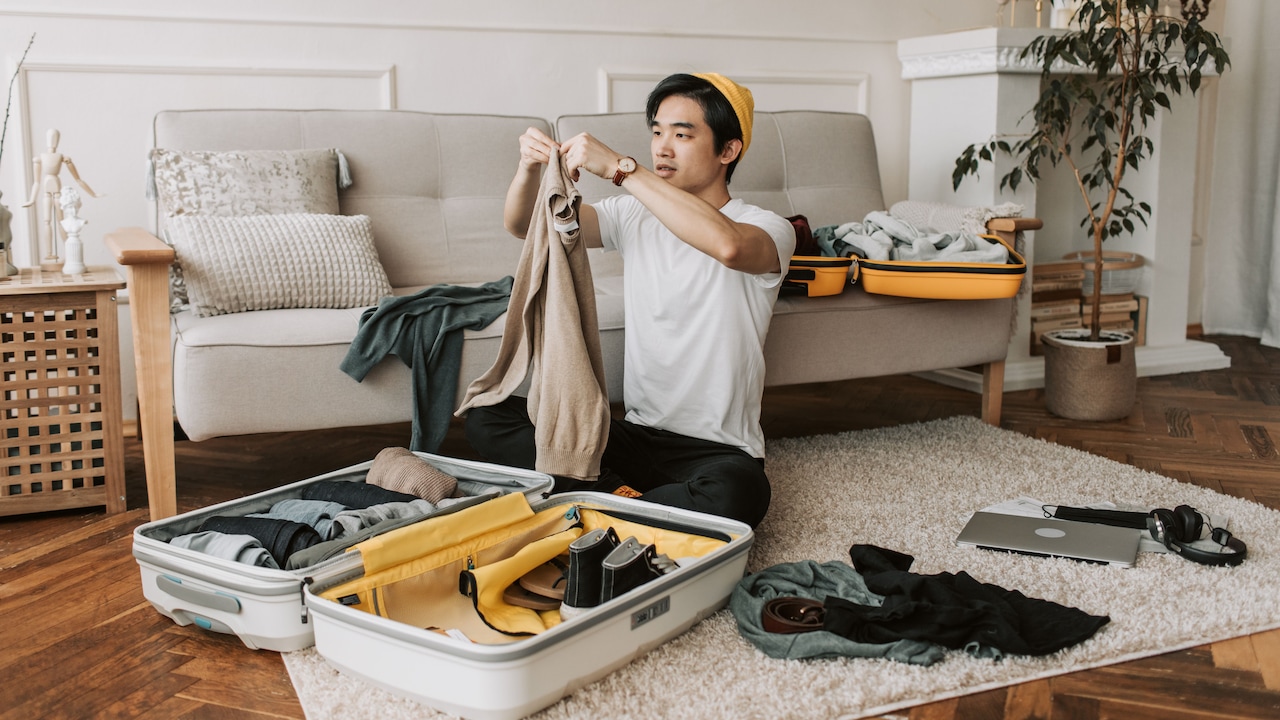
Easy tips to pack your belongings the right way for your next travel plan
Every traveller knows that strange moment. The suitcase lies open on the bed, looking innocent enough. A few clothes go in, perhaps two pairs of shoes, one toiletry pouch, and suddenly the zip starts protesting like it has seen a lifetime of struggle. The trip has not even begun, yet the luggage already feels stuffed. This happens more often than anyone likes to admit. A weekend visit to Goa, a wedding in Jaipur, a work trip to Bengaluru, or a family holiday to Singapore can all begin with the same drama. The suitcase seems roomy at first, then turns into a stubborn steel dabba that refuses to close.
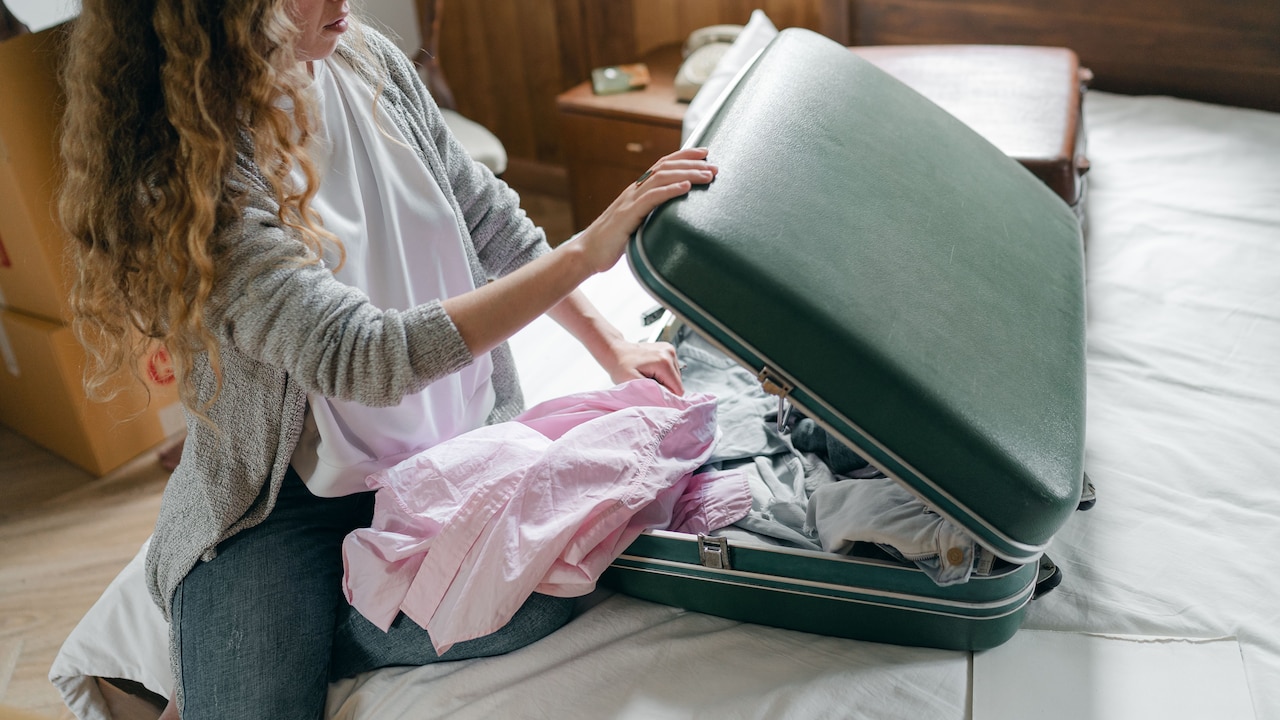
Must-try space-saving packing tips every traveller should try; Photo Credit: Pexels
The truth is simple. Packing is not only about quantity. It is about shape, fabric, placement, habits, and emotion. People pack fear, weather confusion, social pressure, and sometimes a full-size shampoo bottle for a three-day trip. The suitcase does not judge, but it does get full.
Here are ten practical ways to pack smarter, travel lighter, and still carry everything that actually matters.
Also Read: From Work Trips To Long Vacations: Explore Different Luggage Bags For Easy Travel
Top 10 Packing Tips To Make More Room In Your Suitcase
Choose The Right Suitcase Before Choosing The Clothes
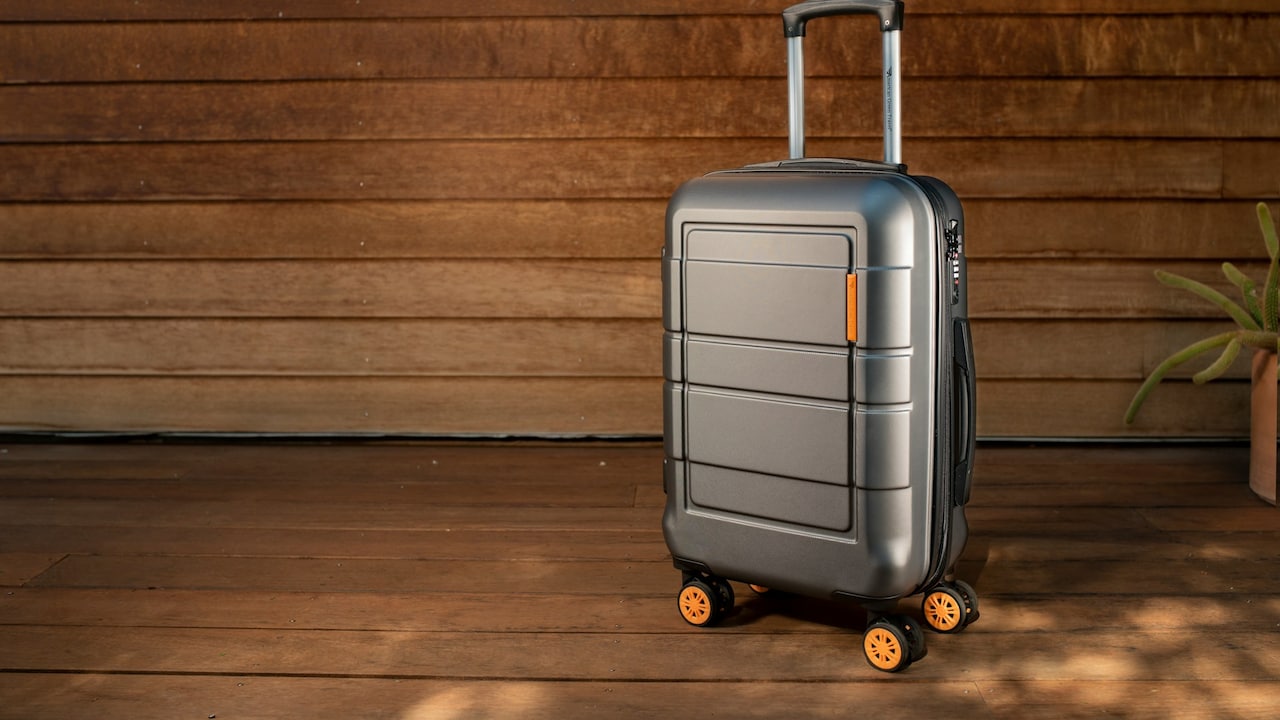
Many packing problems begin before the first kurta, shirt, or pair of jeans enters the bag. The wrong suitcase can make a small load feel bulky. A hard-shell trolley with thick inner lining may look stylish at the airport, but it often offers less usable space than expected. A soft-sided suitcase can stretch a little, though it may lose shape if packed carelessly.
Match the bag to the trip, not to ambition. A two-night visit does not need the same luggage as a ten-day holiday. When the suitcase feels too large, people add unnecessary items just to “use the space”. When it feels too small, they crush everything and blame the zip.
Check the weight of the empty bag too. Some suitcases feel like gym equipment before packing even starts. On budget flights, where every kilo matters, a heavy suitcase can cost extra at the counter. That ₹2,000 surprise never feels pleasant. A lighter, well-structured bag gives clothes room to breathe and keeps packing decisions sharper.
Stop Packing For Every Possible Version Of The Trip
The suitcase often fills up with imaginary situations. What if it rains? What if dinner becomes fancy? What if relatives plan a surprise temple visit? What if the hotel pool looks inviting? Soon, a simple trip turns into a portable wardrobe department.
Planning for possibilities makes sense, but packing for every mood, weather change, and social scene creates clutter. Most trips follow a predictable rhythm. There are travel clothes, casual clothes, one or two slightly dressy options, and sleepwear. That covers more than people think.
The trick is to pack for real plans first. Wedding functions, office meetings, beach walks, family dinners, and sightseeing need different outfits, but they rarely need double backups. One versatile dupatta, a neutral jacket, or a pair of smart sandals can handle many situations.
Think of the suitcase as prime real estate in South Mumbai. Every item must justify its space. A “maybe” item should earn its place. If it does not match at least two outfits or one confirmed activity, it can stay home without hurting anyone's feelings.
Roll Soft Clothes And Fold Structured Ones
Rolling clothes saves space, but it does not suit everything. T-shirts, cotton tops, leggings, nightwear, and casual dresses roll beautifully. They tuck into corners, sit neatly beside shoes, and reduce messy piles. A rolled stack also lets travellers see colours and fabrics at a glance instead of digging through layers.
Structured clothes need a different approach. Blazers, formal shirts, linen trousers, and heavily embroidered outfits behave better when folded carefully. Rolling them can create stubborn creases, especially in humid weather. Nobody wants to reach a destination and spend half an hour begging a hotel iron to behave.
Use both methods together. Roll the soft pieces and place them around the edges. Fold the crisp pieces flat in the middle. This creates a balanced suitcase and prevents odd gaps.
For festive wear, place tissue paper or a thin cotton cloth between folds. It reduces friction and protects delicate work. A lehenga blouse, silk kurta, or sherwani jacket deserves a little respect. After all, clothes with drama should arrive ready for the occasion, not looking like they travelled in a crowded local train.
Build Outfits Instead Of Packing Random Favourites
A suitcase fills quickly when clothes enter it without a plan. One favourite shirt goes in, then jeans that may or may not match, then a kurta because it looks nice, then a skirt from last year's sale. By the end, the bag holds many good pieces but very few complete outfits.
Packing outfits changes everything. Lay clothes on the bed and pair them before packing. Each bottom should work with at least two tops. Each pair of shoes should match several looks. Each accessory should serve a purpose beyond looking pretty in theory.
This method also prevents the classic holiday problem: standing in a hotel room surrounded by clothes and still saying there is nothing to wear. The issue is not a shortage. It is a mismatch.
Choose a simple colour story. Neutrals with one or two bright shades work well. Navy, beige, black, white, olive, maroon, or rust can mix easily. Add one festive or statement piece if the trip needs it. Outfits should feel flexible, not forced. When clothes talk to each other, the suitcase stops shouting for more space.
Control The Shoe Situation Before It Takes Over
Shoes are suitcase bullies. They take space, add weight, and refuse to flatten. One pair too many can ruin an otherwise neat packing plan. Yet shoes often slip in at the last moment because every outfit seems to demand its own footwear.
Start with the pair worn during travel. Choose the bulkiest comfortable pair for the journey, especially sneakers or closed shoes. This frees suitcase space immediately. Then pack one pair for casual use and one dressier pair if needed. For many trips, that is enough.
Avoid carrying shoes for one imaginary outfit. A pair of heels that only works with one dress and hurts after ten minutes does not deserve a free holiday. The same goes for heavy formal shoes on a relaxed trip.
Use the space inside the shoes. Socks, belts, jewellery pouches, or small chargers can fit inside clean shoe bags. This keeps the shape firm and uses empty pockets wisely. Always pack footwear heel-to-toe near the wheels or sides of the suitcase. That placement balances weight and stops shoes from crushing softer clothes.
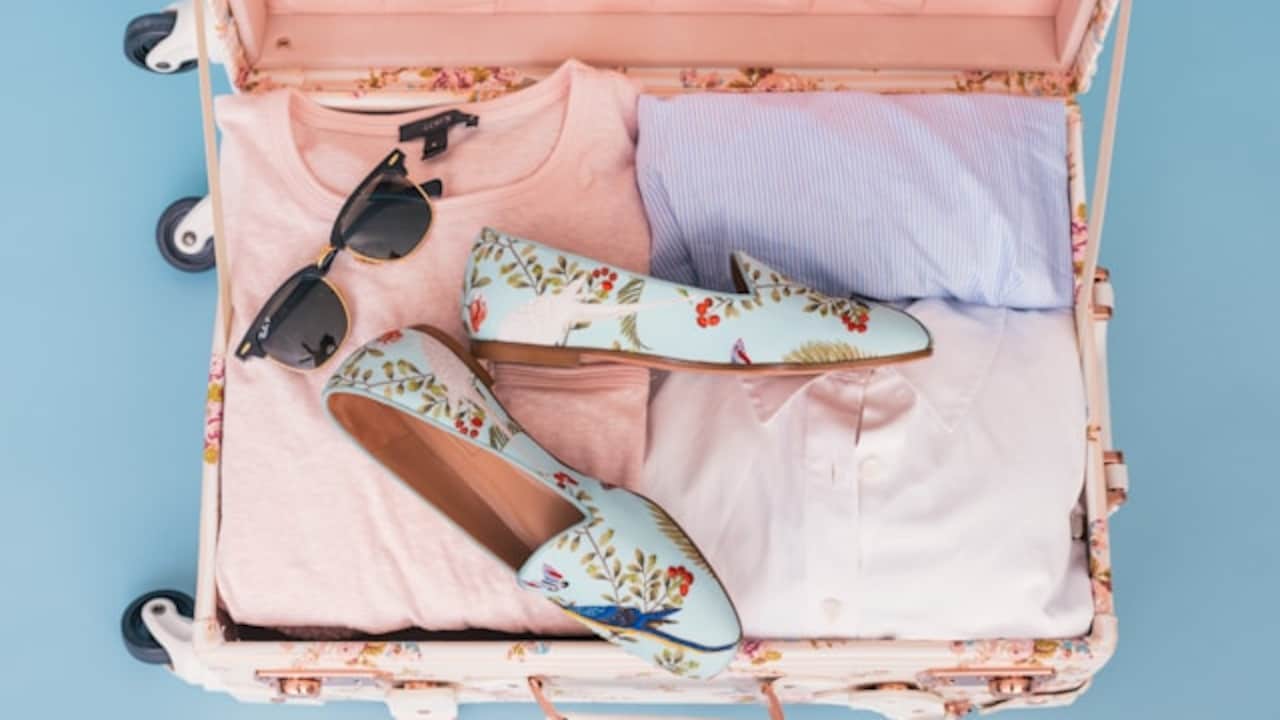
Pack footwear smartly and use space inside shoes or heels to store socks and other small items; Photo Credit: Unsplash
Make Toiletries Travel-Sized, Not Emotion-Sized
Toiletry bags can become shockingly heavy. Full-size shampoo, conditioner, face wash, body lotion, hair oil, sunscreen, perfume, shaving cream, and skincare can quietly occupy half a suitcase. The funny part is that most trips use only a small amount of each.
Travel-sized containers solve this neatly. Fill small bottles with the amount needed for the trip. A three-day journey does not need a 500 ml shampoo bottle. A weekend wedding does not require the entire bathroom shelf. Mini containers, contact lens cases, and small jars work well for creams, gels, and oils.
Carry only products that the skin or hair truly needs. Hotel toiletries may not suit everyone, especially in dry weather or coastal humidity, but that does not mean every backup belongs in the bag. A compact kit with essentials works better than a leaking pouch full of panic.
Seal liquids properly. Place them in a zip pouch or a reusable waterproof bag. One spilt bottle of coconut oil can turn fresh clothes into a regretful science experiment. Toiletries should support the trip, not dominate it.
Use Packing Cubes Or Simple Cloth Pouches
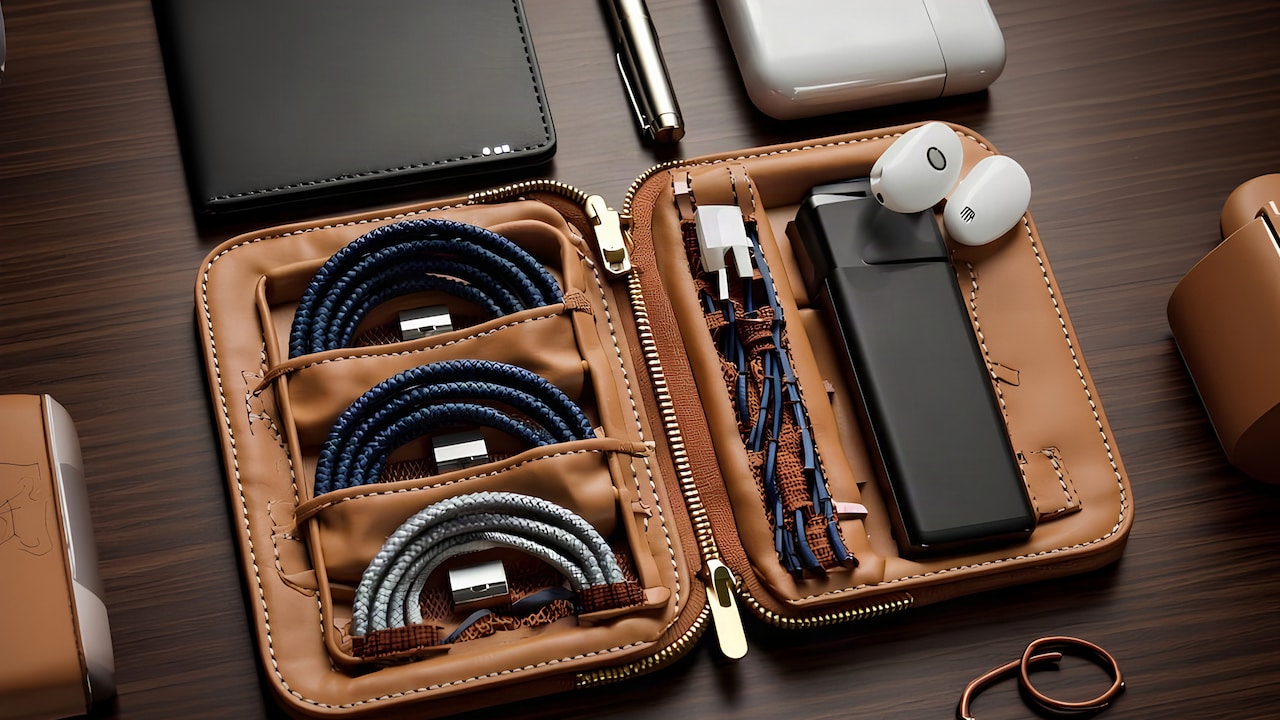
Packing cubes have become popular for a reason. They divide the suitcase into zones and stop clothes from spreading everywhere. One cube can hold tops, another can hold bottoms, and a smaller one can hold innerwear or accessories. This makes unpacking easier and repacking less painful.
Simple cloth pouches work too. Old saree covers, drawstring bags, or clean fabric pouches can do the job without costing much. The goal is not to buy fancy travel gear. The goal is to create order.
A messy suitcase feels fuller because the eye sees chaos. Neatly grouped items compress better and leave fewer awkward gaps. Pouches also help during family travel, where one person's socks can mysteriously migrate into someone else's section.
Keep one pouch for laundry. Dirty clothes expand in attitude, if not in size. Without a separate space, they mix with clean clothes and create confusion. A dedicated laundry pouch keeps the suitcase fresh and makes the return journey easier. Organisation may not sound glamorous, but it saves time, space, and several small arguments.
Keep Heavy Items Low And Gaps Filled
A suitcase has a centre of gravity, though nobody thinks about physics while packing for a cousin's engagement. Heavy items placed randomly make the bag feel awkward and unstable. When the suitcase keeps toppling over near the airport queue, the packing has failed quietly.
Place heavier items near the wheels. Shoes, jeans, toiletry kits, books, chargers, and hair tools should sit at the bottom when the suitcase stands upright. This keeps the bag balanced and easier to roll.
Next, fill gaps with small items. Socks can slide between shoes. Belts can line the edges. Scarves can cushion fragile objects. Innerwear can fit into corners. These tiny spaces matter. A suitcase becomes full faster when empty gaps remain trapped between bulky items.
Avoid creating tall piles in the centre. They make the suitcase bulge and strain the zip. Spread volume evenly across the base. Think of packing like setting a thali. Everything needs its place, and balance makes the whole thing work better. A neat arrangement can make the same number of items feel lighter and calmer.
Avoid Last-Minute Panic Packing
The final ten minutes before leaving the house can destroy the best packing plan. Suddenly, extra snacks, another towel, a second perfume, a random book, and three chargers enter the suitcase. Someone shouts from another room. The cab driver calls. The zip suffers.
Last-minute packing happens because uncertainty meets hurry. To avoid it, keep a small “decision zone” beside the suitcase. Place doubtful items there, not inside. Review them once before closing the bag. Most will not make the cut.
Pack at least a few hours before travel, especially for early morning flights or train journeys. Sleepy packing leads to strange choices. Nobody wants to reach Chennai with two left socks and no toothbrush.
Keep travel documents, medicines, chargers, and wallet items separate from clothes. These essentials deserve a handbag or backpack, not a desperate search under folded jeans. When the suitcase closes before panic begins, travel feels smoother. The mind relaxes, the bag behaves, and the journey starts with less drama at the door.
Leave Space For What Comes Back With You
Packing for departure is only half the story. The return journey usually brings more items: sweets from relatives, spices from a local market, clothes bought during a sale, souvenirs, temple prasad, or gifts that appear without warning. A suitcase packed to its limit on day one leaves no room for day four.
Always leave some empty space. It may feel wasteful at first, but future-you will be grateful. A foldable tote bag can help, but it should not become permission to overpack. Airlines still count weight, and shoulders still complain.
Think about the destination. A trip to Jaipur may tempt with block prints and juttis. A visit to Kerala may bring banana chips and coffee. A hill station holiday may end with woollens nobody planned to buy. Luggage should allow for these little joys.
Leave the outer pocket or one cube partly empty. It creates breathing room for purchases and keeps the return pack manageable. A suitcase should come home with memories, not a zip held together by prayers and one brave safety pin.
Some Top-Rated Luggage You May Like On Amazon
1. Urban Jungle Polycarbonate 360 Degree by Safari
2. MOKOBARA Transit Cabin Luggage Trolley Bag
3. SNITCH Loop Cabin Size Blue Polypropylene Hard Travel Suitcase
-
4. Safari Pentagon Pro 8 Wheels 55cm Cabin Size Trolley Bag
5. Skybags Streax | Check-in Trolley Bag, 76 Cm
6. Aristocrat Comet 8 Wheel Cabin (Small Size) Hard Case Trolley Bag
7. Aristocrat Comet 8 Wheel Cabin (Small Size) Hard Case Trolley Bag
A suitcase feels full before its time because packing often follows emotion more than logic. Clothes go in “just in case”. Shoes multiply. Toiletries grow heavier than expected. Small gaps remain unused, while bulky pieces sit in the wrong places. The result looks familiar: a tired traveller pressing down on the lid while someone says, “Sit on it, it will close.”
Better packing does not mean carrying less joy. It means carrying less confusion. The right suitcase, planned outfits, travel-sized toiletries, sensible shoes, and organised pouches can change the whole experience. A well-packed bag feels lighter even when it holds everything needed.
Travel already comes with enough surprises: delayed flights, platform changes, unexpected rain, and relatives who insist on feeding everyone one more laddoo before departure. The suitcase should not add to the chaos.
Pack with intention. Leave a little room. Trust versatile choices. When the bag closes easily, the journey begins with a rare and beautiful feeling: calm.
(Disclaimer: This article may include references to or features of products and services made available through affiliate marketing campaigns. NDTV Convergence Limited (“NDTV”) strives to maintain editorial independence while participating in such campaigns. NDTV does not assume responsibility for the performance or claims of any featured products or services.)