Waterproof vs. Water-Resistant Backpack: Which Survives A Real Monsoon
Confused between waterproof and water-resistant backpacks? Discover the key differences, real monsoon performance, and how to choose the best one for you.
Waterproof vs. Water-Resistant Backpack: Which Survives A Real Monsoon
The arrival of a monsoon often changes the way we travel. Whether it's a daily office commute, college run, weekend trek, or bike ride home, one unexpected downpour can leave you with soaked notebooks, a damaged laptop, or wet clothes. As rains become heavier and less predictable, more people are looking for backpacks that promise protection from water.
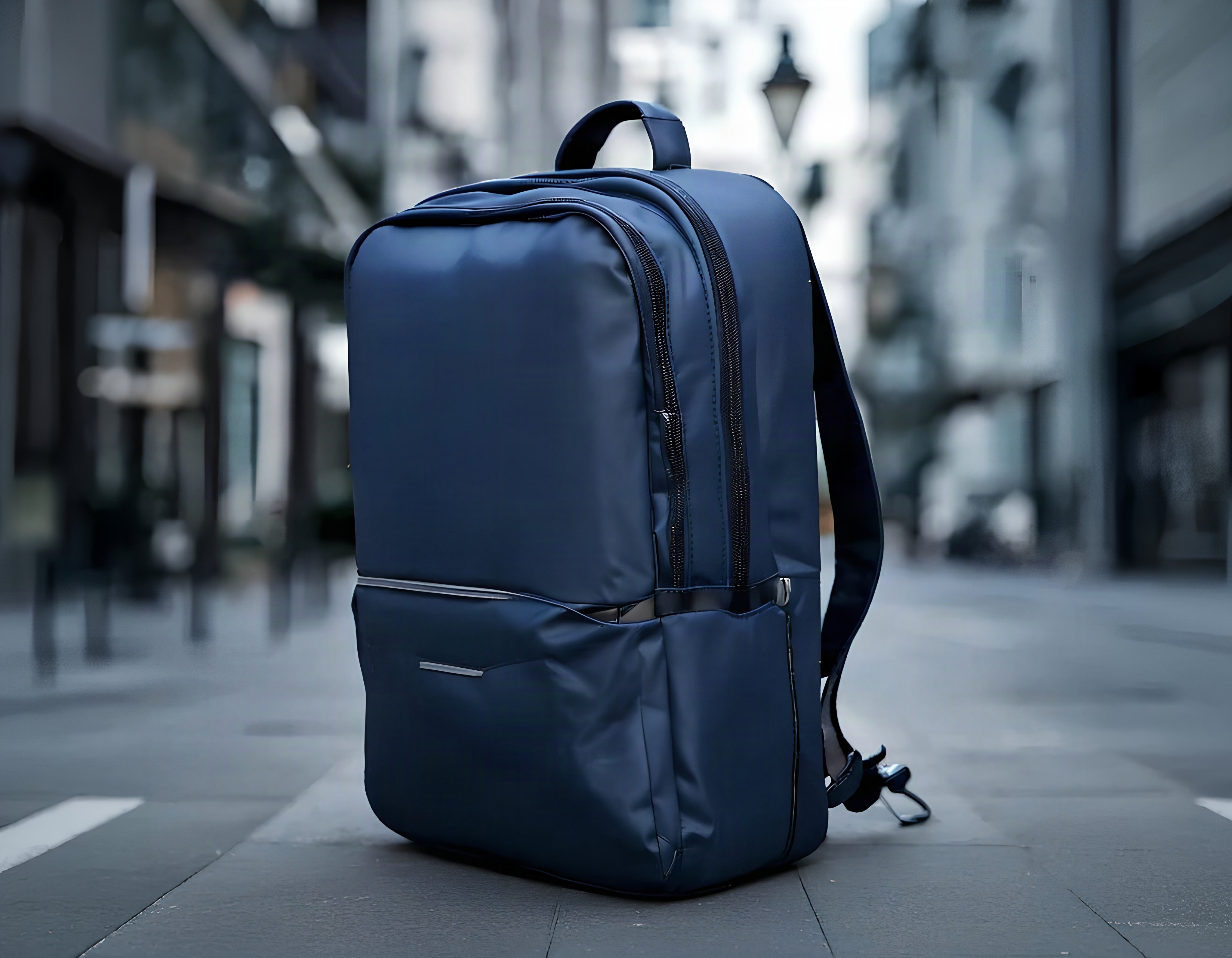
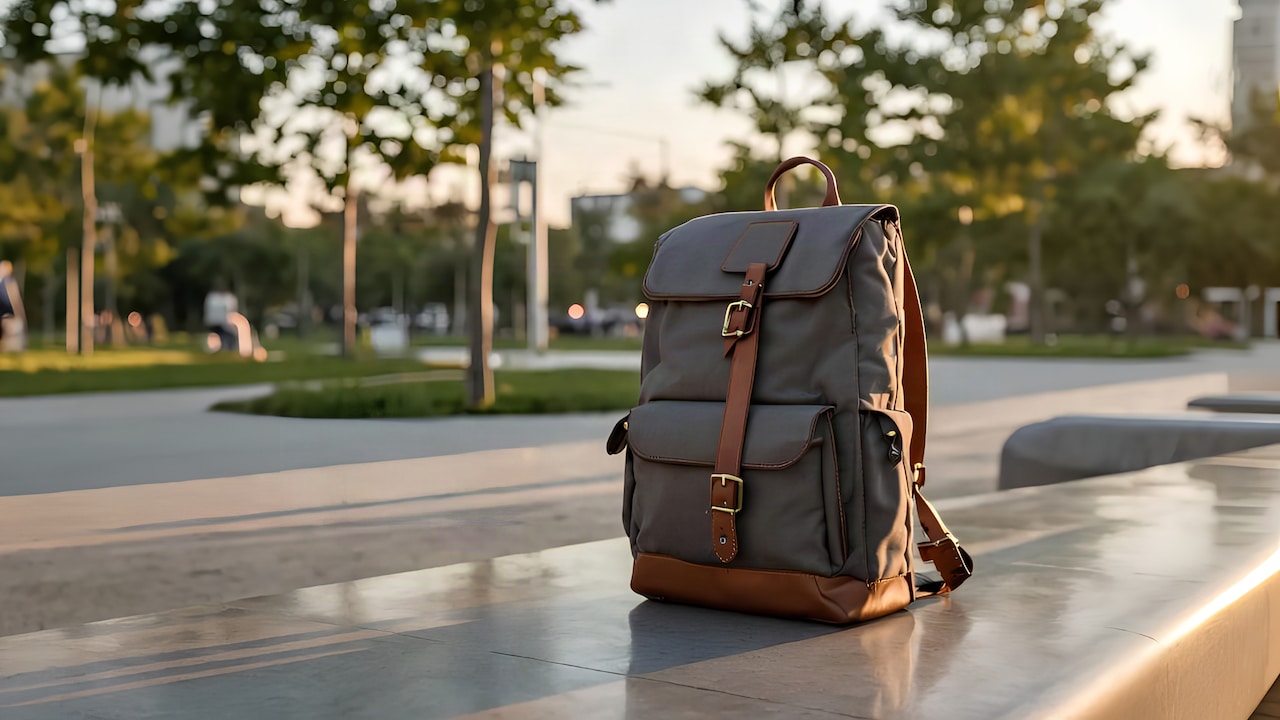
Water-Resistant Backpack Is Meant To Push Away Light Rain
Photo Credit: iStock
But choosing one isn't as simple as picking the bag with the boldest claim on its tag. Is a water-resistant backpack enough for city life, or do you really need a waterproof one? Understanding the difference can save both your belongings and your money. This guide breaks down what each type offers, where they work best, and which one truly survives a real monsoon.
What Is The Difference Between Waterproof And Water-Resistant Backpacks?
These terms are often used interchangeably, but they don't offer the same protection.
A water-resistant backpack is meant to push away light rain and those quick little splash accidents. It commonly has coated fabrics, or tightly woven materials that slow water absorption for a limited span of time.
A waterproof backpack is different, though; it's built so water can't get in even if it's stayed in it for a long while. You'll usually see waterproof fabrics, sealed seams, waterproof zippers, or even a roll top closure system, all working together so whatever is inside stays completely dry.
How Do They Perform During A Real Monsoon?
A brief drizzle and a heavy monsoon shower are two totally different cases.
Water-resistant backpacks usually do just fine during quick walks, speedy commutes, or during light rainfall. But if the weather keeps going and going, continuous rain can still work its way through the material, especially near the zippers and along the seams.
Waterproof backpacks are more ready for heavy downpours, long rides, trekking, boating, or those moments when your bag sits out in the rain for quite a while. They provide much stronger defence for electronics, key papers, and even clothing.
Which Backpack Should You Choose?
The choice depends on your travel habits and the destinations you visit.
If your day-to-day mostly means hopping between home, office, college, or maybe the metro station with not much time outside, then one solid water-resistant backpack is usually fine.
However, if you frequently ride a bike, go hiking, carry expensive gadgets, or spend extended periods outdoors during the monsoon season, then purchasing a fully waterproof backpack provides better safety and greater peace of mind.
Understand Your Daily Commute
Before buying a backpack, think about how much time you actually spend outdoors in the rain.
1. Estimate Your Rain Exposure
If you're outside for only a few minutes between buildings or public transport, water resistance is often sufficient. Longer walks, cycling, or just sitting and waiting at bus stops in heavy rain may mean you need some waterproof protection instead.
2. Consider Your Mode Of Travel
Walking, biking, trekking, and taking public transport expose your bag in very different ways. Riders and trekkers often get stronger rain and constant splashing, so waterproof designs are usually the smarter investment.
Think About What You Carry
The items inside your backpack matter just as much as the weather.
1. Protect Electronics
Laptops, tablets, cameras, and chargers can get kind of expensive to swap out. If you often bring electronics along, a waterproof construction gives an extra safeguard when it's pouring out there, like in heavy rain situations.
2. Carry Important Documents Safely
Moisture can quickly damage office files, notebooks, certificates, and books. A waterproof backpack helps lower the chance of soaked paperwork during sudden showers or random weather moments.
Also Read: Your Search For The Perfect Backpack Ends Here: Top 5 Under ₹2000 On Myntra
Check The Backpack's Features Before Buying
Not every rain-ready backpack offers the same level of protection.
1. Look At The Fabric
Materials such as TPU-coated fabric, PVC-coated polyester, and durable nylon tend to stand up better against water than plain canvas or untreated polyester usually does, even if they look similar.
2. Inspect The Zippers And Seams
Water usually comes in through the weak spots, not so much the fabric itself. Sealed seams, covered zipped closures, and waterproof zipper designs significantly enhance overall protection.
3. Check For Roll-Top Or Rain Cover
Roll-top closures stop water from slipping in through the opening, while detachable rain covers give extra shelter when there are sudden downpours. Some backpacks even bring along a built-in rain cover system, so you don't have to add anything later.
4. Balance Protection With Comfort
Waterproof materials can make backpacks feel a bit heavier and, in a way, less breathable occasionally. If you plan to carry it for long hours, think about padded shoulder straps, add some ventilation panels, and also pay attention to how the weight is distributed.
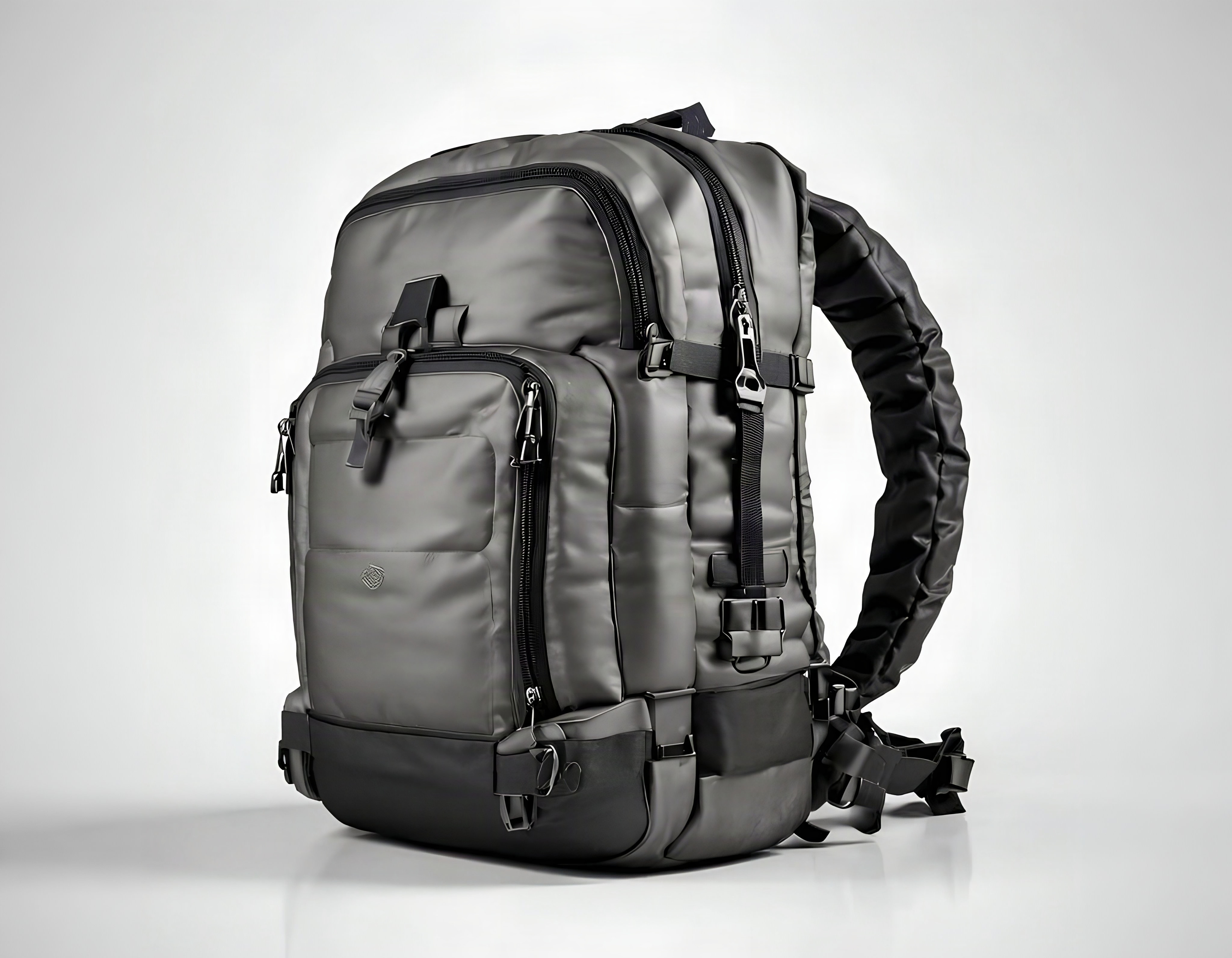
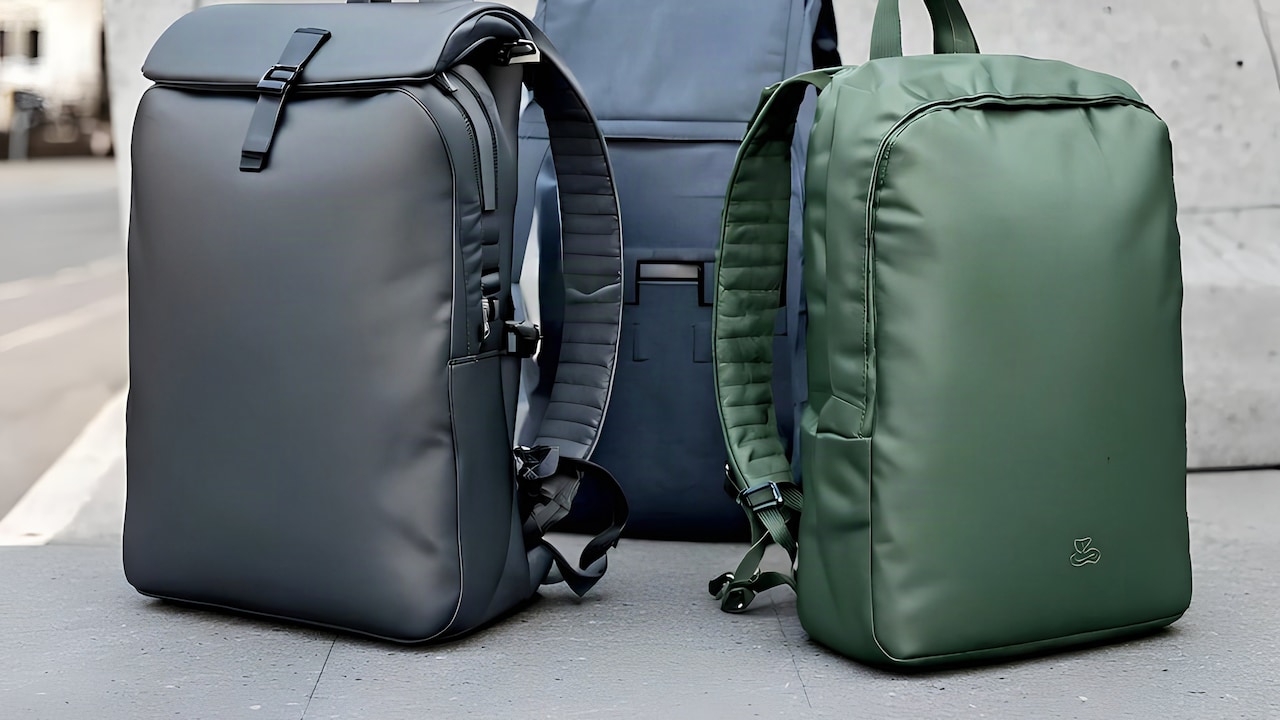
Waterproof Backpack: Built to keep water out, even during prolonged exposure
Photo Credit: iStock
Top Backpack Options To Consider
1. MOKOBARA The Transit Water-Resistant Backpack
2. Arctic Hunter Travel Water-Resistant Backpack
3. Red Lemon BANGE Captain Business Water-Resistant Smart Backpack
4. Gear Water Resistant Faux Leather Anti Theft Laptop Backpack
5. Boldfit Rolltop Bags for Mens 45 Ltrs+ Unfolded Backpack
6. Generic Large Capacity Waterproof Backpack
7. Spiffy SMALL Foldable Waterproof 30L Casual Backpack
8. Leosportz Sports Drawstring Waterproof Backpack
When it comes to surviving a real monsoon, a waterproof backpack is the clear winner for maximum protection against heavy rain, water splashes, and prolonged exposure to wet conditions. However, if you mostly commute between home, office, or college and only encounter occasional drizzles, a water-resistant backpack can offer sufficient protection at a more affordable price. The right choice ultimately depends on your travel habits and weather exposure. If you frequently step out during the rainy season and carry valuables like laptops, cameras, or important documents, investing in a waterproof backpack can save you from unexpected monsoon mishaps and keep your belongings safe and dry.
Frequently Asked Questions (FAQs)
1. Is a water-resistant backpack enough for heavy rain?
Not usually. Water-resistant backpacks usually deal with light rain and a quick shower, but after a while, if it's prolonged or heavy downpours, they can let water slip in, even slowly through the seams or materials.
2. Are waterproof backpacks completely waterproof?
High-quality waterproof backpacks with sealed seams and waterproof closures can give you excellent protection, but honestly the results depend on how the closure is done and the general build overall, not just the materials.
3. Which is better for carrying a laptop during monsoon?
A waterproof backpack is often the safer pick if you're regularly lugging a laptop or other electronics around in rainy weather, and you don't want that extra worry about sudden splashes.
4. Can I make a water-resistant backpack waterproof?
Using a rain cover or a waterproof backpack liner can help in some way, but it also won't give you the same level of performance as a backpack that was built for waterproof use in the first place.
5. Is a waterproof backpack worth buying for everyday use?
If you live in an area with frequent heavy rainfall or commute by bike or on foot, a waterproof backpack can be a worthwhile investment. Otherwise, a quality water-resistant backpack is often sufficient. Shop now on Amazon.
(Disclaimer: This article may include references to or features of products and services made available through affiliate marketing campaigns. NDTV Convergence Limited (“NDTV”) strives to maintain editorial independence while participating in such campaigns. NDTV does not assume responsibility for the performance or claims of any featured products or services.)