Carry-On Cabin Bags Getting Rejected At Boarding? Airline Luggage Size Rules Explained
Cabin bags getting stopped at the boarding gate are now common. From size and weight limits to airline-specific rules, here’s a clear breakdown of why bags get rejected and how travellers can avoid last-minute fees and stress.
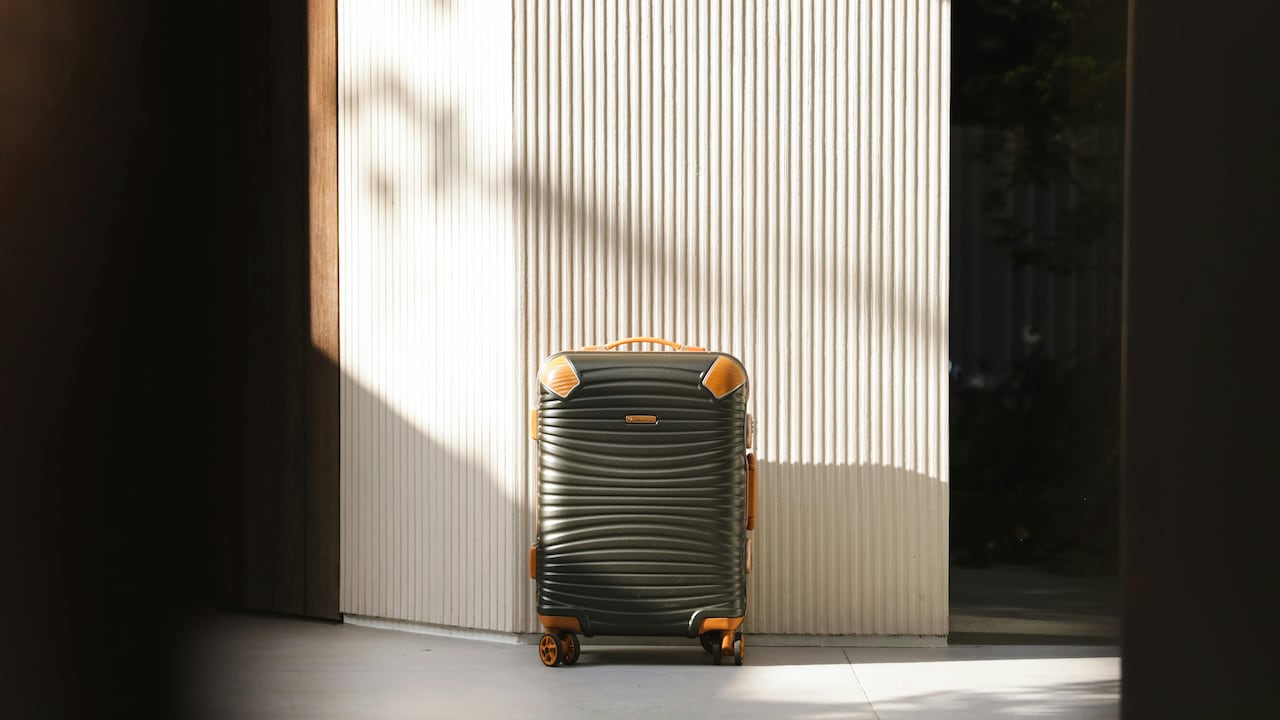
If Your Cabin Bags Are Getting Rejected at Boarding, Here Are The Airline Carry-On Size Rules To Know.
Air travel has changed. Flights feel fuller, overhead bins feel smaller, and airline staff appear stricter than ever. Cabin baggage, once a relaxed affair, now comes with rules that can catch even frequent flyers off guard. A backpack collection that sailed through dozens of trips suddenly gets rejected. A trolley bag bought after careful measurement still fails the test at boarding.
This confusion frustrates travellers, especially when tickets already cost a fair bit and last-minute fees hurt the wallet. Many people assume cabin bag rules stay the same everywhere. That assumption often leads straight to the baggage counter, debit card in hand.
Understanding why airlines enforce these rules helps travellers pack smarter and move through airports with confidence. This article explains how cabin baggage limits work, why enforcement feels random, and what actually fits within airline expectations. From size and weight to handles and wheels, every detail matters more than most people realise.
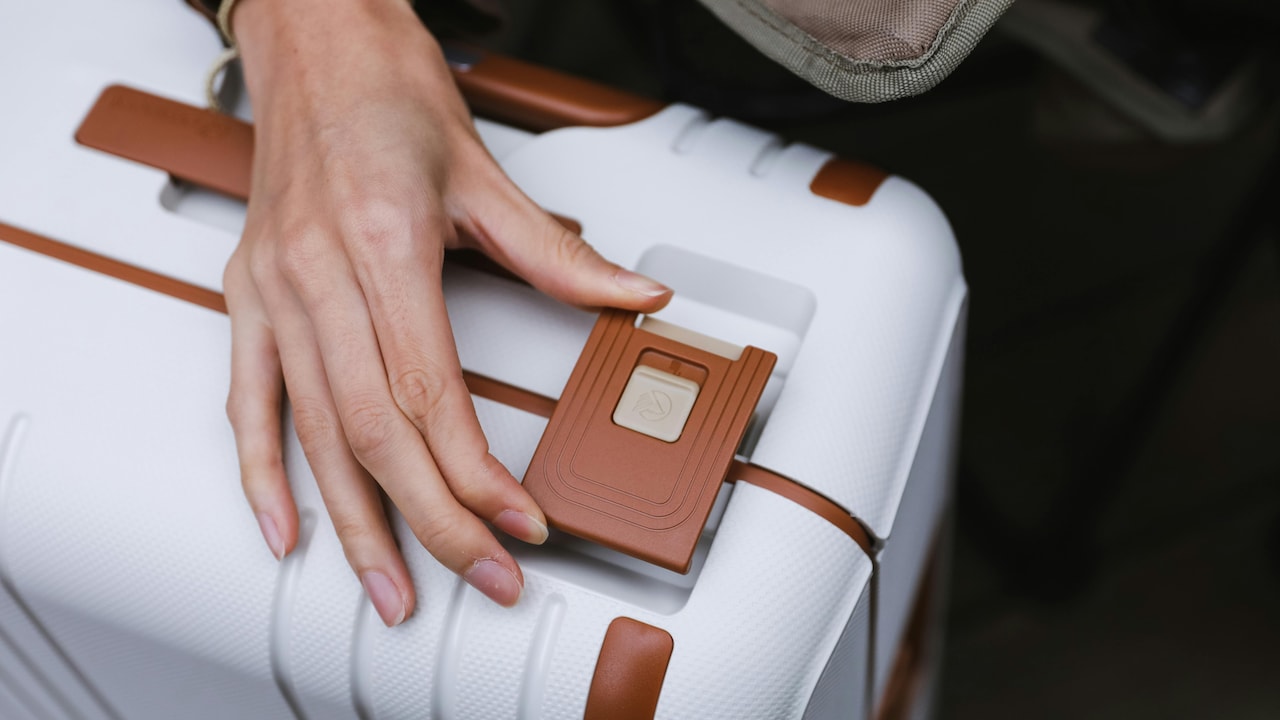
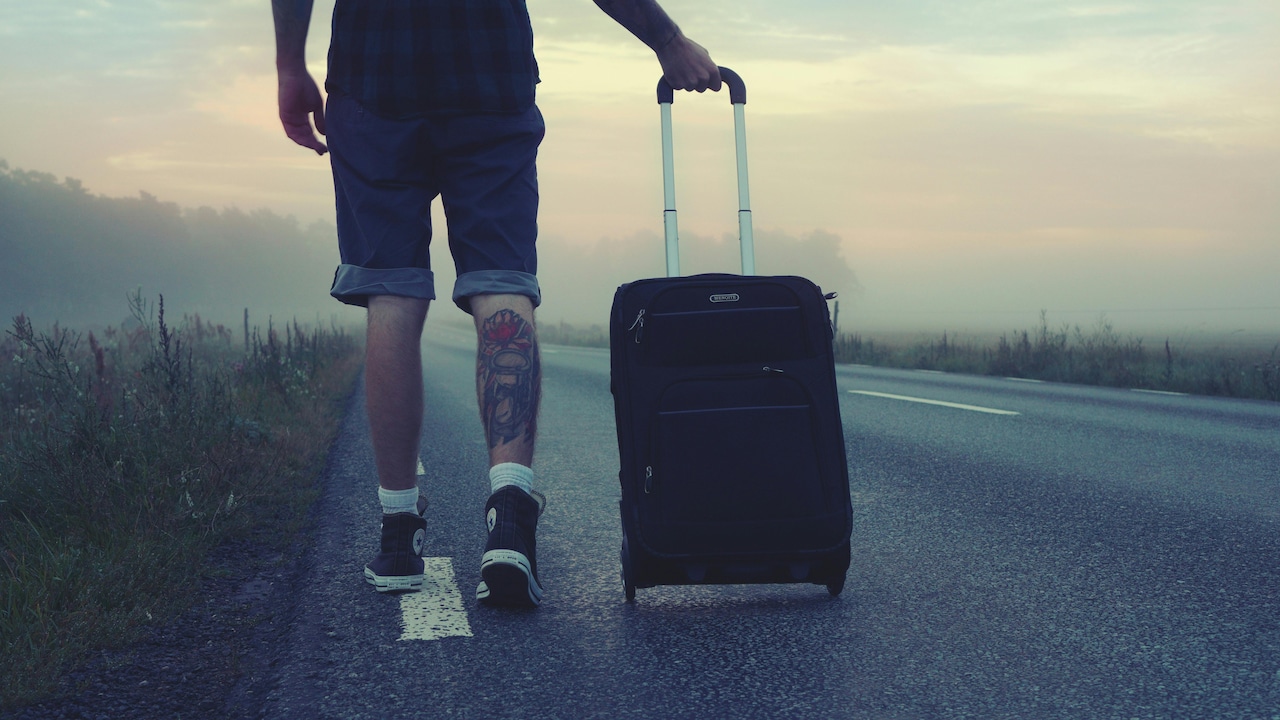
Carry-On Cabin Bag Rules Explained: Why Airlines Stop Bags At Boarding; Photo Credit: Pexels
What Every Flyer Needs to Know About Cabin Baggage Rules
1. Why Airlines Care So Much About Cabin Bag Size
Airlines do not wake up with a mission to annoy passengers. Cabin bag rules exist because space inside an aircraft remains limited. Overhead bins must shut properly. Emergency aisles must remain clear. Safety regulations leave no room for guesswork.
Modern flights often run at near full capacity. Every extra cabin bag adds pressure on shared space. When bins overflow, boarding slows down. Delays ripple across the day. Airlines respond by tightening checks, especially at busy airports.
Low-cost carriers feel this pressure even more. Faster turnaround times keep costs down. Extra cabin bags disrupt that rhythm. Enforcing size limits helps crews manage boarding smoothly and stick to schedules.
From a traveller's perspective, the logic may feel harsh. From an airline's view, consistency keeps operations predictable. Once this balance tips, staff step in. That is when a bag that “looked fine” suddenly gets flagged at the gate.
2. Standard Cabin Bag Dimensions: The Big Misunderstanding
Most travellers remember one set of cabin bag dimensions and assume it applies everywhere. That memory usually comes from older airline policies. Reality has shifted.
Cabin bag size includes wheels, handles, and side pockets. Many bags advertised as “cabin-friendly” ignore this detail. The main compartment may fit limits, but the wheels push it over by a few centimetres. That difference matters at boarding.
Weight adds another layer of confusion. A bag can meet size rules yet fail weight checks. Seven kilograms remains common, but some airlines allow only five. Others permit more, but only with premium fares.
The metal sizer near the boarding gates tells the final truth. If the bag slides in easily, all good. If it sticks, rules apply. No debate, no negotiation. Knowing exact limits for each airline saves time, stress, and money.
Also Read: 5 Best Cabin Trolley Suitcases Under ₹2000, From Safari To Aristocrat, You Can Buy Now
3. Why Bags Pass Security but Fail at Boarding
This scenario baffles many flyers. The bag cleared security. Why stop it now?
Security screening focuses on safety threats, not airline policies. Their job ends once the bag passes the scans. Airline staff step in later to enforce commercial rules.
Gate checks happen when flights run full or when bins already look crowded. Staff then become stricter. A bag that passed unnoticed earlier now draws attention.
Visual judgement plays a role too. A bulky-looking bag invites inspection faster than a sleek one. Even if dimensions match, perception matters. That feels unfair, but human judgment creeps into the process.
The lesson stays simple. Passing security does not guarantee cabin approval. Boarding gates mark the final checkpoint. Preparing for that moment reduces surprises.
4. Budget Airlines vs Full-Service Airlines: The Rule Gap
Not all airlines treat cabin baggage the same way. Budget carriers often bundle baggage into fare types. A basic ticket may allow only a small personal item. A trolley bag costs extra.
Full-service airlines usually include a standard cabin bag. That inclusion creates a sense of comfort, but limits still apply. Staff may appear lenient, yet enforcement rises during peak travel seasons.
Budget airlines rely heavily on ancillary fees. Cabin baggage forms a major revenue stream. Clear rules support that model. Full-service airlines focus more on passenger experience, but safety and space still win in the end.
Understanding this gap helps travellers choose wisely. A cheaper ticket may cost more later if baggage rules are ignored. Comparing fares without baggage details paints an incomplete picture.
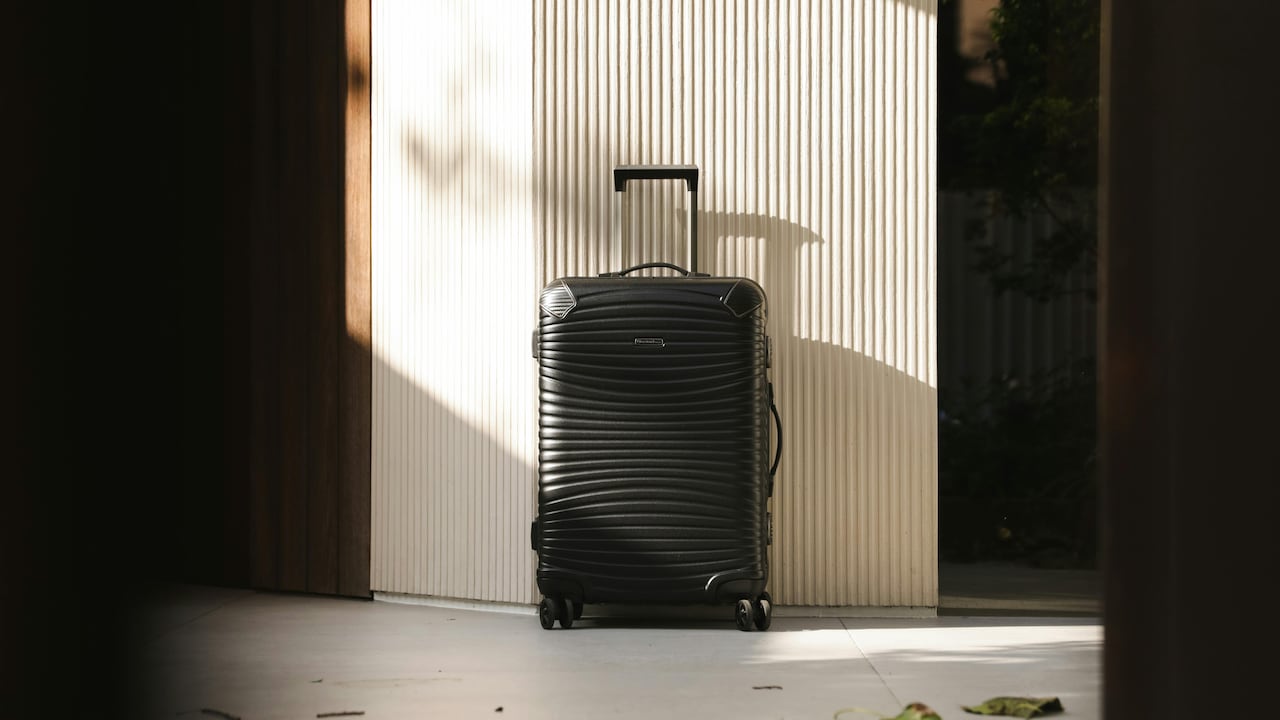
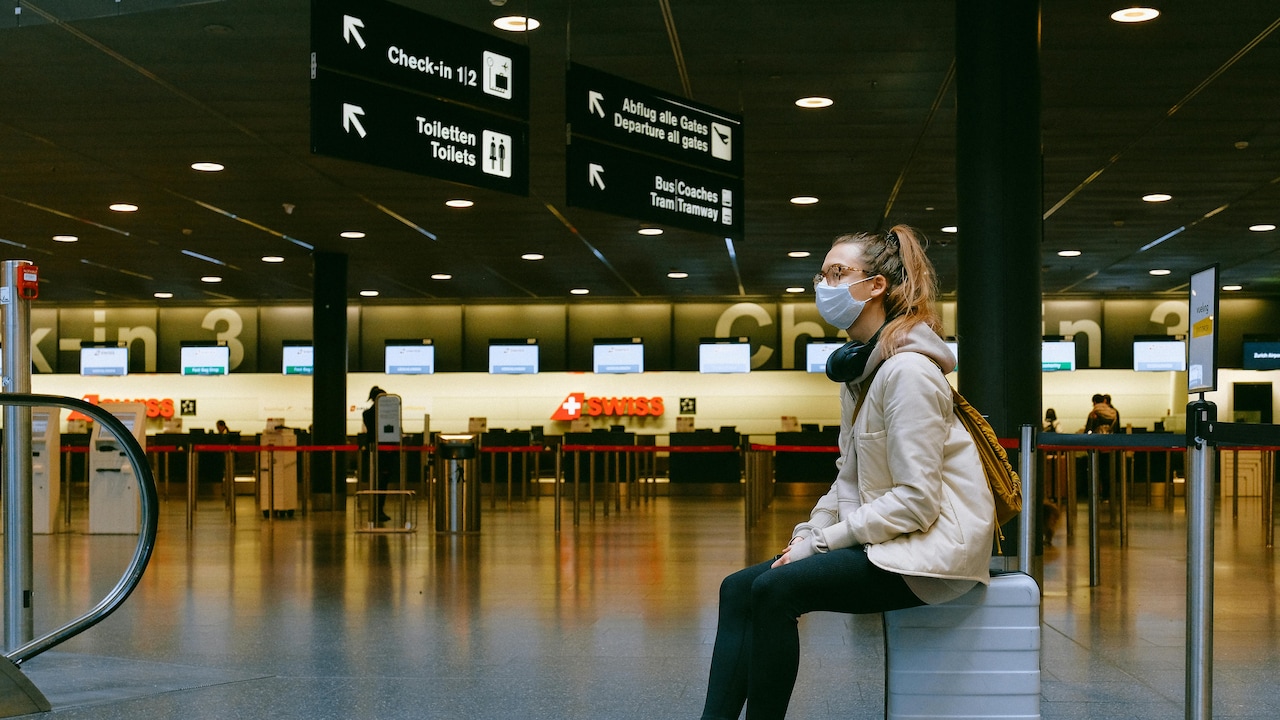
Carry-On Cabin Bag Rules Explained: Why Airlines Stop Bags At Boarding; Photo Credit: Pexels
5. Common Mistakes That Get Cabin Bags Rejected
Overpacking tops the list. A bag that fits when empty bulges once packed. Zips strain, pockets expand, and shape changes. Sizers do not forgive bulges.
Soft bags cause trouble, too. Flexibility helps during packing, but the staff judges by outer dimensions. A soft bag stuffed tight rarely slides into sizers smoothly.
Ignoring weight limits also backfires. Laptops, chargers, and power banks add up fast. A bag may feel manageable, yet cross limits easily.
Another mistake involves duty-free shopping. Extra bags count as cabin items. Some airlines allow this. Others do not. Assuming flexibility often leads to conflict at boarding.
Each mistake feels small alone. Combined, they create the perfect storm at the gate.
6. The Psychology of Gate Checks and Traveller Anxiety
Gate checks trigger anxiety instantly. The queue watches. Conversations stop. Everyone waits to see who gets stopped next. That social pressure adds to the frustration.
Airline staff face pressure too. They manage time, safety, and passenger emotions at once. Strict enforcement protects operations but strains interactions.
Travellers often react emotionally. Arguments start. Voices rise. Outcomes rarely change. Rules stay firm once invoked.
Approaching gate checks calmly helps. Removing heavy items beforehand reduces weight. Wearing jackets with pockets shifts the load subtly. Cooperation often speeds resolution.
Understanding the emotional dynamic makes the experience easier. It turns confrontation into a brief inconvenience rather than a travel disaster.
7. How Airlines Measure Bags: More Than Just Numbers
Airlines rely on sizers, not measuring tapes. These metal frames represent the maximum allowed space. If the bag fits without force, it qualifies.
Staff do not measure centimetres manually. They judge ease of fit. Forcing a bag inside counts as failure.
Weight checks vary. Some airlines weigh every bag. Others check selectively. Staff often target bags that look heavy or oversized.
Handles and wheels create most failures. They push dimensions just beyond limits. Bags with protruding features suffer more than compact designs.
Choosing luggage designed with airline limits in mind reduces risk. Flat profiles, recessed wheels, and minimal pockets make a difference.
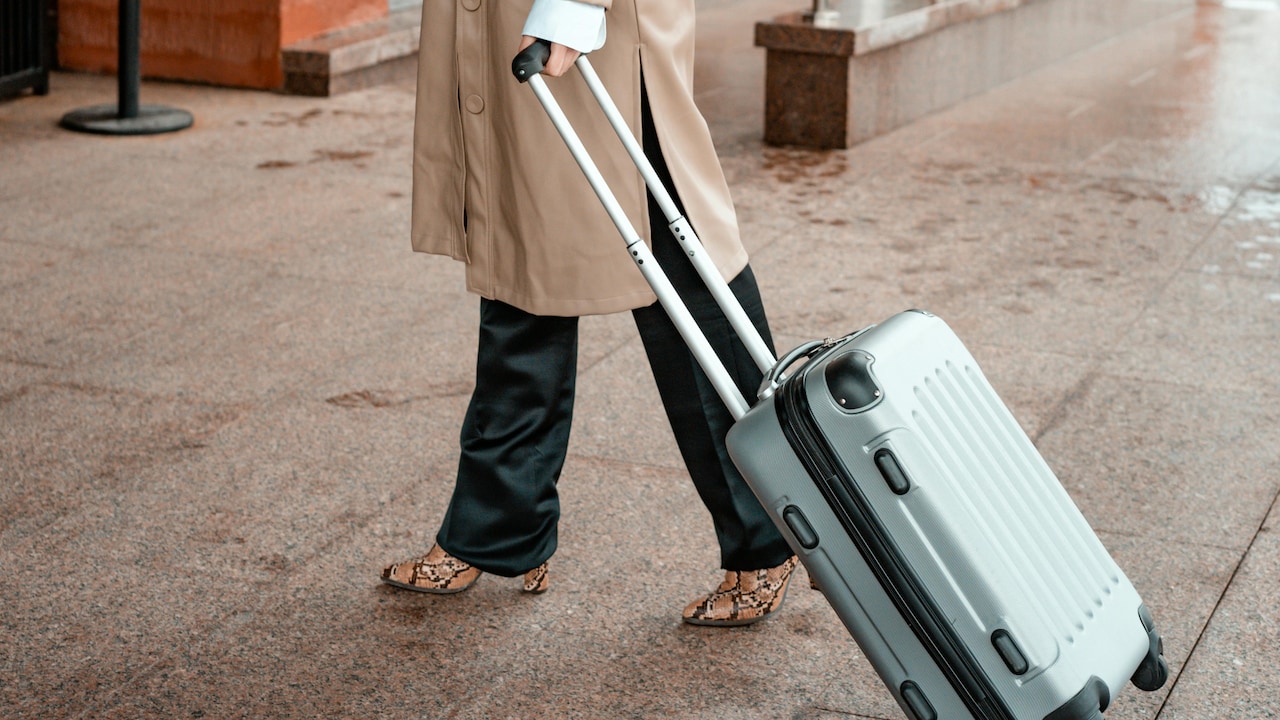
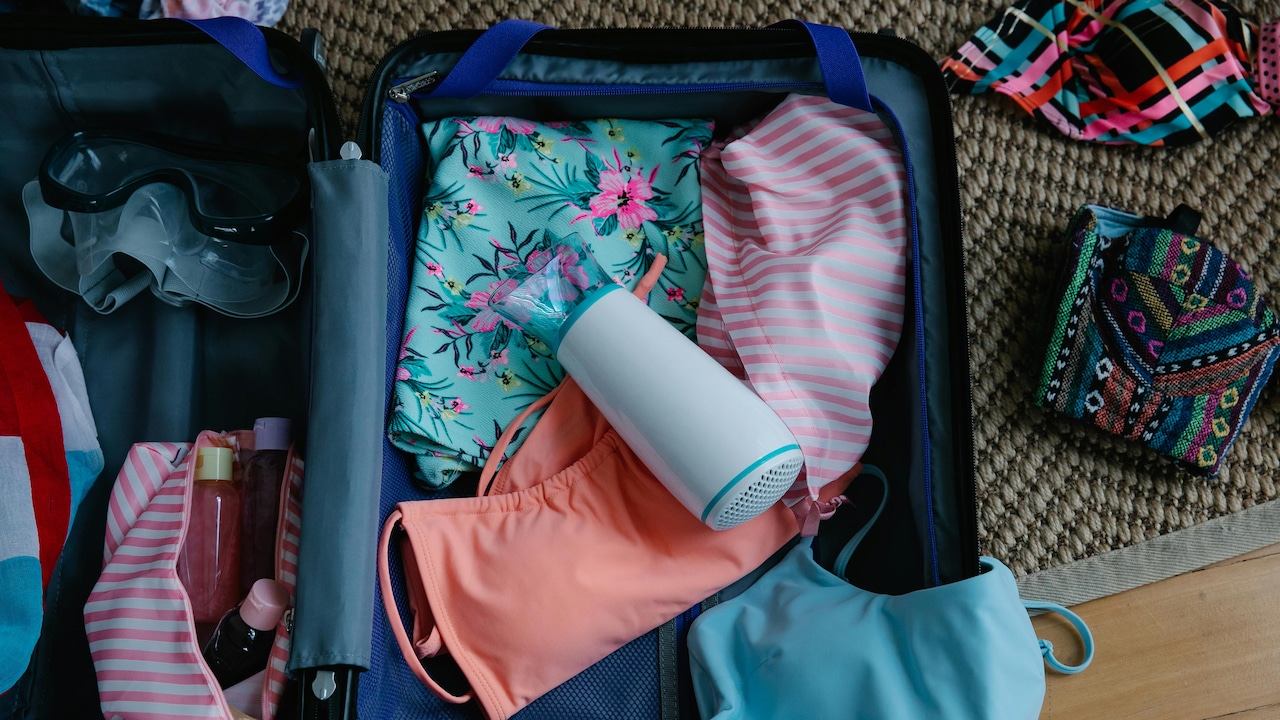
Carry-On Cabin Bag Rules Explained: Why Airlines Stop Bags At Boarding; Photo Credit: Pexels
8. Smart Packing Strategies That Actually Work
Packing smart beats packing more. Rolling clothes saves space. Compression bags help, but overuse creates rigid shapes that fail sizers.
Heavier items belong in personal items where allowed. Laptops, books, and chargers fit better under seats. That shift reduces cabin bag weight instantly.
Wearing bulkier clothing works wonders. Jackets, sneakers, and layers move weight off the bag.
Leaving room matters. A bag packed to the brim loses flexibility. A little space allows it to adapt inside sizers.
Planning purchases helps too. Duty-free items add bulk fast. Choosing smaller items or packing foldable totes prevents trouble later.
9. The Cost of Ignoring Cabin Bag Rules
Gate check fees sting. Charges often exceed online baggage prices. ₹2,000 can quickly become ₹5,000 at boarding.
Time costs add up, too. Delays during boarding affect connections. Stress spills into the rest of the journey.
Embarrassment plays a role. Few enjoy public bag checks. That moment sticks longer than the flight itself.
Ignoring rules rarely pays off. Airlines design fees to discourage non-compliance. Preparation always costs less than correction.
Understanding rules upfront protects both wallet and peace of mind.
10. Choosing the Right Cabin Bag for Frequent Travel
The right bag removes half the stress of flying. Look for airline-compliant dimensions rather than marketing labels.
Hard-shell bags offer structure and a predictable shape. Soft bags allow flexibility but demand discipline while packing.
The weight of the bag itself matters. Lightweight designs leave more allowance for belongings.
Personal items deserve attention, too. A compact backpack that fits under seats expands carrying capacity without breaking rules.
Investing in the right bag pays off over time. Fewer gate checks. Faster boarding. Smoother journeys.
Products Related To This Article
1. Safari Thorium Royale 8 Wheels 55cm Cabin Trolley Bag Hard Case Carry-on Polycarbonate Luggage
2. Kamiliant American Tourister Cabin Harrier 56 Cms Small Polypropylene Hard Sided 4 Wheeler Spinner Wheels Carry-On Luggage
3. FUR JADEN The Aviator 65cm German Polycarbonate Travel Luggage Check-in Suitcase with 8 StealthTech Silent Shock Absorbing Wheels
4. Tommy Hilfiger Cabin Luggage Patrick - Black
5. United Colors of Benetton Cabin Hard Luggage Glide
6. Aristocrat Chromium Cabin 55 Cm
7. Nasher Miles Paris Hard-Sided Polypropylene Cabin Luggage White 20 Inch
Cabin bag rejections rarely happen without reason. They stem from space limits, safety rules, and operational pressure. What feels sudden at the gate often reflects planning decisions made much earlier.
Understanding airline luggage rules empowers travellers. It replaces guesswork with clarity. Packing smarter, choosing the right bag, and respecting limits turn airport stress into routine motion.
The next time a metal sizer appears at the gate, confidence matters. A well-prepared bag slides in. Boarding continues. Travel begins without drama.
(Disclaimer: This article may include references to or features of products and services made available through affiliate marketing campaigns. NDTV Convergence Limited (“NDTV”) strives to maintain editorial independence while participating in such campaigns. NDTV does not assume responsibility for the performance or claims of any featured products or services.)