Kedarnath Yatra 2026: 10 Must-Have Items For The 16-Km GaurikundTo Kedarnath Trek
Kedarnath Yatra 2026 is expected to attract thousands of pilgrims as the temple opens in April. The 16-km trek from Gaurikund requires preparation and the right gear. Here are 10 must-have essentials every pilgrim should carry for a safe Kedarnath trek.
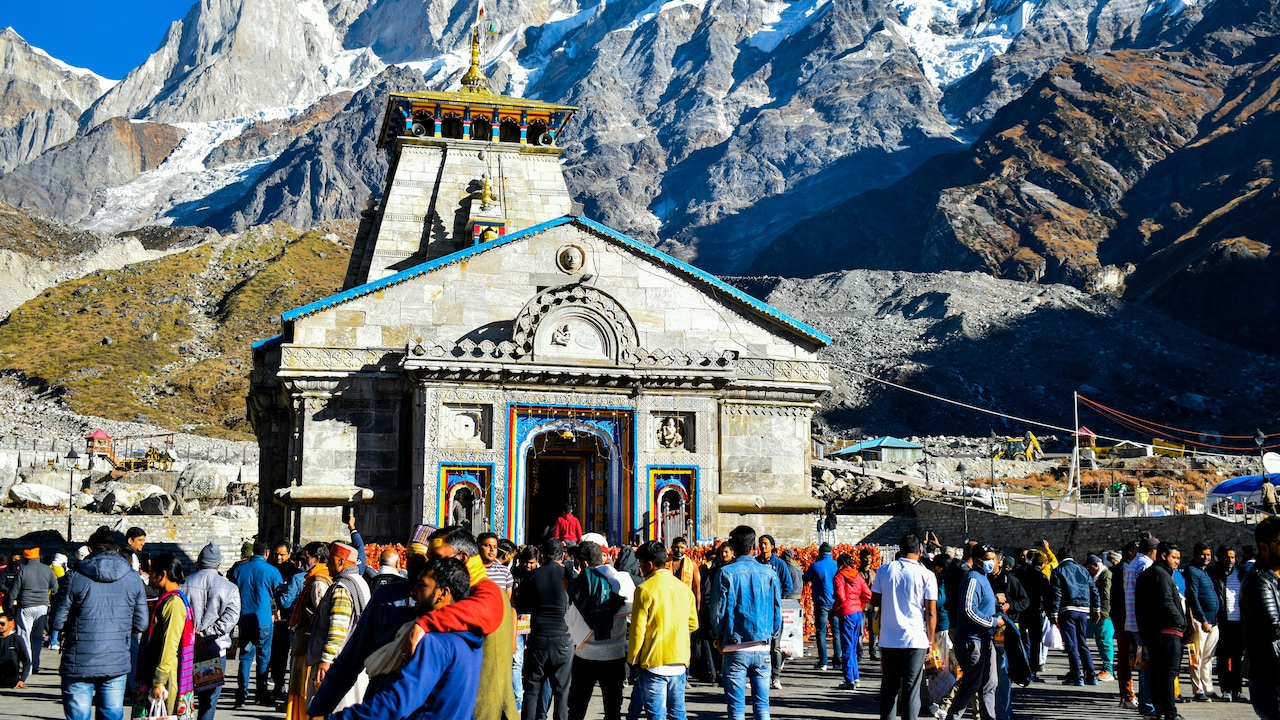
Char Dham Yatra 2026: How to plan your trip and complete the 16km Gaurikund Kedarnath Trek
The journey to Kedarnath does not begin on the mountain trail. It begins much earlier with preparation, planning, and the quiet excitement of taking part in one of India's most respected pilgrimages. The road through Uttarakhand slowly winds towards the Himalayas, where the air grows colder, and the landscape transforms into snow-covered peaks and deep valleys. The final stretch from Gaurikund to Kedarnath is a 16-kilometer trek where faith meets endurance, and every step brings travellers closer to the ancient temple of Lord Shiva.
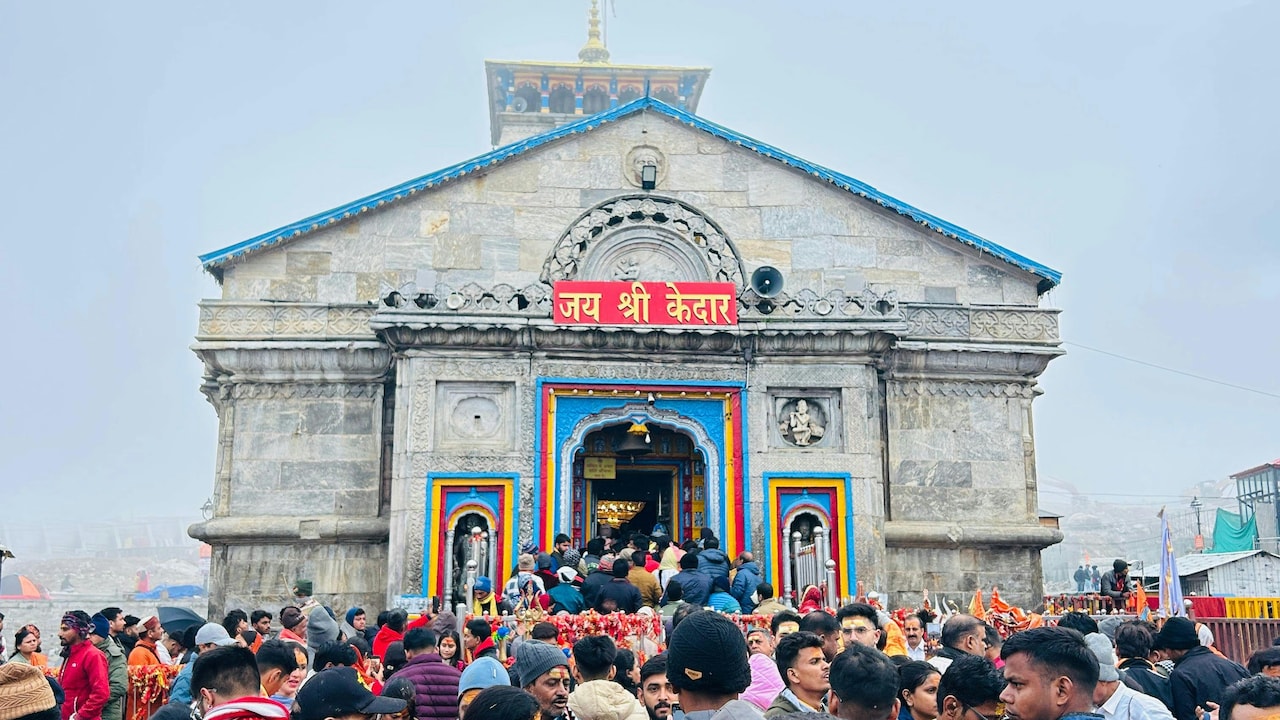
Char Dham Yatra 2026: How to plan your trip and complete the 16km Gaurikund Kedarnath Trek; Photo Credit: Pexels
For Kedarnath Yatra 2026, the Char Dham pilgrimage will begin on April, 2026, with Yamunotri and Gangotri temples opening first, followed by Kedarnath Temple on April 22, 2026 and Badrinath Temple on April 23, 2026. Pilgrims must complete mandatory registration through the official Char Dham Yatra portal or mobile app before starting the journey. The registration system helps authorities monitor pilgrim numbers, manage safety arrangements, and provide medical support across the route. Facilities such as medical camps, rest stops, pony services, and helicopter rides are also arranged to support pilgrims during the yatra.
Also Read: Trekking Checklist: 5 Must Carry Items You Can't Afford To Miss
| Temple Name | Opening Date for Pilgrims |
|---|---|
| Gangotri and Yamunotri | April 19, 2026 |
| Kedarnath Temple | April 22, 2026 |
| Badrinath Temple | April 23, 2026 |
1. Kedarnath: One Of The Sacred Char Dham Sites
Kedarnath, dedicated to Lord Shiva, is one of the most revered shrines in Uttarakhand and a key destination in the Char Dham pilgrimage circuit, which also includes Yamunotri, Gangotri, and Badrinath. The temple stands at an altitude of 3,583 meters above sea level in the Garhwal Himalayas near the Mandakini River. The stone temple is believed to be more than a thousand years old and is associated with the Pandavas' legends from the Mahabharata.
According to Hindu mythology, Kedarnath has a deep connection with the events of the Mahabharata. After the Kurukshetra war, the Pandavas sought forgiveness from Lord Shiva for the sin of killing their own relatives and countless warriors. However, Shiva did not want to forgive them easily and went into hiding in the Himalayas.
The Pandavas followed him, and when they finally reached Kedarnath, Shiva took the form of a bull to avoid being recognised. Bhima, one of the Pandava brothers, spotted the bull and tried to stop it. In the struggle, the bull dived into the ground, leaving its hump visible at Kedarnath. It is believed that this hump later manifested as the Kedarnath Jyotirlinga. Every year, the Pandavasdecide the six‑month period when the Kedarnath Temple will be open for pilgrims during the Char Dham Yatra. Due to heavy snowfall in winter, the temple remains open only for six months every year.
2. Why The Kedarnath Trek Is Special
Unlike many other temples that are easily accessible by road, Kedarnath requires effort and determination to reach. Pilgrims must travel through mountain roads until Gaurikund, the last point where vehicles are allowed. From there, the journey continues on foot, by pony, by palanquin, or by helicopter. The trek offers views of glaciers, waterfalls, and high mountain ridges. Pilgrims often describe the journey as physically demanding but spiritually rewarding.
3. Route Of 16 Km Gaurikund-Kedarnath Trek
The official trekking route to Kedarnath has been redesigned and improved after the 2013 floods. That year, a sudden cloudburst near the Chorabari Glacier caused huge amounts of water, mud, and rocks to rush down the Mandakini valley, destroying everything in their path. Many villages, shops, roads, and resting points were washed away. Rambada, which used to be a busy stop for pilgrims on the old trek, was almost fully destroyed within minutes. The disaster was so severe that more than 5,700 people lost their lives, most of them pilgrims. In the years that followed, the authorities worked hard to make a new, safer trekking route, adding stronger pathways and several rest stops so that travellers can walk to Kedarnath with better safety and comfort.The new route is safer and includes multiple rest points for the travellers.
Major stops along the trek include:
- Gaurikund: starting point of the trek
- Jungle Chatti: early rest stop for trekkers
- Bheembali: food stalls and resting facilities
- Linchauli: medical support and accommodation
- Kedarnath Base Camp: final resting area before the temple
Pilgrims usually take 10 to 12 hours to complete the trek, depending on fitness level and weather conditions.
4. Char Dham Yatra 2026 Registration Process
Registration for the pilgrimage is mandatory for all travellers. The Uttarakhand government introduced the digital system to improve safety and crowd management.
How to register:
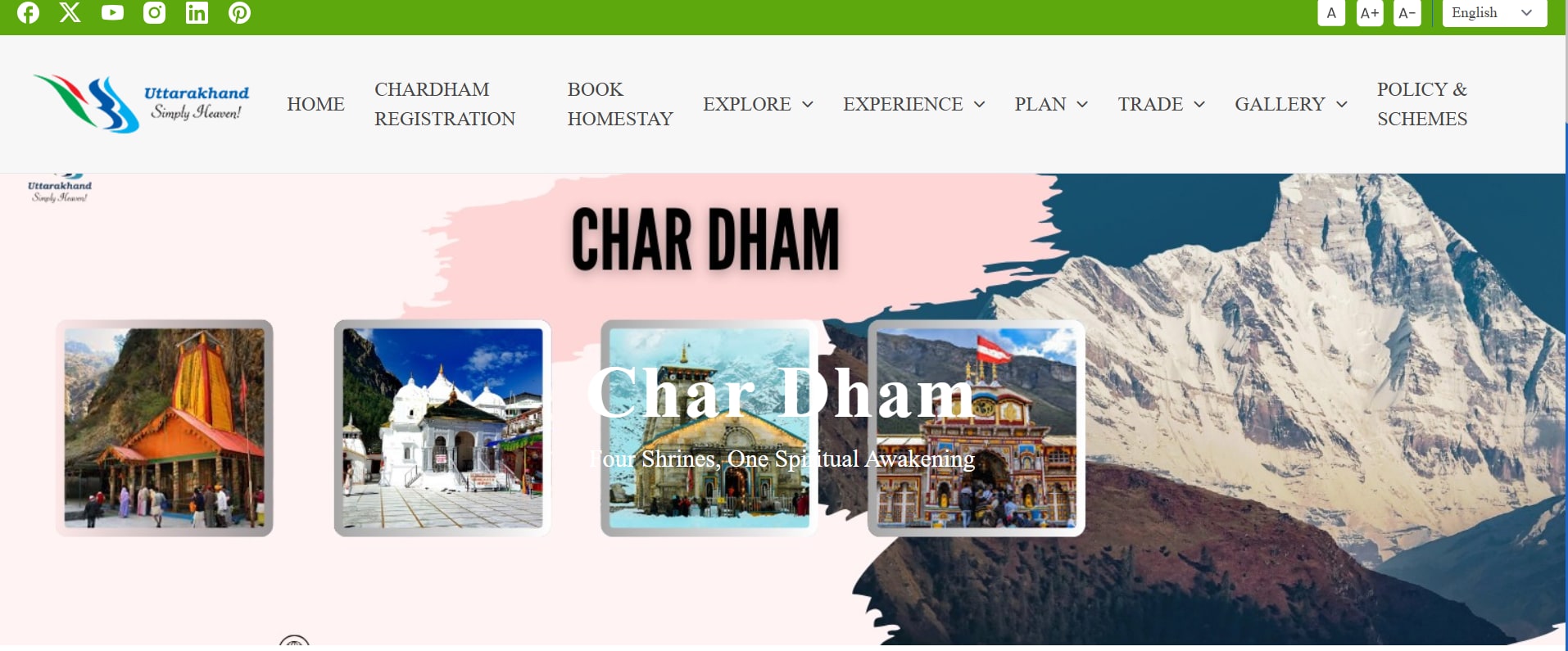
Pilgrims can register online through this website; Photo Credit: Uttarakhand Tourism
- Visit the official Char Dham Yatra portal (www.uttarakhandtourism.gov.in) or download the mobile application
- Enter personal details such as name, ID proof and travel dates
- Upload identity documents such as Aadhaar or a passport.
- Receive a Yatra registration slip with a QR code
- Pilgrims must carry this slip during the journey and show it at checkpoints.
Even though there is a facility for offline registration, which will soon open for the pilgrims in these cities
- Haridwar
- Rishikesh
- Dehradun
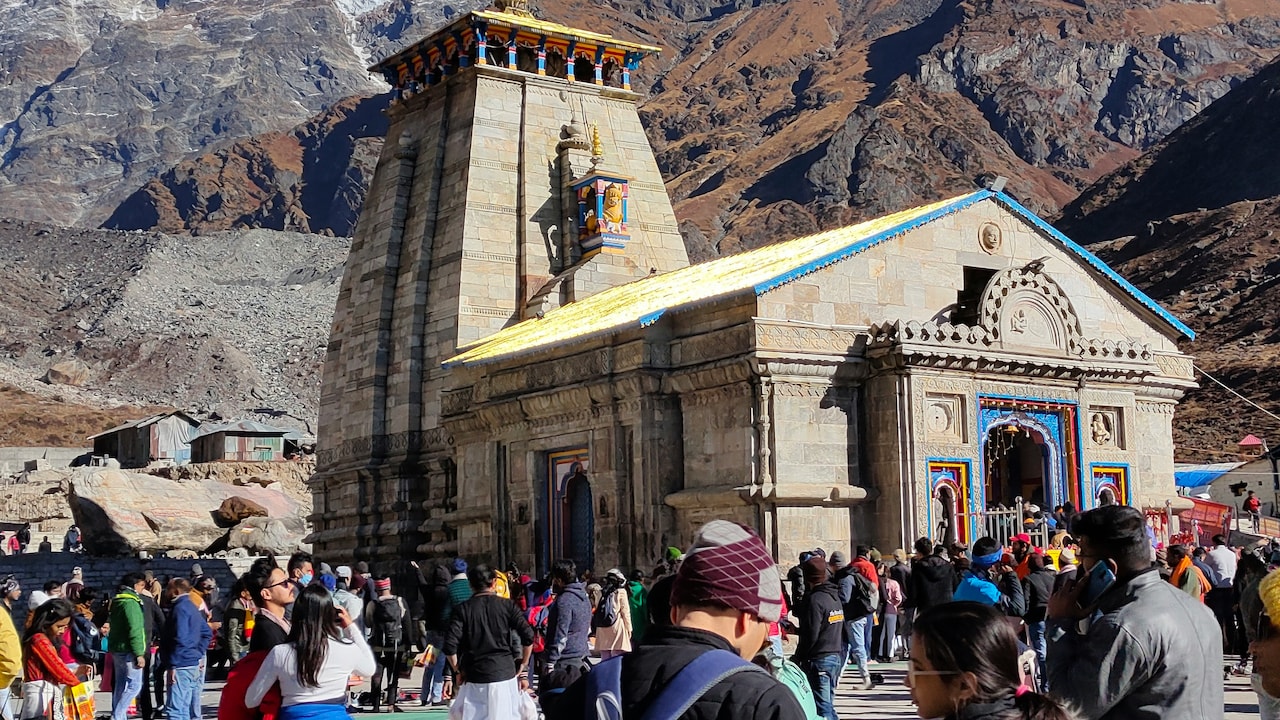
Char Dham Yatra 2026: How to plan your trip and complete the 16km Gaurikund Kedarnath Trek; Photo Credit: Unsplash
5. Facilities Provided To Pilgrims
To ensure a smooth pilgrimage experience, authorities provide multiple services along the route.
Facilities include:
- Medical camps with emergency support
- Food stalls and resting shelters
- Pony and palanquin services
- Mobile network assistance in some areas
- Helicopter services from Phata, Sersi and Guptkashi
- Security checkpoints and disaster response teams
6. Weather Conditions During Kedarnath Yatra
The Kedarnath region experiences unpredictable weather even during the pilgrimage season.
Typical conditions include the following:
- Cold temperatures between -5°C and 10°C
- Sudden rainfall
- Strong mountain winds
- Occasional snowfall in early or late season
- Pilgrims must carry warm clothing, rain protection, and proper trekking gear.
10 Must-Have Items For The Kedarnath Trek
1. Trekking Shoes
A reliable pair of trekking shoes is the most important item for the Kedarnath trek. The path from Gaurikund includes steep climbs, rocky surfaces, and wet trails. Proper trekking shoes provide grip, stability, and comfort during long walking hours.
2. Raincoat or Poncho
Rainfall is common in the Kedarnath region even during the summer months. Carrying a raincoat or poncho protects travellers from sudden showers while trekking. It also prevents clothes from getting wet and helps maintain body warmth during cold winds.
3. Thermal Innerwear
Thermal clothing acts as the first layer of insulation in cold mountain weather. Temperatures near Kedarnath can drop significantly, especially early in the morning and at night.
4. Backpack (30 to 40 L)
A durable backpack is necessary for carrying trekking essentials such as water, snacks, medicines, and clothing. A well-designed trekking backpack distributes weight evenly and prevents strain on the shoulders during the long climb.
5. Walking Stick or Trekking Pole
A trekking pole provides balance and support during steep climbs. It reduces pressure on the knees and improves stability on uneven surfaces. Many pilgrims rely on walking sticks during the Kedarnath trek to maintain steady movement.
6. Reusable Water Bottle
Staying hydrated is important while trekking at high altitude. Carrying a reusable water bottle allows pilgrims to drink water regularly and refill at rest stops along the route.
7. Torch or Head lamp
Low-light conditions are common in mountain areas during early morning or evening hours. A torch or headlamp helps the travellers walk safely in dim areas, especially near camps or temple pathways.
8. Gloves
Cold winds in the Himalayas can make hands numb during trekking. Gloves help maintain warmth and improve grip while using trekking poles or holding railings.
9. Power Bank
Mobile phones are used for navigation, emergency contact, and photography during the trek. A power bank ensures that electronic devices remain charged throughout the journey.
10. Jacket
A jacket is essential for the Kedarnath trek because the route experiences extremely cold temperatures, especially at higher altitudes where the weather can turn harsh and unpredictable within minutes. Even during summer, the mornings and evenings often hover near or below freezing, and cold winds along the trek make the chill even more intense.
The Kedarnath Yatra is not only a religious pilgrimage but also a challenging Himalayan trek that requires careful planning. With the Char Dham Yatra 2026 beginning in April, thousands of pilgrims will begin their journey towards one of the most sacred temples of Lord Shiva. Completing the 16-kilometre trek from Gaurikund becomes easier when travellers carry proper gear and essential supplies. Preparation, awareness of weather conditions, and following official travel guidelines can help pilgrims complete the journey safely and focus on the spiritual experience of reaching Kedarnath.
Where To Buy Char Dham Trekking Essentials?
If you're planning for the holy Char Dham Yatra, this is the perfect time to get all your trekking essentials! Whether you need warm jackets, sturdy backpacks, trekking shoes, raincoats, thermals, or other travel must‑haves, Myntra has everything in one place. And the best news? The Myntra Birthday Blast sale is live, offering big discounts on top outdoor and travel brands. So you can buy great‑quality items without spending too much. Before you begin your spiritual journey, just open the Myntra app, add your essentials to the cart, and get ready in comfort and style. Your pilgrimage deserves the best so why wait? Shop now on Myntra.
Frequently Asked Questions (FAQs)
1. When will Kedarnath Temple open in 2026?
Kedarnath Temple will open on April 22, 2026.
2. When does the Char Dham Yatra 2026 begin?
The pilgrimage begins in April 2026, starting with the Yamunotri and Gangotri.
3. Is registration mandatory for Kedarnath Yatra?
Yes, all pilgrims must register online or at official registration centers.
4. What is the distance of the Kedarnath trek?
The trek from Gaurikund to Kedarnath is approximately 16 kilometres.
5. How long does the Kedarnath trek take?
Most pilgrims take 10 to 12 hours depending on fitness and weather.
(Disclaimer: This article may include references to or features of products and services made available through affiliate marketing campaigns. NDTV Convergence Limited (“NDTV”) strives to maintain editorial independence while participating in such campaigns. NDTV does not assume responsibility for the performance or claims of any featured products or services.)