Foldable Travel Backpacks Vs Hard Bags: Know Which One Is More Practical
Choosing the right travel bag can shape the entire journey. Foldable backpacks offer flexibility, while hard bags provide protection and structure. Discover which option proves more practical for different travel styles.

Foldable Travel Backpacks Vs Hard Bags: Which Luggage Option Is More Practical For Travellers?
Every trip starts long before the train whistle blows or the aircraft lifts off the runway. It begins at home, staring at a suitcase or backpack and wondering how everything will fit inside. Clothing piles up, chargers tangle together, and that “just in case” jacket somehow sneaks into the packing list.
The choice of luggage quietly shapes the entire travel experience. A foldable travel backpack feels light and adaptable, perfect for spontaneous plans and narrow hostel lockers. A hard bag, on the other hand, offers a sense of order and protection, especially when fragile items join the journey.
Weekend travellers heading to Goa, students hopping cities on sleeper trains, and professionals catching early morning flights often debate the same question: which option truly works better?
Foldable travel backpacks and hard bags each carry distinct strengths. One favours flexibility and movement, the other structure and safety. The real answer lies in understanding how each performs in everyday travel situations.

Foldable Travel Backpacks Vs Hard Bags: Which Luggage Option Is More Practical For Travellers?
Photo Credit: Pexels
Practical Factors To Consider Before Picking Your Travel Luggage
Portability And Ease Of Movement
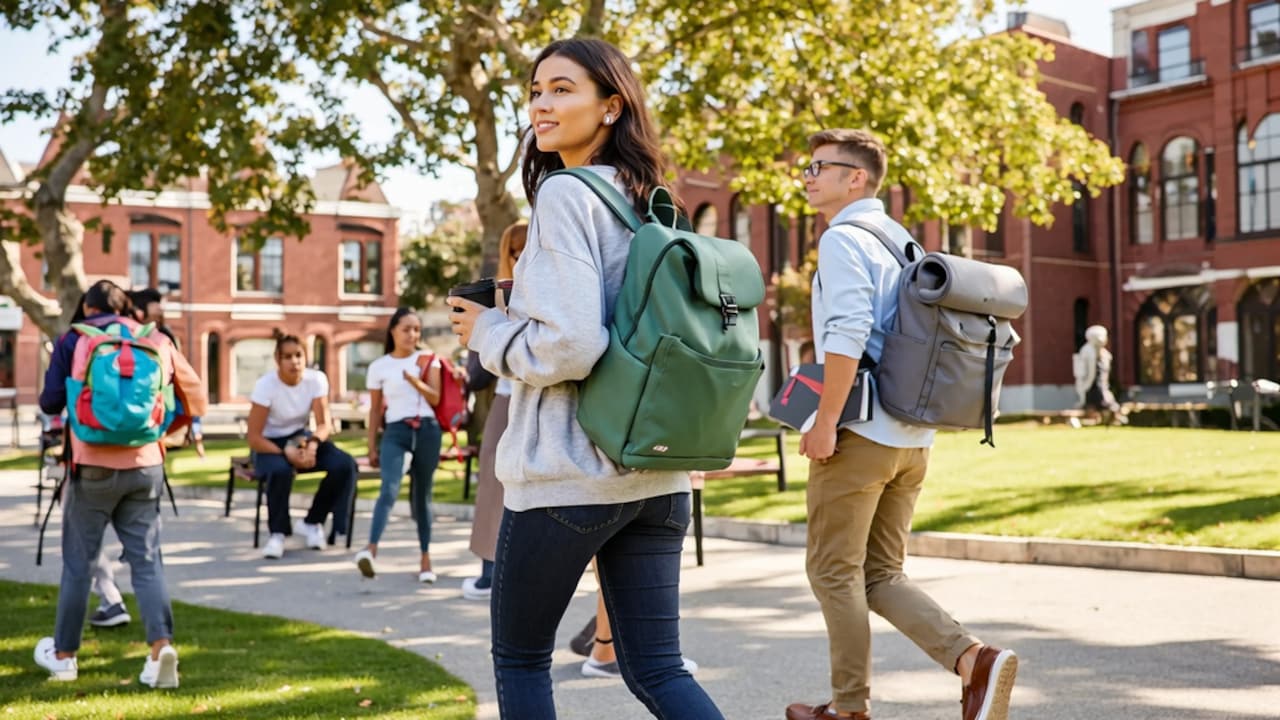
Travelling through crowded railway platforms or bustling bus terminals demands luggage that moves easily. Foldable travel backpacks often shine in such moments. The ability to sling the bag over both shoulders leaves hands free for tickets, phones, or a quick cup of chai from a platform vendor.
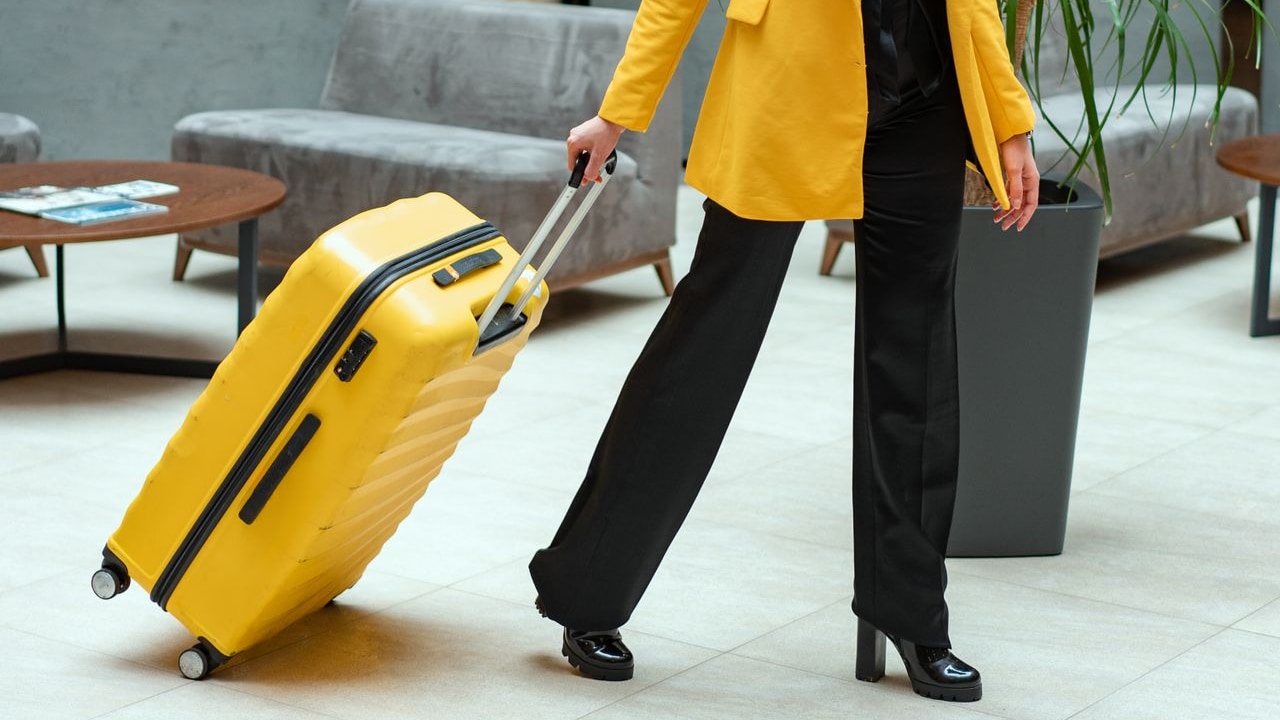
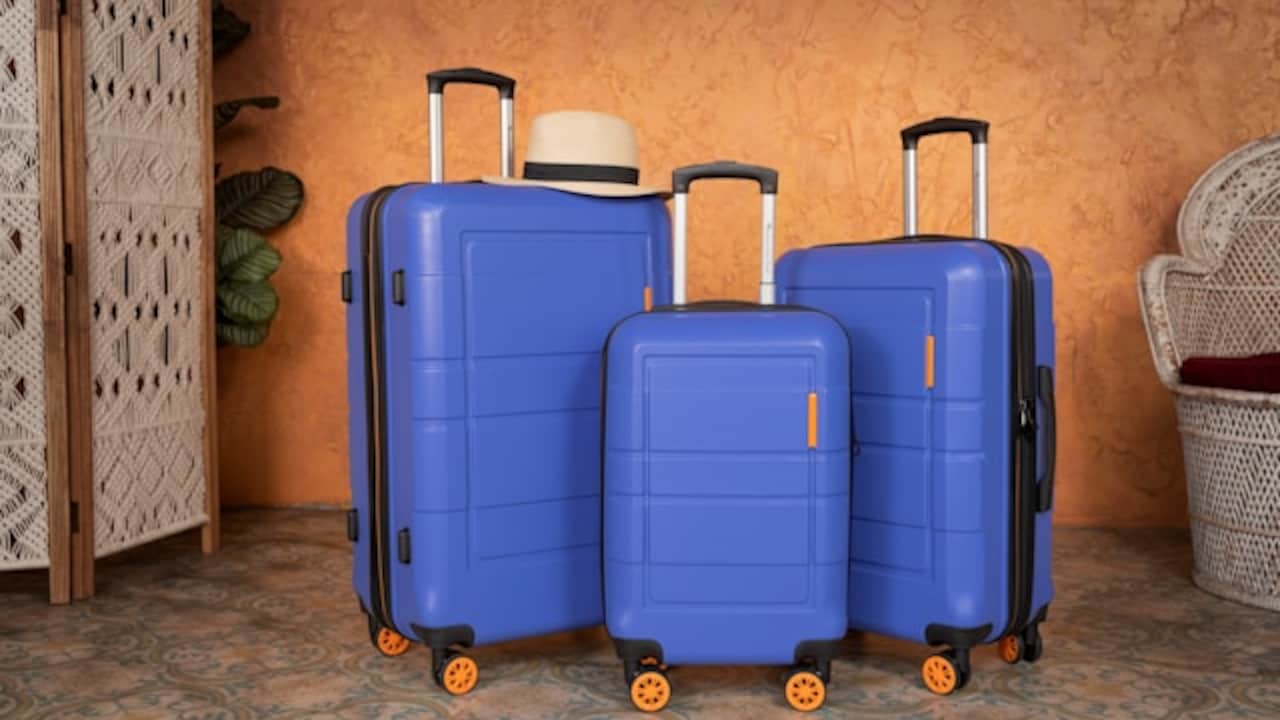
Hard bags move differently. Smooth wheels glide nicely across airport floors or polished hotel lobbies, but uneven pavements or staircases can quickly become frustrating obstacles. Anyone who has dragged a suitcase across cobbled streets or narrow lanes knows the struggle well.
Backpacks adapt better in unpredictable environments. From climbing steep steps at a hill station to squeezing into an auto-rickshaw, a backpack simply goes where the traveller goes.
Hard bags still hold an advantage when distances are short, and surfaces remain smooth. Rolling a suitcase through an airport terminal often feels effortless compared to carrying weight on the back.
The decision often depends on the type of journey. Urban hotel stays may favour wheeled luggage, while adventurous trips reward the flexibility of a backpack.
Packing Flexibility And Expandability
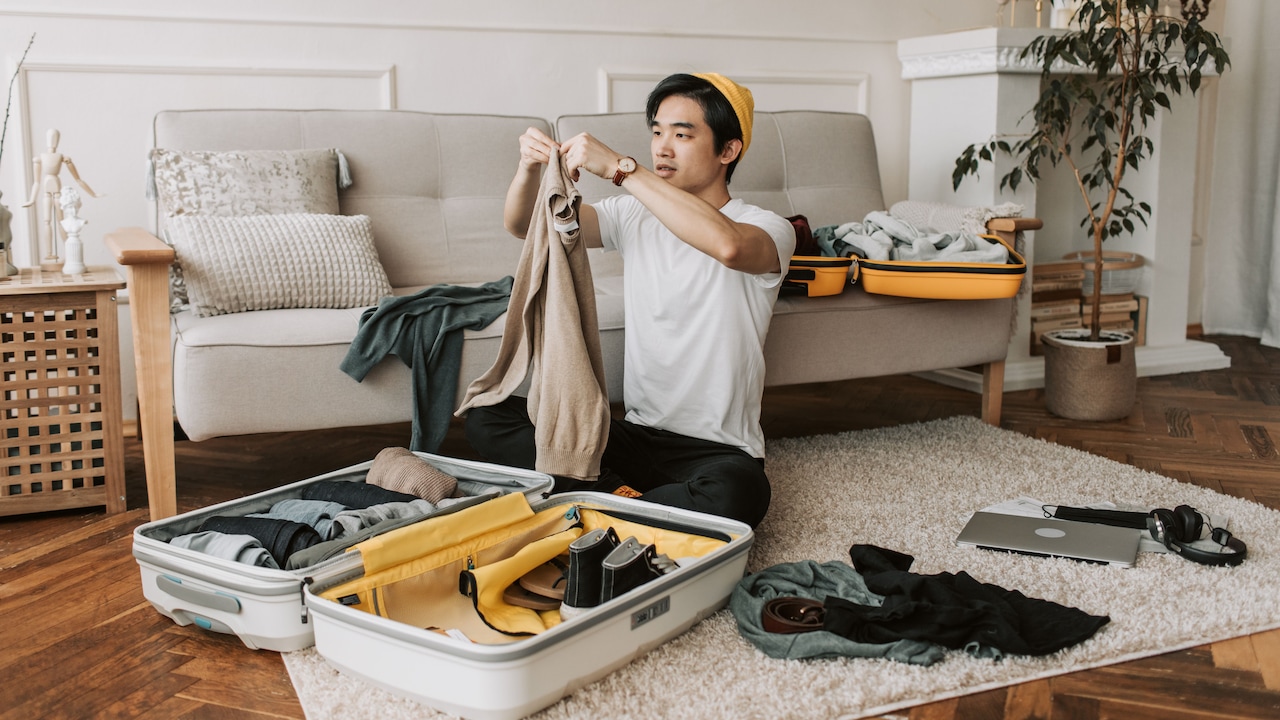
Packing rarely follows neat rules. A quick weekend trip suddenly includes extra clothes, souvenirs, and a few snacks for the return journey. Foldable travel backpacks offer valuable breathing space in such situations.
Soft materials allow backpacks to expand slightly when needed. That extra T-shirt or packet of sweets from a local market often finds room without much resistance. Some foldable models even compress neatly when not fully packed, making them convenient for storage.
Hard bags maintain strict boundaries. Their rigid shells protect contents well but rarely allow additional items beyond their set capacity. Travellers often find themselves sitting on the suitcase lid, hoping the zip finally closes.
Backpacks also prove useful during shopping-heavy trips. Street markets and handicraft stalls tempt visitors with colourful finds, and a flexible bag adjusts better to sudden additions.
However, structure has its own charm. Hard bags keep packing organised and prevent clothes from shifting too much during transit.
The difference lies between freedom and discipline. Backpacks encourage flexible packing, while hard bags reward careful planning.
Protection For Fragile Items
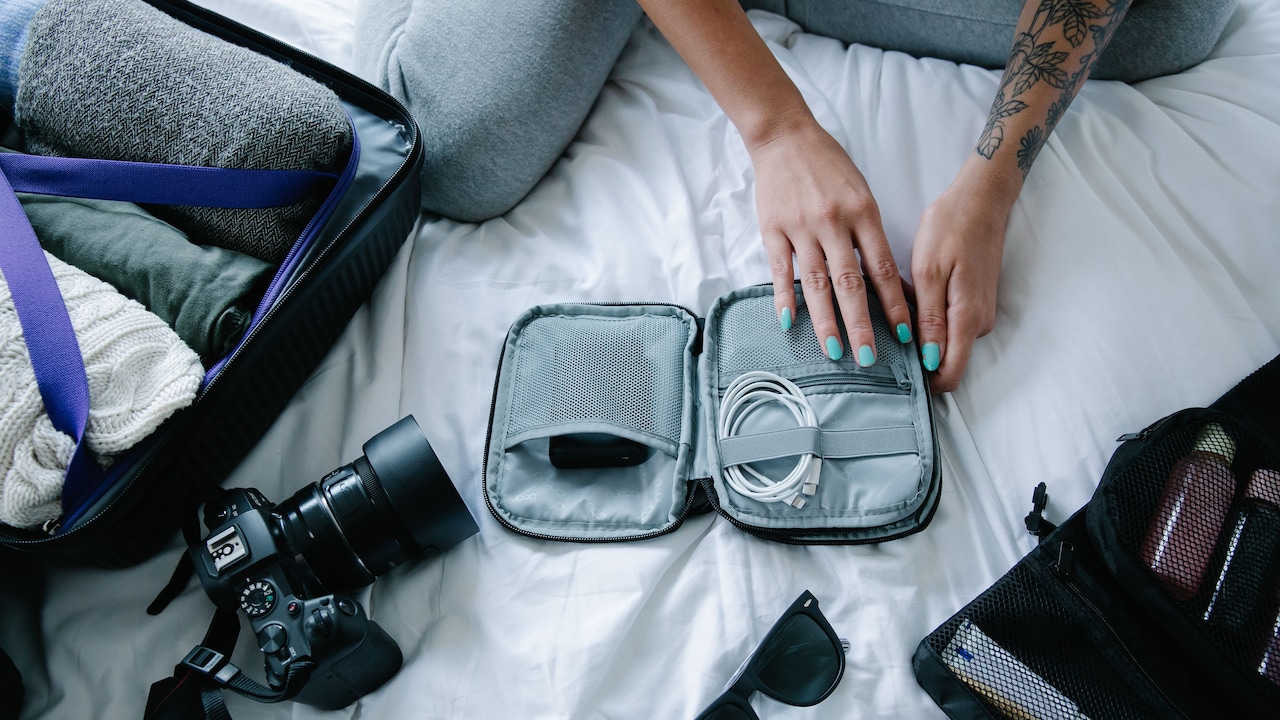
Some journeys involve more than clothes and toiletries. Cameras, souvenirs, or delicate gifts often travel alongside everyday essentials. In such situations, hard bags demonstrate clear advantages.
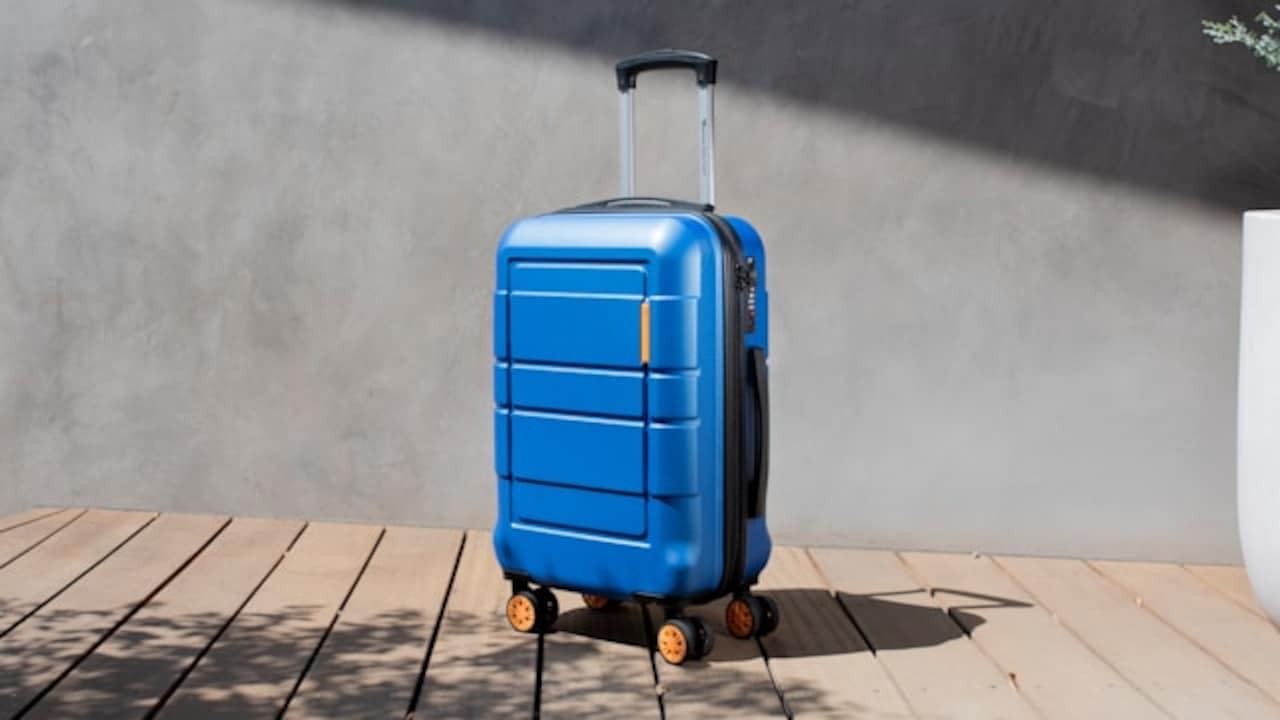
The rigid outer shell shields contents from external pressure. Even when luggage stacks inside a crowded train compartment or aircraft cargo hold, fragile items remain relatively secure. Travellers carrying electronics or glass souvenirs often prefer this level of protection.
Foldable travel backpacks offer less structural defence. Soft fabric absorbs impact differently, meaning fragile objects require additional padding inside. Without careful packing, delicate items may shift or face pressure from surrounding belongings.
That said, backpacks can still carry fragile goods safely with thoughtful arrangement. Wrapping items in clothes or placing them near the centre of the bag helps reduce risk.
Hard bags excel in scenarios where luggage faces rough handling. Airline baggage systems rarely treat bags gently, and rigid shells stand a better chance of surviving the journey unscathed.
Travellers who prioritise protection often lean toward hard bags, especially for flights or longer journeys involving multiple transfers.
Storage Convenience At Home
Luggage occupies precious space at home, especially in compact city apartments. Foldable travel backpacks quietly solve this problem with impressive efficiency.
Once the trip ends, these bags collapse into surprisingly small shapes. They slide neatly into cupboards, drawers, or even larger suitcases. Minimal storage space becomes enough for several backpacks.
Hard bags behave quite differently. Their rigid structure demands dedicated storage areas. Many households end up stacking suitcases under beds or on top of wardrobes, where they quietly collect dust between trips.
For frequent travellers living in smaller flats, the difference becomes noticeable. A foldable backpack disappears easily into a shelf, ready for the next adventure without occupying valuable space.
However, hard bags offer an unusual advantage as well. Some travellers store seasonal clothes or spare bedding inside their suitcases when not travelling, turning them into practical storage containers.
Ultimately, foldable backpacks win the space-saving contest, but creative travellers sometimes find clever uses for their bulky suitcases too.
Comfort During Long Journeys
Long journeys test luggage comfort in unexpected ways. Hours spent navigating stations, changing transport, or walking through unfamiliar streets quickly reveal whether a bag works with the body or against it.
Foldable travel backpacks distribute weight across both shoulders. Many modern designs include padded straps and breathable back panels, making extended carrying manageable. Properly adjusted backpacks reduce strain and allow steady movement through crowded areas.
Hard bags depend on pulling rather than carrying. While wheels reduce effort on smooth surfaces, continuous pulling can strain arms and wrists during long walks. Uneven terrain often forces travellers to lift the suitcase anyway.
Comfort also depends on packing weight. A heavily loaded backpack may feel exhausting after several hours, especially without proper support straps. Hard bags eliminate this issue when rolling remains possible.
Each design offers comfort under specific conditions. Backpacks excel when movement involves stairs, narrow streets, or unpredictable routes. Hard bags perform best on smooth surfaces where rolling remains effortless.
Understanding the journey environment often reveals which option truly delivers greater comfort.
Durability And Longevity
Travel bags face demanding conditions. Rough baggage handling, sudden rain showers, and crowded luggage racks challenge durability every step of the way.
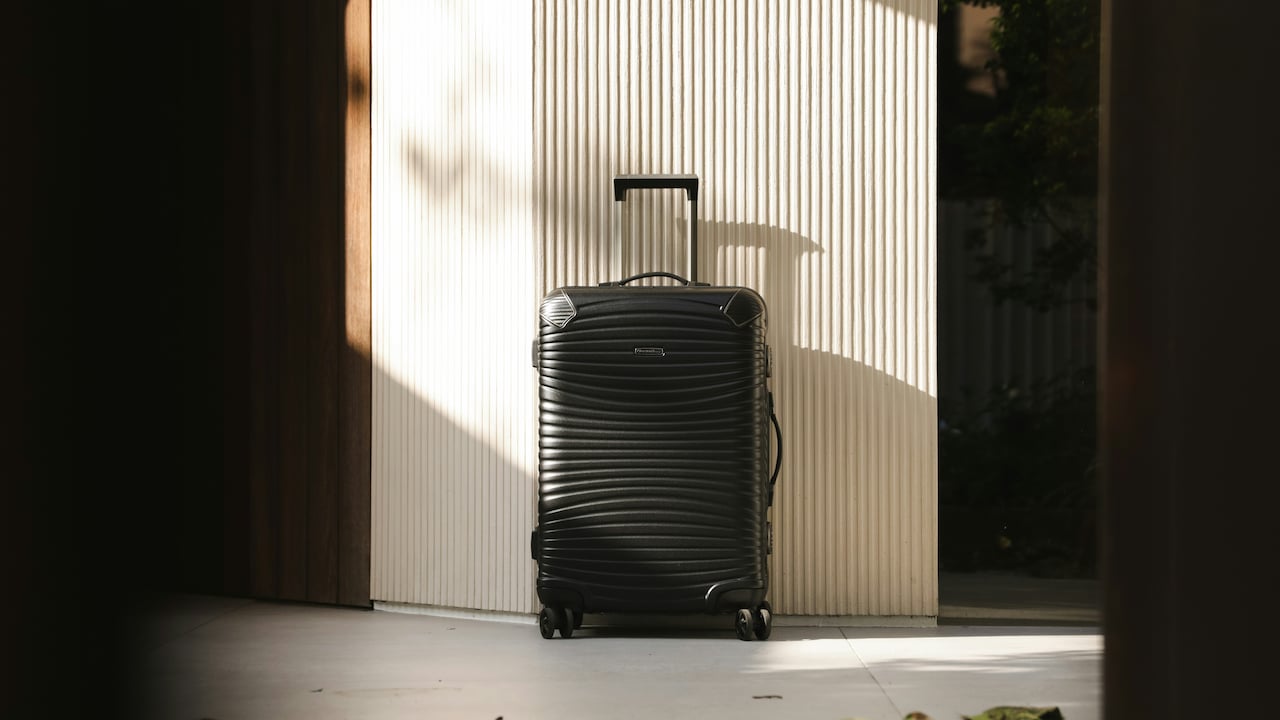
Hard bags often impress travellers with their sturdy construction. Polycarbonate or ABS shells resist impact and protect contents effectively. Many modern designs also resist scratches and water to some degree.
Foldable travel backpacks rely on durable fabrics rather than rigid shells. High-quality materials like ripstop nylon withstand considerable wear, though sharp edges or heavy pressure may cause damage over time.
Durability also relates to repair possibilities. Fabric backpacks often allow easier repairs through stitching or patching. A damaged zip or strap rarely ends the bag's life completely.
Hard bags present different challenges. Cracked shells or broken wheels can prove difficult and sometimes expensive to repair.
Longevity, therefore, depends not only on strength but also on maintenance. Both options survive years of travel when treated with care, though backpacks may recover more easily from minor mishaps.
Weight Considerations
Weight restrictions remain a familiar travel concern, particularly during flights. Luggage itself contributes to the overall weight allowance, making lighter options increasingly attractive.
Foldable travel backpacks usually weigh far less than hard bags. Their soft construction eliminates heavy shells and mechanical parts, allowing travellers to maximise the space for actual belongings.
Hard bags add noticeable weight even before packing begins. Wheels, handles, and rigid frames increase the base weight of the luggage. While this difference may seem small initially, it becomes significant when airlines enforce strict limits.
Budget airlines sometimes charge ₹1,500 or more for excess baggage, turning a slightly heavier suitcase into an expensive inconvenience.
Backpacks also simplify short trips where travellers rely only on cabin baggage. Their lighter structure helps them stay comfortably within airline restrictions.
However, weight distribution matters too. A light backpack packed poorly may still feel heavier than a well-balanced suitcase.
Still, when considering pure luggage weight, foldable backpacks often emerge as the lighter companion.
Cost And Value For Money
Travel gear often reflects the classic balance between cost and value. Both foldable travel backpacks and hard bags appear across a wide price ranges, from budget options to premium designs.
Entry-level backpacks remain surprisingly affordable. Decent models often cost around ₹800 to ₹2,500, making them accessible for students or occasional travellers.
Hard bags typically cost more due to their materials and mechanical components. Reliable mid-range options often fall between ₹3,000 and ₹8,000, with premium luggage climbing far beyond that.
However, durability influences long-term value. A well-built suitcase may last many years, surviving countless journeys without significant wear.
Backpacks sometimes require replacement sooner if the fabric weakens or the straps suffer strain from heavy loads.
Value also depends on travel frequency. Someone travelling frequently for work might benefit from the structured convenience of a hard bag, while occasional travellers may find a simple backpack perfectly sufficient.
Budget plays a role, but practicality and travel style often matter more when determining the true value of luggage.

Foldable Travel Backpacks Vs Hard Bags: Which Luggage Option Is More Practical For Travellers?
Photo Credit: Pexels
Suitability For Different Travel Styles
Different journeys demand different luggage personalities. A spontaneous weekend trip to the hills rarely resembles a carefully planned business conference in a luxury hotel.
Foldable travel backpacks suit travellers who move often and adapt quickly. Backpackers, students, and adventure seekers appreciate the freedom to walk, climb, and explore without worrying about wheels or rigid shapes.
Hard bags appeal to travellers who prioritise organisation and presentation. Business travellers carrying formal clothes or families packing carefully folded outfits often prefer the structure and neat compartments.
Backpacks also integrate smoothly with public transport. Buses, shared taxis, and crowded train compartments accommodate flexible bags more easily than bulky suitcases.
Hard bags excel in structured travel environments such as airports, hotels, and taxis. Their organised interiors keep clothes wrinkle-free and belongings neatly separated.
Travel style ultimately shapes luggage preference. Fast-paced adventures lean toward backpacks, while structured itineraries often favour hard bags.
Weather Resistance And Outdoor Practicality
The weather rarely asks for permission before interrupting travel plans. Sudden rain showers, dusty roads, and humid conditions challenge luggage resilience in surprising ways.
Hard bags provide decent protection against light rain. Their rigid shells prevent water from soaking through easily, though zips still require some caution during heavy downpours.
Foldable travel backpacks vary widely in weather resistance. Many modern models include water-resistant coatings or rain covers, helping protect belongings during unexpected showers.
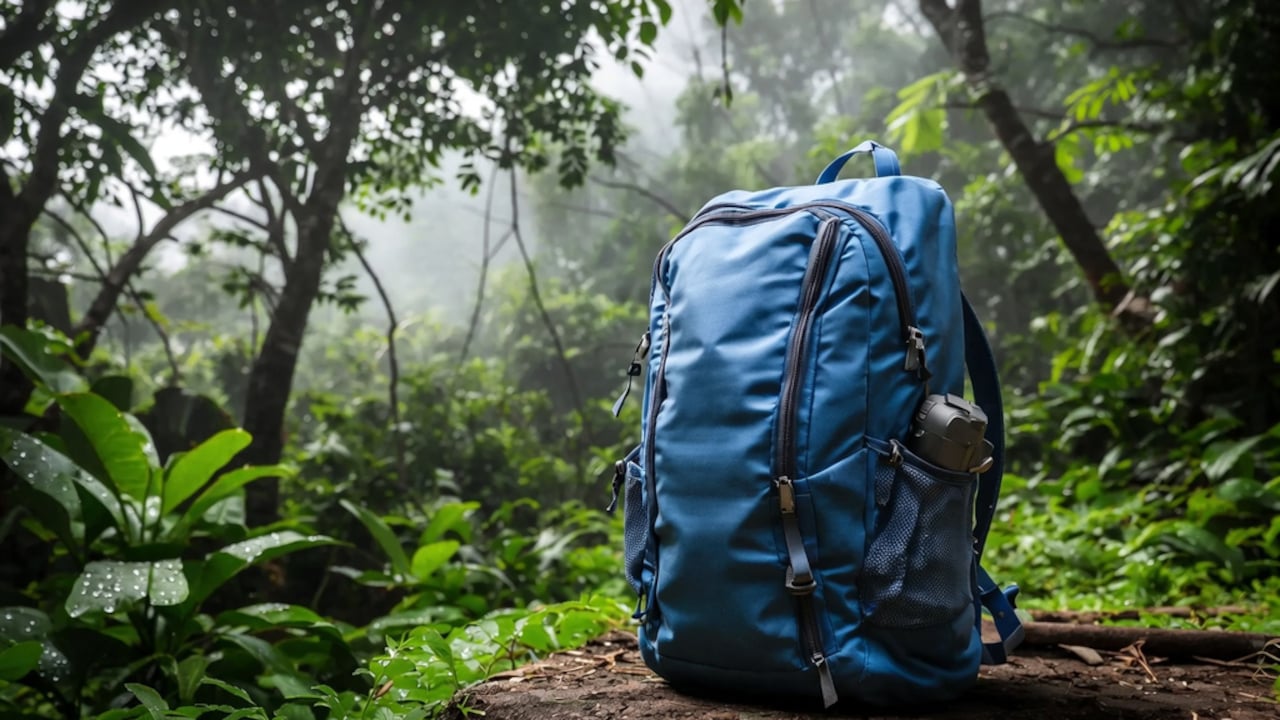
Outdoor environments often favour backpacks. Trekking paths, forest trails, or hill station staircases demand mobility rather than rolling wheels.
Hard bags struggle in such conditions. Muddy paths or uneven terrain quickly turn rolling luggage into an awkward burden.
Backpacks adapt better to unpredictable outdoor settings. With proper rain protection, they handle changing weather and rugged environments far more comfortably.
Travellers exploring nature or remote destinations often discover that flexibility outweighs rigid protection in such situations.
Products Related To This Article
1. FUAARK Unisex Core Sports Bag & Daily Travel Backpack Bag With Water Repellent fabric
2. Optima Mountain Peak Outdoor Travel Backpack
3. STRUTT Nomad Luxe Midi Women Leather Travelling Backpack
4. TRAWOC VIPER Unisex Solid 40L Travel Backpack with Laptop Compartment Rain Cover
5. WROGN Printed USB Charging Port Reflective Strip Large Backpack with Rain Cover 31L
Choosing between a foldable travel backpack and a hard bag rarely produces a universal answer. Each option reflects a different philosophy of travel.
Foldable travel backpacks celebrate freedom and adaptability. They slip easily through crowded stations, climb narrow staircases, and expand to accommodate unexpected souvenirs. Their lightweight design suits spontaneous adventures and flexible itineraries.
Hard bags represent order and protection. They safeguard fragile belongings, keep clothes neatly arranged, and roll smoothly through structured travel environments like airports and hotels.
The practical choice ultimately depends on the journey itself. Adventurous trips with unpredictable routes often favour backpacks. Organised travel plans with flights and hotel stays often reward the structure of a hard bag.
Many seasoned travellers quietly solve the debate by owning both.
After all, the best luggage is not the one that looks impressive on the shelf. The best luggage is the one that makes the journey feel easier from the very first step out the door.
(Disclaimer: This article may include references to or features of products and services made available through affiliate marketing campaigns. NDTV Convergence Limited (“NDTV”) strives to maintain editorial independence while participating in such campaigns. NDTV does not assume responsibility for the performance or claims of any featured products or services.)