How To Choose An AC That Cools Your Room Without Oversizing It
Choose the right AC size for steady cooling, lower electricity bills and better humidity control. Learn how room size, sunlight, ceiling height, insulation and daily use help prevent costly oversizing.
How To Choose An AC That Cools Your Room Without Oversizing It
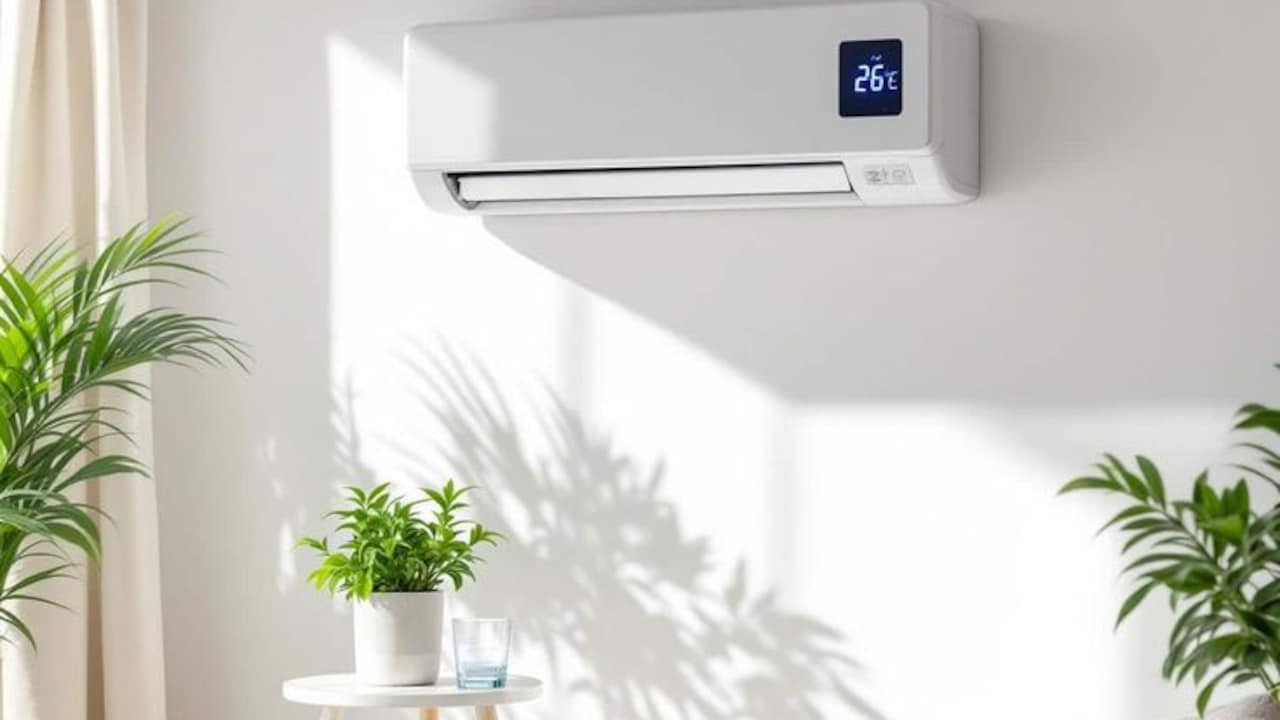
Buying an air conditioner often begins with a familiar assumption: the larger the machine, the cooler the room. It sounds logical, especially during a blazing May afternoon when the walls feel warm enough to toast a papad. Unfortunately, air conditioners do not work quite that simply. An oversized AC can cool the air too quickly and switch off before removing enough moisture. The room may feel cold but clammy. Frequent starting and stopping also increases electricity use, adds strain to the compressor, and creates uneven temperatures. One corner feels like Shimla, while the space near the window still feels like peak summer.
How To Choose An AC That Cools Your Room Without Oversizing It; Photo Credit: Pexels
An undersized unit brings a different headache. It runs continuously, struggles to reach the set temperature and sends the electricity bill climbing. The ideal AC sits between these two extremes. It should run for steady periods, control humidity and maintain an even temperature without working beyond its limits. Finding that balance requires a closer look at the room rather than a glance at its floor area.
Key Factors To Consider Before Choosing The Right AC Size
Measure The Room Accurately
Room size forms the starting point of AC selection, so a casual estimate will not do. Measure the length and width of the room in feet, then multiply the two figures to calculate the floor area. A room measuring 12 feet by 14 feet, for example, covers 168 square feet.
Do not include spaces separated by closed doors. However, count connected areas such as an open dressing space, passage or kitchenette because the AC must cool that air too. An open doorway leading into another room can quietly increase the cooling load, much like an uninvited guest who also expects dinner.
General sizing guides often suggest a 1-ton AC for rooms of roughly 100 to 130 square feet and a 1.5-ton unit for spaces around 150 to 180 square feet. These figures provide a useful reference, not a final verdict.
Two rooms with the same floor area can have very different cooling needs. One may stay shaded throughout the day, while the other faces the afternoon sun. Accurate measurements create a reliable base, but the next few factors determine whether the recommended tonnage needs adjustment.
Also Read: Beat The Heat: 10 Best Budget-Friendly Mini Coolers For Summer 2026
Consider The Ceiling Height
Standard AC sizing charts usually assume a ceiling height of about eight to ten feet. A taller room contains more air, which means the AC must handle a larger volume even when the floor area remains unchanged.
Consider two bedrooms that both measure 150 square feet. One has a nine-foot ceiling, while the other has a twelve-foot ceiling with decorative lighting and an elegant false-ceiling border. The second room holds considerably more air. Selecting the same AC capacity for both could leave the taller room cooling slowly and unevenly.
Calculate room volume by multiplying length, width and ceiling height. This does not mean every tall room automatically needs the next tonnage level. Good insulation, limited sunlight and low occupancy may balance the extra volume. However, a ceiling above ten feet deserves closer attention.
False ceilings can reduce the effective volume, but only when the space above them remains properly sealed. Gaps around lights, wiring or ducts may allow cooled air to escape.
Ceiling fans also help distribute air across tall rooms. They do not reduce the actual cooling load, but they improve comfort and may allow a slightly higher thermostat setting without making the room feel warm.
Check How Much Sunlight Enters
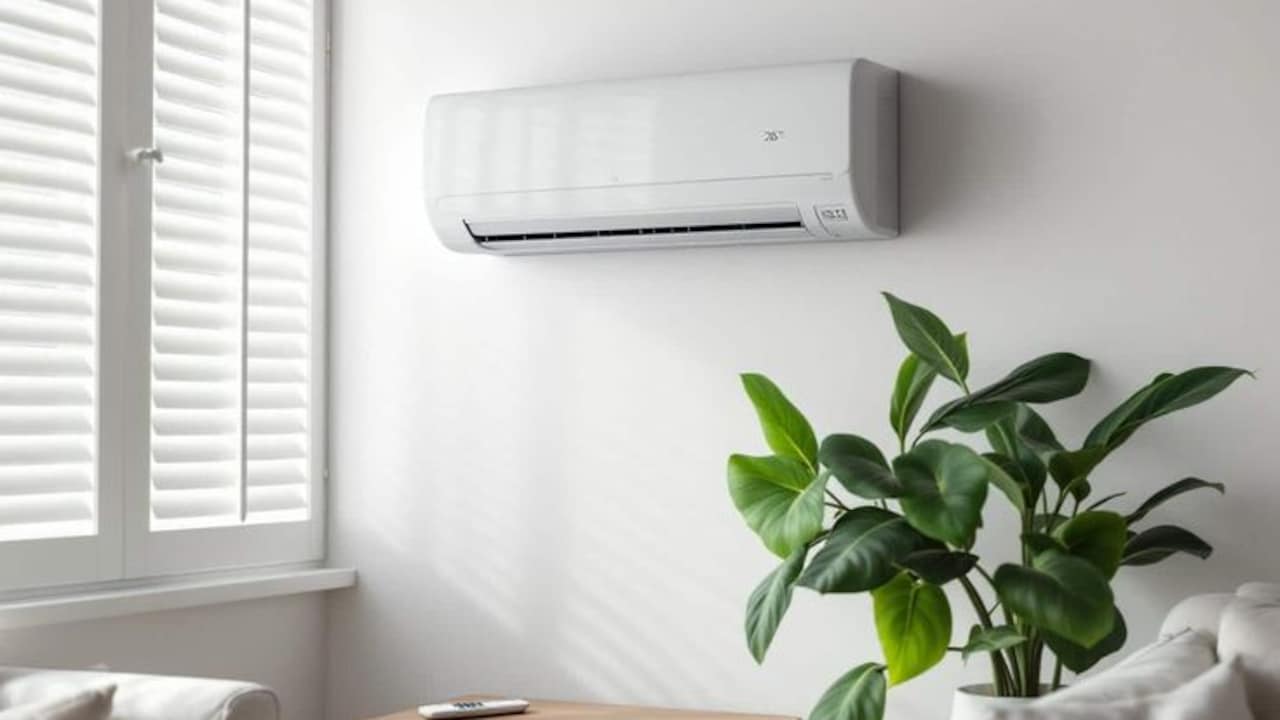
Sunlight has a dramatic effect on indoor temperature. A west-facing room can absorb intense heat during the afternoon, while a north-facing room may remain comparatively comfortable. Ignoring this difference often leads to poor AC sizing.
Observe the room at different times of day. Notice whether direct sunlight falls on the windows, walls or roof. Large glass windows may look beautiful, but they can turn the room into a greenhouse when left uncovered. Thin curtains offer privacy, yet do little to block heat.
A heavily sunlit room may need more cooling capacity than a shaded room of the same size. Before choosing a larger AC, however, consider reducing the heat entering the space. Blackout curtains, reflective blinds, window films and external shades can make a noticeable difference. These measures often cost far less than moving up to a bigger unit and paying higher electricity bills for years.
Top-floor rooms also receive heat through the roof. Roof insulation, reflective coating or shaded terraces can reduce this load.
Treat sunlight as part of the sizing calculation, not as an unavoidable summer nuisance. Controlling solar heat may allow a correctly sized AC to work comfortably without oversizing.
How To Choose An AC That Cools Your Room Without Oversizing It; Photo Credit: Pexels
Count The Regular Occupants
People produce heat. A quiet bedroom used by one or two people has a lower cooling requirement than a family room where five relatives gather every evening to watch television, debate the news and ask why the AC has not cooled the room in three minutes.
Most basic sizing estimates assume normal occupancy, usually two people in a bedroom. Add more regular occupants and the heat load rises. This becomes particularly important in living rooms, home offices, tuition rooms and small shops.
Occasional guests do not always justify buying a larger AC. Choosing capacity for the busiest day of the year can leave the unit oversized for the remaining months. Instead, size the AC for typical daily use and support it with ceiling fans when the room becomes crowded.
Activity levels also matter. People sitting quietly produce less heat than those exercising, cooking or working with equipment. A home gym of 150 square feet may need more cooling than a bedroom of identical size.
Think honestly about how the room functions. The number of chairs, desks or beds often reveals more than the room label. A so-called study room may actually serve as a full-time office for three people, two laptops and a printer.
Account For Heat-Producing Appliances
Electrical appliances release heat while operating. Televisions, gaming consoles, desktop computers, refrigerators, ovens and powerful lighting can all increase the cooling load.
A bedroom with one television and a laptop may not need a major adjustment. A compact office with several computers, monitors and networking devices deserves more careful calculation. These machines may appear harmless, but together they act like small heaters throughout the day.
Kitchens require particular caution. Cooking generates substantial heat and moisture, making ordinary room-size charts unreliable. An AC installed near a kitchen may also draw in grease and smoke, which can clog filters and reduce performance. Strong ventilation and an efficient chimney should handle cooking heat before extra AC capacity enters the discussion.
Lighting matters too. Traditional bulbs create more heat than LEDs. Replacing them can lower both lighting and cooling costs.
List the appliances used regularly and note how long they remain switched on. Do not size the AC around equipment used once a month. Focus on the normal heat load during the hottest hours.
Reducing unnecessary appliance heat may prove smarter than buying a larger machine. Sometimes the best cooling upgrade begins by switching off the forgotten gaming console glowing beneath the television.
Examine Insulation And Air Leakage
An AC can only cool efficiently when the room holds on to the conditioned air. Gaps around windows, loose doors, unsealed vents and poorly insulated walls allow cool air to escape while warm air enters.
Check whether doors close properly. Look for visible light around the edges, as this often indicates gaps. Weather strips and door sweeps provide simple, affordable fixes. Sliding windows may also leak air through worn seals or misaligned frames.
Wall and roof insulation influence AC capacity too. A well-insulated room gains heat slowly, allowing the unit to maintain a stable temperature. A top-floor room beneath an exposed concrete terrace may heat up quickly and remain warm long after sunset.
Do not immediately compensate for poor insulation by choosing a bigger AC. That approach treats the symptom rather than the cause. The oversized machine may cool quickly, but it will continue wasting energy as heat enters through the building shell.
Seal leaks, improve curtains and address major roof or wall exposure before finalising the capacity. These improvements can enhance comfort even when the AC remains switched off.
A tightly sealed room does not need to feel stuffy. Regular ventilation during cooler hours keeps the air fresh without forcing the AC to fight outdoor heat all day.
Understand Tonnage Beyond The Label
AC tonnage describes cooling capacity, not the physical weight of the machine. One ton of cooling equals roughly 12,000 British Thermal Units per hour. The term sounds industrial, but the basic idea remains simple: higher tonnage removes more heat from a room.
Common household options include 1-ton, 1.2-ton, 1.5-ton and 2-ton models. Choosing between them should depend on the total cooling load rather than floor area alone.
A 1.5-ton AC does not automatically cool every room better than a 1-ton model. In a compact, shaded bedroom, the larger unit may reach the set temperature very quickly and shut down. This short cycle prevents proper dehumidification and creates frequent temperature swings.
At the same time, selecting a lower capacity purely to save money can backfire. An undersized AC may run without rest, especially during heatwaves.
Use tonnage charts as a first filter, then adjust for sunlight, ceiling height, occupancy, insulation and appliances. When the room falls near the boundary between two capacities, a professional heat-load calculation offers more confidence than a salesperson's guess.
The right tonnage should match the room's real heat gain, not the size of the discount sticker in the showroom.

How To Choose An AC That Cools Your Room Without Oversizing It; Photo Credit: Pexels
Choose Inverter Technology Wisely
Inverter ACs can vary compressor speed according to the room's cooling demand. A conventional fixed-speed unit generally switches the compressor on and off, while an inverter model reduces its output after reaching the desired temperature.
This flexibility helps when the required cooling load changes throughout the day. It can also soften the consequences of a small sizing mismatch. A slightly larger inverter AC may lower its output during mild conditions instead of repeatedly stopping and restarting.
However, inverter technology does not make extreme oversizing harmless. A 2-ton unit in a tiny bedroom can still cool too aggressively, struggle with humidity control and cost more to purchase. Technology cannot rescue a badly chosen capacity.
Inverter ACs suit rooms used for long periods, such as bedrooms, offices and living areas. Their steady operation often provides quieter cooling and more consistent temperatures. Savings depend on usage patterns, thermostat settings, maintenance and local weather.
Compare the minimum and maximum cooling capacity listed in the specifications. A model with a wide operating range adapts better to changing demand.
Think of an inverter AC as an adjustable tap rather than an on-off switch. It offers control, but the tap must still match the size of the bucket.
Look Beyond The Star Rating
Energy ratings help compare electricity efficiency, but they should not replace correct sizing. A highly rated oversized AC may still waste power through frequent cycling. Similarly, an efficient but undersized model may run continuously and deliver disappointing comfort.
Check the Indian Seasonal Energy Efficiency Ratio, commonly shown as ISEER, on the energy label. A higher figure generally indicates better seasonal efficiency. Also review the annual electricity consumption printed on the label, while remembering that actual usage depends on room conditions and daily habits.
Purchase price matters, but running cost deserves equal attention. A model that costs ₹5,000 less may consume significantly more electricity over several summers. On the other hand, paying a large premium for the highest rating may not make financial sense when the AC runs only a few hours each week.
Compare models within the correct capacity range first. Then consider efficiency, warranty, noise levels, service availability and maintenance costs.
Avoid treating the star label like a school report card where five stars automatically win. An AC must suit the room before its efficiency rating becomes meaningful. Correct capacity and sensible usage usually save more energy than impressive specifications paired with poor sizing.
Request A Professional Heat-Load Assessment
Online calculators and room-size charts offer convenient estimates, but complex spaces benefit from a professional heat-load assessment. This calculation considers floor area, ceiling height, window direction, wall exposure, roof conditions, occupancy, appliances and local climate.
Ask the technician to inspect the room rather than recommend tonnage over a phone call. A reliable assessment should involve measurements and questions about daily usage. Be cautious when the recommendation jumps to a higher capacity without a clear explanation. “Bigger is safer” often sounds reassuring, yet it may simply make the sale easier.
Request the reasoning behind the suggested capacity. Ask how sunlight, top-floor exposure or large windows affected the calculation. A competent professional should explain the decision in plain language.
Installation quality matters as much as sizing. Poor pipe insulation, incorrect refrigerant charging, badly positioned indoor units and restricted outdoor airflow can reduce cooling performance. Homeowners sometimes blame capacity when the real problem lies in installation.
Choose an authorised installer with dependable after-sales support. Keep the quotation, warranty details and installation checklist.
A careful assessment may appear like an extra step, but it can prevent years of high bills, uneven cooling and arguments over who keeps changing the thermostat.
Match Capacity With Everyday Usage
The perfect AC should suit the room on an ordinary hot day, not only during rare extremes. Think about when the space gets used, how long the AC runs and what temperature feels comfortable.
A bedroom used mainly at night may have a lower cooling load after the sun sets, even if the room warms up during the afternoon. A home office used from late morning to evening faces stronger solar heat and appliance load. These spaces may require different capacities despite having similar dimensions.
Thermostat habits also influence comfort. Setting the AC to 18°C does not make it cool faster; it simply makes the unit run longer. A setting around 24°C to 26°C often provides a comfortable balance when paired with a fan and reasonable humidity control.
Avoid selecting capacity based on the expectation of instant cooling. An appropriately sized AC may take a little time to lower the temperature, then maintain it steadily. That gradual rhythm usually supports better humidity removal and energy efficiency.
Pay attention during the first few weeks of use. Long, steady cooling cycles often indicate a healthier match than constant starting and stopping.
Comfort should feel consistent and effortless, not like stepping between a freezer and a furnace every ten minutes.
Products Related To This Article
1. Acerpure Chill Neo 1.5 Ton 5 star, New star rated
2. Blue Star 1.5 Ton 5 Star,New Star Rated, Wi-Fi Smart Inverter Split AC
3. Voltas 1.5 ton 3 star,New star rated, Rating Inverter Split AC
4. Carrier 2 Ton 3 Star, New Star rated, Wi-Fi Smart Flexicool Inverter Split AC
5. Blue Star 1.5 Ton 3 Star,New Star Rated, Wi-Fi Smart Inverter Split AC
6. LG Essential Series, 0.8 Ton 2 Star,New star rated, Smart Inverter Split AC
Choosing the right AC involves more than matching square footage with a tonnage chart. Room volume, sunlight, occupancy, appliances, insulation and usage patterns all shape the actual cooling requirement.
Oversizing may promise quick relief, but it often brings humidity, uneven temperatures, frequent compressor cycling and unnecessary expense. Undersizing creates its own problems through constant operation and weak cooling. The best unit sits in the middle, handling the room's heat load without racing or struggling.
Measure the space carefully, reduce avoidable heat gain and compare models only within the suitable capacity range. Inverter technology and high efficiency ratings can improve performance, but neither can correct a serious sizing mistake. A professional heat-load assessment adds valuable reassurance, particularly for top-floor rooms, large windows and unusual layouts.
A well-sized AC rarely demands attention. It cools steadily, controls moisture and keeps electricity use sensible. That quiet reliability matters far more than owning the largest machine on the wall. After all, a comfortable room should feel like relief from summer, not a showroom demonstration of Arctic weather.
(Disclaimer: This article may include references to or features of products and services made available through affiliate marketing campaigns. NDTV Convergence Limited (“NDTV”) strives to maintain editorial independence while participating in such campaigns. NDTV does not assume responsibility for the performance or claims of any featured products or services.)