How To Choose A Handheld Vacuum Cleaner That Does Not Lose Suction Quickly
Choose a handheld vacuum with strong airflow, efficient filtration, a reliable battery and easy maintenance. This guide explains what to check so suction stays powerful for longer.
Key features to consider when choosing a handheld vacuum cleaner
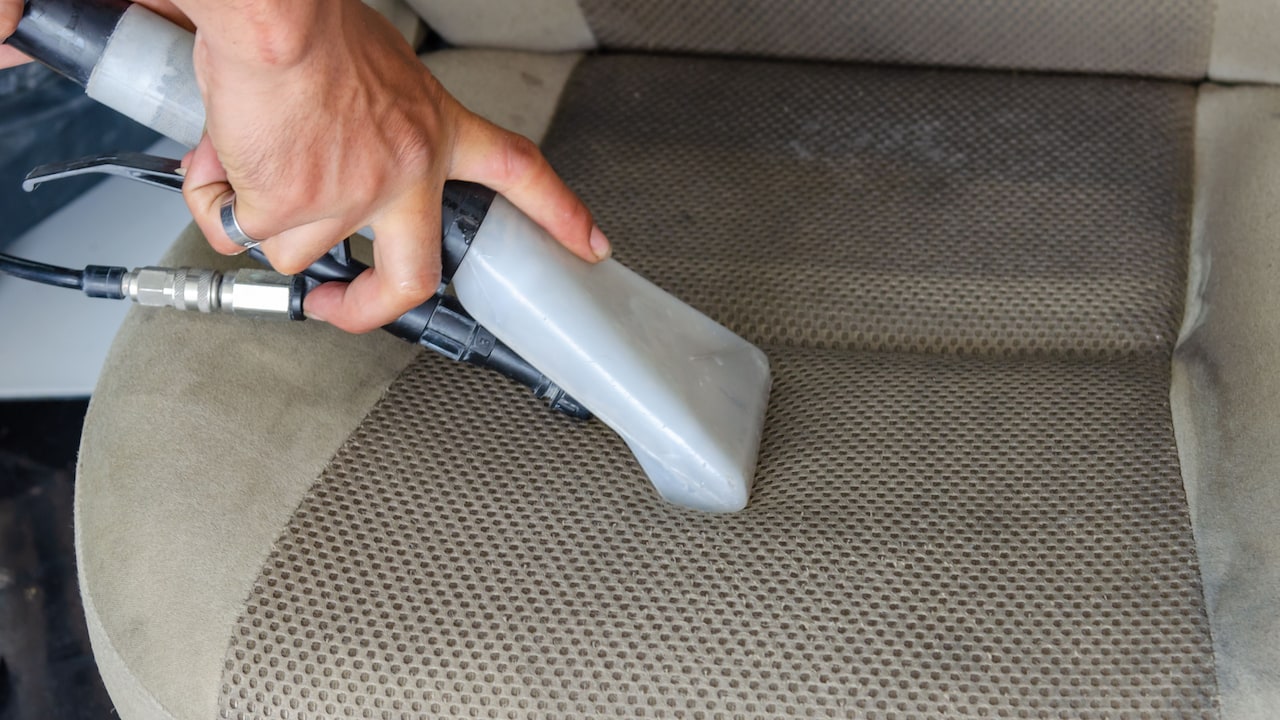
A biscuit crumbles across the sofa. Dust gathers between car seats. A mysterious trail of namkeen appears under the dining table minutes before guests arrive. These are the small domestic dramas that make a handheld vacuum cleaner feel like a brilliant invention. Then comes the disappointment. The machine roars confidently but struggles to lift even a grain of rice. The battery drops faster than a phone during a video call, and the filter seems to demand cleaning after every use. Suction loss rarely happens because of one flaw. It usually results from a weak motor, clogged filters, poor airflow, an inefficient dust bin or a tired battery. Product listings often highlight impressive numbers while hiding the details that matter during everyday cleaning.
How to choose a handheld vacuum for daily home use
Photo Credit: Unsplash
Choosing carefully can prevent that frustration. A dependable handheld vacuum should feel light, work quickly and maintain steady airflow. It should handle sofa corners, window tracks, mattresses and car interiors without becoming a high-maintenance household celebrity. Here are ten practical factors that separate reliable machines from short-lived dust collectors.
Also Read: 5 Best Handheld Vacuums for Hair, Crumbs and Sofa Dust
What To Check Before Buying A Handheld Vacuum Cleaner
Check The Airflow, Not Just The Wattage
Wattage attracts attention because it looks easy to compare. A vacuum rated at 120 watts may appear stronger than one rated at 90 watts. However, wattage mainly shows how much electrical power the motor consumes. It does not reveal how efficiently the machine turns that power into suction.
Airflow and suction pressure offer more useful clues. Manufacturers may express suction in air watts, pascals or kilopascals. A higher figure can indicate stronger pickup, although design quality still affects real-world performance. A poorly sealed vacuum can waste motor power through air leaks.
Look for product descriptions that mention both suction pressure and airflow. Customer demonstrations can also reveal whether the machine lifts fine dust, hair and heavier crumbs without repeated passes.
Avoid getting dazzled by phrases such as “turbo cyclone technology” unless the brand provides measurable details. Fancy names can sound more powerful than they perform.
For regular sofa, shelf and car cleaning, consistent moderate suction often works better than an aggressive motor that overheats or drains the battery within minutes. Efficiency matters more than noise, drama or an impressive number printed in bold type.
Choose A Strong Cyclonic Separation System
Cyclonic technology helps a vacuum maintain suction by spinning dust and air at high speed. This movement pushes debris towards the walls of the dust container while cleaner air travels towards the filter. A well-designed system prevents large particles from blocking the filter too quickly.
Without effective separation, fine dust settles directly on the filter. Airflow then drops, and the vacuum begins to sound busy while achieving very little. The result feels similar to a ceiling fan covered in dust: plenty of movement, not much relief.
Some handheld vacuums use a single cyclone, while more advanced models use several smaller cyclones. Multiple cyclones can separate fine particles more efficiently, but the quality of the internal design matters more than the number mentioned in an advertisement.
Inspect product images for a clear cone-shaped chamber or visible airflow channels. Reviews that mention steady suction after several minutes also provide useful evidence.
Cyclonic systems still require cleaning, so treat “no loss of suction” claims with healthy suspicion. No vacuum can defeat a completely clogged filter. However, good separation slows down the clogging process and keeps performance stable for longer between maintenance sessions.
Look For Washable Multi-Stage Filters
Filters protect the motor and stop fine dust from returning to the room. They also cause many suction problems. As dust builds up, air struggles to pass through, and the vacuum loses strength.
A multi-stage filtration system usually works better than a single thin filter. The first layer catches larger particles, while finer layers trap smaller dust. Some models include a HEPA-grade filter, which can help households that deal with allergies, pet dander or pollution-related dust.
Washable filters reduce replacement costs, but they need proper care. Check whether the manufacturer sells spare filters easily. A vacuum that costs ₹3,000 can become surprisingly expensive when a tiny replacement filter costs ₹900 and remains unavailable for months.
The filter should also come out without a puzzle-solving session. Complicated removal often leads to neglected maintenance. A simple twist-and-lift mechanism encourages regular cleaning.
After washing, the filter must dry completely before it returns to the machine. Moist filters restrict airflow and may create an unpleasant smell. Keeping a spare filter solves this problem neatly. One filter can dry while the other handles the next round of crumbs, dust and sofa archaeology.
Examine The Dust-Bin Shape And Capacity
A tiny dust bin keeps a handheld vacuum compact, but it can also choke airflow quickly. Pet hair, lint and food crumbs may fill the container before the cleaning job ends. Once debris reaches the airflow channel, suction drops sharply.
For routine household use, choose a bin large enough to clean several surfaces without constant emptying. Capacity matters, but shape matters too. A narrow container may trap hair around the internal mesh, while a wider bin allows debris to settle more evenly.
Transparent bins offer a practical advantage. They show when the vacuum needs emptying and reveal blockages before performance falls. Nobody enjoys discovering a forgotten clump of hair only after the motor starts making alarming noises.
Check how the bin opens. A one-touch release can make disposal easier, especially when dealing with fine dust. However, the latch should feel secure. A loose door can scatter the entire collection across the floor and create a cleaning sequel nobody requested.
Choose a model that allows the bin, separator and mesh screen to detach easily. Smooth internal surfaces also help. Deep corners and decorative grooves collect dirt, complicate washing and gradually reduce airflow.
Compare Battery Quality And Running Time
Cordless convenience depends entirely on the battery. A vacuum may deliver excellent suction during the first few minutes and then weaken as the charge falls. Better machines use battery management systems that maintain steady power until the battery reaches a low level.
Look for lithium-ion batteries rather than older battery types. Lithium-ion cells usually charge faster, hold energy better and suffer less from gradual power loss during use. Still, battery quality varies widely between brands.
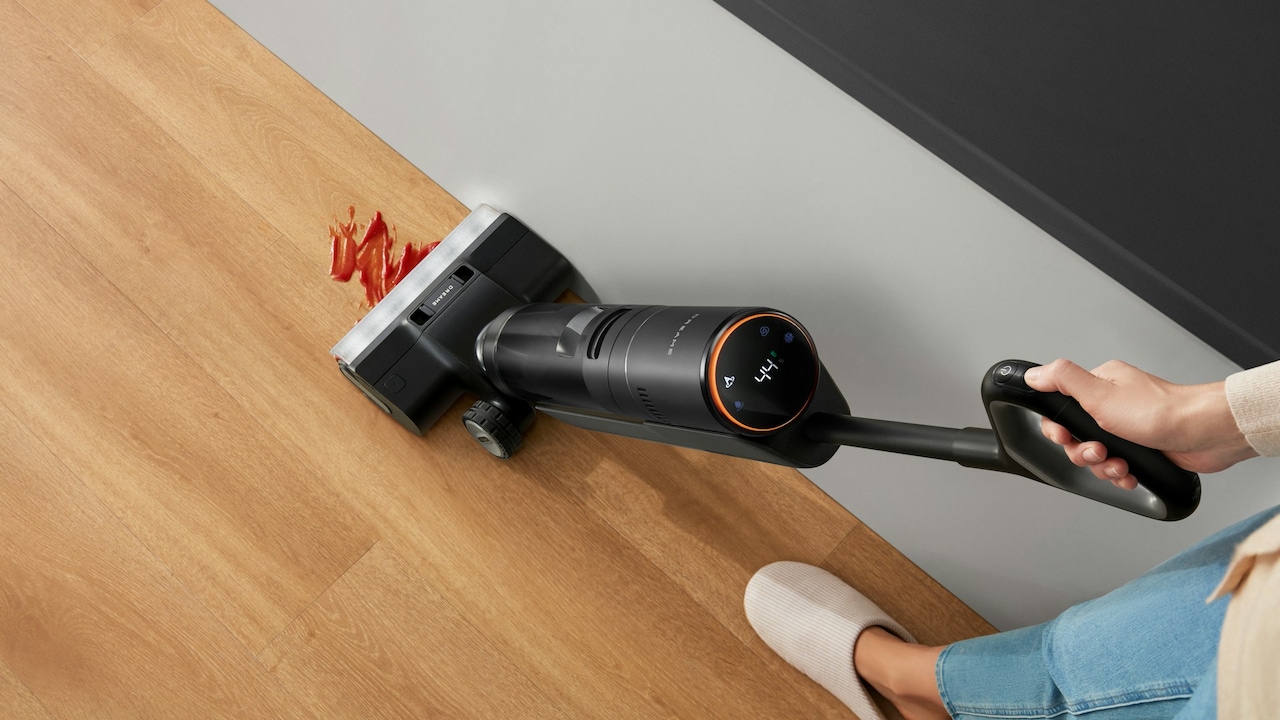
Do not judge a machine only by the advertised runtime. A claim of 30 minutes may apply to the lowest power setting with no motorised attachment. Turbo mode may last only eight or ten minutes. Read the runtime for each setting and consider the cleaning tasks at home.
A 12-minute high-power runtime can prove sufficient for car seats or sofa corners, provided the suction remains strong. A weak 40-minute machine may simply prolong the struggle.
Removable batteries add value because they allow replacement when capacity declines. They also extend cleaning time when a spare battery remains ready. Before buying, check the cost and availability of replacements. A sealed battery can turn an otherwise healthy vacuum into electronic waste after a few years.
Always compare battery and running time to find a model that suits your requirements; Photo Credit: Unsplash
Inspect The Seals And Internal Air Path
Strong suction requires a properly sealed system. Air should enter through the nozzle, travel through the dust chamber and filter, and exit through the exhaust. Gaps around the bin, filter housing, or attachments allow air to escape and reduce pickup power.
Product photographs may not reveal seal quality, so inspect the machine in person when possible. Rubber gaskets around the dust bin and filter compartment should look firm and evenly fitted. The bin should lock into place without wobbling.
Attachments also need a snug connection. A crevice tool that shifts during use can leak air and lose suction at the exact spot where concentrated power matters most.
The internal air path should look direct rather than unnecessarily complicated. Sharp bends, narrow channels and awkward joints encourage debris to collect. Hair, thread and tiny bits of plastic can create hidden blockages that gradually weaken performance.
A well-built vacuum often sounds smoother because air moves efficiently. Excessive whistling may suggest a gap or obstruction. Noise alone cannot confirm quality, but strange changes in pitch often signal airflow trouble.
Good sealing may not feature prominently in advertisements, yet it separates a genuinely efficient vacuum from a noisy gadget with more enthusiasm than ability.
Match The Nozzles To Everyday Cleaning
Suction figures mean little when the nozzle cannot reach or grip the dirt. A broad opening may work well for crumbs but struggle with fine dust. A narrow crevice tool concentrates suction, though it covers less area. The right attachments help the vacuum use its power efficiently.
For sofas and mattresses, a motorised brush can lift hair and fibres that ordinary suction leaves behind. Homes with pets may benefit from a rubberised tool, as hair tends to wrap less tightly around rubber fins than around bristles.
A crevice nozzle handles car-seat gaps, window channels and corners behind furniture. A soft brush works better for keyboards, shelves, lamps and delicate surfaces.
Avoid kits packed with attachments that will spend their lives in a drawer. Three useful tools offer more value than eight flimsy ones. Check how securely each attachment fits and whether replacements remain available.
Nozzle maintenance also affects suction. Hair wrapped around a brush roller forces the motor to work harder. Crumbs lodged inside a narrow tube restrict airflow. Choose tools that open easily for cleaning.
The best attachment set should match actual habits, not an imaginary weekend filled with enthusiastic deep cleaning.
Consider The Motor's Heat Management
Heat quietly damages vacuum performance. A motor that becomes too hot may reduce power automatically or shut down to protect itself. Repeated overheating can also shorten the life of the battery and internal components.
Compact handheld vacuums face a particular challenge because their small bodies leave less room for airflow and cooling. A powerful motor squeezed into a poorly ventilated shell may deliver impressive suction for two minutes before becoming uncomfortably hot.
Look for visible exhaust vents that do not sit directly beneath the gripping area. Reviews often mention whether the body heats up during extended use. A little warmth remains normal, but rapid or intense heating suggests inefficient design.
Blocked filters and full dust bins also increase heat because the motor must work harder to pull air through the system. That makes easy maintenance even more important.
Some models include automatic temperature protection. This feature can prevent damage, though frequent shutdowns still disrupt cleaning. Good engineering should control heat before protection becomes necessary.
A well-cooled vacuum maintains more consistent suction and usually lasts longer. It also saves users from holding a machine that feels like a freshly heated tiffin box during an innocent attempt to clean the car.
Check Spare Parts And Service Support
A handheld vacuum contains several parts that wear out. Filters become thin, batteries lose capacity, seals loosen and brush rollers collect damage. Easy access to replacements can extend the machine's life by years.
Before buying, search the brand's official support information or ask the seller about filters, batteries, bins and charging adaptors. Prices should remain reasonable in relation to the vacuum's original cost. A ₹5,000 machine loses its appeal when a replacement battery costs nearly ₹4,000.
Service support matters too. Large online discounts sometimes apply to imported models with no reliable repair network. Such a vacuum may work beautifully until one small plastic latch breaks. After that, the entire appliance may sit in a cupboard as a reminder of optimistic shopping.
Check the warranty length and read what it covers. Some warranties protect only the motor, while others exclude batteries or accessories. Clear terms usually signal a more organised brand.
Local service availability provides extra reassurance, especially for machines used frequently. Even a basic inspection or battery replacement can restore suction and prevent unnecessary disposal.
A vacuum should not become useless because one filter disappears from the market. Spare-part access turns a convenient gadget into a sensible long-term purchase.
Read Reviews For Performance After Several Months
Freshly unboxed vacuums often perform well. The real test begins after repeated exposure to dust, hair, crumbs and enthusiastic family members who forget to empty the bin.
Look for reviews written after three, six or twelve months of use. These accounts reveal battery decline, filter clogging, loose seals and broken latches. They also show whether the vacuum maintains suction after regular cleaning.
Pay attention to patterns rather than isolated complaints. One faulty unit can reach any buyer. Dozens of comments about the same weak battery or blocked filter suggest a design problem.
Reviews from people with similar needs provide the most value. A person cleaning pet hair from fabric seats tests the machine differently from someone dusting a bookshelf once a week. Video reviews can help, but polished demonstrations sometimes use carefully chosen debris and fully charged batteries.
Watch for practical details. Does the vacuum pick up fine dust after larger crumbs? Does hair clog the mesh? Does turbo mode remain useful after ten minutes? These observations matter more than dramatic unboxing reactions.
Reliable products build a history. A slightly older model with consistent long-term feedback may prove wiser than a newly launched machine surrounded by bright banners and suspiciously perfect praise.
Products Related To This Article
1. SEZNIK Vacuum Cleaner for Home Use
2. Portronics AirCop 2-in-1 Cordless Vacuum & Air Blower with Dual BLDC Motors
3. Xech Vacuum Cleaner with Blower & Inflator
4. Eureka Forbes Compact 700 Watts Powerful Suction & Blower Vacuum Cleaner
5. AGARO Regal Plus Upright Vacuum Cleaner
6. WOSCHER AirVac Car Vacuum Cleaner 2in1 & Tyre Inflator for Car and Bike 150 PS
7. Tineco S5 Combo Cordless Wet & Dry Vacuum Cleaner
A handheld vacuum cleaner should tackle small messes quickly and quietly. It should not demand a filter wash halfway through every job or lose courage at the sight of sofa lint.
To find a model that keeps its suction, focus on the complete airflow system. Strong cyclonic separation, washable filters, a sensible dust bin and secure seals all help the motor work efficiently. Battery quality, heat control and suitable attachments matter just as much as headline power figures.
Long-term value also depends on practical support. Replaceable batteries, affordable filters and accessible service can keep a vacuum useful well beyond its warranty period. Reviews from long-term users offer the clearest picture of how a machine behaves after the showroom shine disappears.
The cheapest option may save a few hundred rupees at checkout, but repeated replacements soon erase that saving. A thoughtful purchase costs less over time and avoids plenty of irritation.
Choose a vacuum that feels easy to open, clean, charge and maintain. When the next trail of biscuit crumbs appears five minutes before the doorbell rings, dependable suction will feel less like a specification and more like a minor household superpower.
(Disclaimer: This article may include references to or features of products and services made available through affiliate marketing campaigns. NDTV Convergence Limited (“NDTV”) strives to maintain editorial independence while participating in such campaigns. NDTV does not assume responsibility for the performance or claims of any featured products or services.)