Dry Iron Buying Guide: Soleplate, Weight, Wattage And Temperature Control
Choose the right dry iron by comparing soleplate type, weight, wattage, temperature control, safety features and price for smoother, quicker and safer ironing.
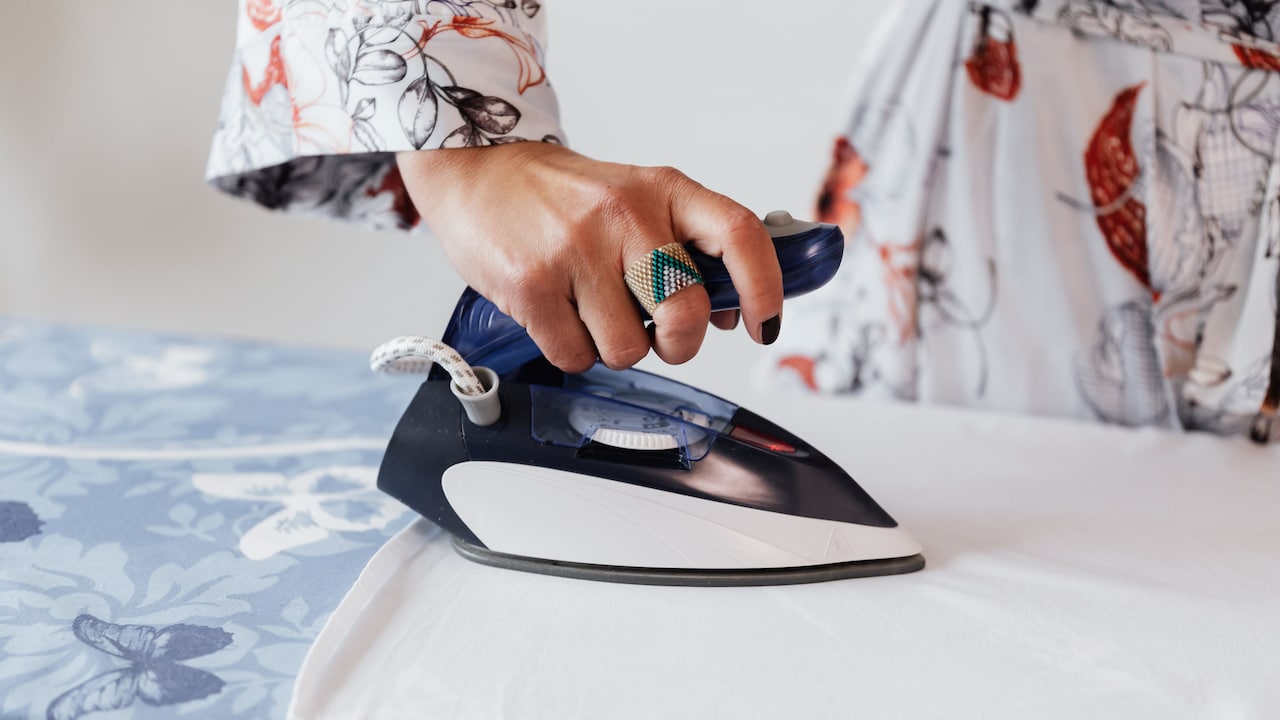
Dry Iron Buying Guide: 10 Features To Check Before You Buy
A neatly pressed shirt can rescue a rushed morning. A crisp kurta can sharpen a festive look, while a well-ironed school uniform often creates the small miracle of appearing organised before breakfast. Yet the appliance behind all this rarely receives much attention until it drags across fabric, overheats a favourite top or leaves a shiny patch on dark trousers. Dry irons remain popular because they are straightforward, affordable and easy to maintain. They contain no water tank, produce no steam and demand little preparation. Plug one in, select the temperature and start ironing. That simplicity makes them useful for regular cotton clothing, office wear, uniforms, household linen and garments that do not require heavy steam.
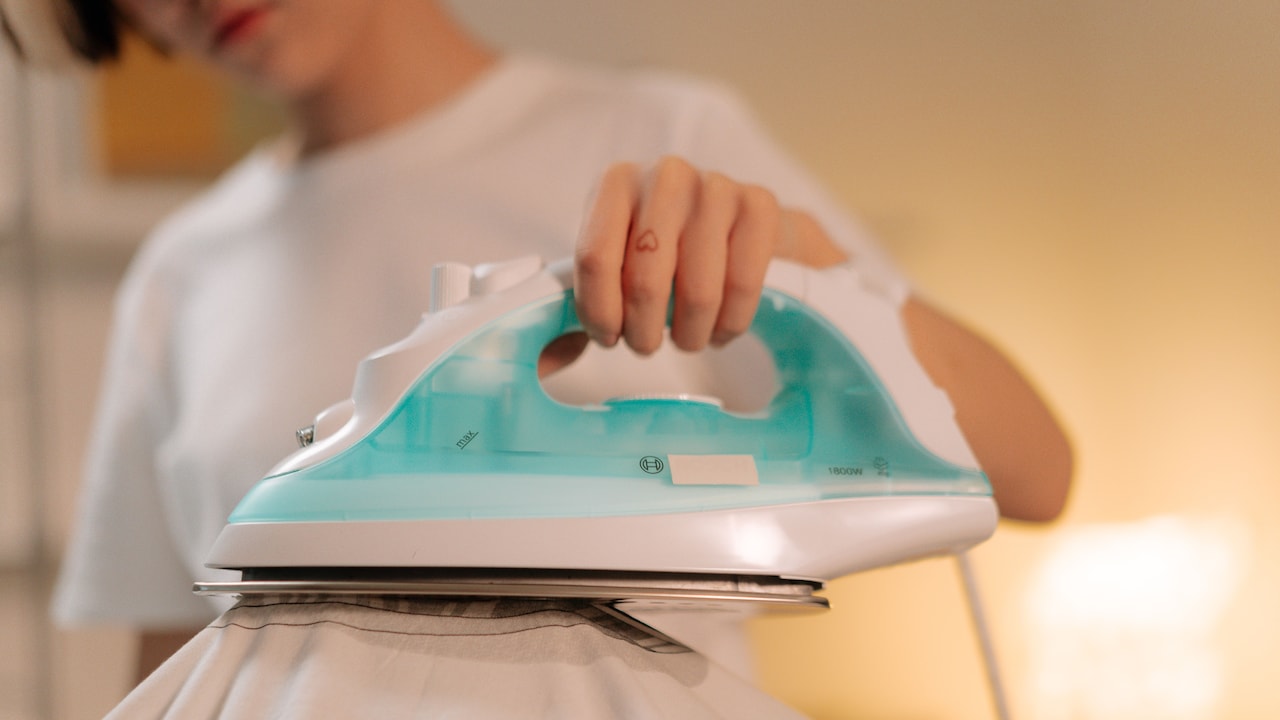
Dry Iron Buying Guide: 10 Features To Check Before You Buy; Photo Credit: Pexels
However, not every dry iron performs equally well. Some heat quickly but feel awkward in the hand. Others glide beautifully yet struggle with thick fabric. A low-priced model may save money at the counter but consume more time during every ironing session. The following ten factors explain how to choose a dry iron that suits daily routines, fabric needs and household budgets.
Key Factors To Consider Before Buying A Dry Iron
1. Choose The Right Soleplate Material
The soleplate touches every garment, so its material deserves close attention. Aluminium soleplates heat quickly and keep the appliance light. They often appear in affordable models, making them suitable for occasional use. However, untreated aluminium may scratch over time and can sometimes become sticky if fabric melts onto the surface.
Non-stick coated soleplates offer smoother movement across cotton, polyester and blended fabrics. They also reduce the chance of cloth sticking when the temperature rises slightly too high. The coating needs gentle care, though. Metal buttons, rough zips and abrasive cleaning pads can damage it.
Stainless steel soleplates feel durable and spread heat evenly. They glide well across larger garments and resist scratches better than many coated surfaces. Ceramic coatings also distribute heat efficiently and work well on delicate material, although they may chip if the iron falls.
For most households, a good-quality non-stick or stainless steel soleplate offers the best balance. Check that the surface looks smooth, the edges feel well finished and the coating appears uniform. A cheap, uneven soleplate can turn ironing into a wrestling match with sleeves.
Also Read: Shop The Top 5 Irons That Will Not Let You Down: Flawless Garments And Durable Models
2. Consider The Iron's Weight
Weight affects both pressing power and comfort. A heavier iron naturally pushes down on thick cotton, denim and stubborn creases. It can reduce the need to press forcefully, which helps when ironing trousers, bedsheets or traditional garments made from dense fabric.
However, extra weight can tire the wrist during longer sessions. Anyone ironing several school uniforms, office shirts and household items in one sitting may find a bulky model uncomfortable. A very light iron creates the opposite problem. It feels easy to move but may require repeated passes over difficult wrinkles.
A balanced dry iron usually weighs enough to press fabric without feeling like a dumbbell. The handle and weight distribution matter just as much as the number printed on the box. An iron that feels front-heavy may strain the wrist, while a well-balanced model moves more naturally.
When possible, hold the appliance before buying. Lift it, tilt it and mimic a few ironing movements. For regular household use, a medium-weight model often works best. Elderly users or people with wrist discomfort may prefer a lighter appliance with a broad soleplate that covers more fabric in each stroke.
3. Match Wattage With Daily Use
Wattage shows how much electrical power the iron uses and gives a rough idea of how quickly it can heat. A higher-wattage iron generally reaches the selected temperature faster and recovers heat more efficiently while moving across fabric.
Models around 750 to 1,000 watts can handle light or occasional ironing. They may suit a hostel room, a small household or someone who irons only a few garments at a time. For regular use, an appliance between 1,000 and 1,500 watts often provides a more practical balance between heating speed and power consumption.
Higher wattage does not automatically guarantee better performance. Soleplate quality, thermostat accuracy and heat distribution also matter. A poorly designed 1,500-watt iron may still create hot spots, while a well-made 1,000-watt model can deliver steady results.
Consider the household's usual ironing load. A family pressing uniforms and workwear every morning will appreciate quicker heating. Someone ironing once a week may not notice the difference. Also check the electrical socket and wiring, especially in older homes. A reliable branded plug and proper earthing matter more than chasing the biggest wattage number on the shelf.
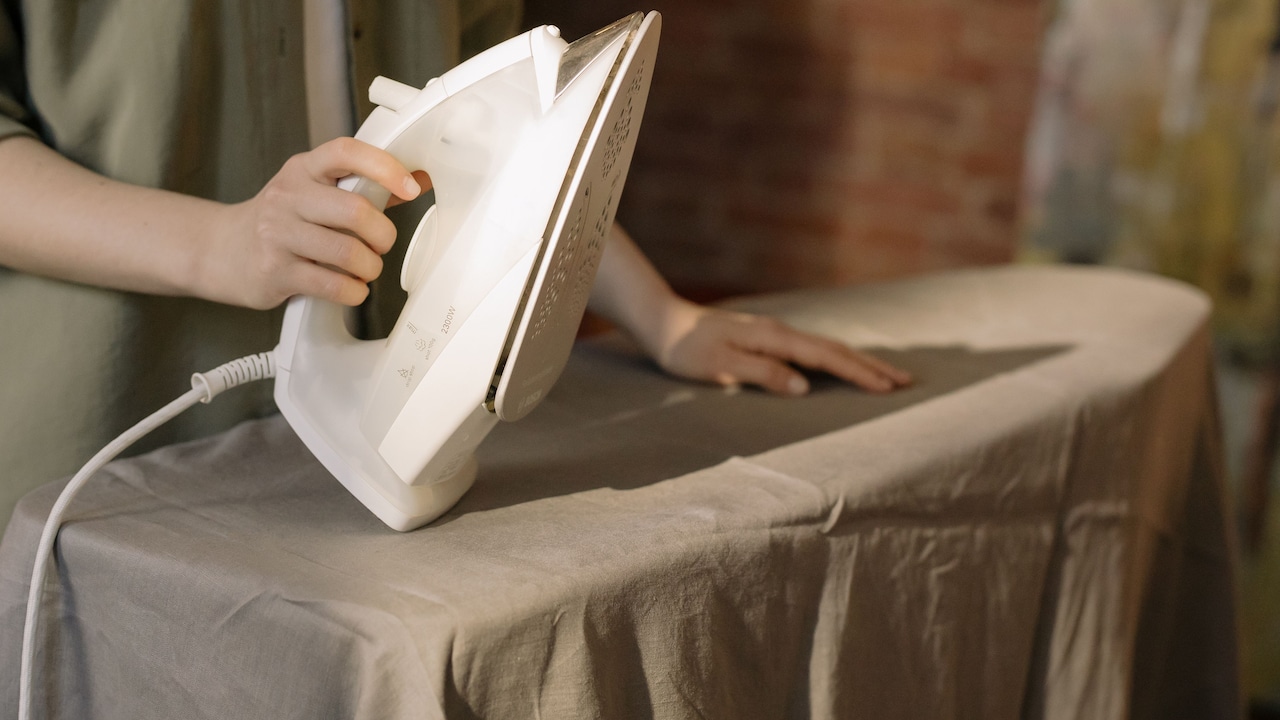
Dry Iron Buying Guide: 10 Features To Check Before You Buy; Photo Credit: Pexels
4. Look For Accurate Temperature Control
Different fabrics need different temperatures. Cotton and linen tolerate high heat, while nylon, polyester and silk demand a gentler setting. A dependable temperature control dial helps protect clothes and prevents the unpleasant smell of overheated synthetic fabric.
Most dry irons use a rotary dial marked with fabric names, temperature levels or dots. Clear markings make the appliance easier to operate, especially in a busy household where several people may use it. The dial should turn smoothly but remain firm enough to avoid accidental changes.
Thermostat accuracy matters because the soleplate should maintain a stable temperature. If the iron becomes too hot, it may scorch fabric or create shiny marks. If it cools too quickly, creases will refuse to disappear no matter how many times the iron passes over them.
Begin with low-temperature garments and move towards heavier fabrics. This saves time because the iron heats faster than it cools. A small test on an inner seam can prevent expensive mistakes, particularly with embroidered or blended material.
Temperature control may sound like a basic feature, but it separates a trustworthy appliance from one that treats every garment like a kitchen dosa pan.
5. Check The Shape Of The Soleplate
Soleplate shape influences how easily the iron reaches collars, pleats, cuffs and narrow spaces between buttons. A pointed tip works well for formal shirts, children's uniforms and garments with detailed stitching. It slips into corners that a broad, rounded nose may miss.
The rear edge also matters. A slightly curved back allows smoother reverse movement and reduces the chance of fabric bunching. This becomes useful when ironing large items such as pillow covers, saree sections or bedsheets.
A broad soleplate covers more area in each pass, saving time on flat garments. However, an oversized base may feel clumsy around small sleeves or decorative sections. The ideal shape depends on the clothes that appear most often in the laundry basket.
Look underneath the iron and study the overall design rather than focusing only on the finish. The plate should sit evenly on a flat surface without wobbling. Its edges should feel smooth, with no sharp corners that might catch loose threads.
For mixed household use, choose a moderately broad soleplate with a narrow, tapered tip. It combines speed with precision and keeps button areas from becoming tiny ironing obstacle courses.
6. Examine The Handle And Grip
A comfortable handle can make a bigger difference than a flashy exterior. Ironing involves repeated forward and backward movements, so the grip should feel secure without forcing the fingers into an awkward position.
Look for a handle with enough space for the whole hand. Small or narrow handles may feel cramped, particularly during long sessions. A textured or rubberised grip helps prevent slipping when palms become warm. Smooth plastic can still work well if the shape supports the hand properly.
The distance between the handle and temperature dial also deserves attention. Fingers should not accidentally touch the hot body of the iron while adjusting the controls. The handle should remain reasonably cool, even after the appliance has been running for several minutes.
People with smaller hands may prefer a compact model, while those with larger hands need more clearance. This is one reason buying only by online photographs can feel risky. Product dimensions and customer feedback can provide useful clues when a physical trial is not possible.
A good handle makes the iron feel like an extension of the hand. A poor one turns ten minutes of pressing into a wrist complaint that lasts until lunchtime.
7. Inspect The Power Cord Design
The power cord affects movement, safety and convenience. A short cord may force the ironing board or table close to the socket. A longer cord offers more flexibility, especially in rooms where plug points sit in inconvenient corners.
A swivel cord is particularly useful. It rotates at the connection point and reduces tangling while the iron changes direction. Without this feature, the cord may twist around the wrist, drag across freshly pressed fabric or knock small items from the table.
Check the thickness of the cable and the quality of its outer insulation. The connection near the iron should include strong strain relief, usually visible as a reinforced flexible section. This protects the wire from repeated bending and cracking.
A three-pin plug with proper earthing provides an added layer of safety. Avoid loose plugs, thin cables or adapters that spark. The iron draws considerable power, and poor electrical accessories can create serious risks.
Cord storage also helps. Some models include a groove or clip for wrapping the cable neatly after use. It may seem like a small detail, but it prevents the cupboard from becoming a nest of tangled wires.
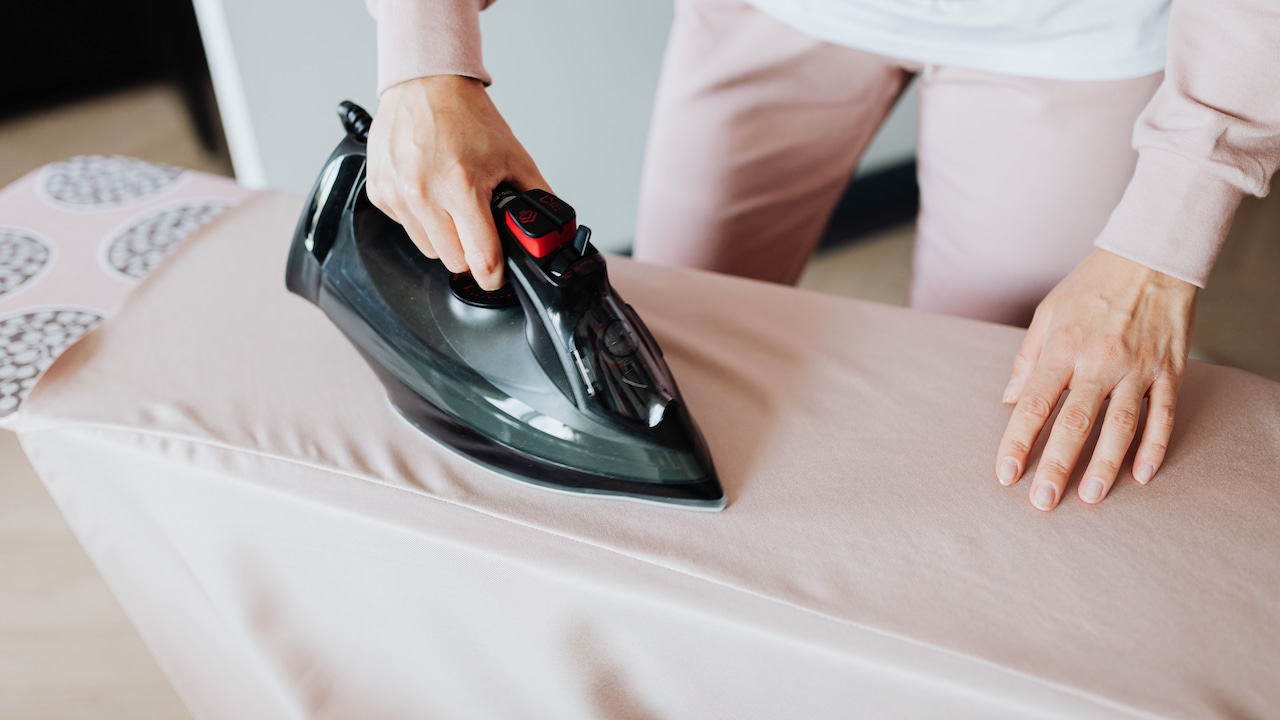
Dry Iron Buying Guide: 10 Features To Check Before You Buy; Photo Credit: Pexels
8. Prioritise Safety Features
A dry iron becomes extremely hot, so safety features should never feel optional. The most useful basic feature is a clear indicator light. It shows when the appliance is heating and usually switches off when the selected temperature has been reached.
An automatic shut-off system offers greater protection. Depending on the model, it may cut power when the iron remains motionless for a certain period. This feature can help in homes where mornings involve ringing phones, boiling milk, missing socks and several competing emergencies.
The heel rest should feel wide and stable. The iron must stand upright without wobbling when placed on a flat surface. A narrow or poorly designed heel can cause the appliance to tip over, damaging clothes, furniture or flooring.
Heat-resistant body materials and well-insulated handles also reduce accidental burns. Check that the temperature dial sits away from the hottest sections.
Never leave a plugged-in iron unattended, even with safety features. Automatic systems provide backup, not permission to forget the appliance. After use, unplug the iron, place it upright and allow it to cool fully before storage. A hurried cupboard can become a melted-plastic surprise nobody ordered.
9. Compare Price, Warranty And Brand Support
Dry irons are available across a wide price range, from basic models below ₹1,000 to premium options costing several thousand rupees. The best choice depends on build quality, expected use and after-sales support rather than price alone.
A basic model may work well for occasional ironing, but daily users should consider stronger construction, a dependable thermostat and a durable soleplate. Spending slightly more can make sense when the appliance will operate every morning for years.
Check the warranty period and read what it covers. Some warranties include manufacturing defects but exclude damaged coatings, broken cords or accidental drops. Keep the invoice, warranty card and packaging details until the return period ends.
Brand service availability also matters. A famous name offers little comfort if the nearest authorised centre sits several towns away. Look for accessible customer support, spare parts and clear service procedures.
Online discounts can reduce the price, but compare the exact model number before celebrating a bargain. Similar-looking irons may differ in wattage, soleplate coating or warranty terms.
Value comes from reliable performance over time. A ₹1,500 iron that lasts several years may prove cheaper than a ₹700 model replaced every monsoon.
10. Think About Maintenance And Storage
A dry iron requires less maintenance than a steam iron because it has no water tank or mineral deposits. Even so, regular care keeps the soleplate smooth and the appliance safe.
Allow the iron to cool completely before cleaning. Wipe the soleplate with a soft, slightly damp cloth. For stubborn marks, use a cleaner recommended by the manufacturer. Avoid knives, metal scrubbers and harsh powders because they can scratch the surface or remove non-stick coating.
Melted synthetic fabric needs careful treatment. Unplug the iron, let it become warm rather than hot, and gently remove the residue with a suitable wooden or soft tool. Never pour water over the appliance.
Inspect the cord regularly for cracks, exposed wires or loose connections. Stop using the iron if the cable looks damaged. Temporary tape repairs may appear clever, but electricity rarely appreciates jugaad.
Store the iron upright in a dry place. Do not wrap the cord tightly around a hot body, as this can damage the insulation. Keep the appliance away from children and crowded shelf edges.
Simple maintenance preserves heat performance, protects clothes and prevents an inexpensive appliance from causing an expensive accident.
Products Related To This Article
1. SINGER Shakti Press Heavy Weight Dry Iron with 2 Year Warranty
2. Bajaj DX-2 600W Dry Iron
3. Havells Dry Iron Dazzle 1100 Watts
4. USHA Armor 1100 watts Dry Iron with Shock Proof Plastic Body
5. SYSKA Iron Press | 2 Year Warranty | Iron Box, Dry Iron
6. PHILIPS Stainless_Steel Heavyweight Dry Iron
7. Wipro Elato GD203 1200 Watt Heavyweight Dry Iron
Choosing a dry iron becomes easier once the important features are separated from the decorative extras. The soleplate determines how smoothly the appliance glides. Weight affects pressure and comfort. Wattage influences heating speed, while accurate temperature control protects everything from thick cotton to delicate synthetic blends.
The handle, cord, heel rest, and safety features shape the everyday experience just as much as raw power. Price also needs perspective. The cheapest model may suit occasional use, but a stronger appliance with a reliable warranty often offers better value for a busy household.
Before buying, consider the clothes that need ironing most often, the length of each ironing session and the person who will use the appliance. A lightweight model may suit quick daily touch-ups. A heavier, higher-wattage iron may work better for large laundry loads and stubborn creases.
The right dry iron does not need dozens of buttons or dramatic advertising. It simply needs to heat evenly, move comfortably and treat clothes with care. When those basics come together, even a pile of wrinkled uniforms looks slightly less intimidating.
(Disclaimer: This article may include references to or features of products and services made available through affiliate marketing campaigns. NDTV Convergence Limited (“NDTV”) strives to maintain editorial independence while participating in such campaigns. NDTV does not assume responsibility for the performance or claims of any featured products or services.)