Air Fryer Buyers Regret This One Feature Most: Here Is What To Check Before Buying
Many air fryer buyers regret choosing the wrong capacity. Before spending ₹5,000–₹15,000, this is what to check to avoid daily frustration and get real value from your purchase.
Top things to check before buying an air fryer
The air fryer sits proudly on many kitchen counters these days, often marketed as the answer to guilt-free indulgence. From golden samosas to crunchy fries, it promises convenience wrapped in health. But behind the glossy advertisements and festive discounts lies a quieter reality, where many buyers wish they had chosen differently.

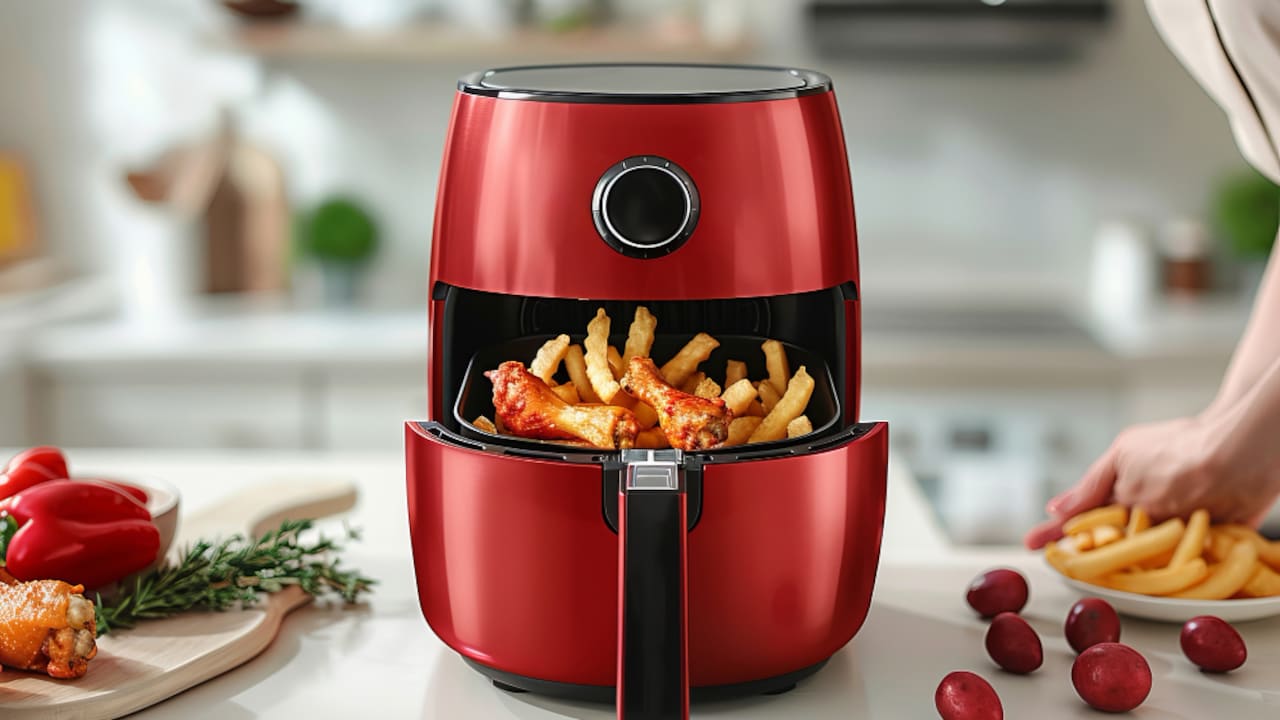
Common air fryer mistakes to avoid when buying one to get perfect results; Photo Credit: Freepik
That regret rarely comes from poor cooking results alone. Instead, it stems from small oversights that only become obvious after daily use. A basket too small for a family dinner, controls that confuse rather than simplify, or a noise level that disrupts early mornings, these are the details that turn excitement into annoyance.
Among all these, one feature stands out as the most regretted: the capacity and usability mismatch. It sounds simple, yet it affects almost every cooking experience.
Before spending ₹5,000 to ₹15,000 on an air fryer, it pays to look beyond brand names and flashy claims. A thoughtful approach can make the difference between a well-used appliance and one that gathers dust beside the mixer.
Also Read: Top 5 Air Fryers Under ₹4,000 For Low-Oil Cooking At Home
What To Check Before Buying An Air Fryer
1. Capacity And Basket Size
Capacity causes the most regret, often because expectations and reality don't align. Many buyers pick a compact model assuming it will suit everyday needs, only to discover that cooking for more than two people becomes a tedious, multi-batch process.
A 3-litre air fryer may look sufficient in the store. In practice, it struggles with larger portions like a full batch of cutlets or chicken pieces for a family dinner. This leads to uneven cooking or repeated cycles, both of which drain time and patience.
On the other hand, larger models take up more counter space, which may not suit smaller kitchens. The key lies in striking a balance between available space and actual usage.
Households that enjoy hosting or cooking full meals should lean towards 5 litres or more. Smaller households may manage with less, but even then, slightly more capacity often proves beneficial.
Many realise too late that resizing portions to fit the fryer defeats its purpose. That quiet frustration builds over time, making capacity the most commonly regretted feature.
2. Ease Of Cleaning
Cleaning rarely features in advertisements, yet it defines long-term satisfaction. A non-stick basket sounds convenient, but not all coatings last equally well.
Some models develop stubborn grease stains after a few uses, especially when cooking marinated foods. If the basket has corners or mesh designs that trap residue, cleaning becomes a chore rather than a quick rinse.
Dishwasher-safe parts can make a significant difference, but not every unit offers this. Even when it does, frequent washing may wear out coatings faster.
Ease of cleaning often determines whether the appliance becomes a daily companion or an occasional tool. Nobody enjoys scrubbing oil residue after a long day.
Buyers who overlook this aspect often find themselves using the air fryer less than expected. Convenience disappears when cleaning demands extra effort, and that defeats the entire purpose of buying one.
3. Temperature Range And Control
Temperature control plays a crucial role in achieving consistent results. Many entry-level models offer limited ranges, which restrict versatility.
Cooking delicate items like paneer or baking small desserts requires precision. If the temperature jumps too broadly or lacks fine control, food may burn on the outside while remaining undercooked inside.
Digital controls tend to offer better accuracy than manual dials. However, they also depend on user familiarity. Some find digital interfaces intuitive, while others prefer the simplicity of a knob.
The regret here comes from mismatched expectations. A buyer who enjoys experimenting with recipes may feel limited by basic controls. Conversely, someone who wants simplicity may feel overwhelmed by complex settings.
Choosing the right control system ensures that cooking remains enjoyable rather than frustrating.
4. Cooking Presets And Real Usefulness
Pre-set cooking modes often appear attractive on packaging. Buttons labelled “Fries”, “Chicken”, or “Bake” promise effortless cooking.
In reality, these presets may not always align with actual preferences or portion sizes. Cooking styles vary across households, and a one-touch setting rarely suits every situation.
Many users eventually ignore presets and rely on manual adjustments. This makes the extra cost for advanced models feel unnecessary.
However, well-calibrated presets can benefit beginners. They reduce guesswork and build confidence during initial use.
The regret arises when buyers pay extra for features they rarely use. Understanding whether presets add real value helps avoid overspending.
5. Build Quality And Durability
An air fryer may look sturdy on the outside, yet internal components matter just as much. Poor build quality often reveals itself within months, loose handles, fading displays, or inconsistent heating.
Durability becomes especially important in humid environments where appliances face wear faster. Cheap plastics may crack or warp with regular use.
A slightly higher investment upfront often saves money in the long run. Spending ₹2,000 more on a reliable model can prevent replacement costs within a year.
Many buyers regret choosing the cheapest option available, only to face repairs or replacements later. Reliability should always outweigh short-term savings.
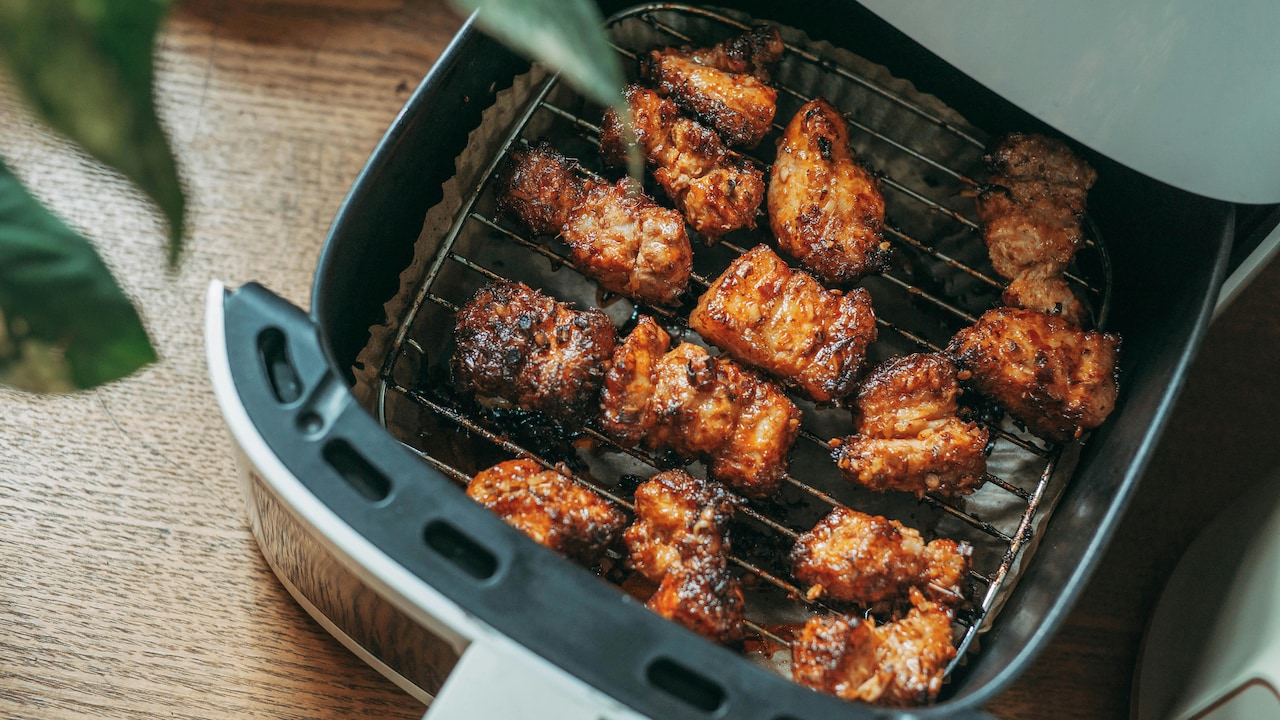
Avoid air fryers with a poor build quality to make it your long-time investment; Photo Credit: Pexels
6. Noise Levels During Operation
Noise remains an underestimated factor until the first use. Air fryers rely on powerful fans, which can produce noticeable sound.
Some models operate quietly, blending into background noise. Others sound loud enough to disrupt conversations or early morning routines.
For households with open kitchens, noise can become particularly irritating. Cooking late at night or early in the morning may disturb others.
Since this detail rarely appears in product descriptions, it often surprises buyers. Once noticed, it becomes hard to ignore.
Checking reviews or listening to a demo can help avoid this regret.
7. Size And Kitchen Space
Counter space matters more than expected. Air fryers, especially larger ones, occupy significant room.
A bulky appliance can make the kitchen feel cramped, especially in compact layouts. Moving it in and out of storage adds inconvenience.
Buyers sometimes focus on capacity without considering placement. This leads to awkward adjustments or limited usage.
A well-sized air fryer should fit comfortably without disrupting workflow. Convenience depends not just on cooking, but also on accessibility.
Choosing a model that suits both cooking needs and available space ensures long-term satisfaction.
8. Power Consumption And Efficiency
Electricity consumption often becomes noticeable over time. Air fryers typically use between 1200 to 1800 watts.
While cooking times are shorter, frequent usage can add to monthly bills. Buyers who switch from traditional frying methods may not anticipate this change.
Energy-efficient models can help manage consumption, but they may cost more initially.
Understanding usage patterns helps estimate long-term costs. Occasional use may not impact bills significantly, but daily cooking might.
Regret arises when operating costs feel higher than expected. Awareness before purchase can prevent this surprise.
9. Brand Reputation And After-Sales Service
After-sales service plays a crucial role in appliance ownership. Even the best models may require servicing or replacement parts.
Brands with strong service networks offer peace of mind. Quick support reduces downtime and frustration.
Lesser-known brands may offer attractive prices but lack reliable service centres. This can turn minor issues into major inconveniences.
Warranty terms also matter. A longer warranty often reflects confidence in product quality.
Buyers often regret ignoring this aspect, especially when repairs become difficult or expensive.
10. Price Vs Actual Value
Price often influences decisions, but value matters more. A lower-priced air fryer may seem appealing, yet it may lack essential features.
Conversely, expensive models may include features that remain unused. Finding the right balance ensures satisfaction.
Comparing features against actual needs helps avoid overspending or underbuying.
Spending ₹8,000 on a well-suited model often proves more rewarding than saving ₹2,000 on a less capable one.
The true value lies in daily convenience, reliability, and enjoyment, not just the initial price tag.
Products Related To This Article
1. Nutricook 5L Air Fryer Slim (2025) with 100% Toxin-Free Ceramic Coating
2. PHILIPS Air Fryer NA231/00 with touch panel
3. Acerpure Air Fryer
4. Milton Rapid Digital Air Fryer 4.2L
5. Cookwell Air Fryer - 5L With See Through Window
Air fryers promise convenience, healthier cooking, and modern efficiency. Yet, the experience depends heavily on choosing the right model.
The most common regret, capacity and usability mismatch, serves as a reminder that small details matter. An appliance should adapt to daily life, not the other way around.
Thoughtful consideration of features such as cleaning ease, temperature control, and build quality ensures a smoother experience. Ignoring these aspects often leads to disappointment.
A well-chosen air fryer becomes a trusted kitchen companion, simplifying meals and encouraging creativity. A poorly chosen one becomes a reminder of rushed decisions.
Taking time to evaluate needs, kitchen space, and usage habits can transform a simple purchase into a lasting investment.
(Disclaimer: This article may include references to or features of products and services made available through affiliate marketing campaigns. NDTV Convergence Limited (“NDTV”) strives to maintain editorial independence while participating in such campaigns. NDTV does not assume responsibility for the performance or claims of any featured products or services.)