Bad Odour From Drum? Can Washing Machine Cleaning Tablets Fix Hygiene Issues | Explained
Bad smells from your washing machine drum often signal hidden grime and bacteria. Can cleaning tablets fix the issue? This is what they actually do, and whether they’re worth using regularly.
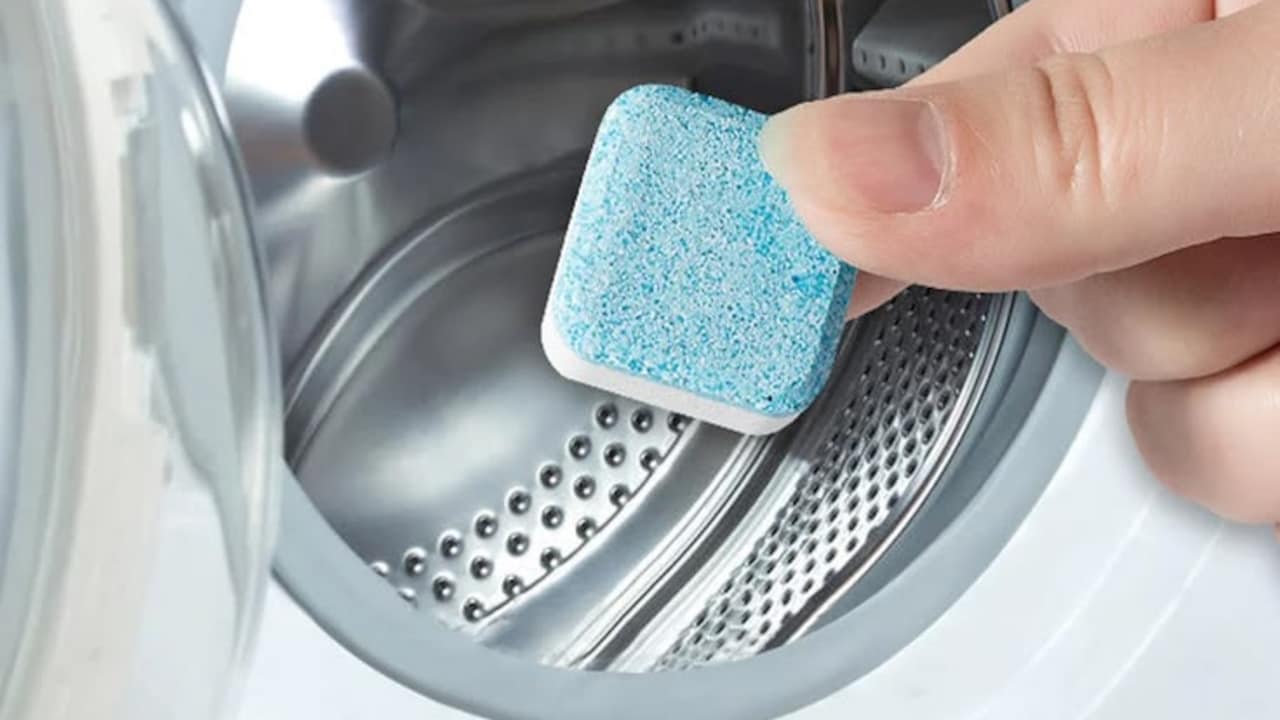
Bad Smell From Washing Machine Drum: Do Cleaning Tablets Really Work?
A washing machine is meant to leave clothes smelling fresh, yet many households face the opposite problem. The moment the door opens, an unpleasant odour escapes, making even freshly washed clothes feel questionable. It is a frustrating irony.
This issue rarely comes from one single cause. Detergent residue, damp conditions, hard water, and infrequent cleaning quietly build up inside the drum. Over time, the machine becomes a breeding ground for bacteria and mould.
Washing machine cleaning tablets have entered the market as a convenient solution. Drop one in, run a cycle, and expect a sparkling clean drum. Sounds simple, almost too simple. But can these tablets genuinely tackle hygiene concerns, or do they just mask the problem? Understanding the science and habits behind drum odour helps answer that question more clearly.
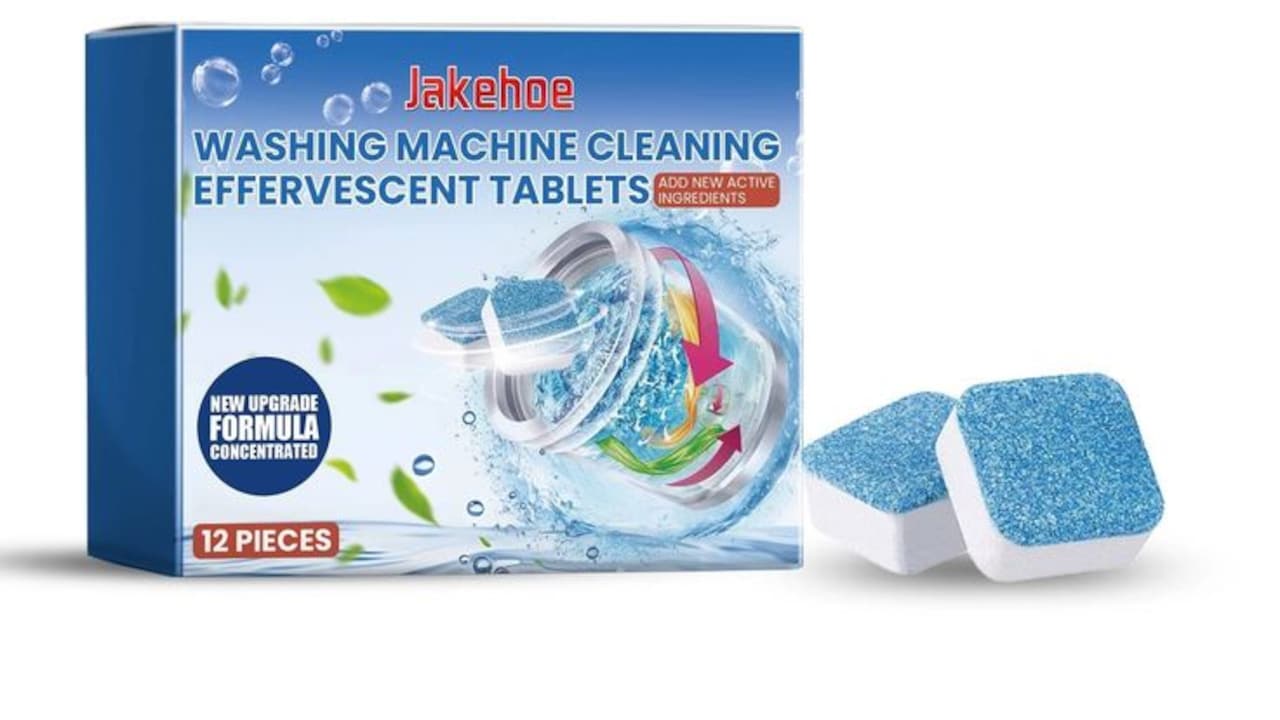
Bad Smell From Washing Machine Drum: Do Cleaning Tablets Really Work?; Photo Credit: Pexels
How To Tackle Drum Odour And Improve Washing Machine Hygiene
Why Washing Machine Drums Develop Odour
A washing machine works in a constantly moist environment. Water, detergent, and fabric fibres swirl together during every wash. While the machine cleans clothes, it also collects residue. This residue sticks to the drum, rubber gasket, and internal pipes.
Over time, trapped moisture creates the perfect setting for bacteria and mould to grow. Front-load machines tend to face this issue more often because their sealed design retains water. Add humid weather, and the situation worsens.
Hard water also plays a role. Mineral deposits cling to surfaces and trap dirt, making cleaning harder. Detergents, especially when used in excess, leave behind a sticky film. This film attracts grime and produces a stale smell.
Ignoring regular cleaning turns the washing machine into a hidden source of odour rather than cleanliness. The smell is not just unpleasant; it signals a hygiene problem that affects clothes and overall home freshness.
What Exactly Are Washing Machine Cleaning Tablets
Washing machine cleaning tablets are compact solutions designed to dissolve in water and clean the machine's interior. They contain a mix of surfactants, descaling agents, and sometimes mild disinfectants.
These tablets aim to break down detergent residue, remove limescale, and eliminate odour-causing bacteria. Once placed in the drum and run through a cleaning cycle, they work across internal components that are difficult to reach manually.
Their appeal lies in convenience. There is no scrubbing, measuring, or mixing. One tablet promises a thorough clean with minimal effort. For busy households juggling multiple chores, this simplicity feels like a blessing.
However, the effectiveness depends on the machine's condition and how often it has been cleaned before. Tablets are not magic tools. They perform best as part of regular maintenance rather than a one-time rescue solution for severely neglected machines.
Do Cleaning Tablets Actually Remove Bad Smells
Cleaning tablets can significantly reduce or eliminate odour when used correctly. They target the root cause by breaking down residue and killing bacteria.
When the smell comes from a mild to moderate build-up, a single cleaning cycle with a tablet often restores freshness. The drum feels cleaner, and clothes come out smelling as they should.
However, if the odour has developed over months of neglect, one tablet may not be enough. Deep-seated mould or thick residue requires repeated cleaning cycles. Sometimes, manual cleaning of the gasket and detergent drawer becomes necessary.
It is important to understand that tablets remove the cause, not just the smell. This makes them more effective than quick fixes like fragrances or extra detergent, which often worsen the issue.
Used regularly, they help maintain a clean environment inside the machine, preventing odour from returning quickly.

Bad Smell From Washing Machine Drum: Do Cleaning Tablets Really Work?; Photo Credit: Pexels
How Often Should Cleaning Tablets Be Used
Frequency plays a crucial role in maintaining a fresh washing machine. Using cleaning tablets once every two to four weeks keeps residue and bacteria under control.
Households that run multiple loads daily may benefit from more frequent cleaning. Heavy usage increases detergent build-up and moisture retention. In contrast, occasional users might stretch the interval slightly longer.
Seasonal changes also matter. During humid months, machines are more prone to odour due to slower drying. Regular cleaning during such periods becomes even more important.
Skipping maintenance allows residue to accumulate again, undoing the benefits of previous cleaning. A consistent routine ensures the drum stays hygienic without requiring intensive effort later.
Think of cleaning tablets as preventive care rather than a reaction to a problem. A small monthly habit can save larger cleaning hassles and keep clothes smelling fresh without extra effort.
Are Tablets Enough For Complete Hygiene
While cleaning tablets handle internal cleaning effectively, they are not a complete solution on their own. Certain parts of the washing machine need manual attention.
The rubber gasket around the door often traps lint, moisture, and small debris. This area becomes a hotspot for mould growth. Similarly, the detergent drawer collects residue that tablets may not fully remove.
Wiping these areas regularly prevents hidden build-up. Leaving the door open after each wash helps the drum dry properly, reducing moisture-related issues.
Cleaning tablets work best when combined with these simple habits. Together, they create a comprehensive cleaning routine that addresses both visible and hidden problem areas.
Relying solely on tablets without addressing these spots may lead to recurring odour. A balanced approach ensures long-term hygiene and better machine performance.
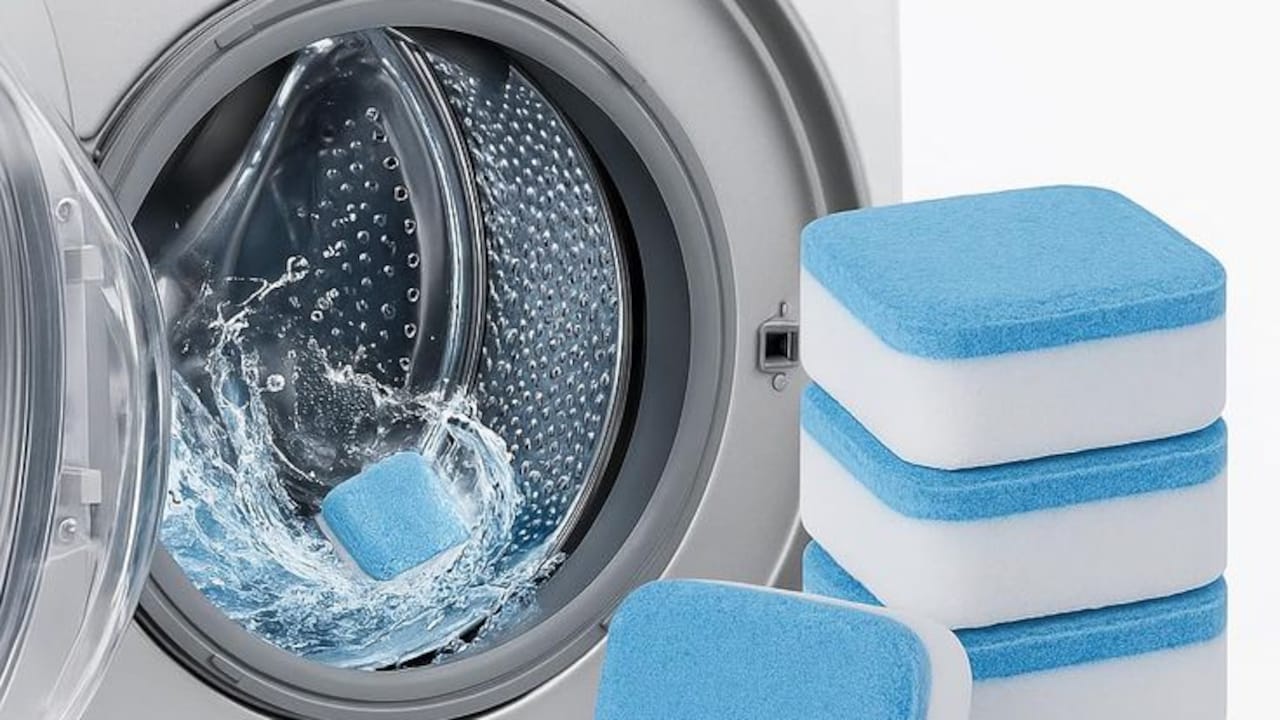
Bad Smell From Washing Machine Drum: Do Cleaning Tablets Really Work?; Photo Credit: Pexels
Cost Vs Benefit: Are They Worth It
A strip of washing machine cleaning tablets typically costs between ₹200 and ₹500, depending on the brand and quantity. At first glance, this may seem like an added expense.
However, the benefits often outweigh the cost. A clean machine improves washing efficiency, reduces detergent usage, and extends the appliance's lifespan. It also prevents the need for costly repairs caused by clogged pipes or heavy residue build-up.
Fresh-smelling clothes also reduce the need for fabric softeners or repeated washes, saving water and electricity. Over time, these small savings add up.
Compared to the inconvenience of dealing with persistent odour or machine breakdowns, cleaning tablets offer a practical and affordable solution.
They are not just a cleaning product but a maintenance tool that supports the overall health of the washing machine.
Common Mistakes That Make Odour Worse
Many households unknowingly contribute to washing machine odour through daily habits. Using too much detergent is one of the most common mistakes. Excess soap does not improve cleaning; it leaves residue behind.
Closing the machine door immediately after a wash traps moisture inside. This encourages mould growth. Leaving damp clothes in the drum for hours has a similar effect.
Skipping regular cleaning cycles allows residue to build up over time. Using only cold water washes may also contribute, as hot water helps dissolve detergent and kill bacteria more effectively.
Ignoring these habits makes even the best cleaning tablets less effective. Addressing these small mistakes can dramatically improve the machine's condition and prevent odour from developing in the first place.
Sometimes, the solution lies not just in products but in simple changes to everyday routines.
Natural Alternatives Vs Cleaning Tablets
Some households prefer natural cleaning methods such as vinegar and baking soda. These ingredients can help remove mild residue and neutralise odour.
Vinegar works as a natural descaler, while baking soda helps with deodorising. Running a hot cycle with these ingredients can provide a basic level of cleaning.
However, they may not be as effective as specialised cleaning tablets when dealing with heavy build-up or stubborn bacteria. Tablets are formulated specifically for washing machines, offering a more targeted solution.
Natural methods can still play a supportive role. Alternating between natural cleaning and tablets can maintain freshness while keeping costs low.
Choosing between the two depends on usage, budget, and the severity of the problem. For consistent performance, tablets often provide more reliable results.
Signs Your Washing Machine Needs Immediate Cleaning
A noticeable smell is the most obvious sign, but it is not the only one. Clothes coming out with a musty scent indicate deeper hygiene issues.
Visible residue on the drum or detergent drawer signals build-up. Black spots on the rubber gasket often point to mould growth.
If the machine takes longer to clean clothes or leaves them feeling less fresh, internal components may be affected. Even unusual noises can hint at residue interfering with normal operation.
Ignoring these signs can lead to bigger problems over time. Addressing them early with cleaning tablets and proper maintenance prevents further damage.
A washing machine rarely fails suddenly. It shows subtle signs first, and recognising them helps maintain both hygiene and performance.
Products Related To This Article
1. Happi Planet | Washing Machine Cleaner & Descaler Tablets
2. Klenzmo by Kleenest Washing Machine Cleaner & Descaling Powder
3. Washing Machine Cleaner Tablet 12 Pack
4. Washing Machine Cleaner Tablet
5. Zerfa 24 Pcs (21g Each, 504g Pack) Lavender-scented Washing Machine Deep Cleaner Descaler Tablets
A bad odour from the washing machine drum is more than just an inconvenience. It reflects hidden hygiene issues that can affect clothes, efficiency, and even the machine's lifespan.
Washing machine cleaning tablets offer a simple and effective way to tackle this problem. They remove residue, reduce bacteria, and restore freshness when used regularly. However, they are not a complete solution on their own.
Combining tablets with mindful habits such as proper ventilation, correct detergent usage, and occasional manual cleaning creates a well-rounded maintenance routine.
In the end, a clean washing machine does more than eliminate odour. It ensures every wash delivers the freshness expected, making daily chores feel a little more satisfying and far less frustrating.
(Disclaimer: This article may include references to or features of products and services made available through affiliate marketing campaigns. NDTV Convergence Limited (“NDTV”) strives to maintain editorial independence while participating in such campaigns. NDTV does not assume responsibility for the performance or claims of any featured products or services.)