Air Fryer Not Crisping Properly? Top 7 Mistakes Most First-Time Buyers Make
Air fryer not crisping? You might be making common beginner mistakes. From overcrowding to skipping oil, here are the simple fixes to get perfectly crispy results every time.
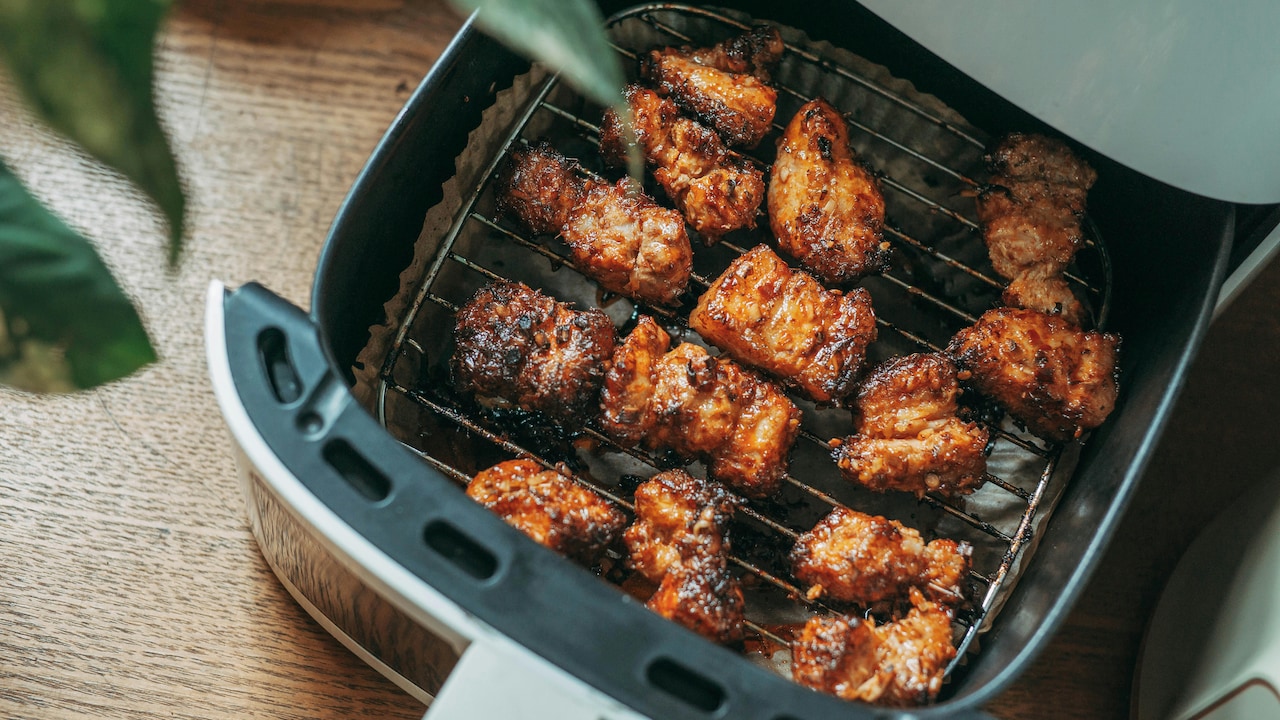
Air fryer mistakes that are stopping you from cooking crispy food
There's a certain excitement that comes with bringing home an air fryer. The promise of crispy samosas without deep frying, guilt-free fries, and quick evening snacks feels almost magical. For many households, it quickly becomes the most-used kitchen gadget, especially during those rushed weekday evenings or lazy Sunday afternoons.
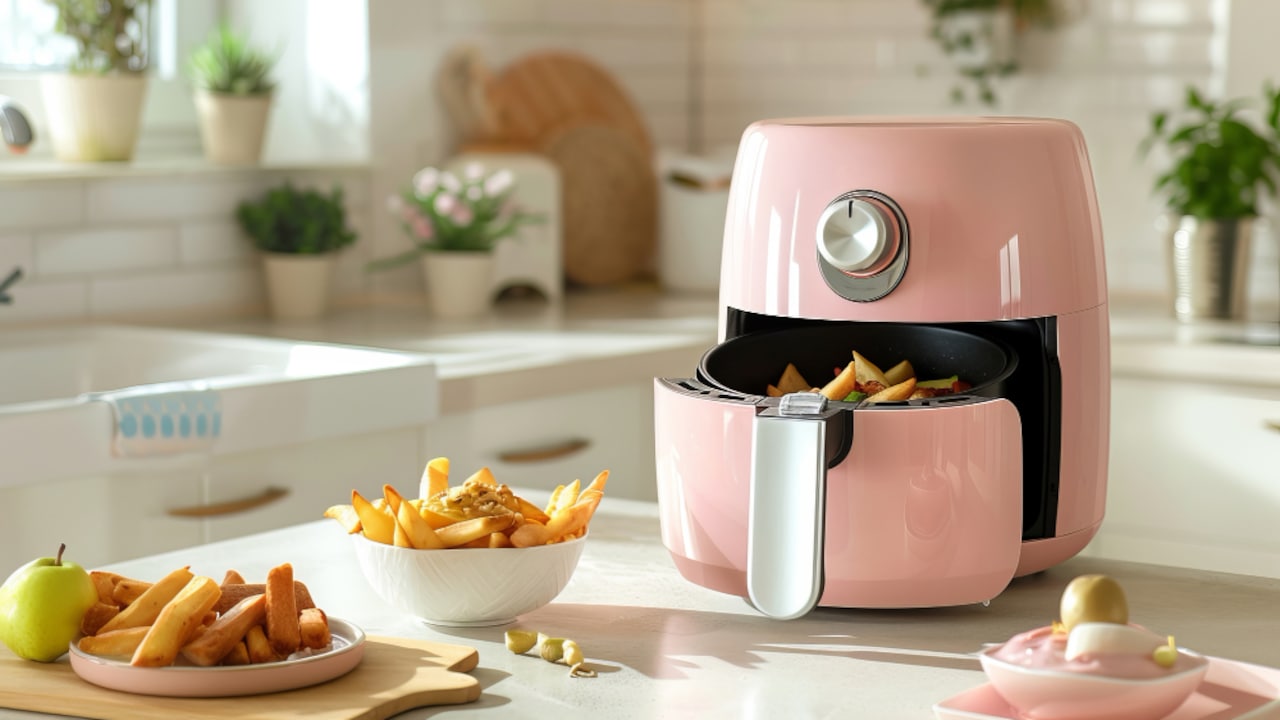
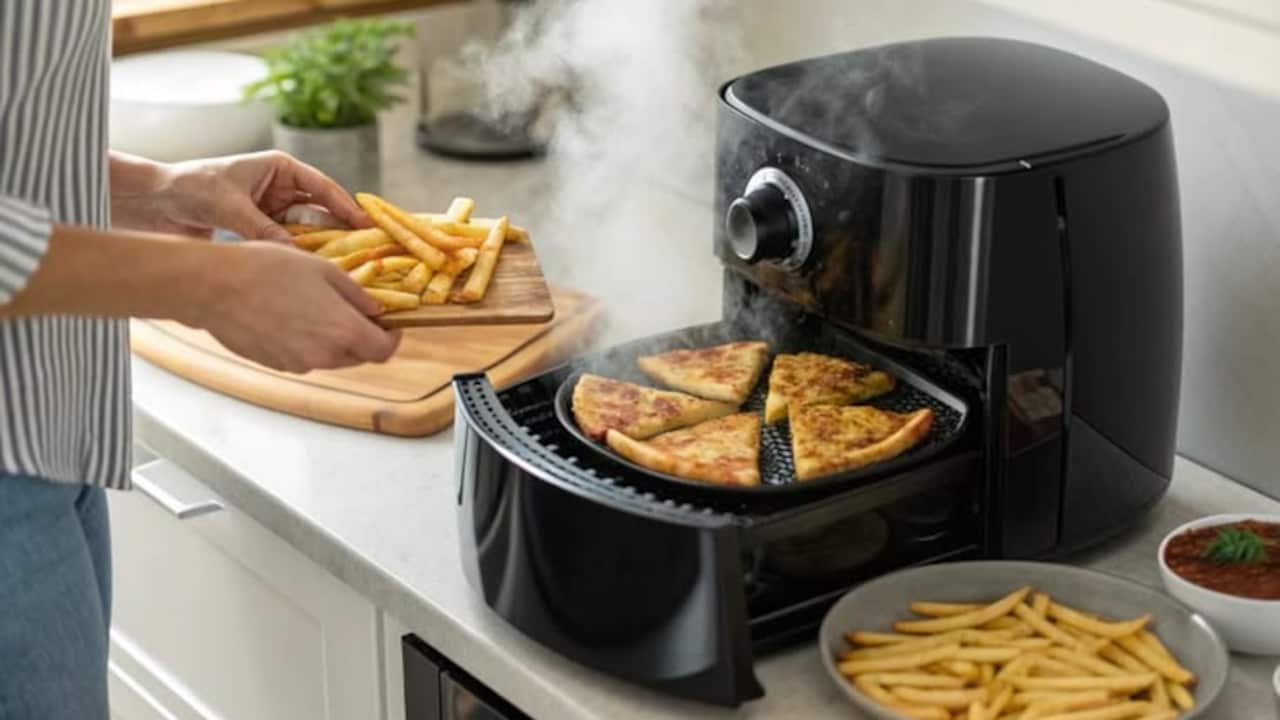
Top reasons your favourite air frier food does not turn not crispy; Photo Credit: Freepik
Yet, somewhere between the first batch of soggy fries and underwhelming pakoras, that excitement can fade. The food looks fine, but lacks that satisfying crunch. It's frustrating, especially after spending anywhere between ₹4,000 and ₹12,000 on a device that promises crisp perfection.
The truth is, air fryers are simple but not foolproof. A few small missteps can quietly sabotage the results. The good news? Most of these mistakes are easy to fix once spotted. Let's dive into the common errors that stand between a dull bite and that irresistible crunch.
Also Read: Eat Healthy Without Missing Out: Top 5 Air Fryers To Make Guilt-Free Crispy Treats
Why Your Air Fryer Isn't Delivering That Perfect Crunch
1. Not Preheating The Air Fryer Properly
One of the most overlooked steps is preheating. It sounds unnecessary at first, after all, isn't the appliance meant to cook quickly? But skipping this step often leads to uneven cooking and a lack of crispiness.
Think of it like placing rotis on a cold tawa. The texture never quite works out. Similarly, when food goes into a cold air fryer, it starts cooking slowly rather than crisping instantly. That delay affects the outer texture, leaving it soft rather than golden.
Preheating takes just three to five minutes in most models. During this time, the air fryer reaches the ideal temperature needed to create that signature crunch. Fries sizzle faster, paneer develops a light crust, and even frozen snacks cook more evenly.
Many first-time users skip this step in a rush, especially when hunger strikes. However, those extra minutes can make the difference between soggy disappointment and crispy delight. It's a small habit that pays off every single time.
2. Overcrowding The Basket Like A Pressure Cooker
The temptation to load the basket fully is real. After all, who wants to cook in batches when the whole family is waiting? But overcrowding is one of the biggest enemies of crispiness.
Air fryers work by circulating hot air around the food. When too many items are crammed together, that airflow gets blocked. Instead of frying, the food ends up steaming. The result? Soft edges, uneven cooking, and a lack of crunch.
Imagine trying to dry clothes on a packed line during monsoon season, nothing dries properly. The same logic applies here. Giving each piece enough space allows hot air to reach every surface.
Cooking in smaller batches might feel inconvenient at first, but it ensures better results. The first batch often disappears quickly anyway, making the wait worthwhile. Once the habit settles in, it becomes second nature.
3. Skipping Oil Completely In The Name Of Health
Air fryers gained popularity for reducing oil usage, not eliminating it entirely. A common misconception is that food should be completely dry. While that works for some items, most dishes need at least a light coating of oil.
Without oil, food tends to dry out rather than crisp up. That golden finish seen in advertisements often comes from a thin layer of oil reacting with heat. Even a teaspoon can make a noticeable difference.
For example, tossing potatoes in a small amount of oil before air frying helps them develop a crisp outer layer. The same applies to vegetables, cutlets, and even leftover rotis turned into chips.
The key lies in balance. There's no need for excessive oil, but skipping it entirely often leads to disappointing textures. A light spray or brush does the trick, keeping things both healthy and delicious.
4. Ignoring The Importance Of Shaking Or Flipping
Unlike traditional frying, where food cooks evenly in oil, air frying requires a bit of manual intervention. Many users set the timer and walk away, expecting perfect results without any effort.
However, food often needs to be shaken or flipped midway through cooking. This ensures that all sides get equal exposure to heat. Without this step, one side may crisp up while the other remains soft.
Take French fries as an example. If left untouched, the bottom layer tends to stay pale while the top crisps unevenly. A quick shake halfway through solves this issue instantly.
It's a small step that takes just a few seconds but significantly improves the final result. Once it becomes part of the routine, the difference in texture is hard to ignore.
5. Using The Wrong Temperature Settings
Air fryers may seem straightforward, but temperature settings matter more than expected. Many first-time users either set the temperature too low or too high, hoping for faster results.
Low temperatures often lead to soggy food because the moisture doesn't evaporate quickly enough. On the other hand, excessively high temperatures can burn the outer layer while leaving the inside undercooked.
Each type of food requires a slightly different approach. Frozen snacks need higher temperatures for crispiness, while delicate items like paneer or vegetables benefit from moderate heat.
Experimentation plays a big role here. Over time, patterns become clearer. A batch of uneven fries might feel frustrating, but it also teaches valuable lessons for the next attempt.
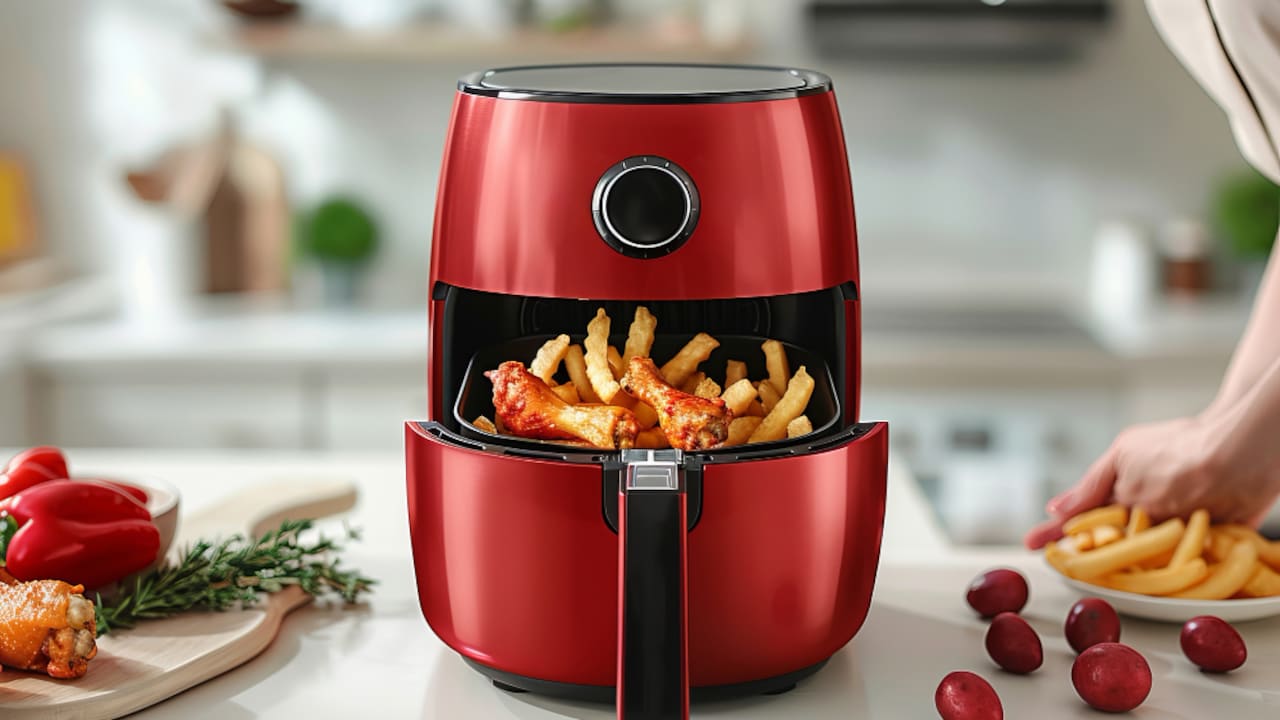
Using the air fryer at incorrect temperature settings can hamper its ability to make your food crispy; Photo Credit: Freepik
6. Not Patting Food Dry Before Cooking
Moisture is the silent culprit behind soggy results. Freshly washed vegetables or thawed frozen items often carry excess water, which interferes with the crisping process.
When moisture remains on the surface, the air fryer struggles to create that dry, crispy exterior. Instead, the food steams from within, leading to a softer texture.
Patting food dry with a kitchen towel before cooking makes a noticeable difference. It allows the heat to work directly on the surface, encouraging crispiness.
This step might seem minor, but it's especially important for items like potatoes, chicken, and vegetables. A few seconds of preparation can transform the final outcome completely.
7. Choosing The Wrong Type Of Food For Air Frying
Not everything belongs in an air fryer, especially without adjustments. Some foods naturally crisp better than others, while certain dishes need tweaks to work well.
For instance, wet batters don't perform well unless modified. They tend to drip and create a mess instead of forming a crispy coating. Similarly, overly delicate items can dry out quickly.
Understanding what works best takes time. Foods with a dry or lightly coated surface usually yield the best results. Pre-coated frozen snacks, marinated vegetables, and breadcrumb-based dishes often shine in an air fryer.
Rather than forcing every recipe into the appliance, adapting expectations helps. With the right choices, the air fryer becomes a reliable partner in the kitchen.
8. Neglecting Regular Cleaning Of The Basket
A dirty air fryer basket can quietly affect performance. Grease buildup and leftover crumbs interfere with airflow, reducing the appliance's efficiency.
Over time, this buildup can also cause unpleasant smells and uneven cooking. Food may stick more, and crispiness becomes harder to achieve.
Cleaning the basket after each use keeps things running smoothly. It doesn't require much effort, just a quick wash with warm water and mild soap.
Maintaining cleanliness not only improves results but also extends the life of the appliance. It's one of those habits that pays off in the long run.
9. Using The Wrong Accessories Or Liners
Many users add liners or accessories to simplify cleaning, but not all of them work well. Some block airflow, which directly impacts crispiness.
Using thick parchment paper or aluminium foil without proper placement can prevent hot air from circulating effectively. This leads to uneven cooking and softer textures.
If liners are used, they should allow air to flow freely. Perforated sheets or minimal coverage work best. The goal is to protect the basket without compromising performance.
Understanding how accessories interact with the appliance helps avoid unnecessary frustration. Sometimes, simplicity delivers the best results.
10. Expecting Instant Mastery Without Practice
Finally, one of the biggest mistakes is expecting perfection right away. Air fryers are easy to use, but they still require a learning curve.
The first few attempts might not turn out as expected. Fries may lack crunch, or snacks may cook unevenly. It's tempting to blame the appliance, but often it's just a matter of getting used to it.
With each use, confidence grows. Adjusting temperature, timing, and techniques becomes easier. Soon, the air fryer starts delivering consistently satisfying results.
Patience plays a crucial role here. Like any kitchen tool, mastery comes with practice. Once that stage is reached, the appliance becomes an everyday favourite.
Products Related To This Article
1. PHILIPS Digital Air Fryer HD9252/90 with Touch Panel
2. Ninja Combi 14-in-1 Multi-Cooker Air Fryer Oven (12.5L)
3. Amazon Basics 3.5L Electric Air Fryer
4. Milton Rapid Digital Air Fryer 4.2L
5. Cookwell Air Fryer - 5L With See Through Window
An air fryer can be a game-changer in the kitchen, but only when used correctly. Most crisping issues don't stem from faulty appliances but from simple, fixable mistakes.
From preheating properly to giving food enough space, each small adjustment contributes to better results. The journey from soggy to crispy isn't complicated; it just requires a bit of attention and practice.
Before giving up on the appliance or blaming the brand, it helps to revisit these common pitfalls. Often, the solution lies in a small tweak rather than a big change.
With the right approach, that perfect crunch is well within reach. And once achieved, it's hard to go back to anything less.
(Disclaimer: This article may include references to or features of products and services made available through affiliate marketing campaigns. NDTV Convergence Limited (“NDTV”) strives to maintain editorial independence while participating in such campaigns. NDTV does not assume responsibility for the performance or claims of any featured products or services.)