Induction Cooktops vs Gas: Cost, Taste And Convenience Compared
Induction vs gas: which saves money, cooks better and suits daily life? This comparison breaks down cost, taste, and convenience to help choose the right cooktop for modern kitchens.
Induction Cooktops vs Gas: Cost, Taste And Convenience Compared
The kitchen has always been more than a place to cook. It holds memories of hurried breakfasts, late-night chai, and festive feasts that stretch across hours. Yet, the tools used in this space have started to shift. Where the blue flame once ruled without question, sleek induction cooktops now hum quietly on polished countertops.
This change does not come without confusion. Some swear by the smoky aroma only a flame can deliver, while others appreciate the precision and ease of induction. The debate often turns emotional, tied to habit, comfort, and even childhood memories of meals cooked on a traditional burner.
However, beyond nostalgia lies a practical question. Which option truly works better today? With electricity bills, gas cylinder prices, safety concerns, and time constraints all playing a role, the answer is rarely straightforward.
This comparison looks closely at the everyday experience of cooking. From the cost of boiling a cup of tea to the ease of cleaning after a heavy meal, each detail matters. Because in the end, the best kitchen is not the fanciest one, but the one that quietly makes life easier.
Induction Cooktops vs Gas: Cost, Taste And Convenience Compared; Photo Credit: Pexels
Breaking Down Cost, Taste, and Convenience
Cost Of Setup And Installation
The first difference becomes clear at the point of purchase. A basic gas stove often feels like a familiar, affordable choice. Many households already have a connection, so the initial expense rarely feels overwhelming. Even a new setup, including a cylinder and regulator, stays within a reasonable range.
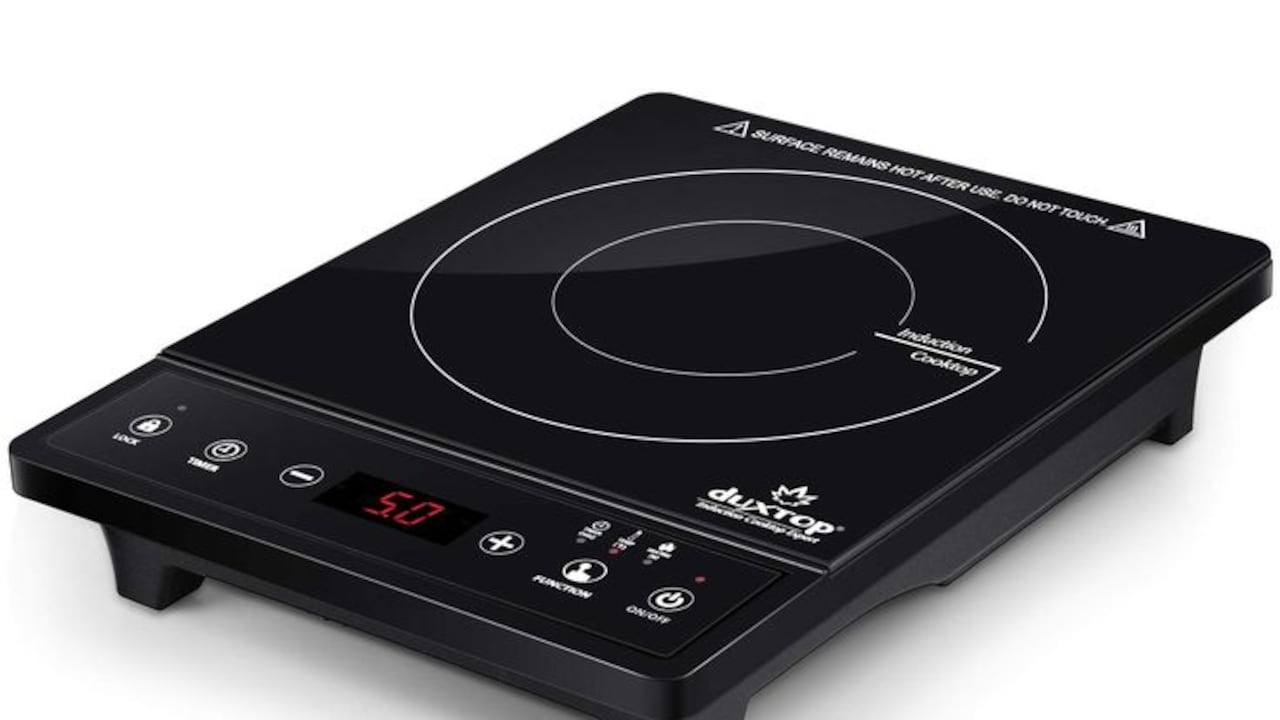
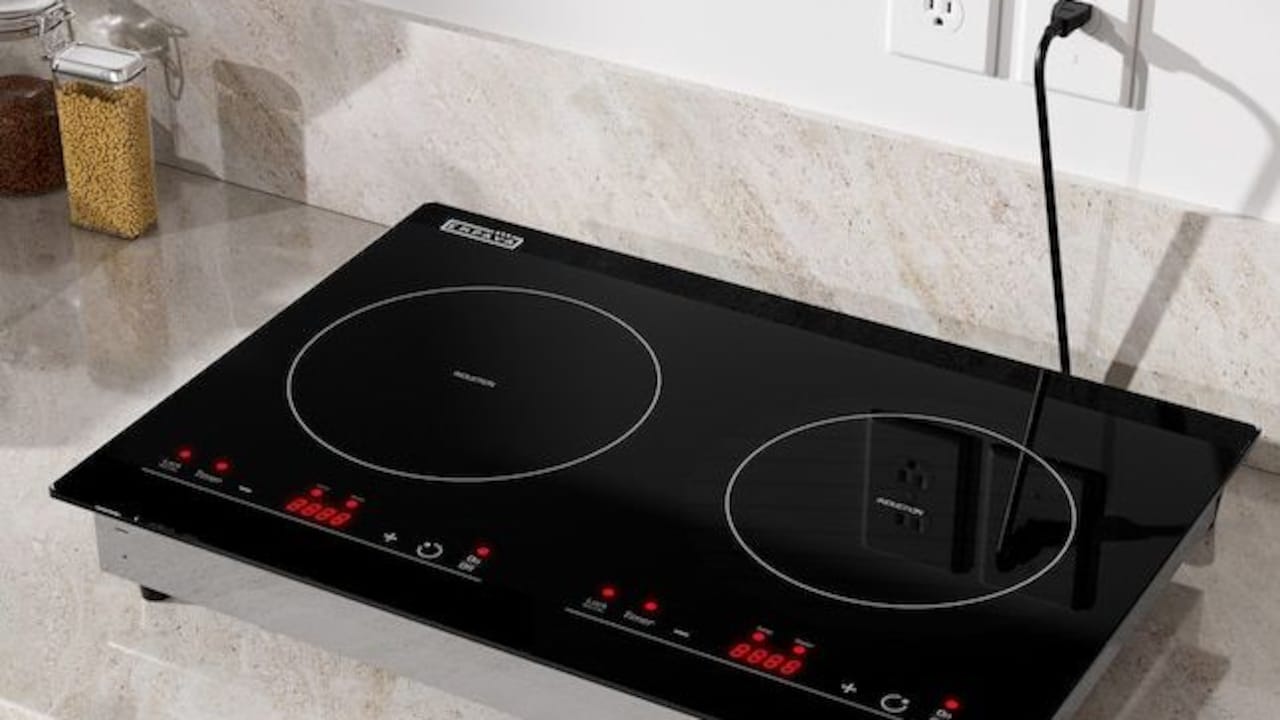
Induction cooktops, however, present a slightly different story. A simple model may start around ₹2,000, while advanced versions with multiple zones and features can climb much higher. At first glance, this might seem like a heavier investment. Yet, the absence of installation costs often balances things out. Plug it in, and it is ready.
There is also a subtle psychological factor at play. Gas feels like a one-time setup, while induction appears as an appliance purchase. This perception influences decision-making more than actual cost differences.
Over time, the initial investment becomes less significant compared to running expenses. Still, that first purchase moment often sets the tone, making gas seem traditional and accessible, while induction feels modern but slightly premium.
Running Costs Over Time
The real conversation begins after the first few months of use. Gas cylinders, once lasting comfortably, now seem to empty faster than expected. Each refill, often costing ₹1,100 or more, adds a noticeable dent to monthly budgets.
Induction cooktops rely on electricity, which shifts the expense into power bills. The actual cost depends on usage patterns and local tariffs, but efficient models consume surprisingly less power for everyday cooking. Boiling water or making tea, for instance, often takes less time and energy compared to gas.
What makes induction appealing is predictability. Electricity bills fluctuate, but not as sharply as sudden gas price hikes. This creates a sense of control, especially in households that track monthly expenses closely.
However, heavy cooking routines, such as preparing elaborate meals daily, can tilt the balance. In such cases, electricity consumption rises steadily. The decision then becomes less about which is cheaper and more about how one cooks.
Also Read: Cook Smart: 5 Best-Selling Induction Cooktops For Every Indian Kitchen
Speed And Efficiency In Cooking
Morning routines often reveal the true efficiency of a kitchen appliance. When time runs short and hunger grows louder, speed matters more than anything else.
Induction cooktops excel in this area. They heat cookware directly, reducing energy loss. Water boils quickly, and dishes come together faster. This efficiency feels particularly helpful during rushed weekdays.
Gas stoves, on the other hand, offer a slower, more gradual heat. While this may seem less efficient, it provides better control for certain dishes. Cooking on gas often feels intuitive, especially when adjusting flames for delicate recipes.
The difference becomes noticeable when multitasking. Induction allows precise temperature settings, freeing up mental space. Gas demands attention, but rewards it with a more tactile cooking experience.
In busy households, induction often feels like a silent helper. Yet, for those who enjoy the rhythm of cooking, the steady flame of gas continues to hold its charm.
Taste And Cooking Experience
Few topics spark as much debate as taste. Ask anyone about their favourite home-cooked dish, and the method of cooking often slips into the conversation.
Gas cooking carries a sense of authenticity. The flame interacts with the utensil in a way that feels organic. Certain dishes, especially those requiring roasting or direct heat, develop flavours that many find richer.
Induction, while efficient, offers a different experience. It cooks evenly and precisely, but lacks the visible flame that many associate with traditional cooking. For everyday dishes like dal, rice, or vegetables, the difference in taste is minimal. Yet, for recipes involving slow roasting or charring, gas often has an edge.
That said, modern cookware designed for induction has improved results significantly. The gap is narrowing, even if perceptions remain strong.
Ultimately, taste becomes less about the appliance and more about technique. Still, the emotional connection to a flame often keeps gas ahead in this category.
Induction Cooktops vs Gas: Cost, Taste And Convenience Compared; Photo Credit: Pexels
Safety And Peace Of Mind
Safety concerns quietly influence many decisions, especially in homes with children or elderly members. Gas leaks, though rare, remain a lingering worry. The smell of gas often triggers immediate alertness, and rightly so.
Induction cooktops offer a sense of reassurance. Without an open flame, the risk of accidental burns or leaks reduces significantly. Many models include automatic shut-off features, adding another layer of safety.
This difference becomes particularly important in smaller spaces where ventilation may not be ideal. Induction creates a cleaner, cooler environment, making the kitchen feel less intense during long cooking sessions.
Gas, however, has its own safety advantages when used properly. It continues to function during power cuts, which can be crucial in certain areas.
In the end, both options require responsible use. Yet, induction often feels like the safer companion in modern homes where convenience and caution go hand in hand.
Ease Of Cleaning And Maintenance
After a satisfying meal comes the less glamorous part, cleaning. This is where differences become strikingly clear.
Induction cooktops, with their flat glass surfaces, wipe clean effortlessly. Spills do not burn onto the surface, making maintenance quick and simple. A damp cloth often does the job, leaving the cooktop looking almost new.
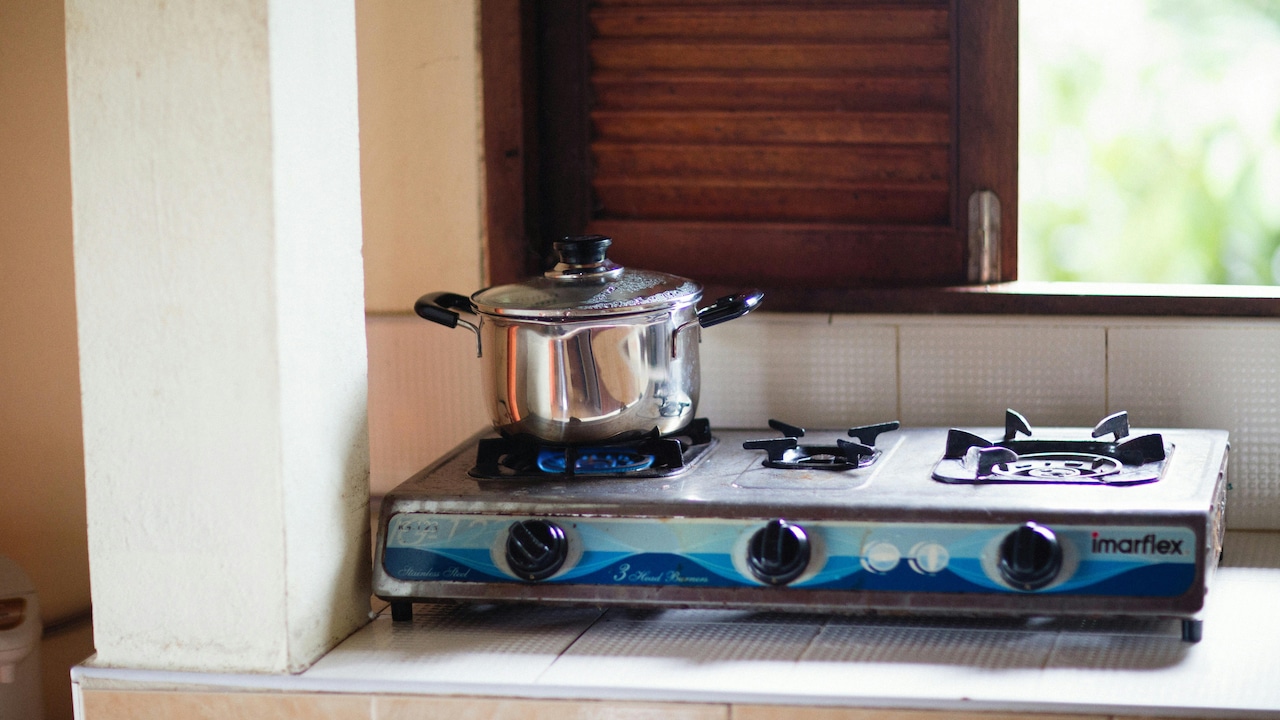
Gas stoves, with their burners and grates, demand more effort. Food particles get trapped, and cleaning becomes a slightly tedious task. Regular maintenance ensures proper functioning, but it does require time and patience.
This difference may seem minor, but over weeks and months, it adds up. A cleaner kitchen not only looks better but also feels more inviting.
For those juggling busy schedules, induction offers a clear advantage. Yet, for many, the extra cleaning effort of gas becomes part of the routine, hardly noticed after years of habit.
Dependence On Power And Availability
One of the biggest practical differences lies in dependency. Gas operates independently of electricity, making it reliable during power outages. This reliability has long made it a trusted choice.
Induction cooktops, however, rely entirely on electricity. During power cuts, cooking comes to a halt. In areas with frequent outages, this can be a significant drawback.
That said, urban infrastructure has improved considerably. Power interruptions are less common in many places, making induction more viable than before.
Still, the unpredictability of electricity supply cannot be ignored. Many households choose to keep both options available, using induction for daily convenience and gas as a backup.
This hybrid approach reflects a broader truth. Sometimes, the best solution is not choosing one over the other, but allowing them to coexist.
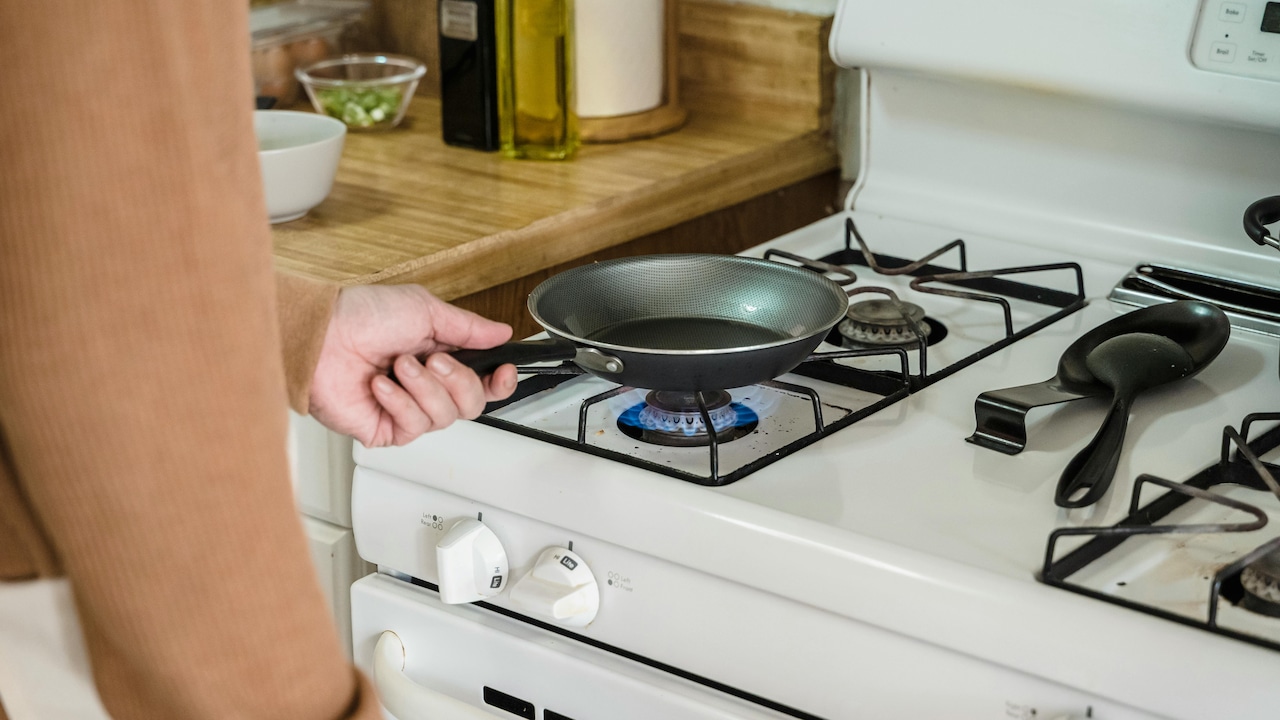
Induction Cooktops vs Gas: Cost, Taste And Convenience Compared; Photo Credit: Pexels
Learning Curve And Adaptability
Switching cooking methods is rarely instant. Gas cooking comes naturally to most, often learned through years of observation and practice.
Induction introduces a different way of thinking. Temperature settings replace flame adjustments, and cookware compatibility becomes important. This transition may feel unfamiliar at first.
However, once understood, induction simplifies cooking. Preset modes and timers reduce guesswork, making it easier for beginners. Even those who rarely cook find it approachable.
There is a small learning curve, but it rarely lasts long. Within days, most users adapt comfortably.
Interestingly, younger generations often gravitate towards induction, appreciating its simplicity. Meanwhile, experienced cooks may initially resist but gradually recognise its advantages.
Adaptability, in this case, depends less on age and more on openness to change.
Space And Kitchen Design
Modern kitchens are evolving. Compact layouts and modular designs demand appliances that fit seamlessly.
Induction cooktops align well with this trend. Their sleek appearance and minimal footprint create a clean, uncluttered look. They can be stored easily when not in use, freeing up valuable space.
Gas stoves, while functional, often occupy more permanent space. The presence of a cylinder adds to spatial considerations, especially in smaller homes.
This difference becomes significant in apartments where every inch matters. A clutter-free kitchen not only looks appealing but also improves workflow.
Design preferences also play a role. Induction complements contemporary aesthetics, while gas retains a classic, familiar presence.
Choosing between them often reflects not just cooking needs, but also the overall vision for the kitchen space.
Environmental Impact And Sustainability
Conversations around sustainability have started entering everyday decisions, including kitchen choices. Gas, being a fossil fuel, contributes to carbon emissions. While the impact of a single household may seem small, it adds up collectively.
Induction cooktops, powered by electricity, offer a cleaner alternative, especially when the electricity source includes renewable energy. Even without that, they tend to use energy more efficiently, reducing overall waste.
There is also the matter of indoor air quality. Gas cooking releases pollutants that may affect air quality over time. Induction eliminates this concern, creating a healthier cooking environment.
That said, the broader environmental impact depends on how electricity is generated. The shift towards greener energy sources will further strengthen the case for induction.
For those considering long-term sustainability, induction presents a forward-looking choice, even if the transition feels gradual.
Products Related To This Article
1. Cadlec CookFusion 2000W Induction Cooktop
2. Butterfly Smart 4 Burner Glass Top Gas Stove
3. Rico BIS-ISI Certified induction stove with Free Vessel & Lid
4. Glen Gas Stove 4 Burner Toughened Glass Top PNG Gas Stoves 55 cm
5. IBELL EMINENCE02 Induction Hob
6. Beyond Appliances Auriga Pro 3 Burner Smart Glass Gas Stove
7. Bajaj Glass Majesty ICX-3 1400W Open Heating Induction Cooktop
The choice between induction cooktops and gas stoves is not a simple matter of right or wrong. It reflects lifestyle, priorities, and even emotional connections to cooking.
Gas continues to hold its ground with its familiar flame, trusted reliability, and subtle influence on flavour. It feels rooted in tradition, offering a sense of comfort that technology cannot easily replace.
Induction, on the other hand, represents efficiency, safety, and modern living. It simplifies everyday cooking, reduces cleaning effort, and aligns well with evolving kitchen designs.
For many households, the answer lies somewhere in between. A combination of both often provides the best balance, blending tradition with convenience.
In the end, the perfect kitchen is not defined by the appliance it uses, but by the meals it creates and the memories it holds. Whether powered by flame or electricity, what truly matters is the warmth that fills the space long after the cooking ends.
(Disclaimer: This article may include references to or features of products and services made available through affiliate marketing campaigns. NDTV Convergence Limited (“NDTV”) strives to maintain editorial independence while participating in such campaigns. NDTV does not assume responsibility for the performance or claims of any featured products or services.)