Front Load vs Top Load Washing Machines: Which One Saves More Money Long-Term?
Front-load vs top-load washing machines, which truly saves more money over time? From water and electricity bills to maintenance costs, here’s a clear breakdown to help you choose wisely.
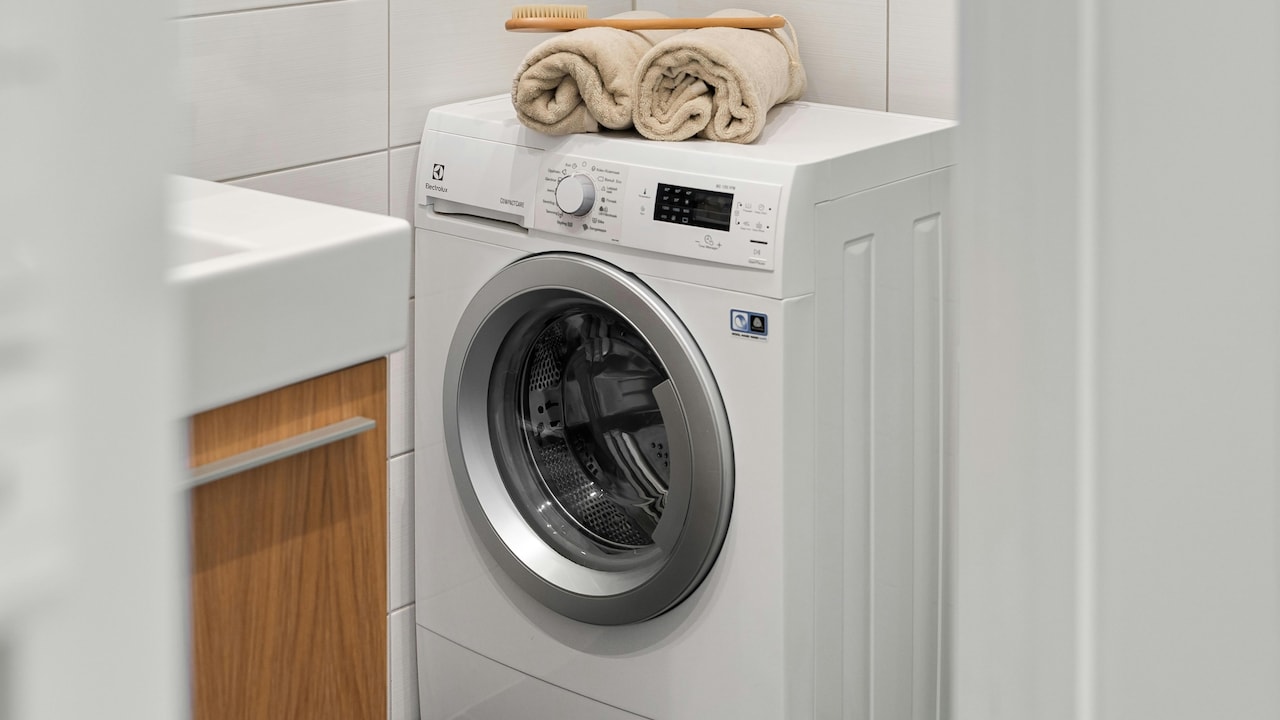
Front Load vs Top Load Washing Machines: Which One Saves More Money?
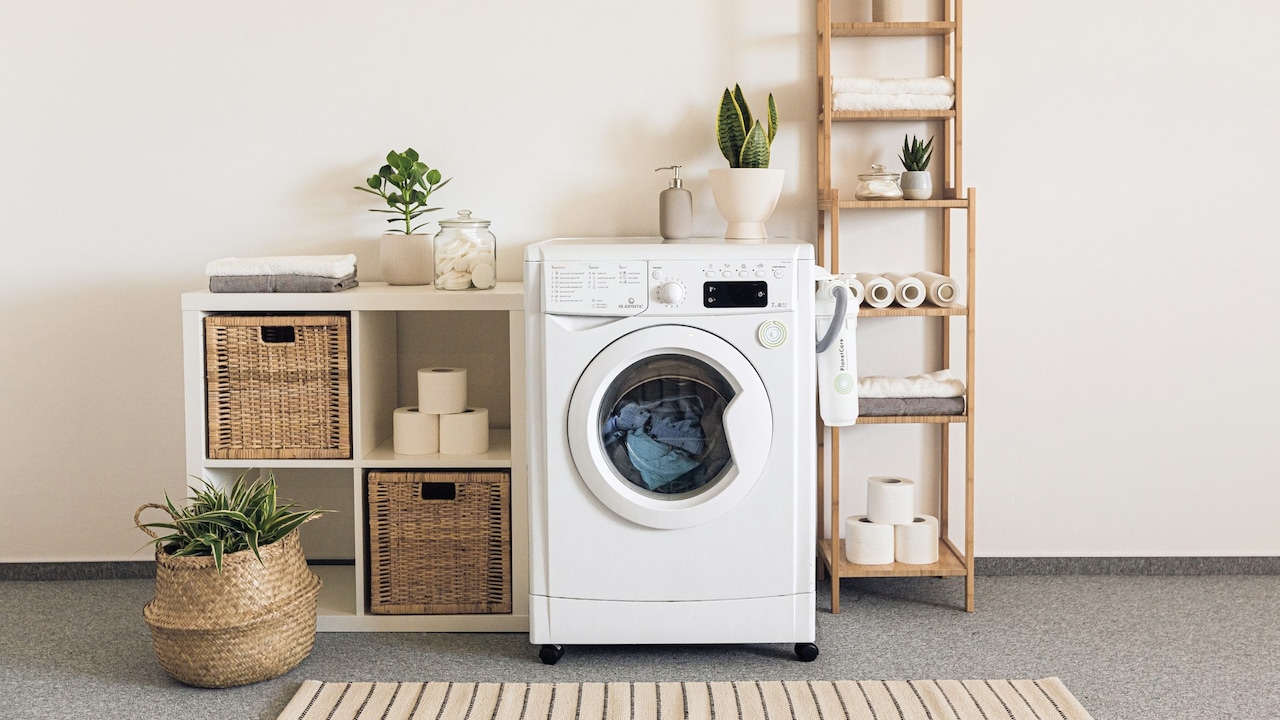
A washing machine rarely draws attention, until it breaks down or starts inflating monthly bills. In many homes, it runs quietly in the background, churning through laundry loads week after week. Yet the choice between a front-load and a top-load machine can shape not just convenience, but also long-term spending. At first glance, top-load machines seem like the easy favourite. They cost less upfront, feel familiar, and don't require bending down. Front-load machines, on the other hand, carry a reputation for being expensive and slightly fussy. But the story changes when the focus shifts from years to months. Electricity tariffs rise, water costs fluctuate, and households essentials grow more conscious about efficiency. What seemed like a simple appliance choice slowly becomes a financial decision. Over five or ten years, even small differences in performance can translate into noticeable savings or losses. This discussion looks beyond surface-level features and digs into the real question: which type of washing machine actually saves more money over time?
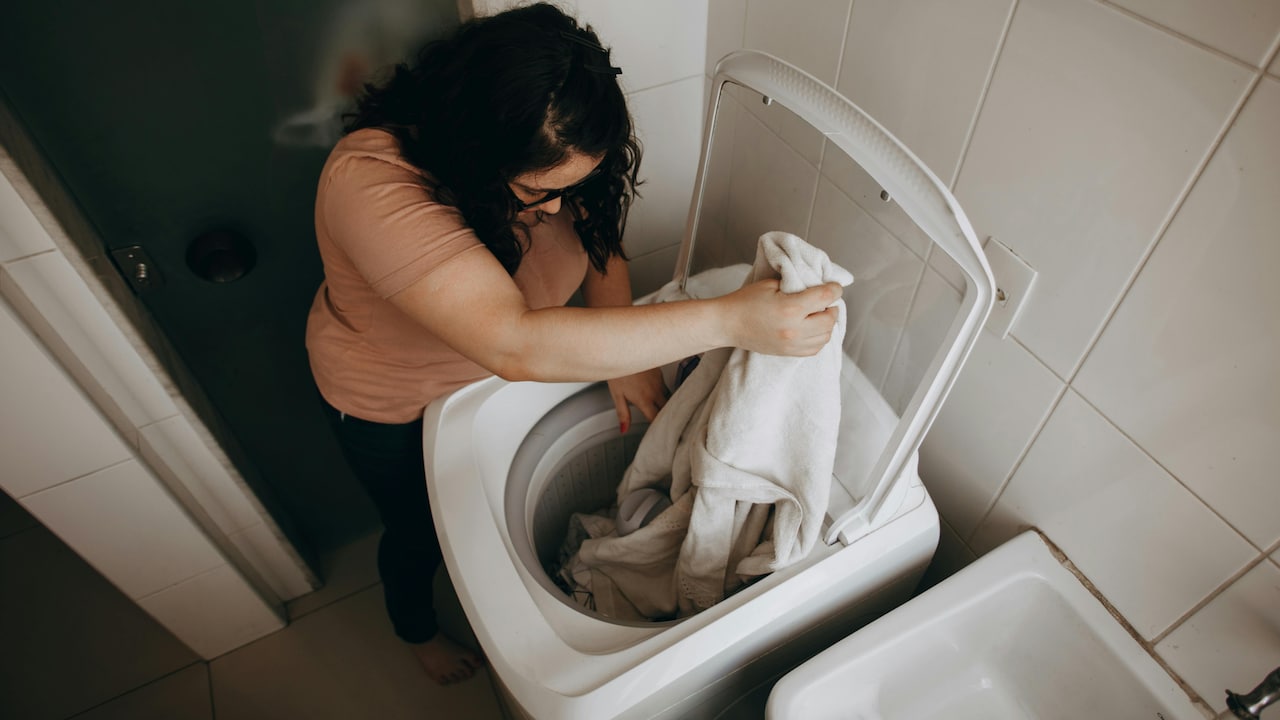
Front Load vs Top Load Washing Machines: Which One Saves More Money?; Photo Credit: Pexels
What Really Impacts Your Washing Machine Costs Over Time
Initial Cost And The First Impression
Walking into an appliance store often leads to an immediate reaction. Top-load machines sit there with friendlier price tags, usually starting around ₹10,000 to ₹18,000. They feel accessible, almost like a safe purchase. Front-load machines, meanwhile, stand a little taller in pricing, often ranging from ₹20,000 to ₹45,000 or more.
That price difference creates a strong first impression. It's easy to assume that spending less up front automatically means saving money. For many households setting up a new home or working within a budget, this initial gap matters.
However, this is where the financial story begins, not ends. The lower upfront cost of a top-load machine acts like a quick win, but it doesn't account for the ongoing expenses that follow. A front-load machine may feel like a splurge at first, but its long-term impact depends on how efficiently it operates over time.
So while the initial cost sets the tone, it doesn't tell the whole story. It simply opens the conversation.
Also Read: Top 7 Washing Machine Features Rarely Used While Doing Laundry
Water Consumption And Its Hidden Impact
Water usage rarely crosses the mind during appliance shopping, yet it plays a crucial role in long-term expenses. Top-load machines typically use between 120 and 150 litres per wash cycle. Front-load machines, in contrast, use nearly half that amount.
In areas where water supply comes through tankers or borewells, every litre carries a cost. A family running four to five loads a week could end up using thousands of extra litres each month with a top-load machine. Over a year, that difference becomes surprisingly large.
Front-load machines work differently. They tumble clothes instead of soaking them in a full tub of water. This simple design change reduces water usage without compromising cleaning quality.
The savings may not feel immediate, but over several years, they quietly add up. In households where water bills or tanker costs already pinch the budget, this factor alone can tilt the balance significantly.
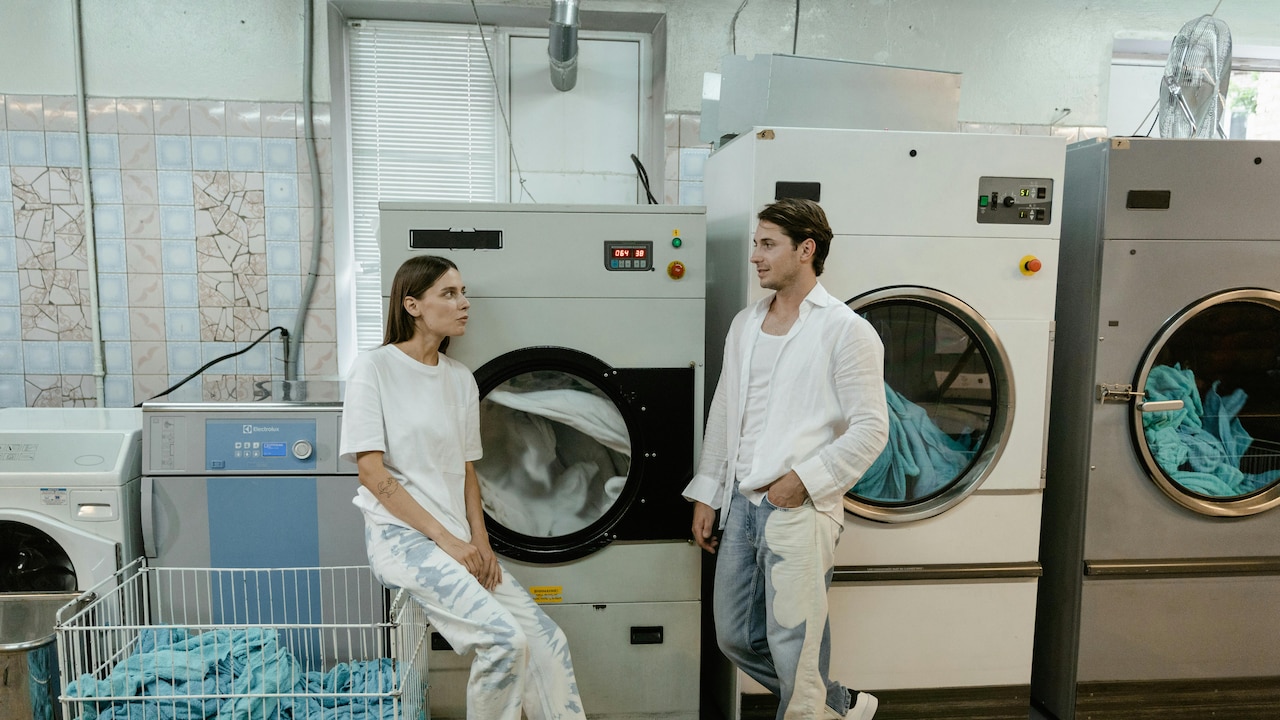
Front Load vs Top Load Washing Machines: Which One Saves More Money?; Photo Credit: Pexels
Electricity Consumption And Monthly Bills
Electricity bills tend to reveal the true cost of appliances. Top-load machines often complete wash cycles faster, but they consume more water and sometimes more energy per cycle. Front-load machines take longer, yet they use electricity more efficiently.
The difference lies in the motor and washing mechanism. Front-load machines rely on gravity and tumbling, which reduces the need for heavy motor action. Many models also include inverter technology, further optimising power usage.
Over time, this efficiency is reflected in monthly bills. The difference may appear small, perhaps ₹100 to ₹200 per month, but over five years, that adds up to a noticeable amount.
In cities where electricity tariffs continue to climb, even minor savings gain importance. A machine that runs multiple times a week becomes a consistent contributor to household expenses. Choosing one that consumes less energy gradually shifts the financial balance in your favour.
Detergent Usage And Everyday Savings
Detergent costs often slip under the radar, yet they form a recurring expense. Top-load machines typically require more detergent because they use more water. The dilution effect means extra powder or liquid becomes necessary to achieve the same cleaning results.
Front-load machines, on the other hand, need less detergent. Their low-water environment allows soap to work more effectively. Over time, this difference becomes quite visible, especially in households that handle frequent laundry loads.
A pack of detergent may not seem expensive at first glance, but multiply that cost across months and years, and it starts to matter. Saving even ₹200 to ₹300 per month on detergent translates into thousands of rupees over the lifespan of the machine.
It's one of those small, almost invisible advantages that quietly strengthen the case for front-load machines.
Cleaning Performance And Fabric Longevity
A washing machine doesn't just clean clothes; it also affects how long they last. Top-load machines often use agitators or pulsators that move clothes aggressively. While effective, this motion can be rough on delicate fabrics.
Front-load machines offer a gentler approach. The tumbling action mimics hand washing, reducing wear and tear. Clothes retain their colour and texture for longer, which means fewer replacements over time.
Consider everyday wear like office shirts, school uniforms, or favourite kurtas. Replacing them frequently due to fading or damage adds hidden costs. A machine that preserves fabric quality indirectly saves money by extending the life of your wardrobe.
This benefit may not show up in monthly bills, but it becomes evident over the years. When clothes stay in good condition longer, spending on replacements naturally decreases.
Maintenance Costs And Repairs
Every appliance requires maintenance, but the type and frequency vary. Top-load machines usually have simpler mechanisms, which makes them easier and cheaper to repair. Front-load machines, with their advanced technology, can sometimes demand higher maintenance costs.
However, this doesn't mean front-load machines are unreliable. In fact, many modern models offer durability and fewer breakdowns when used properly. The key lies in regular maintenance, such as cleaning the drum and using the right detergent.
Top-load machines may need more frequent minor repairs, while front-load machines may require occasional but slightly costlier servicing. Over time, these expenses tend to balance out.
Choosing a reliable brand and ensuring proper usage often matters more than the type of machine itself. Neglect, rather than design, usually drives repair costs.
Front Load vs Top Load Washing Machines: Which One Saves More Money?; Photo Credit: Pexels
Space And Installation Considerations
Space plays a subtle role in long-term savings. Top-load machines require more vertical space, while front-load machines fit neatly under counters or stack with dryers. In compact homes, this difference becomes practical.
Front-load machines often allow better space utilisation, especially in smaller flats where every square foot counts. This can reduce the need for additional furniture or storage adjustments.
While this may not directly translate into rupees, it influences how efficiently a home functions. A well-organised space often reduces clutter and improves overall convenience.
Over time, these small advantages contribute to a smoother daily routine, which indirectly supports a more efficient household.
Noise Levels And Everyday Comfort
Noise may not affect finances directly, but it impacts daily life. Top-load machines can be noisier, especially during spin cycles. Front-load machines tend to operate more quietly, making them suitable for apartments or shared spaces.
A quieter machine allows flexible usage, even during early mornings or late evenings. This flexibility can help manage electricity usage more effectively, especially in areas with varying tariff rates.
Comfort and convenience may seem intangible, yet they shape long-term satisfaction. A machine that blends seamlessly into daily life often feels like a better investment, even if the financial difference isn't immediately obvious.
Durability And Lifespan
The lifespan of a washing machine plays a crucial role in determining its overall value. Front-load machines often last longer due to their efficient design and reduced mechanical stress. Top-load machines, while sturdy, may experience wear more quickly due to their aggressive washing mechanism.
A machine that lasts ten years instead of seven spreads its cost over a longer period. This reduces the effective annual expense, making it more economical in the long run.
Durability also reduces the hassle of frequent replacements. Buying a new appliance every few years not only costs money but also disrupts daily routines.
Investing in a machine that stands the test of time often proves more cost-effective than opting for a cheaper but shorter-lived option.
Resale Value And Long-Term Perspective
Resale value may not be the first factor that comes to mind, yet it adds another layer to the financial picture. Front-load machines generally hold their value better due to their efficiency and demand.
When upgrading or moving homes, selling a well-maintained front-load machine can recover a portion of the initial investment. Top-load machines, while still sellable, often fetch lower prices.
This difference may not seem significant at first, but it contributes to the overall cost equation. Every rupee recovered reduces the effective expense of ownership.
Looking at appliances through a long-term lens transforms them from simple purchases into strategic decisions.
Products Related To This Article
1. Bosch 8 kg 5 Star Front Load Fully-Automatic Washing Machine
2. Haier SmartChoice 10.5 kg 5 Star Inbuilt Butterfly heater
3. LG Smart Choice, 7 Kg, 5 Star, Steam, Inverter Direct Drive Technology
4. Samsung 7 kg, 5 Star, AI Control, Wi-Fi, Digital Inverter
5. Whirlpool 7 kg Magic Clean 5 Star Fully Automatic Top Load Washing Machine Grey
The choice between a front-load and top-load washing machine often begins with price but ends with practicality. Top-load machines offer comfort, familiarity, and a lighter initial expense. They suit households looking for simplicity and a quick setup.
Front-load machines, however, tell a different story over time. They save water, use less electricity, require less detergent, and preserve clothes better. These small advantages quietly accumulate, turning into meaningful savings over the years.
The real winner depends on priorities. For those focused on immediate affordability, top-load machines remain a solid choice. For those thinking ahead and willing to invest a little more upfront, front-load machines often deliver better value in the long run.
In the end, a washing machine isn't just about clean clothes. It's about how efficiently it fits into daily life, how gently it treats belongings, and how wisely it uses resources. Over time, those factors matter far more than the price printed on the box.
(Disclaimer: This article may include references to or features of products and services made available through affiliate marketing campaigns. NDTV Convergence Limited (“NDTV”) strives to maintain editorial independence while participating in such campaigns. NDTV does not assume responsibility for the performance or claims of any featured products or services.)