Handheld Vacuum vs Full Vacuum Cleaner: What Works For Quick Cleaning?
Handheld or full vacuum cleaner, what’s better for quick cleaning? This guide compares convenience, power, cost, and everyday usability to help choose the right option for fast, efficient tidying at home.
Detailed comparison of handheld vacuum cleaners vs full vacuum cleaners
A sudden spill of biscuit crumbs on the sofa, a trail of dust near the balcony, or those stubborn bits of hair that gather under the bed, these small messes appear without warning. In such moments, dragging out a bulky vacuum cleaner can feel like overkill. Yet, relying only on a handheld device might not always deliver the desired results.
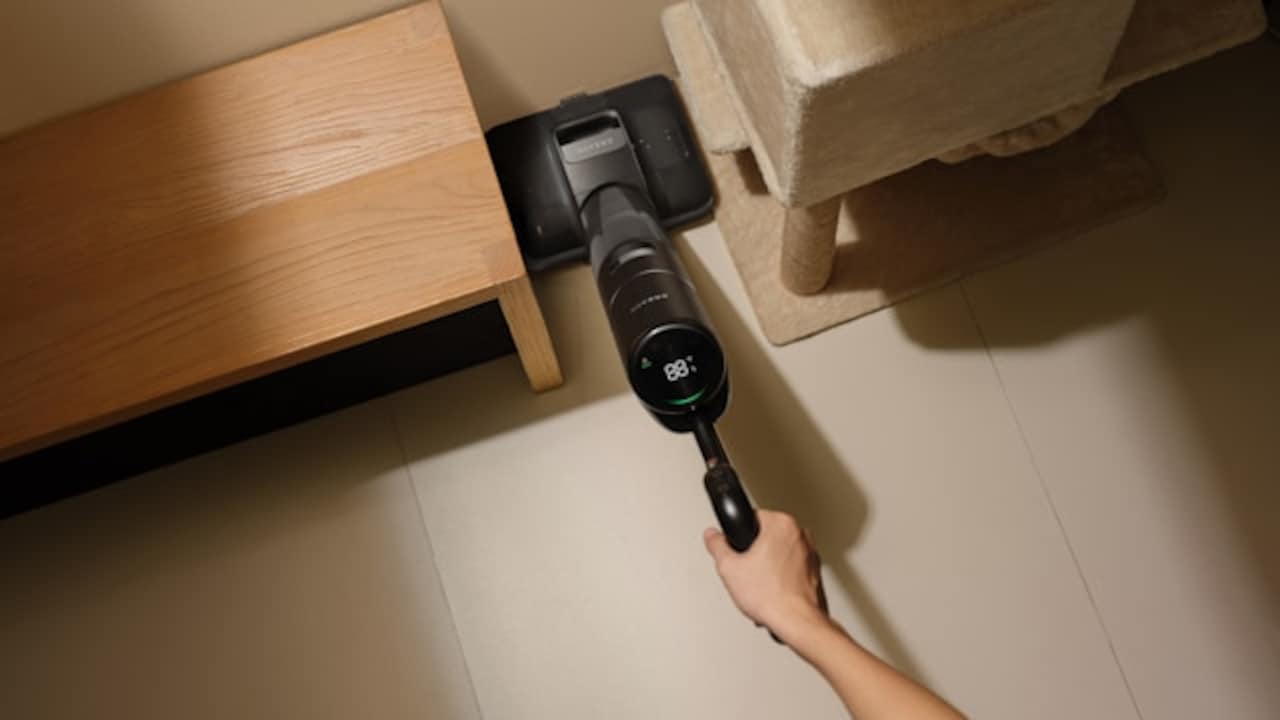
Full vs handheld vacuum cleaner which is better to keep your home spotless; Photo Credit: Unsplash
Modern homes demand smarter cleaning solutions. With shrinking living spaces, busy routines, and a growing focus on convenience, the debate between handheld vacuums and full vacuum cleaners has become more relevant than ever. Each has its strengths, quirks, and ideal use cases.
This comparison dives into what truly works for quick cleaning. From portability to power, cost to comfort, the goal is simple: to help choose a device that fits seamlessly into everyday life without turning cleaning into a chore.
Also Read: Vacuum Cleaner Benefits You Should Know And Top 8 From AGARO, iBell To Prestige
Where Each Vacuum Cleaner Truly Shines
Understanding The Purpose Of Quick Cleaning
Quick cleaning often revolves around small, unexpected messes rather than deep cleaning sessions. It includes picking up crumbs after a snack, clearing dust from a corner, or dealing with hair on upholstery before guests arrive. These moments demand speed, not preparation.
A full vacuum cleaner, while powerful, often requires setup, plugging in, adjusting attachments, and manoeuvring around furniture. In contrast, handheld vacuums are designed for immediacy. They sit quietly in a corner, ready to tackle sudden messes within seconds.
In households where daily tidying is essential, quick cleaning becomes less about perfection and more about maintaining a sense of order. The right tool should support this rhythm rather than disrupt it. A device that feels effortless encourages more frequent use, keeping spaces consistently neat without the need for elaborate cleaning routines.
Portability And Ease Of Use
Portability often defines the real difference between these two options. Handheld vacuums excel in this department. Lightweight and compact, they can be carried around the house with ease. Cleaning the car, stairs, or even kitchen shelves becomes far less cumbersome.
Full vacuum cleaners, on the other hand, tend to be heavier and bulkier. Even models with wheels can feel awkward when navigating tight spaces. For quick tasks, this added effort can discourage usage.
Ease of use also extends to setup time. Handheld devices usually operate with a simple switch, while full vacuums may involve cords, attachments, and adjustments. In a fast-paced household, simplicity often wins.
That said, portability sometimes comes at the cost of power. The balance between convenience and performance becomes a key consideration when deciding which tool fits better into everyday routines.
Cleaning Power And Performance
When it comes to raw cleaning power, full vacuum cleaners generally take the lead. They are designed to handle larger areas, deeper dirt, and stubborn debris embedded in carpets or rugs. Their motors are stronger, and their suction capabilities reflect that.
Handheld vacuums, while efficient for surface-level cleaning, may struggle with heavier tasks. Fine dust, pet hair, and crumbs are well within their comfort zone, but anything more demanding can reveal their limitations.
Performance also depends on the type of flooring. Tiles and wooden surfaces are easier for handheld devices, while carpets often require the strength of a full vacuum. Choosing between the two depends on the nature of the mess and the surfaces involved.
Quick cleaning does not always require intense suction, but having enough power to get the job done in one go makes a noticeable difference. Repeating the same task twice can feel more frustrating than simply using a more powerful device from the start.
Convenience In Daily Life
Convenience often determines whether a cleaning tool becomes a daily companion or an occasional helper. Handheld vacuums fit effortlessly into everyday routines. They are easy to grab, quick to use, and simple to store.
Imagine cleaning a small spill during a busy morning. A handheld device allows the task to be completed in seconds, without interrupting the flow of the day. This ease encourages consistent use, which keeps the home cleaner overall.
Full vacuum cleaners, while effective, often feel like a commitment. They are better suited for planned cleaning sessions rather than spontaneous tidying. The effort required to set them up can make small tasks feel unnecessarily complicated.
In households where time is limited, convenience becomes a priority. A tool that adapts to daily life rather than demanding attention often proves to be the more practical choice.
Storage And Space Considerations
Space plays a crucial role in choosing the right cleaning device. In compact homes, every inch matters. Handheld vacuums shine in this aspect. Their small size allows them to be stored in cabinets, shelves, or even mounted on walls.
Full vacuum cleaners require dedicated storage space. Whether it is a corner, a utility area, or a cupboard, accommodating them can be challenging in smaller homes. Their size and accessories add to the storage demands.
A clutter-free environment often depends on smart storage solutions. A device that fits seamlessly into the available space contributes to overall organisation. Handheld vacuums, with their minimal footprint, align well with this need.
However, those with larger homes or dedicated storage areas may not find this to be a concern. In such cases, the decision shifts back to performance and usage rather than space limitations.
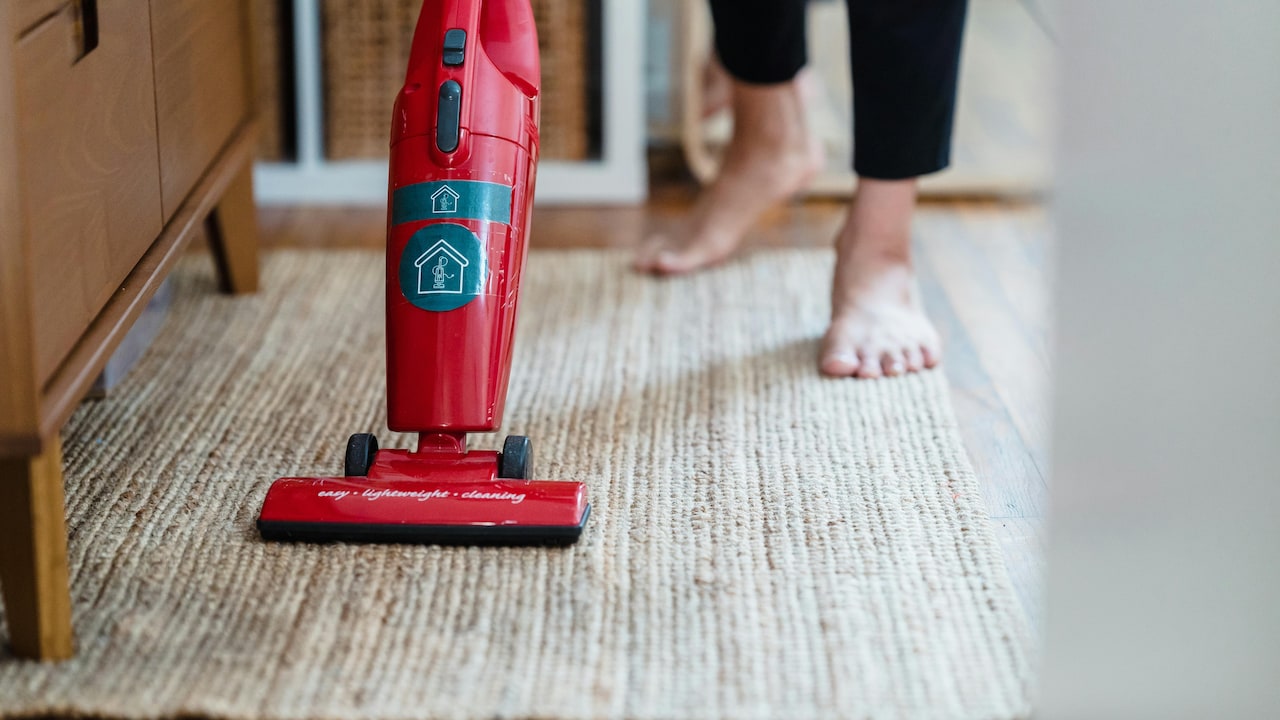
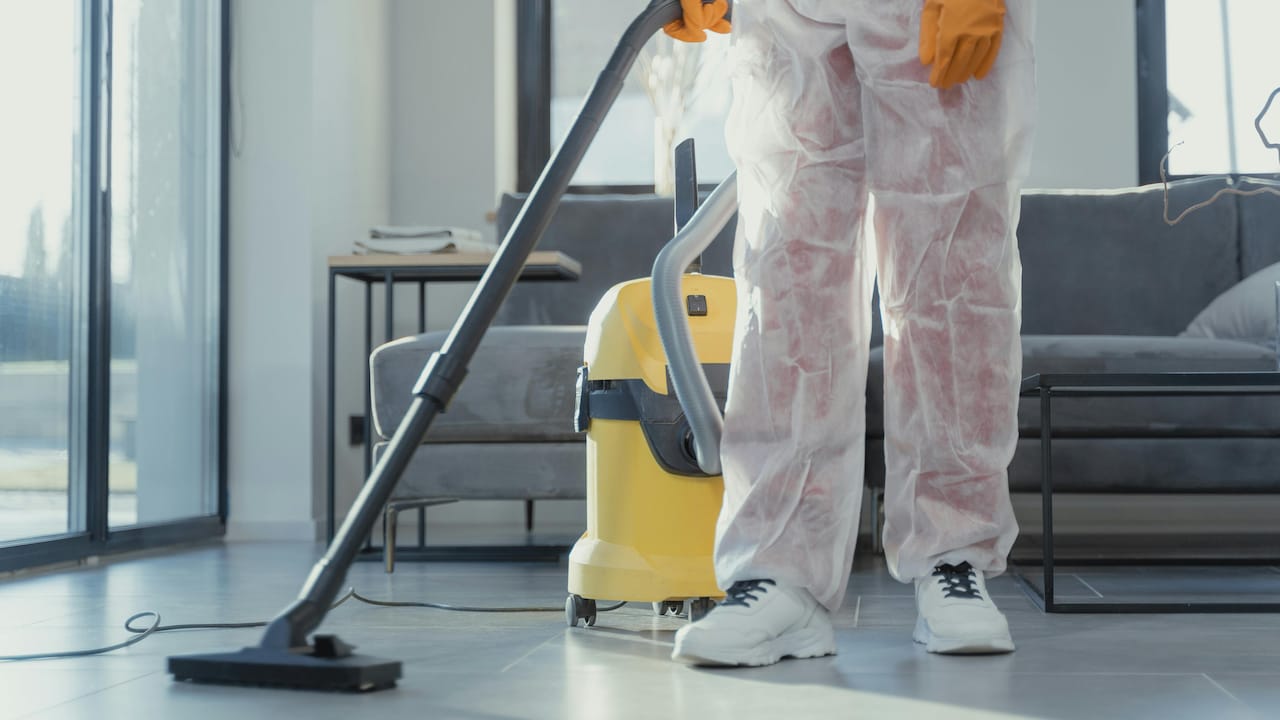
Handheld vacuums are more compact and space-saving than big ones; Photo Credit: Pexels
Battery Life And Power Source
Battery life becomes a critical factor, especially for handheld vacuums. Most models run on rechargeable batteries, offering cordless convenience. This eliminates the hassle of managing wires and finding power sockets.
However, battery limitations can affect usage. A device that runs out of charge mid-clean can be frustrating. Charging time also plays a role, as some models require several hours to regain full power.
Full vacuum cleaners typically rely on direct power sources, ensuring consistent performance. There is no concern about battery life, making them reliable for extended cleaning sessions.
For quick cleaning tasks, battery-powered devices usually suffice. Their runtime is often enough for small jobs, and the freedom of movement adds to their appeal. Choosing a model with a dependable battery ensures that convenience does not come at the cost of reliability.
Cost And Value For Money
Cost often influences purchasing decisions, and both options cater to different budgets. Handheld vacuums are generally more affordable, with decent models available from around ₹2,000 to ₹6,000. They offer good value for quick cleaning needs without a significant investment.
Full vacuum cleaners, depending on features and brand, can range from ₹6,000 to ₹20,000 or more. While the initial cost is higher, their versatility and power justify the expense for those seeking comprehensive cleaning solutions.
Value for money depends on usage patterns. A household that requires frequent deep cleaning may benefit more from a full vacuum. In contrast, those focusing on daily maintenance may find handheld devices more economical.
Balancing cost with functionality ensures that the chosen device meets expectations without unnecessary spending. Investing in the right tool can save both time and effort in the long run.
Maintenance And Cleaning Effort
Maintenance often gets overlooked, but plays a significant role in long-term usability. Handheld vacuums are generally easier to maintain. Their smaller dust containers can be emptied quickly, and filters are usually simple to clean.
Full vacuum cleaners, with larger capacities and multiple components, may require more effort. Cleaning filters, replacing bags, and managing attachments can add to the maintenance routine.
Regular upkeep ensures optimal performance. A device that is easy to maintain encourages consistent care, which extends its lifespan. Handheld vacuums, with their straightforward design, often win in this aspect.
However, their smaller capacity means more frequent emptying. This trade-off between convenience and frequency becomes a consideration for users.
Versatility Across Different Spaces
Versatility determines how well a vacuum cleaner adapts to various cleaning scenarios. Handheld vacuums are excellent for targeted cleaning, sofas, car interiors, corners, and small spills. Their precision makes them ideal for specific tasks.
Full vacuum cleaners offer broader versatility. With multiple attachments, they can handle floors, carpets, curtains, and even hard-to-reach areas. Their adaptability makes them suitable for comprehensive cleaning.
Choosing between the two depends on the range of cleaning needs. A household that requires both quick fixes and thorough cleaning may benefit from having both options.
Quick cleaning often prioritises speed and accessibility, areas where handheld devices excel. However, versatility ensures that the device remains useful across different situations.
Noise Levels And Comfort
Noise levels can influence the overall cleaning experience. Handheld vacuums are generally quieter, making them suitable for use at any time without causing disturbance. This becomes particularly useful in shared living spaces.
Full vacuum cleaners tend to be louder due to their powerful motors. While the noise indicates strong performance, it can be inconvenient during early mornings or late evenings.
Comfort also extends to handling. Lightweight handheld devices reduce physical strain, making them easier to use for extended periods. Full vacuum cleaners, depending on their design, may require more effort to manoeuvre.
A comfortable cleaning experience encourages regular use. Devices that feel easy and unobtrusive become part of daily routines rather than occasional tools.
Products Related To This Article
1. AGARO Regal 800 Watts Handheld Vacuum Cleaner
2. Eureka Forbes Atom 12,000 Pa Powerful Suction Power
3. GOODSCITY Cordless Vacuum Cleaner for Car, Home
4. KENT Zoom Plus Vacuum Cleaner
5. SEZNIK Vacuum Cleaner for Home Use Wet and Dry
Choosing between a handheld vacuum and a full vacuum cleaner ultimately depends on lifestyle, space, and cleaning habits. Handheld vacuums offer unmatched convenience for quick, everyday cleaning tasks. Their portability, ease of use, and compact design make them ideal for maintaining a tidy home without much effort.
Full vacuum cleaners, however, bring power and versatility to the table. They are better suited for deep cleaning sessions and handling larger areas with ease. While they may not be the first choice for quick fixes, their performance cannot be overlooked.
For many households, the ideal solution may not lie in choosing one over the other, but in understanding their roles. A handheld vacuum can handle daily messes, while a full vacuum cleaner takes care of thorough cleaning when needed.
In the end, the best choice is the one that fits seamlessly into everyday life, making cleaning feel less like a task and more like a simple, manageable habit.
(Disclaimer: This article may include references to or features of products and services made available through affiliate marketing campaigns. NDTV Convergence Limited (“NDTV”) strives to maintain editorial independence while participating in such campaigns. NDTV does not assume responsibility for the performance or claims of any featured products or services.)