Why Air Fryers Do Not Make Food Crispy And What Settings Matter
Air fryers don’t fail; usage does. From low heat to overcrowding, small mistakes ruin crispiness. Learn the right settings and simple fixes that turn soft results into perfectly crunchy food every time.
Why Air Fryers Do Not Make Food Crispy And What Settings Matter
Air fryers arrived with the confidence of a kitchen revolution. Advertisements showed samosas with a crackle, fries with a perfect golden coat, and cutlets that looked straight out of a roadside stall, minus the oil dripping from the edges. It sounded almost too good to be true. And for many households, it turned out exactly that way.
The first few attempts often bring mild disappointment. Fries feel dry but not crisp. Pakoras lack that deep-fried crunch. Even something as simple as roasted potatoes seems confused, soft inside, yet oddly pale outside. At some point, the thought creeps in: perhaps the machine is overhyped.
But the truth is less dramatic. Air fryers can deliver excellent results, but they demand a slightly different approach. Unlike traditional frying, which relies on immersion in hot oil, air frying depends on circulation, spacing, and timing. It rewards patience and punishes shortcuts.
Understanding why crispiness fails is the first step towards fixing it. The next step lies in mastering the settings and small habits that make a noticeable difference.

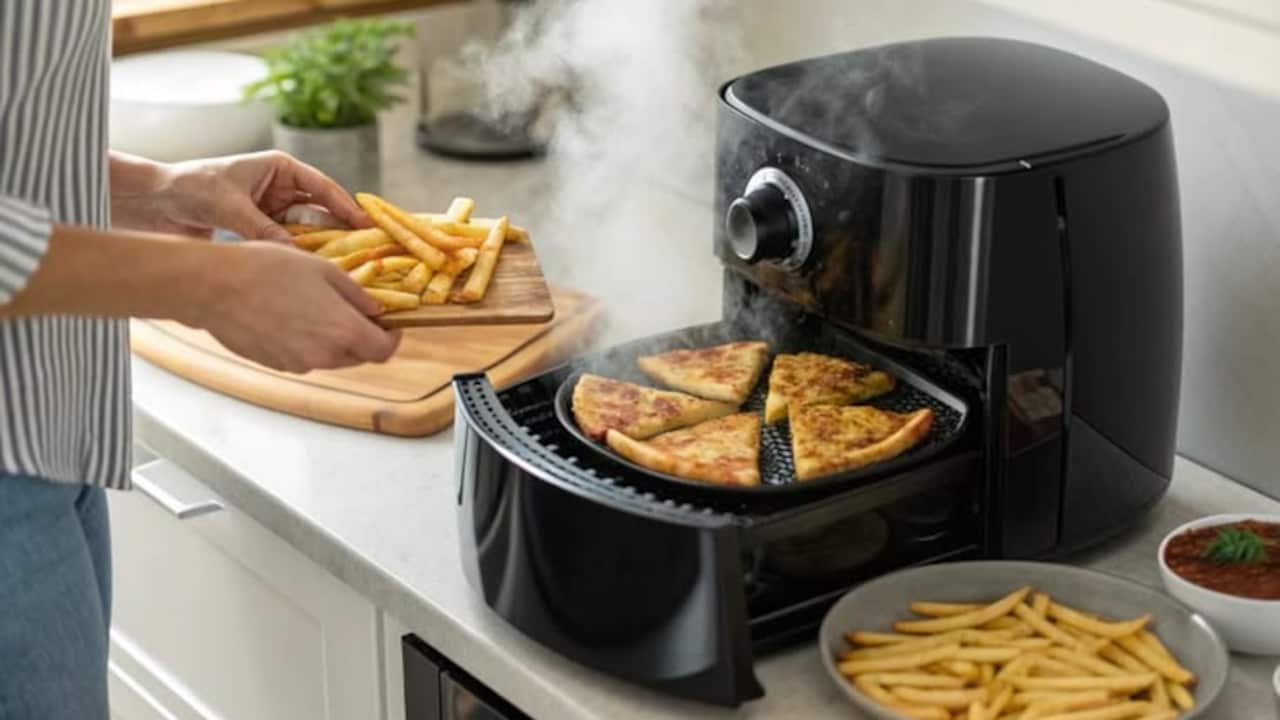
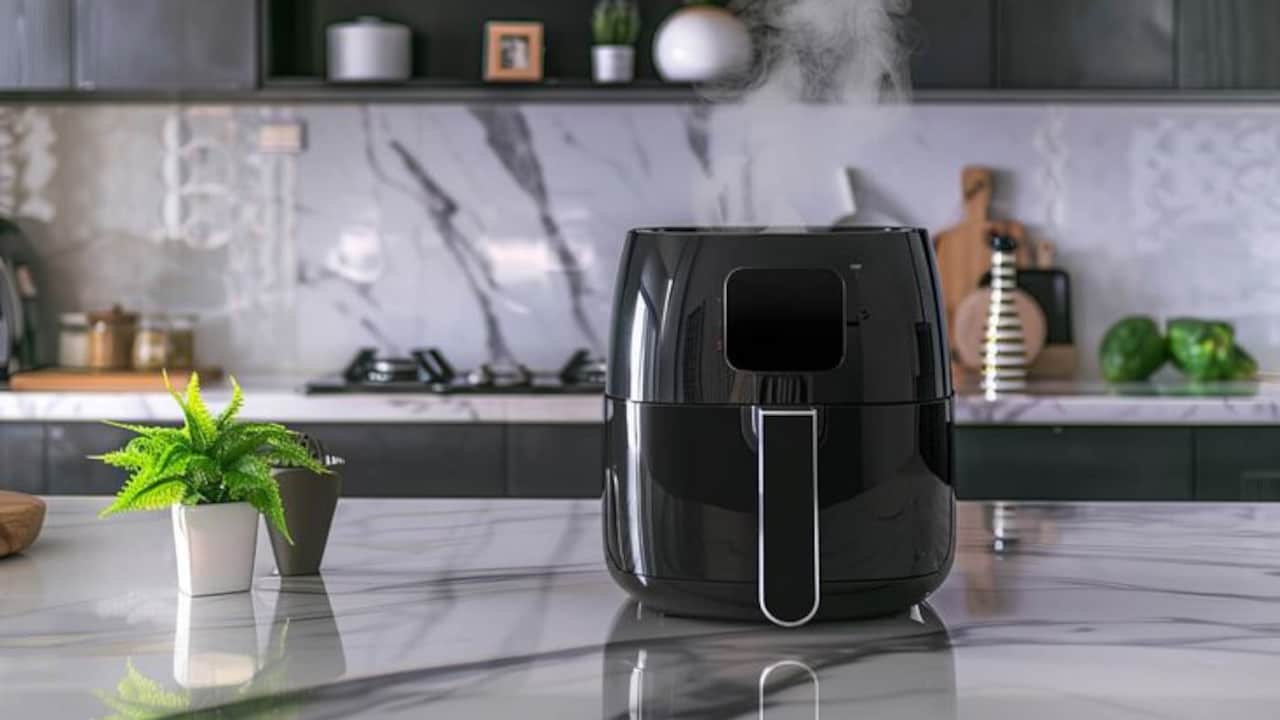
Why Air Fryers Do Not Make Food Crispy And What Settings Matter; Photo Credit: Pexels
Common Reasons Your Air Fryer Isn't Delivering Crisp Results
Not Enough Heat To Begin With
One of the most common reasons for soggy results is starting with insufficient heat. Air fryers need a strong initial temperature to kickstart the crisping process. Without it, food releases moisture slowly, which leads to steaming rather than frying.
Consider a batch of frozen fries. If placed into a lukewarm chamber, they thaw gradually and release water. That moisture lingers, preventing the outer layer from crisping. The result is a limp texture that no amount of extra cooking can fully fix.
Preheating plays a bigger role than many realise. Much like a kadai that needs to be hot before frying puris, an air fryer works best when already heated. A few minutes of preheating ensures the surface of the food begins cooking immediately, sealing the exterior and encouraging browning.
Temperature matters as well. Lower settings might seem safer, but they often lead to disappointing textures. High heat, used wisely, creates the contrast between crisp outside and soft inside.
Skipping this step might save time, but it quietly sabotages the final result.
Also Read: Air Fryer Myths Busted: 10 Reasons Your Food Is Not Crispy And How To Fix It
Overcrowding The Basket
It is tempting to cook everything in one go, especially during busy evenings. However, stuffing the basket is one of the fastest ways to ruin crispiness.
Air fryers rely on hot air moving freely around each piece of food. When items overlap or sit too close, that airflow gets blocked. Instead of circulating evenly, the air struggles to reach certain spots. The result is uneven cooking, with some pieces crisp and others disappointingly soft.
Picture preparing a large batch of aloo tikki for guests. Placing them side by side, almost touching, might seem efficient. Yet, this arrangement traps steam between them. Instead of crisping, they sweat.
Cooking in smaller batches feels inconvenient at first, but it pays off in texture and flavour. Each piece gets enough exposure to heat, allowing proper browning.
It is a trade-off between quantity and quality. And when it comes to food that promises crunch, quality always wins.
Too Little Oil Or The Wrong Type
The phrase “oil-free cooking” often creates unrealistic expectations. While air fryers use far less oil than deep frying, a complete absence of oil can lead to dry and pale food.
A light coating of oil helps in heat transfer. It encourages browning and adds that familiar crispness associated with fried food. Without it, surfaces struggle to develop texture.
The type of oil also matters. Oils with higher smoke points, such as sunflower or groundnut oil, work better at high temperatures. They allow the food to cook evenly without burning.
Take paneer cubes, for example. Without a touch of oil, they may turn rubbery rather than crisp. A gentle brush of oil transforms them into something far more appealing.
Using too much oil, however, defeats the purpose and can make food greasy. The balance lies in moderation, a thin, even layer that enhances rather than overwhelms.

Why Air Fryers Do Not Make Food Crispy And What Settings Matter; Photo Credit: Pexels
Incorrect Temperature Settings
Temperature settings often confuse users. Many rely on guesswork, setting random numbers and hoping for the best.
Different foods demand different heat levels. Delicate items need moderate heat, while sturdier foods require higher temperatures to crisp properly. Using the wrong setting leads to inconsistent results.
For instance, vegetables like bhindi need a slightly higher temperature to avoid becoming slimy. On the other hand, marinated chicken benefits from a gradual cook followed by a final high-heat finish.
Understanding these nuances makes a visible difference. It turns cooking from trial and error into a more predictable process.
Air fryers usually come with recommended settings, but they are only guidelines. Adjusting based on portion size and personal preference helps refine the outcome.
Mastering temperature is less about memorising numbers and more about observing how food responds.
Skipping The Shake Or Flip
Unlike deep frying, where food is surrounded by oil, air frying exposes only certain sides at a time. Without movement, some areas remain undercooked.
Shaking the basket or flipping items ensures even exposure to heat. It redistributes the food, allowing all sides to crisp.
Consider making nuggets. Leaving them untouched results in one side crisp and the other pale. A simple shake halfway through changes everything.
This step may feel small, but it carries a significant impact. It prevents uneven textures and ensures consistency across the batch.
Timing matters too. Shaking too often can interrupt cooking, while ignoring it altogether leads to uneven results. Finding the right moment, usually halfway through, works best.
Excess Moisture In Food
Moisture is the enemy of crispiness. Foods with high water content struggle to develop a crunchy exterior.
Freshly washed vegetables, for example, need to be dried thoroughly before cooking. Even a small amount of water can create steam inside the fryer.
Marinated foods also require attention. Thick marinades can trap moisture, preventing proper browning. Patting ingredients dry or using lighter coatings helps.
Imagine preparing marinated mushrooms. If placed directly into the fryer with excess liquid, they release water and soften. A slight adjustment, reducing the marinade or drying them, changes the texture completely.
Crispiness thrives in dry conditions. Managing moisture is one of the simplest yet most effective ways to improve results.
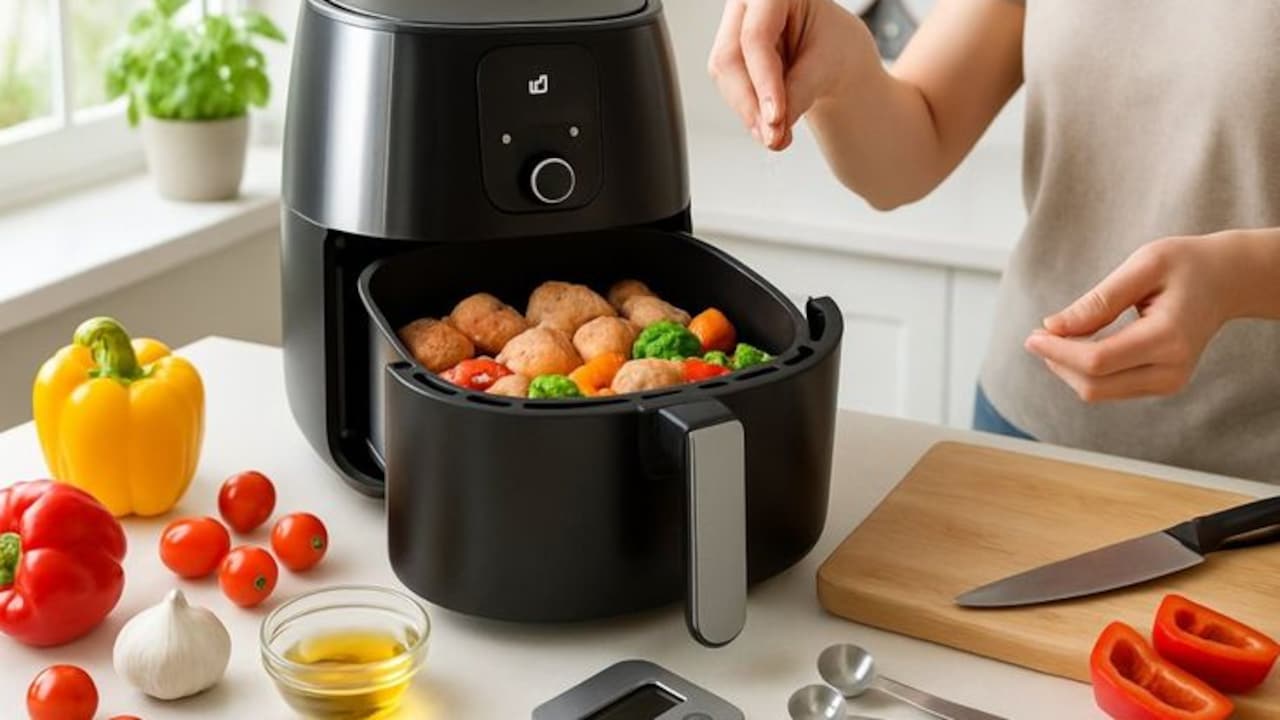
Why Air Fryers Do Not Make Food Crispy And What Settings Matter; Photo Credit: Pexels
Wrong Cooking Time
Cooking time is often underestimated or overextended. Both mistakes affect texture.
Short cooking times leave food underdone and soft. On the other hand, excessive cooking can dry out the inside while failing to achieve proper crispiness outside.
Timing varies depending on quantity and thickness. Thin slices cook quickly, while thicker cuts need more time.
Take sweet potato fries as an example. Cutting them too thick without adjusting the time results in uneven textures. Extending cooking slightly allows the inside to soften while the outside crisps.
It helps to check progress rather than relying solely on presets. Observing colour and texture provides better guidance than a timer alone.
Cooking becomes more intuitive with practice, reducing the chances of overcooking or undercooking.
Using The Wrong Accessories
Accessories can either enhance or hinder the cooking process. Using inappropriate trays or liners may block airflow.
Silicone mats or foil sheets, if placed incorrectly, prevent hot air from circulating freely. This leads to uneven cooking and reduced crispiness.
Some users line the entire basket with foil to avoid cleaning. While convenient, this approach compromises performance.
Choosing perforated accessories or leaving enough space for air movement works better. It ensures that heat reaches all sides of the food.
Even the choice of rack matters. Elevating food slightly can improve airflow, leading to better results.
Small adjustments in setup often make a noticeable difference in texture.
Expecting Deep-Fry Results
Perhaps the biggest misconception lies in expectations. Air fryers do not replicate deep frying perfectly.
Deep frying immerses food in hot oil, creating instant crispiness. Air frying, in contrast, relies on circulating hot air. The results are similar, but not identical.
Expecting the exact crunch of roadside bhajiyas may lead to disappointment. However, understanding the difference helps appreciate what air fryers do well.
They offer a balance, less oil, decent crispiness, and convenience. Accepting this trade-off makes the experience more satisfying.
Instead of chasing perfection, focusing on improvement brings better results. Adjusting techniques gradually leads to food that feels closer to expectations.
Not Letting Food Rest After Cooking
Resting food after cooking is often overlooked. Yet, it plays a role in the final texture.
Freshly cooked items release steam. Serving them immediately traps that moisture, softening the exterior.
Allowing food to sit for a couple of minutes lets excess steam escape. This helps maintain crispiness.
Consider freshly cooked fries. Straight out of the fryer, they may feel crisp. After a brief rest, they become even better, with a more stable texture.
This step requires patience but rewards it with improved results.
Products Related To This Article
1. Ninja Combi 14-in-1 Multi-Cooker Air Fryer Oven
2. PHILIPS Air Fryer NA120/00, uses up to 90% less fat
3. Amazon Basics 3.5L Electric Air Fryer
4. Milton Rapid Digital Air Fryer 5L | 1450W
5. KENT Classic Hot Air Fryer 4L 1300 W | 80% Less Oil
Air fryers are not flawed machines; they are simply misunderstood tools. Crispiness depends on a series of small decisions, heat, spacing, oil, timing, and patience.
Once these elements align, the results change dramatically. Fries turn golden, snacks gain crunch, and everyday cooking feels more satisfying.
The journey involves a bit of trial and error, but each attempt brings a better understanding. Over time, the air fryer transforms from a confusing gadget into a reliable kitchen companion.
And perhaps that is the real charm. Not instant perfection, but the gradual joy of getting it just right.
(Disclaimer: This article may include references to or features of products and services made available through affiliate marketing campaigns. NDTV Convergence Limited (“NDTV”) strives to maintain editorial independence while participating in such campaigns. NDTV does not assume responsibility for the performance or claims of any featured products or services.)