How To Pick Massagers That Actually Relieve Your Muscle Pain
Struggling with muscle pain after long days or workouts? Learn how to choose a massager that actually works, with practical tips on features, comfort and value for lasting relief.
How To Pick Massagers That Actually Relieve Your Muscle Pain
Muscle pain rarely announces itself dramatically. It creeps in after a long day hunched over a laptop, settles into the shoulders during traffic jams, or lingers in the calves after a sudden burst of fitness enthusiasm. At first, it feels manageable. Then, slowly, it begins to interfere with sleep, focus, and even mood.
Massagers promise quick relief, and the market offers everything from compact handheld devices to high-end massage chairs costing upwards of ₹50,000. But not all of them deliver what they claim. Some feel underwhelming, while others end up gathering dust after a week of excitement.
Choosing the right massager involves more than picking the most expensive option or the one trending online. It requires understanding the body, the type of pain, and how different technologies work. With the right choice, a massager becomes more than a gadget; it becomes a daily companion for recovery and comfort.
How To Pick Massagers That Actually Relieve Your Muscle Pain; Photo Credit: Pexels
What To Look For When Choosing The Right Massager
Understand The Source Of Your Muscle Pain
Muscle pain does not come from a single cause. It may stem from poor posture, intense physical activity, stress, or even dehydration. Without understanding the source, selecting a massager becomes a guessing game.
Consider someone who spends hours at a desk. The stiffness in the neck and shoulders often comes from tension and lack of movement. In contrast, someone who plays weekend cricket may experience soreness due to muscle strain. Each situation demands a different approach.
A gentle vibrating massager may soothe stress-related tension, while deeper percussion devices work better for post-workout soreness. Ignoring this difference often leads to disappointment. Many people buy powerful devices expecting instant relief, only to find them too intense or even uncomfortable.
Taking a moment to identify the nature of the pain makes all the difference. It turns a random purchase into an informed decision and ensures that the device actually supports recovery rather than adding to the discomfort.
Also Read: 5 Best Massagers For Back Pain Relief in India | Work-from-Home Back Care
Choose The Right Type Of Massager
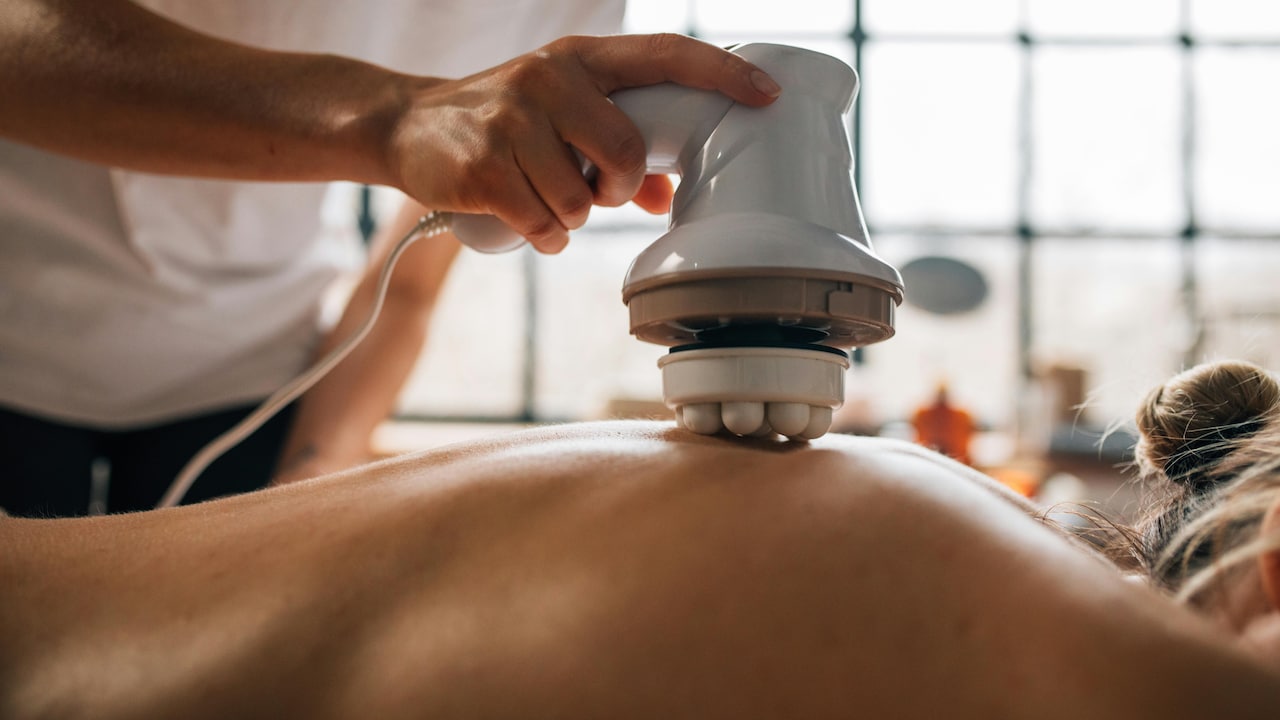
The variety of massagers available can feel overwhelming. Handheld devices, massage guns, cushion massagers, and foot rollers all claim to work wonders. Each type serves a distinct purpose.
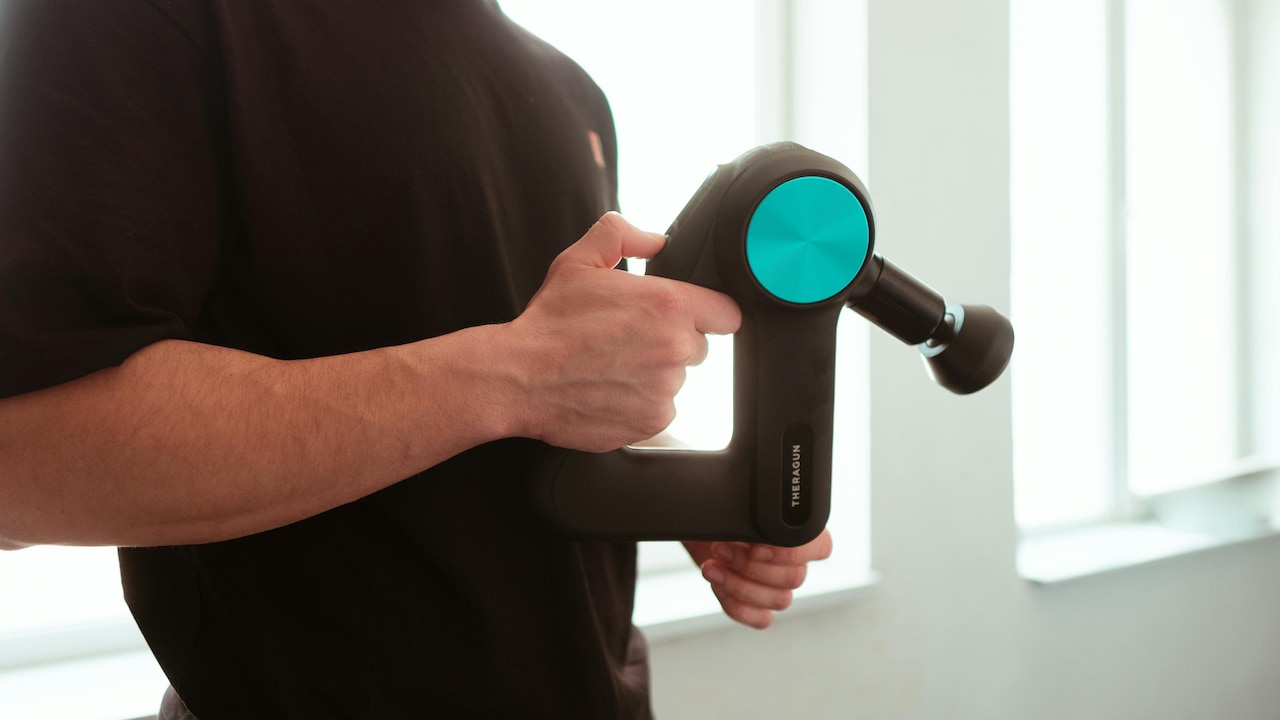
Massage guns have gained popularity for their deep tissue impact. They suit those who engage in regular physical activity or need targeted relief. Cushion massagers, often used on chairs or sofas, work well for back and lumbar support. Foot massagers provide relief after long hours of standing or walking.
A common mistake involves choosing based on trends rather than need. A sleek massage gun may look appealing, but it may not suit someone seeking gentle relaxation after a stressful day.
Think of the massager as a tool rather than a luxury. The right type aligns with daily habits and specific pain points. When chosen thoughtfully, it blends seamlessly into routine life instead of becoming another unused purchase.
Pay Attention To Intensity Levels
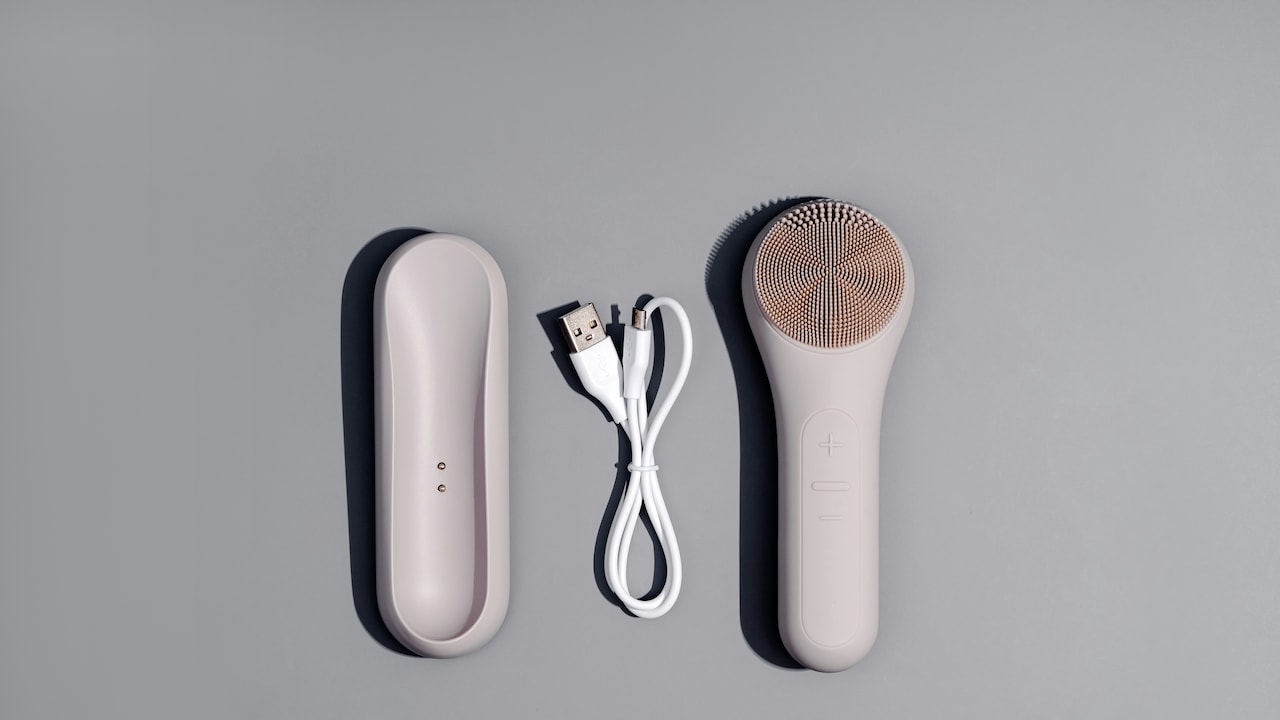
Intensity often determines whether a massager feels therapeutic or overwhelming. Devices with adjustable intensity levels offer flexibility, which becomes crucial over time.
On some days, the body may tolerate deeper pressure. On others, especially after a tiring day, it may need something gentler. A device that offers only one intensity setting limits its usefulness.
Many first-time buyers assume stronger always means better. That belief leads to discomfort and, occasionally, minor bruising. Effective relief comes from controlled pressure, not excessive force.
Testing different intensity levels, if possible, helps in understanding what feels right. A good massager adapts to the body's needs rather than forcing the body to adjust. That adaptability ensures long-term use and consistent comfort.
How To Pick Massagers That Actually Relieve Your Muscle Pain; Photo Credit: Pexels
Look For Ergonomic Design
A massager should not feel like a workout in itself. Ergonomic design plays a key role in making the device easy and comfortable to use.
Imagine trying to reach the upper back with a bulky device that slips out of your hand. Frustration builds quickly, and the device ends up unused. A well-designed massager fits naturally into the hand and allows easy access to different areas of the body.
Weight also matters. Heavier devices may offer powerful performance but can become tiring during longer sessions. Lightweight designs, on the other hand, provide convenience without compromising effectiveness.
Comfort in usage often determines whether a massager becomes part of a daily routine. A thoughtfully designed device feels intuitive and effortless, encouraging regular use and better results over time.
Consider Noise Levels
Noise rarely comes to mind during purchase, yet it plays a significant role in the overall experience. Some massagers operate quietly, while others produce a constant buzzing or rattling sound.
A noisy device can disrupt relaxation, especially during late evenings or early mornings. It may even draw unwanted attention in shared spaces. Quiet operation enhances the sense of calm and allows the user to truly unwind.
Picture using a massager while watching television or listening to music. A loud device competes for attention and breaks the flow of relaxation. A quieter one blends into the background, making the experience more enjoyable.
Checking reviews or product specifications for noise levels helps avoid this often-overlooked issue. A peaceful experience adds to the effectiveness of the massage itself.
Evaluate Battery Life And Portability
Modern lifestyles demand convenience. A massager that requires constant charging or remains confined to one spot limits its usability.
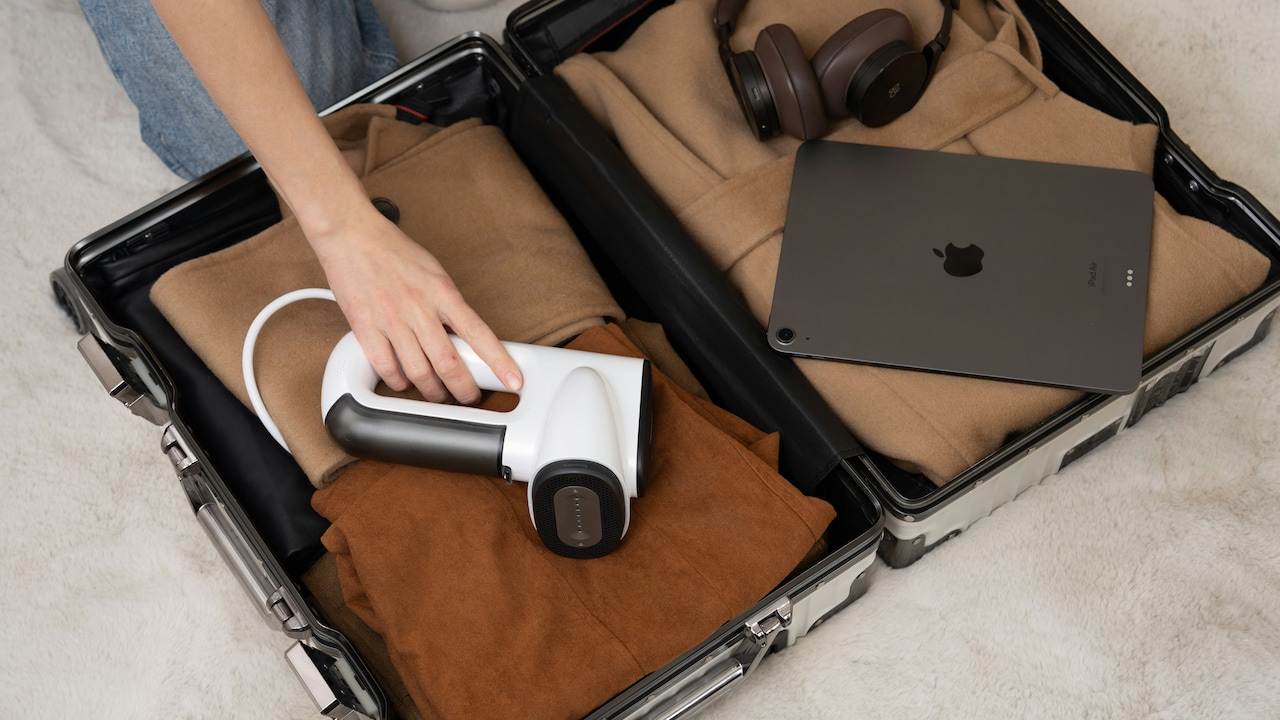
Portable devices offer flexibility. They can travel from home to office or even accompany weekend trips. Long battery life ensures uninterrupted sessions without frequent recharging.
Imagine reaching for relief after a long day, only to find the device out of charge. Such moments quickly diminish enthusiasm. Reliable battery performance prevents these interruptions.
For those constantly on the move, portability becomes even more important. A compact design with a durable battery supports consistent use, turning occasional relief into a regular habit.
How To Pick Massagers That Actually Relieve Your Muscle Pain; Photo Credit: Pexels
Check Build Quality And Durability
A massager is an investment in comfort. Build quality determines whether that investment lasts or fades quickly.
Low-quality materials may lead to wear and tear within months. Buttons may loosen, attachments may break, and performance may decline. Spending ₹2,000 on a poorly built device often proves less economical than investing ₹4,000 in a durable one.
Solid construction ensures reliability. It also reflects the manufacturer's commitment to quality. Devices that feel sturdy and well-finished tend to perform better over time.
Durability goes beyond physical build. It includes consistent performance and dependable functionality. A reliable massager becomes a trusted companion rather than a short-lived novelty.
Look For Customisable Attachments
Different muscle groups require different types of pressure. Customisable attachments allow a single device to serve multiple purposes.
Round heads work well for large muscle groups, while pointed attachments target specific knots. Flat heads provide balanced pressure for general use. Having options enhances versatility and effectiveness.
Without attachments, a massager may feel limited. It may work well for one area but fail to deliver results for others. Customisation ensures that the device adapts to various needs.
Switching attachments may seem like a small feature, but it significantly improves the overall experience. It transforms a basic device into a more comprehensive solution for muscle relief.
Balance Price With Value
Price often influences decisions, but it should not overshadow value. Expensive does not always mean better, and cheaper options may compromise on essential features.
Understanding what each price range offers helps in making a balanced choice. Devices under ₹3,000 may provide basic functionality, while those in the ₹5,000 to ₹10,000 range often include advanced features and better build quality.
Spending wisely involves identifying priorities. If deep tissue relief matters, investing in a reliable massage gun makes sense. For occasional relaxation, a simpler device may suffice.
Value lies in how well the massager meets personal needs. A well-chosen device, regardless of price, delivers satisfaction and consistent relief.
Read Reviews And Trust Real Experiences
Reviews offer insights that specifications cannot. They reveal how a massager performs in real-life situations.
Look for patterns in feedback rather than isolated opinions. Consistent praise or recurring complaints often indicate genuine strengths or weaknesses. Pay attention to comments about durability, comfort, and effectiveness.
Stories shared by other users often highlight practical aspects. Someone may mention how a device helped after long workdays or how it struggled with battery life. These details provide a clearer picture than marketing descriptions.
Trusting real experiences helps in avoiding common pitfalls. It adds a layer of confidence to the decision and ensures that expectations align with reality.
Products Related To This Article
1. HealthSense Percussion Gun Massager machine for Full Body Pain Relief of Neck
2. Lifelong LLGM945 Percussion Massage Gun for Pain Relief
3. Dr Physio USA Dynamo 1034 Percussion Gun Massager for Full Body Pain Relief
4. Cult Impact Pro Gun Whole_Body Massager
5. CARESMITH Charge Go Massage Gun
Choosing a massager is not about chasing trends or picking the most expensive option. It involves understanding personal needs, evaluating features, and considering how the device fits into daily life.
Muscle pain may be common, but effective relief does not have to remain elusive. The right massager offers comfort, supports recovery, and enhances overall well-being. It becomes a small yet meaningful addition to everyday routine.
With thoughtful selection, a massager transforms from a simple device into a reliable partner in managing discomfort. And sometimes, that quiet moment of relief at the end of a long day feels nothing short of priceless.
(Disclaimer: This article may include references to or features of products and services made available through affiliate marketing campaigns. NDTV Convergence Limited (“NDTV”) strives to maintain editorial independence while participating in such campaigns. NDTV does not assume responsibility for the performance or claims of any featured products or services.)